
In the spotlight
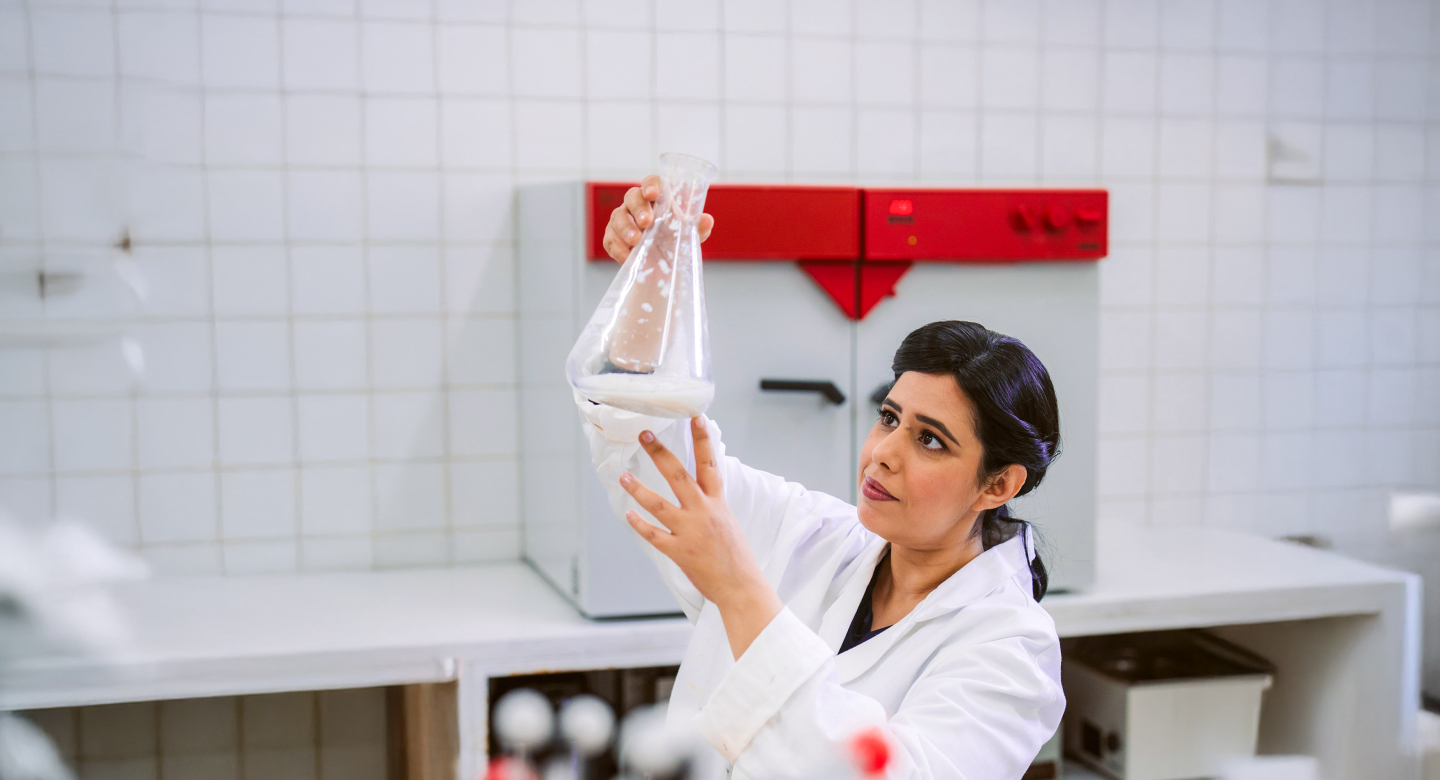
From bulletproof skin to clothing made from manure, Jalila Essaïdi transforms scientific breakthroughs into poetic statements about the future of humanity and nature. Her work is visionary, experimental, circular, and collaborative.
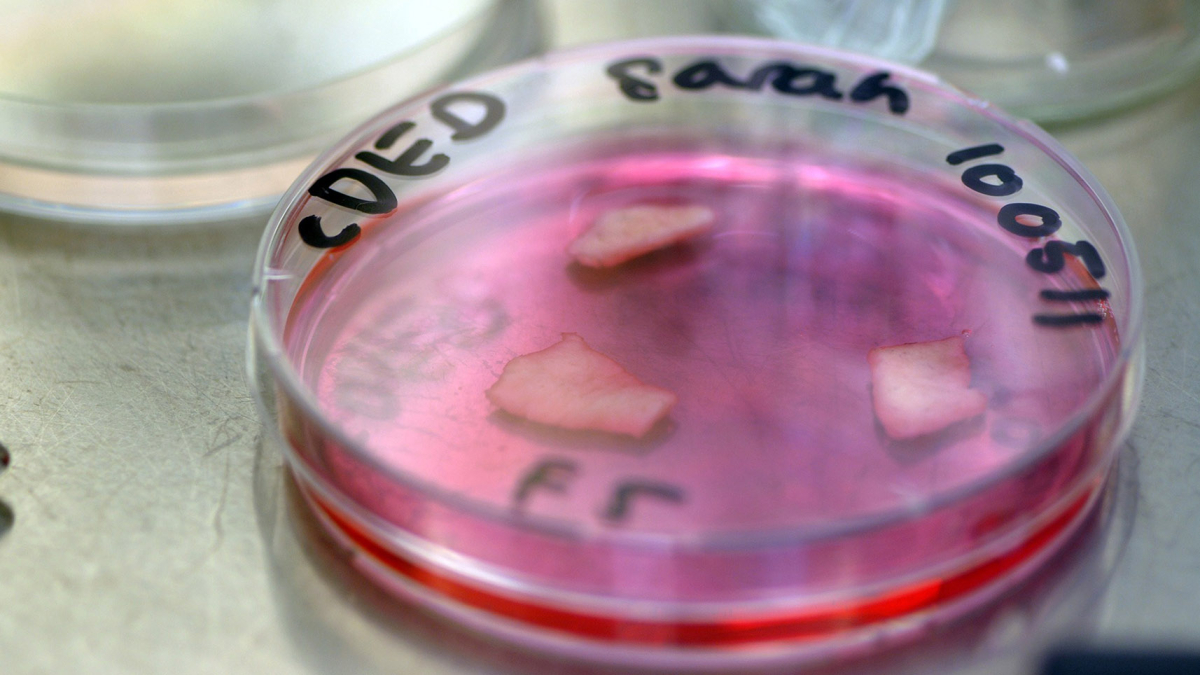
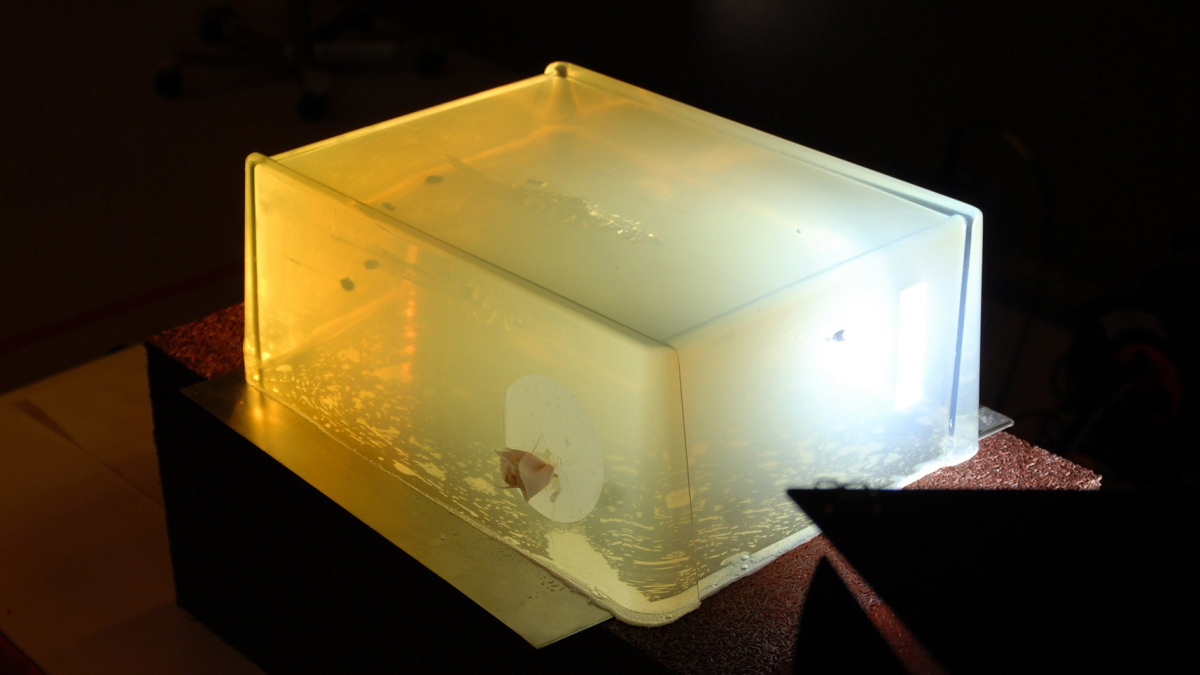
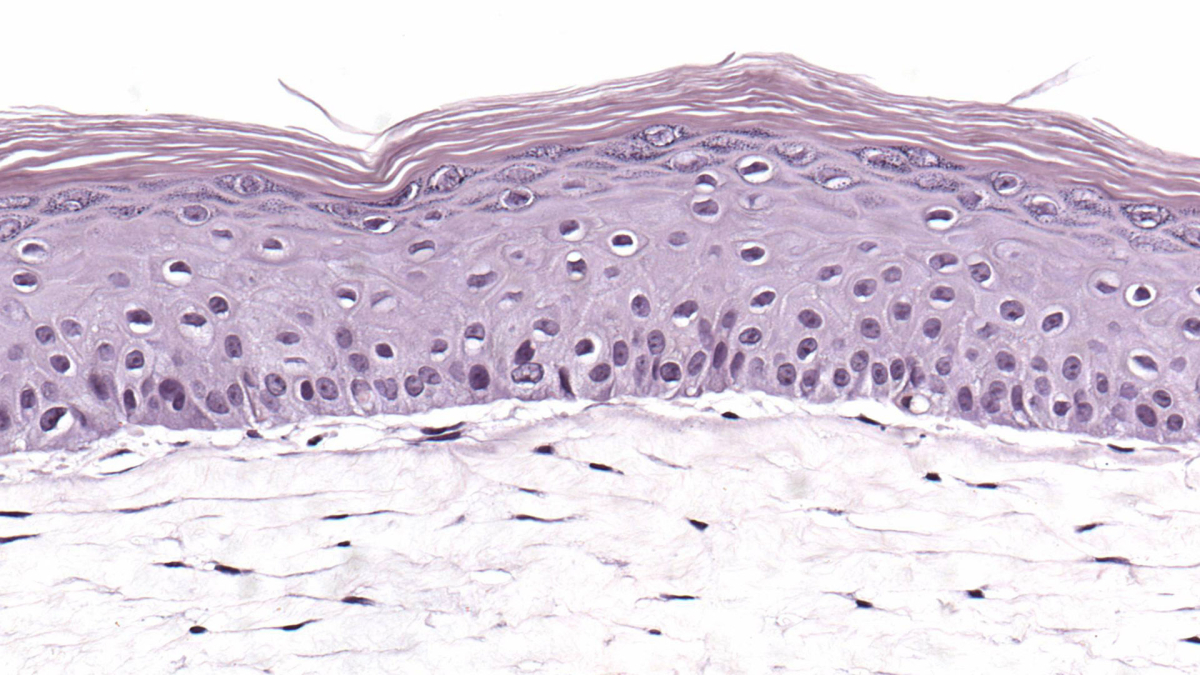
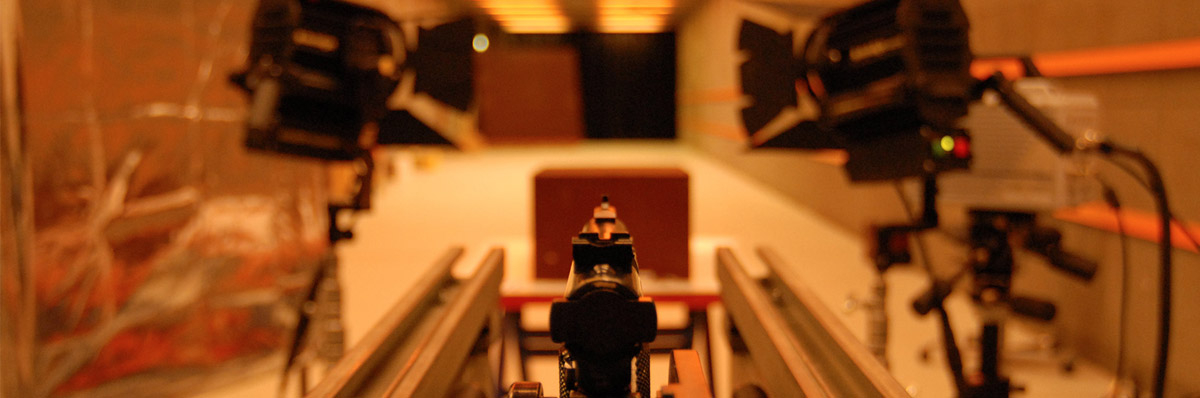
Essaïdi first gained worldwide attention with her project 2.6g 329m/s, also known as ‘Bulletproof skin’. Working with scientists at her own BioArt Laboratory in Eindhoven, she integrated spider silk, one of the strongest natural fibres on Earth, into human skin cells. The result: a hybrid material strong enough to stop a bullet fired at reduced speed. What began as an art experiment soon became a catalyst for global conversation about how which forms of safety would benefit society.
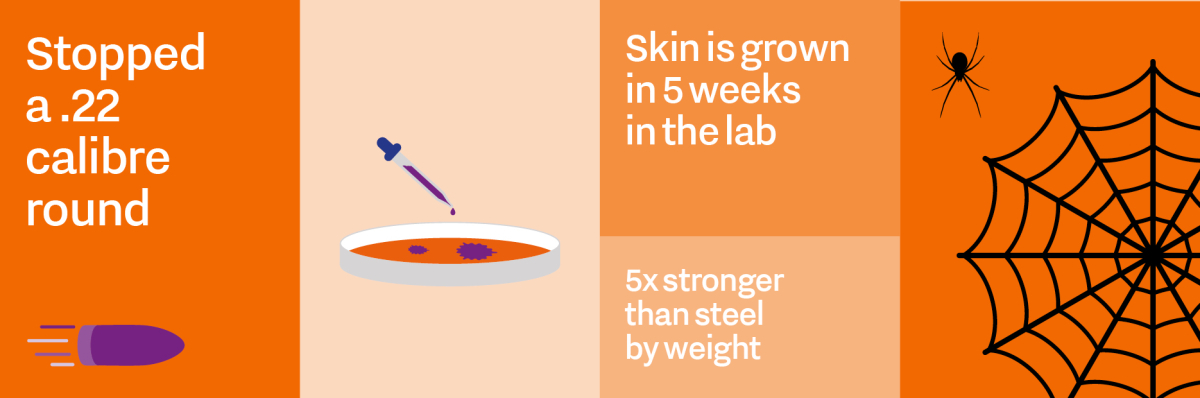
Essaïdi explores the social, political, ethical, and cultural questions that arise in a world shaped by new biotechnologies. Project 2.6g 329m/s received international attention and even drew interest from the U.S. military. Rather than selling her patent to the highest bidder, Essaïdi turned her invention toward healing. The same silk-based material is now being developed as a regenerative dressing for burn victims and chronic wounds, turning protection into restoration - a natural, biodegradable skin that helps the body heal itself.
Her curiosity didn’t stop there. Through her biotech company Inspidere, Essaïdi created Mestic®, an innovation that transforms cow manure into textiles, paper, and bioplastics. The project challenges our instinctive aversion to waste. Because in nature, nothing is truly waste. By revealing the hidden value of what we discard, Mestic® shows that even the most unpleasant materials can hold beauty and potential. By turning waste into value, she redefines what circular design can look like.
Essaïdi is the CEO of Inspidere B.V., a biotech company based in the Brainport region of Eindhoven. She continues to mentor the next generation of bio-designers at her BioArt Laboratories, developing nature-based solutions for global challenges such as CO₂ capture and sustainable materials. It fosters collaboration between life sciences and the creative industries. Jalila Essaïdi embodies New Dutch, where innovation grows from curiosity, collaboration, and the belief that nature and technology belong on the same team.
Does #newdutch spark an interest or a golden idea with you? We love hearing from you! You can email us at newdutch@nlbranding.nl.

As BBQ season begins across the Northern Hemisphere, conversations about the future of meat are once again gathering momentum. Behind the scenes, innovation is also quietly cooking away in the Dutch food sector with Mosa Meat’s cultured meat.
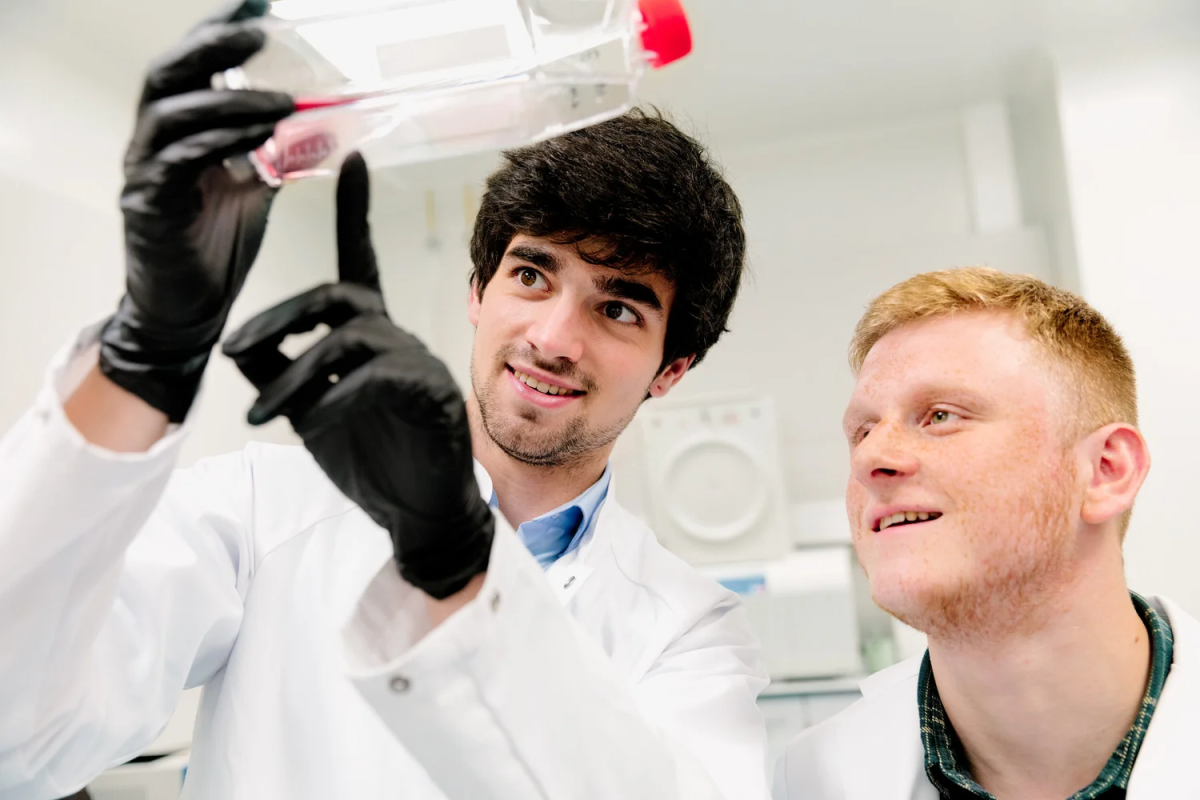
Founded by Dr. Mark Post and Peter Verstrate, Mosa Meat first dazzled the world in 2013 by unveiling the world's first lab-grown hamburger. Today, they're leading the change towards a more sustainable, ethical, and tantalising future for meat production.
Mosa Meat's innovative process starts with a tiny sample of animal cells. Through nurturing and multiplication, they create meat that's remarkably similar to conventionally farmed meat. Friendly for the planet, but will all the taste for meat lovers! While the environment benefits from reduced land use and lower greenhouse gas emissions, Mosa Meat focuses on delivering meaty delights that don't compromise on taste, texture, or aroma. They've mastered the art of making your taste buds dance while keeping sustainability in mind.
And they’re not alone in the Dutch landscape of sustainable innovation. The Netherlands has long been a hotbed of forward-thinking initiatives dedicated to solving global challenges. From cutting-edge water management systems to innovative urban planning, the Dutch are igniting change toward a more sustainable future.
With their pragmatism and creativity, Mosa Meat exemplifies this spirit of innovation. They've received valuable support from local organisations and investors who share their vision of a greener, healthier planet. Together, they're proving that the Netherlands is a breeding ground for ideas that can change the world.
Mosa Meat's story is a testament to #newdutch ingenuity and a gentle reminder that transformative solutions don't always need to shout from the rooftops.

Does #newdutch spark an interest or a golden idea with you? We love hearing from you! You can email us at newdutch@nlbranding.nl.
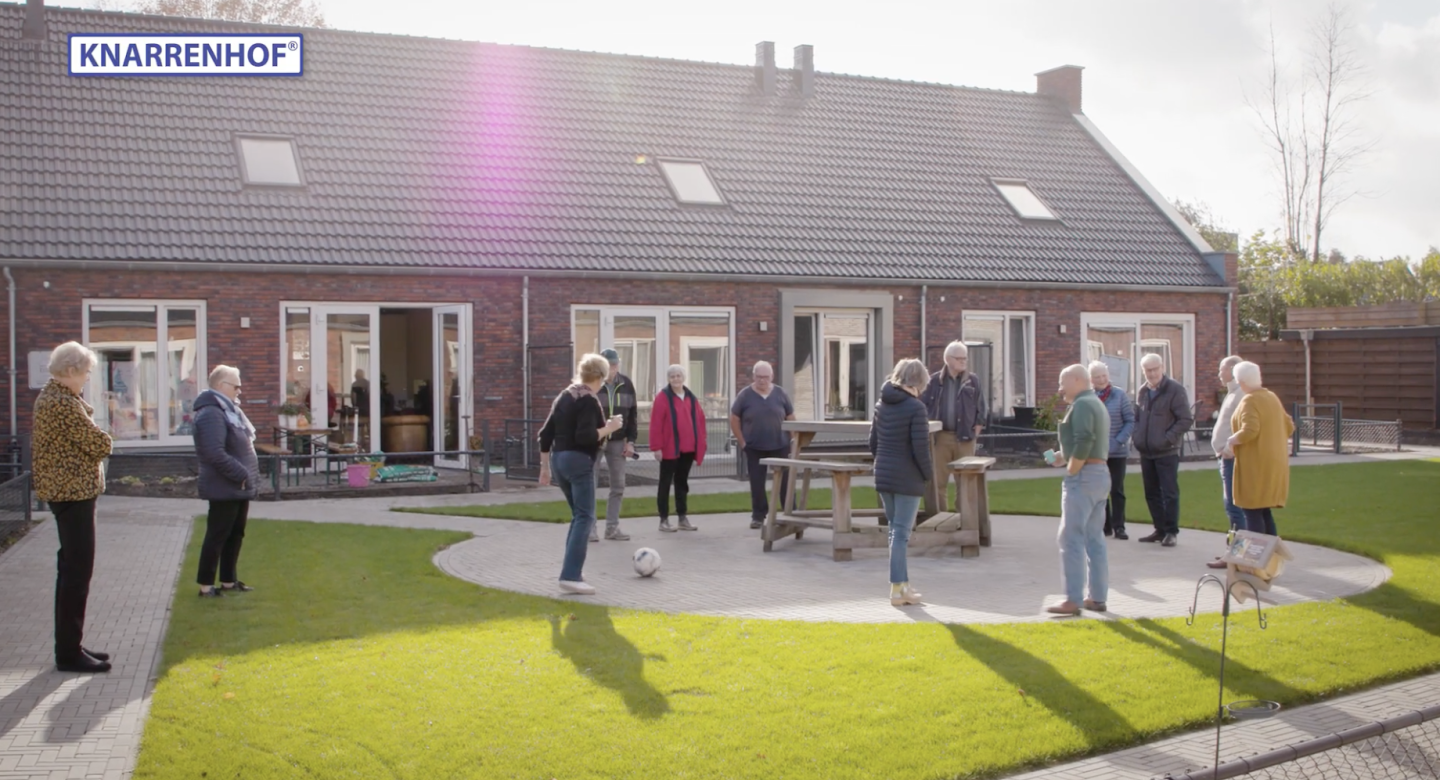
Sometimes innovation is about rethinking the way we live together. As populations age across Europe, societies face a growing challenge: how do we enable people to remain independent, connected and healthy for longer? In the Netherlands, care facilities for the elderly are under pressure, the housing shortage is increasing, and loneliness among older adults has become a social concern. A foundation with their head office based in Amersfoort is approaching this challenge from an unexpected angle: by redesigning the neighbourhood itself. That organisation is Knarrenhof®.
From people to buildings, not the other way around
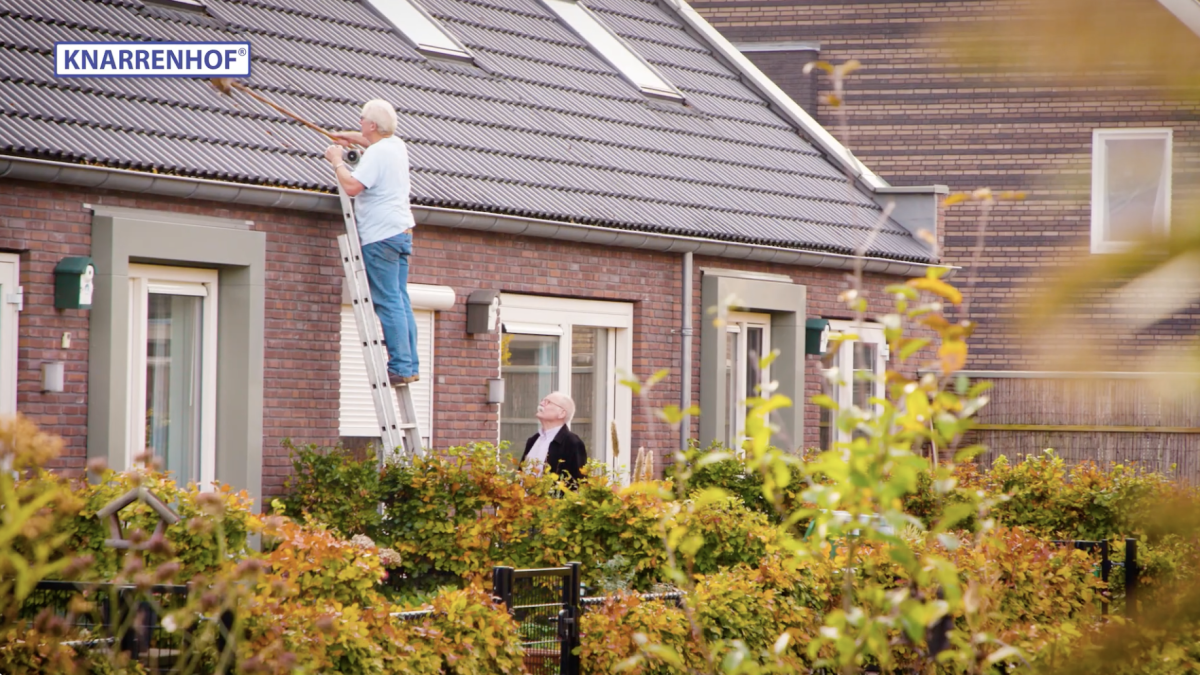
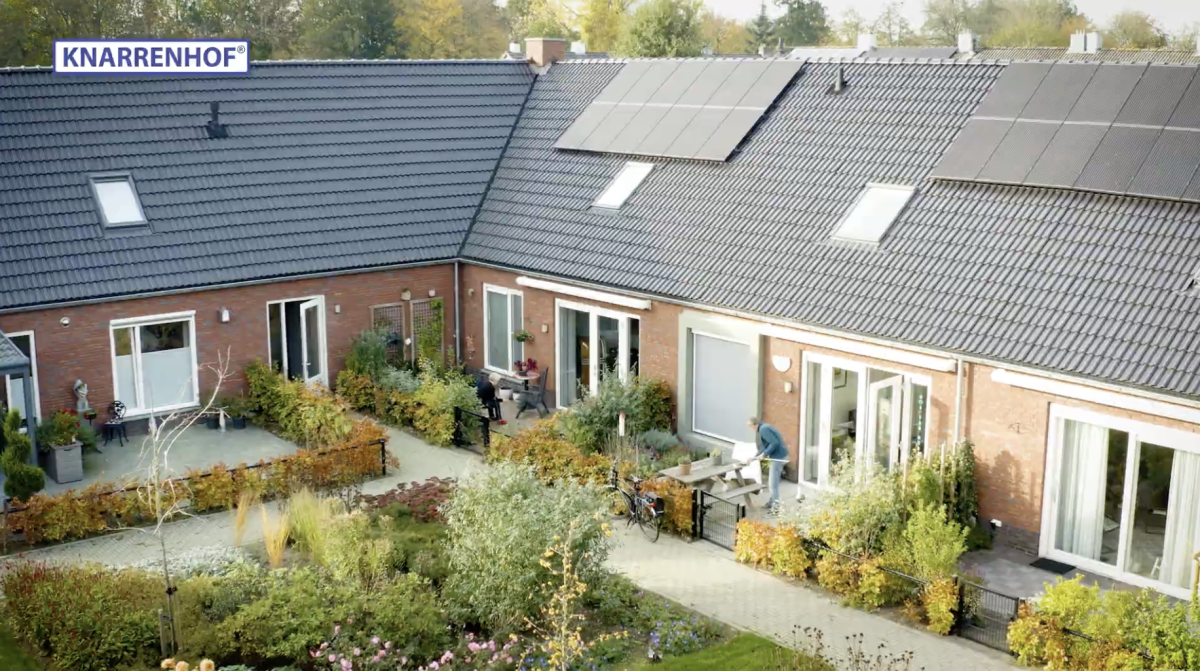
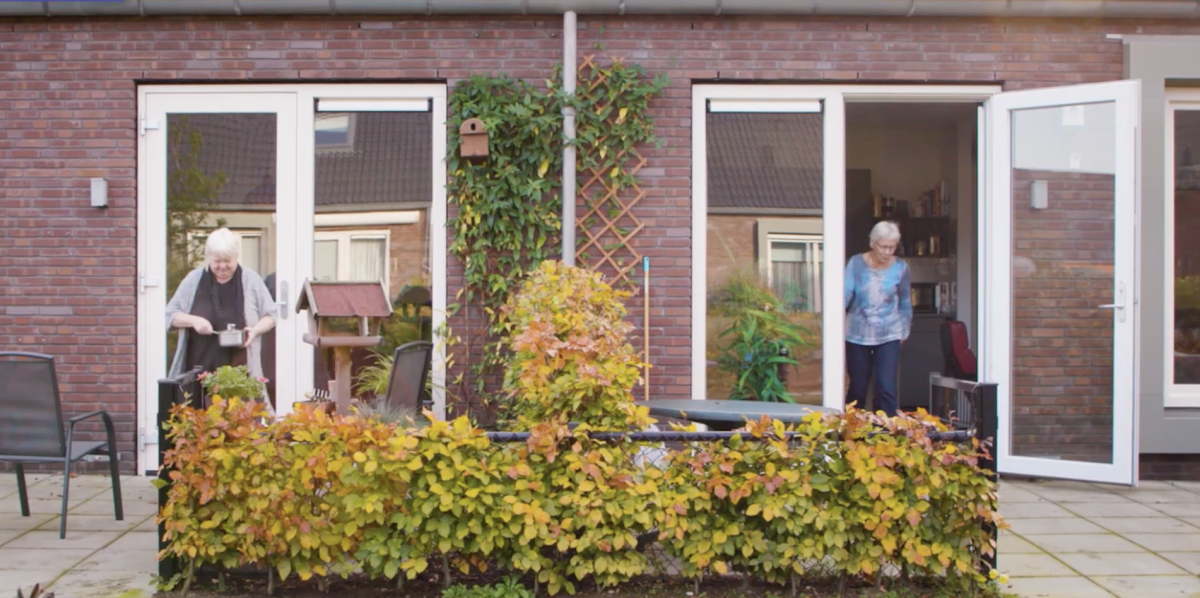
Inspired by the historic Dutch ‘hofjes’, enclosed courtyards that have provided community and security for centuries, Knarrenhof® combines the privacy of independent living with the benefits of a close-knit community. The concept is simple: residents have their own homes, front doors and lives, but share a communal garden and meeting space where neighbours can look out for one another. The innovation lies not only in the physical design, but in how these communities are created.
Most housing developments begin with architects, developers and construction plans. Knarrenhof® starts with people. Before a single brick is laid, future residents come together to shape their community. They discuss what kind of neighbourhood they want to live in, how shared spaces should function and how they want to organise everyday life. The homes are designed around the needs of the people who will eventually live in them, rather than asking residents to adapt to a predetermined plan. This approach reflects a distinctly Dutch way of working. Rather than relying on top-down decision-making, Knarrenhof® is built on collaboration, shared ownership and practical problem-solving. Residents, municipalities, housing organisations and care providers work together as equal partners.
A social innovation with national impact
The result is a housing model that helps people remain independent for longer while reducing loneliness and strengthening social connections. Residents help one another when needed, not through formal care arrangements, but through attention, familiarity and neighbourliness. Nothing is compulsory. It is not a communal living project. People maintain their privacy while benefiting from the reassurance that someone nearby will notice if they need support.
Since its founding in 2010, Knarrenhof® has helped spark a broader revival of courtyard living across the Netherlands. Around fifteen Knarrenhof® communities have already been realised, with dozens more in development and waiting lists continuing to grow. The timing is significant. Across the country, many older people live in homes that no longer suit their needs, while younger generations struggle to find housing. Creating attractive alternatives that allow people to move voluntarily can help unlock the housing market while improving quality of life.
Living well in the future
Knarrenhof® demonstrates that innovation is not only about new technologies. It can also emerge from new forms of organisation, participation and community-building. Its success offers a powerful lesson: some of society's biggest challenges cannot be solved by products alone. They require new ways of working together. That idea sits at the heart of Dutch innovation culture. Whether it is students building solar cars, entrepreneurs developing clean energy systems or residents creating new forms of housing, progress often starts with collaboration. People from different backgrounds come together around a shared challenge and develop practical solutions that everyone can help shape.
Knarrenhof® shows what happens when that mindset is applied to ageing. The result is not simply a housing project, but a new model for living well later in life: one that combines independence, dignity and community.
In the Netherlands, innovation is not just about inventing new things. It is about creating better ways to live together. That's New Dutch!
Does #newdutch spark an interest or a golden idea with you? We love hearing from you! You can email us at newdutch@nlbranding.nl.
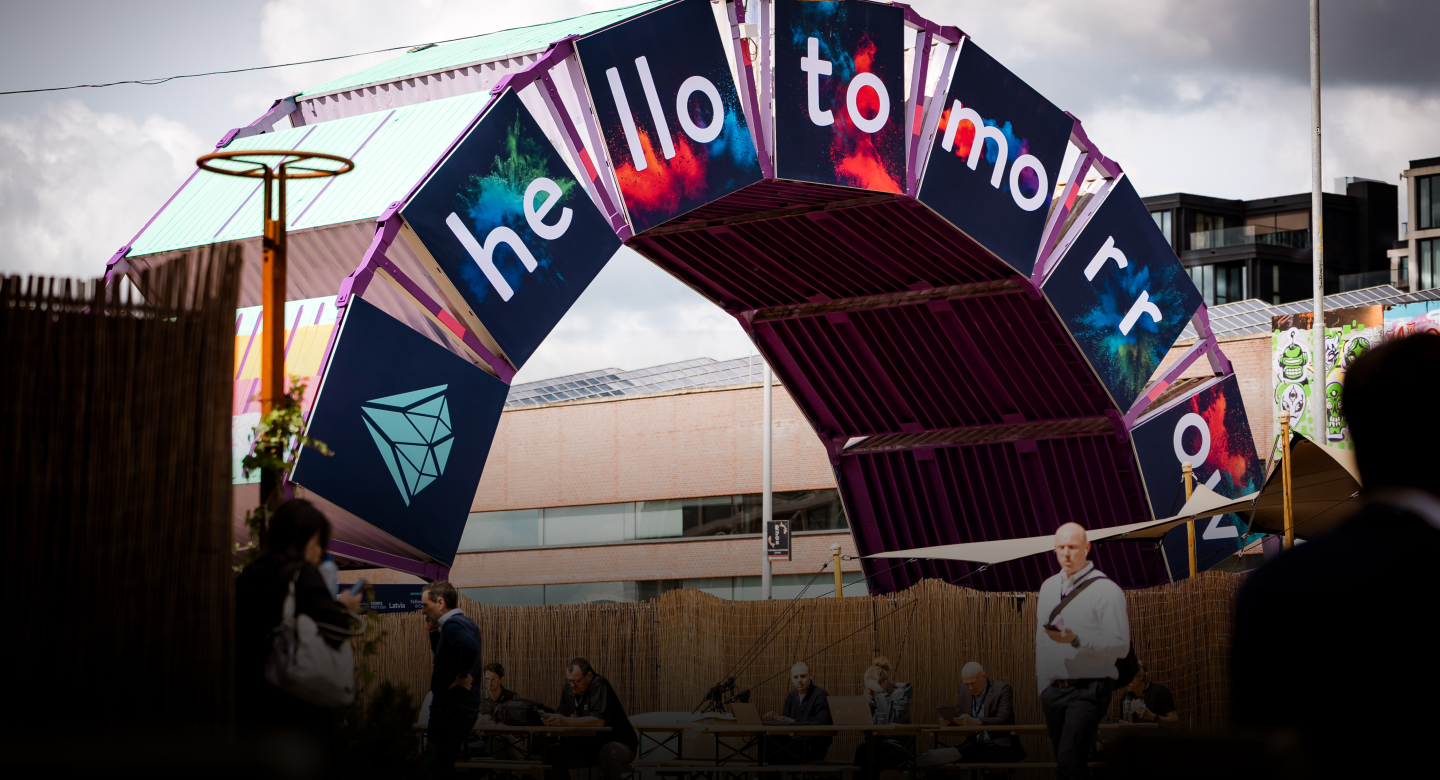
The deep tech ecosystem is having a moment. What spent years behind the scenes has been thrown into the spotlight, driven in part by geopolitics and the world's most pressing global challenges. This evolution is about embracing a digital, safe, and sustainable future.
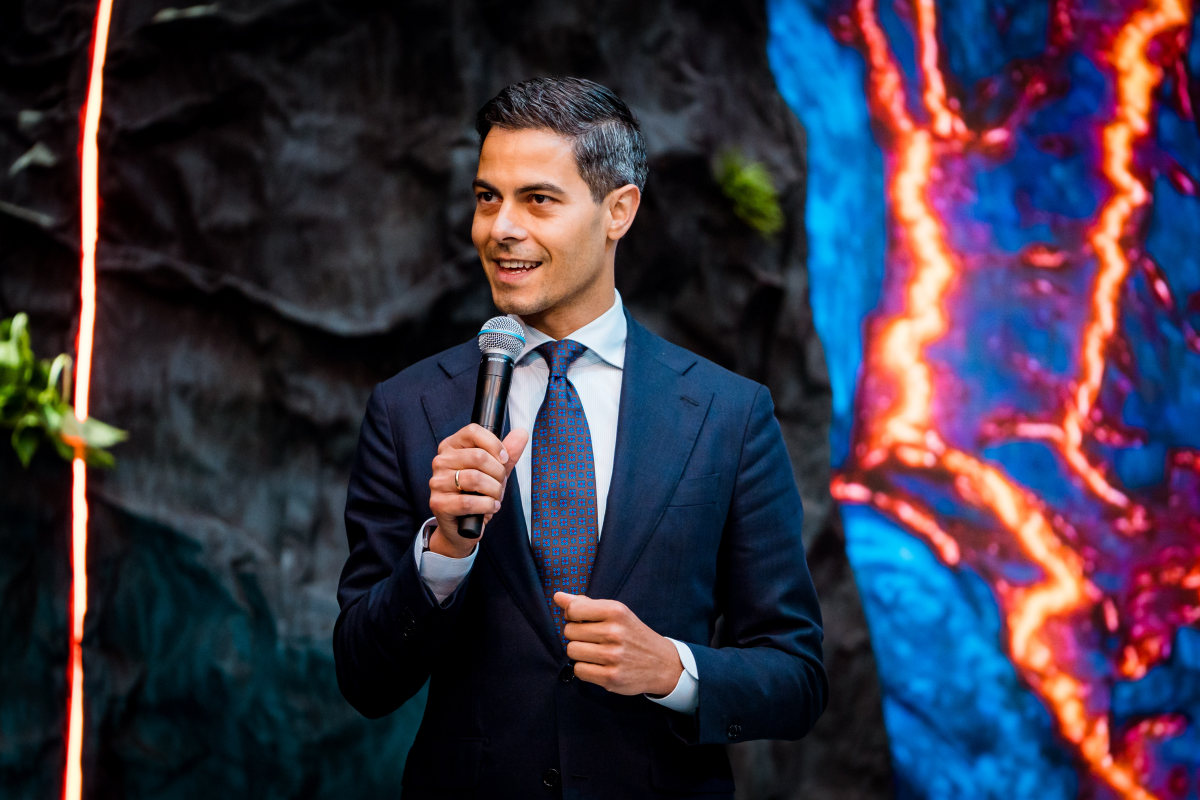
That was the message Dutch Prime Minister Rob Jetten delivered at the opening ceremony of Hello Tomorrow. Set in Amsterdam's industrial NDSM shipbuilding district, the message was one of inspiration, positivity, and opportunity.
The setting was no accident. This was once home to the Netherlands heavy industry, where we built the ships that connected people and places across the world. Today the same robust, industrial location inspires a new generation of builders to make new connections of a different kind.
"We shouldn't be afraid of the future. We should embrace it." Rob Jetten.
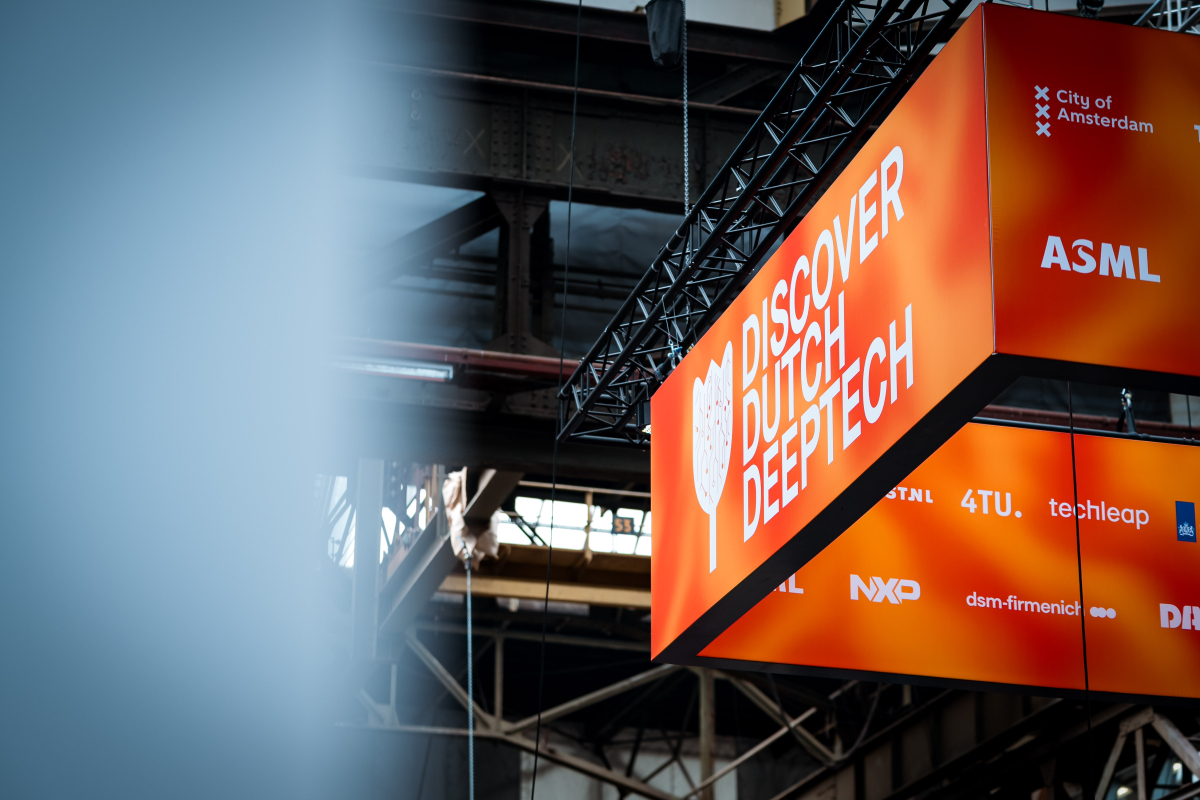
Deep tech is a difficult concept for most to grasp. Think photonics, quantum, semiconductors, biotech, fusion, and energy. It's a blend of industries built on genuine scientific or engineering breakthroughs, the kind that power the technologies defining the world we live in.
But the common thread that holds them all together is that they solve real, fundamental problems; Healthcare. The energy transition. Tomorrow's industry and Europe's competitiveness. As Jetten put it, "all these things are deeply interconnected."
Each of these technologies turns a hard-won scientific breakthrough into businesses others can't easily replicate, and can't afford to depend on others for. That's what makes deep tech strategically integral. And you don't get there by following the crowd. As Jetten put it, "You don't often find tech breakthroughs at the end of the well-trodden path."
So how does a small country like the Netherlands create such a wealth of deep tech startups? The answer isn't simply capital or talent. It's a way of working that took decades to build and can't be bought off the shelf.
"We're very proud here in the Netherlands of our Triple Helix approach, where governments, educational centres, and companies work together, in a really Dutch way," said Jetten. "We call it Polderen. We're very good at talking, negotiating, compromising, and most of the time in quite a good atmosphere."
Polderen originates from a time when we had to work with the sea in order to survive, where holding back the water meant everyone around the polder had to cooperate, putting differences aside. The habit stuck and is now the operating system for how Dutch research institutes, universities, startups, investors and government come together to get things done.
This is the part that's easy to underestimate. You can fund a lab or invest in a startup. But you can't purchase the institutionalised trust between a research institute, an accelerator, a public investor and a ministry that have spent years learning to pull in the same direction. That coordination is the Netherlands' greatest deep tech asset. It's also a deliberate bet on a different model. Jetten framed it as "building the European ecosystem as a third way, as opposed to an approach seen elsewhere in the world."
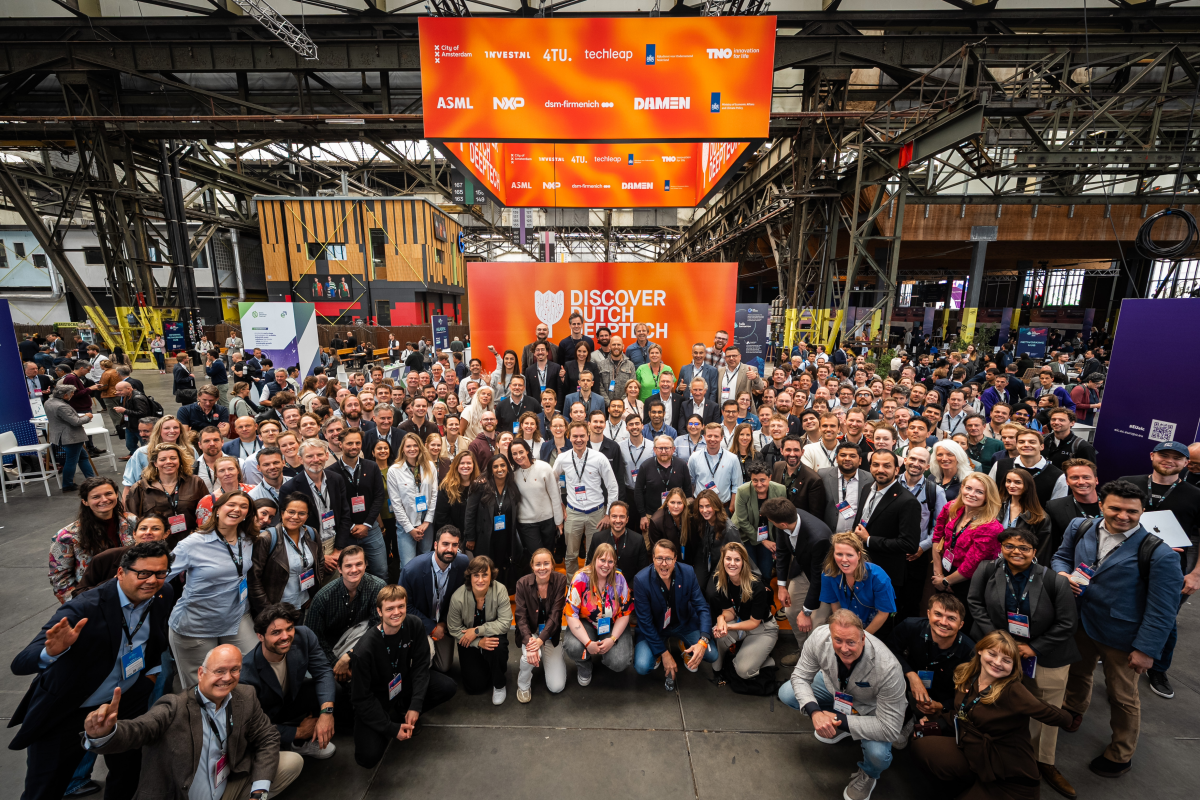
The ecosystem already has its anchors. "Amsterdam and Eindhoven are the most internationally known examples of hubs in the Netherlands," said Jetten, "where one or more companies have created an ecosystem with many other organisations. What we've done over the past few years is partner up as a government to finance new research programmes and attract talent from abroad to build a stronger ecosystem."
The next move is to scale beyond borders. "We are looking at France and Germany, as well as other countries nearby, to better connect the dots. To connect all these hubs." This is ecosystem building as strategy, not slogan. The culture itself is created and built by entrepreneurs and researchers. But the connective tissue between them, across labs, cities and borders, is a deliberate choice. And it's the choice that turns a cluster of clever companies into something far harder to compete with.
Which brings it back to where Jetten started, on that old shipbuilding yard that once connected the world by sea. "We need international cooperation that transcends physical borders," he said. "We need bridges, not barriers."
That's why the world needs to discover Dutch deep tech.
Photo credits: Solid Focus.

In the Netherlands, the path to global impact starts with precision and collaboration. A culture where breakthroughs are measured in nanometres, not square kilometres> For decades, the internet has connected billions of people, devices and systems across the globe. But the next revolution in computing, faces a very different challenge. Quantum computers promise a leap in what computing can do, from discovering new materials to solving problems beyond the reach of today's machines. Yet despite their potential, they largely operate in isolation. Without a way to connect them, quantum computers remain powerful but limited. Scaling the technology requires something that does not yet exist at commercial scale: a way for quantum machines to communicate across distance without losing their delicate quantum states.
Building the quantum modem
Quantum computers have the potential to solve problems far beyond the reach of today's machines, from developing new medicines and advanced materials to optimising entire energy systems. Yet there is a catch: quantum computers are extraordinarily difficult to connect. Each machine operates in extreme conditions, isolated from the outside world. Without a way to link them together, the promise of quantum computing remains limited. That is where QphoX (Kyu-fox) comes in. Founded in Delft as a spin-off from the renowned Delft University of Technology and QuTech research institute, QphoX is building what many consider to be one of the missing pieces of the quantum future: the world's first quantum modem.
Just as classical modems once connected computers to the internet, QphoX's technology enables quantum computers to communicate with one another across long distances. It is a breakthrough that could lay the foundations for an entirely new kind of network: the quantum internet. The challenge is far from trivial: today's most powerful quantum processors operate at temperatures colder than outer space, inside highly specialised cryogenic refrigerators. They process information using microwave signals that are extremely fragile and cannot travel far without losing their quantum properties. QphoX has developed a solution that translates these delicate microwave signals into optical photons, allowing quantum information to travel through standard fibre-optic networks while preserving its quantum state.


Making quantum computers work together
The result is a technology that turns isolated quantum processors into connected systems. Instead of relying on a single, increasingly complex machine, multiple quantum computers can work together as a network. This dramatically improves scalability and overcomes one of the largest obstacles facing the industry today. It is the quantum equivalent of moving from a standalone computer to a connected data centre. Beyond connectivity, the technology addresses another critical challenge: heat. Scaling quantum computers requires more control systems, cables and hardware, all of which introduce heat into environments that must remain incredibly cold. By transmitting information through optical fibres, QphoX reduces the need for bulky cabling and allows data to leave the refrigerator efficiently, protecting the sensitive quantum processors at its core.
The implications reach far beyond computing power alone. Quantum communication is expected to become a cornerstone of digital security in the decades ahead. As quantum computers grow more powerful, many of today's encryption methods will eventually become vulnerable. Quantum networks offer a path towards fundamentally secure communication, helping governments, businesses and citizens protect critical information in an increasingly digital world.

The internet after the internet
QphoX emerged from a uniquely collaborative ecosystem centred around Delft, where researchers, entrepreneurs, investors and policymakers work closely together to accelerate breakthrough technologies. Companies, universities and research institutes share knowledge, infrastructure and expertise, creating an environment where deep-tech innovation can move from laboratory research to global impact. This collaborative model has attracted international attention. QphoX works with partners across Europe and beyond, while receiving support from major European innovation programmes. In 2025, the company and American quantum computing firm Rigetti secured a multi-million-dollar contract from the United States Air Force, highlighting the growing strategic importance of their technology. As countries invest heavily in quantum capabilities, the ability to build secure and scalable quantum networks is increasingly seen as a matter of technological sovereignty.
Yet what makes QphoX particularly compelling is that its innovation is surprisingly tangible. The idea of a quantum modem is easy to grasp: a device that allows quantum computers to talk to each other. Behind that simple concept lies years of advanced physics, engineering and materials science. But its purpose is clear. Just as conventional modems unlocked the internet age, quantum modems could unlock the next era of computing. From a laboratory in Delft, QphoX is helping build the infrastructure for technologies that may define the middle of this century. It is not creating a faster computer. It is creating the network that allows quantum computing to grow beyond the limits of any single machine. That’s New Dutch!
Does #newdutch spark an interest or a golden idea with you? We love hearing from you! You can email us at newdutch@nlbranding.nl.
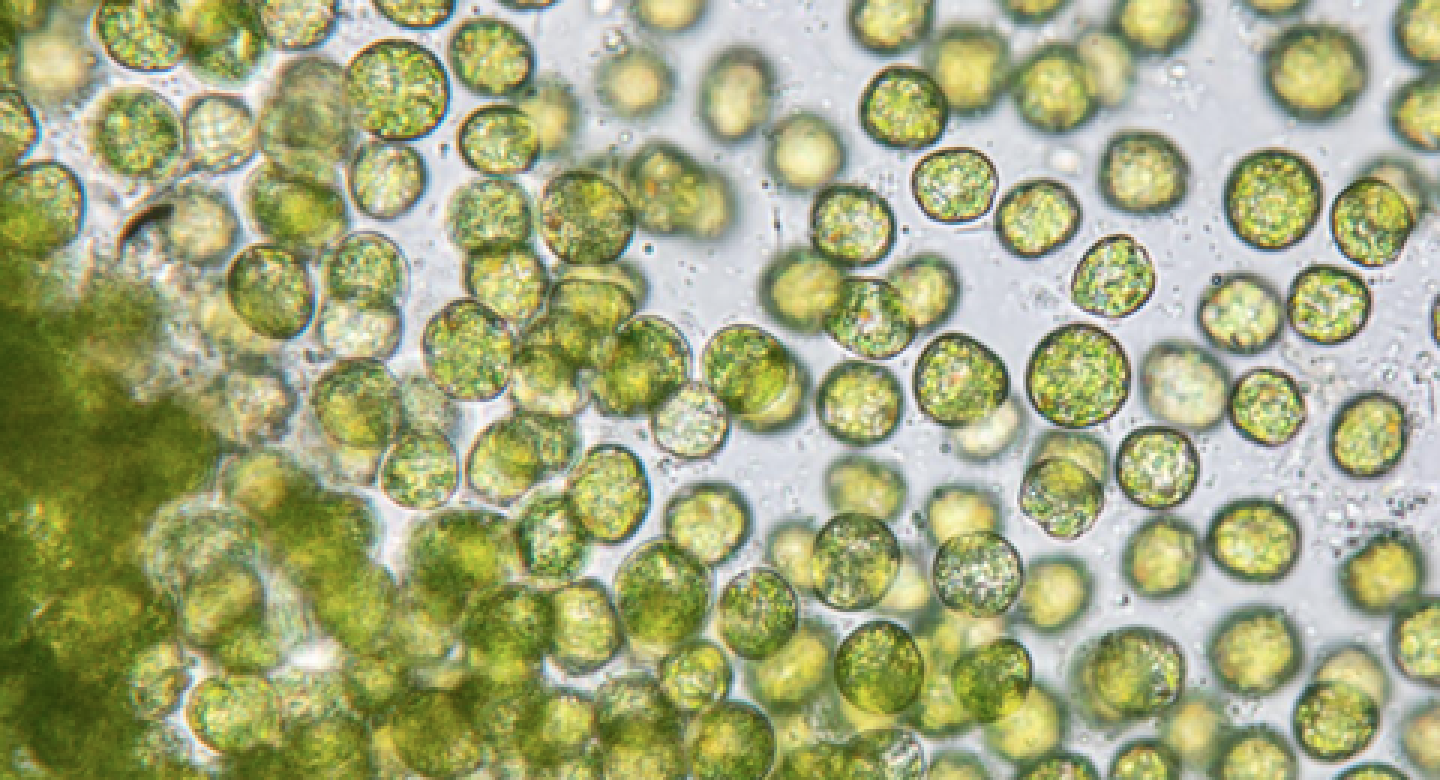
The Dutch and water go way back. Over centuries, we turned that relationship into a way of thinking: work with what you have, and design systems that turn a challenge into an advantage. That principle has now gone microscopic. In Arnhem, a student discovered that algae pearls can pull nitrogen and phosphates directly out of polluted water. And that student is Bas Emaus. He and his team built JiTiBa Algae Technologies: a system where algae does what they do best, only faster and at scale, without chemicals or heavy infrastructure.
The Netherlands faces, just like many other countries, environmental pressures. Our tap water is clean, yet our surface water is among the poorest in Europe. Rivers and canals fail to meet ecological standards, nitrogen and phosphate levels remain too high, and wastewater treatment facilities work hard yet still release effluent that contributes to pollution. JiTiBa steps in at the final stage of purification. Their so called ‘algae pearls’, tiny porous gel beads filled with microalgae, soak up what conventional systems miss. As treated wastewater flows past them, the algae trap nitrogen, phosphates and even heavy metals. What remains is cleaner water that meets the stricter regulations coming into force in the years ahead.
The benefit is not just cleaner rivers. Once the pearls are full, they are harvested and processed into new, usable materials. What enters the system as pollution leaves it as something useful, from organic fertilisers to ingredients for circular construction materials. This is where JiTiBa’s thinking becomes distinctly Dutch: waste is treated not as a burden, but as an opportunity. The technology creates a loop where nothing is lost and everything has value.
Algae that turn waste into value
The idea began the moment Bas Emaus noticed algae covering the Waal during a warm summer. He quickly asked himself: what could algae do in controlled conditions? He then built an early prototype with fellow students, starting with old aquarium tanks and a handful of ideas. The science was sound, but early applications proved commercially unviable. Instead of stopping, he looked elsewhere. Wastewater facilities produce huge amounts of sewage sludge every day. Disposing of it is costly. Emaus realised that algae thrive on this sludge and absorb its contaminants. What began as an experiment became a breakthrough: a biological system that grows on waste, cleans water and produces new resources, all at the same time.
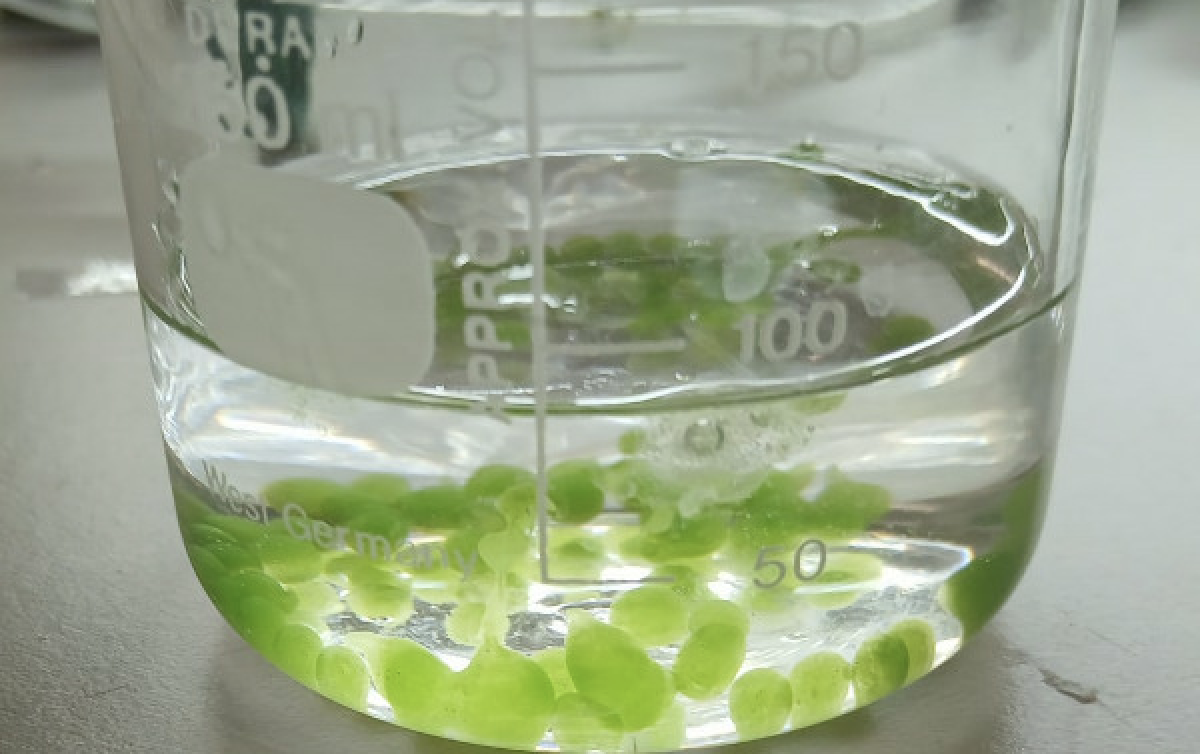
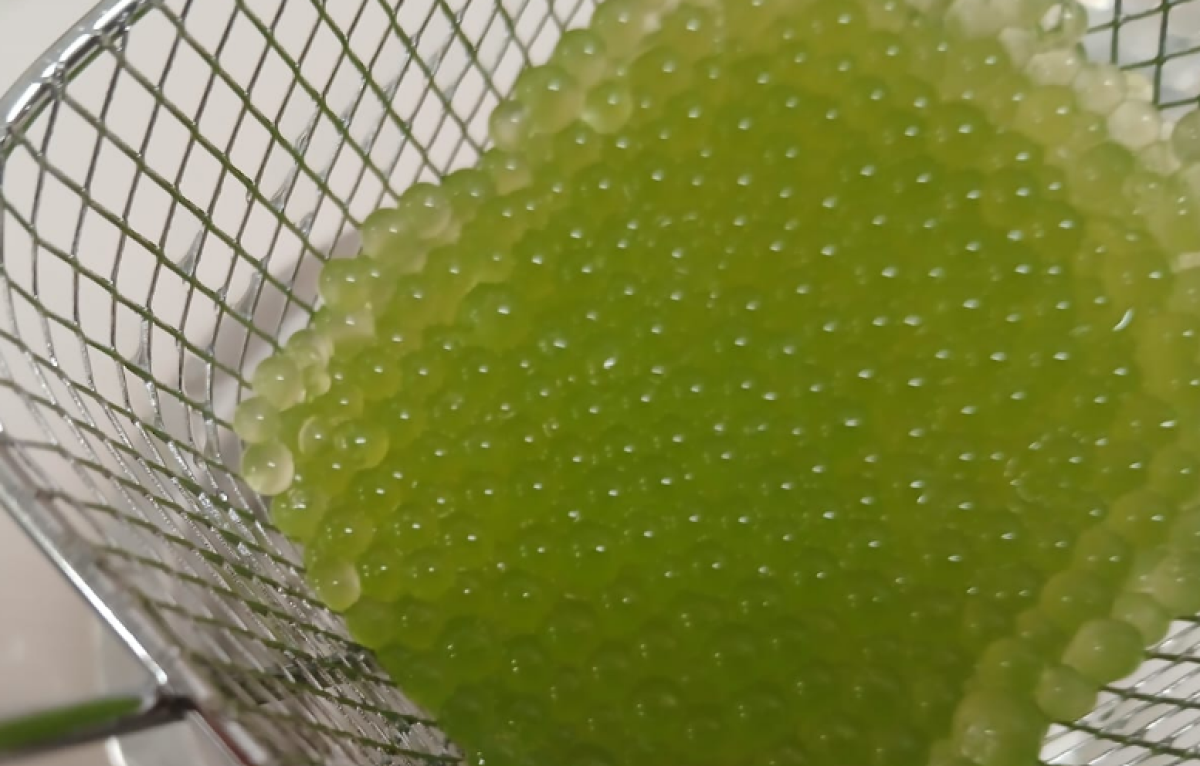
JiTiBa’s progress is also a story of the Dutch approach to innovation. Emaus spoke to hundreds of people, from researchers and engineers to policymakers and industry leaders. Each connection opened another door. Partnerships followed with organisations working across the water chain, giving the startup the scientific grounding and operational scale needed to move from university project to working technology. The system now operates from Cleantech Park Arnhem, with the first prototype already sold and new pilots underway. Automated pumps, modular designs and low-maintenance operation make it suitable for both small facilities and large municipal installations.
The next step for cleaner water
By polishing effluent before it reaches rivers, JiTiBa reduces pollution at the source and supports wider ecological recovery. Healthier waterways mean fewer algal blooms, stronger biodiversity and cleaner ecosystems, all essential in a densely populated delta. More broadly, it helps ease the nitrogen crisis, supports the shift to circular materials and brings the Netherlands closer to meeting its water-quality commitments.
JiTiBa is now preparing to scale its technology with partners across the water sector. And Emaus, even as he advances his studies in biotechnology, continues to refine a system that promises to turn one of the country’s biggest environmental challenges into a tool for regeneration. In the Netherlands, waste is just a resource waiting for the right system. That’s New Dutch!
Does #newdutch spark an interest or a golden idea with you? We love hearing from you! You can email us at newdutch@nlbranding.nl.
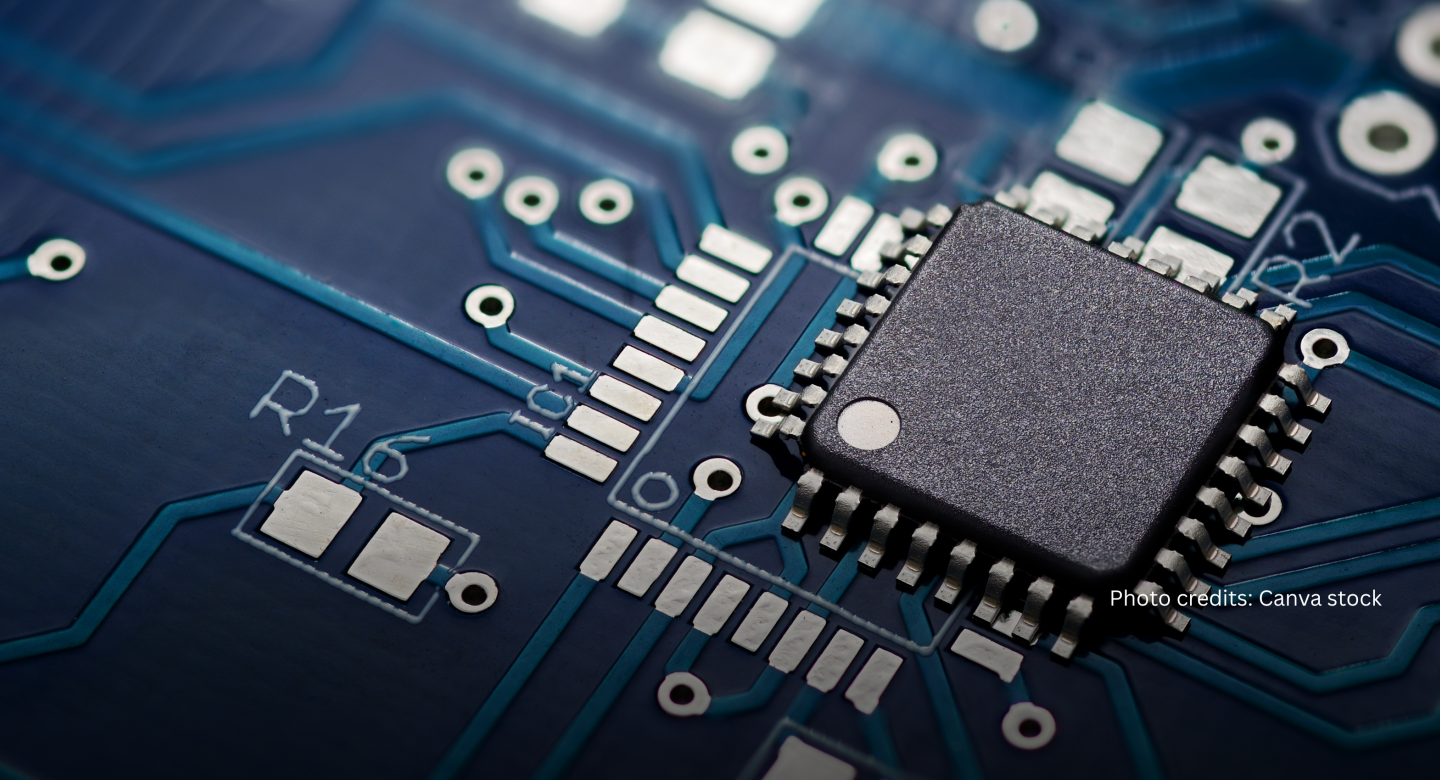
Taiwan and the Netherlands both play vital roles in the global semiconductor value chain. As demand grows for advanced chips that power artificial intelligence, high-performance computing, electric vehicles, medical technologies and sustainable digital infrastructure, international cooperation is becoming increasingly important. By understanding each other’s strengths and future needs, leading semiconductor ecosystems can better respond to technological complexity, supply chain challenges and the need for continuous innovation.
This strategic public-private approach aims to strengthen long-term cooperation between the Dutch and Taiwanese semiconductor sectors. Taiwan brings world-leading manufacturing capabilities and a dense supplier ecosystem, while the Netherlands contributes globally recognised expertise in semiconductor manufacturing equipment, high-tech systems and public-private innovation. Together, both ecosystems can explore opportunities for knowledge exchange, research and development, talent development, sustainability and supply chain resilience, powering semiconductor innovation for the technologies of tomorrow.
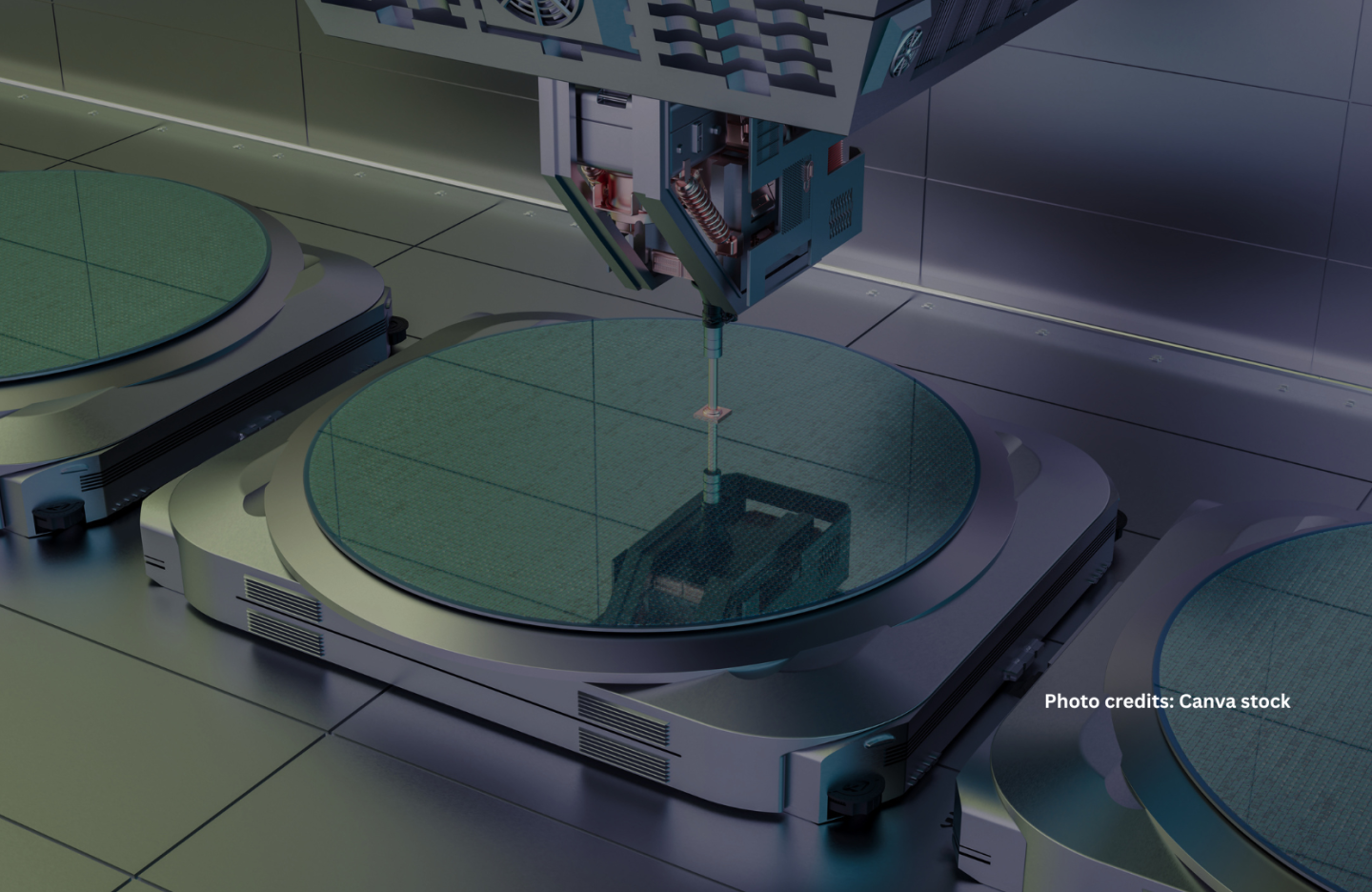
Talent development: The long-standing partnership between Dutch semiconductor equipment company ASML and Taiwanese chipmaker TSMC is supported by TSMC/ASML EUV Lithography Training Centre in Tainan’s Southern Taiwan Science Park. The centre trains engineers in the operation and maintenance of ASML’s extreme ultraviolet lithography systems. The facility combines technical instruction with hands-on cleanroom training and live EUV machine modules. By providing advanced training in Taiwan, the centre supports knowledge transfer, strengthens specialist engineering skills and contributes to the resilience of the global semiconductor supply chain.
Read about EUV training centre in Taiwan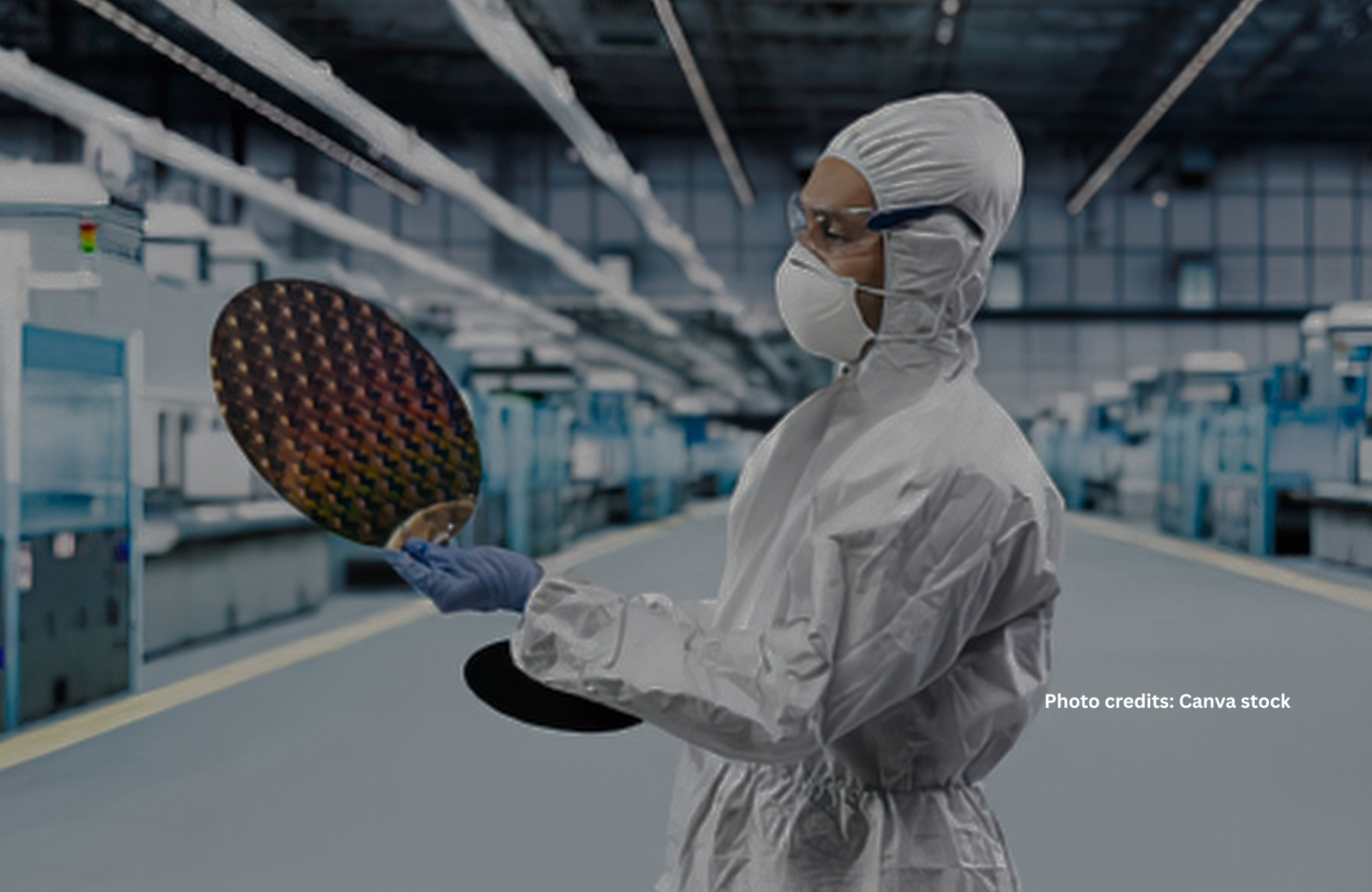
Joint investment: Taiwanese foundry Vanguard International Semiconductor and Dutch semiconductor company NXP have established VisionPower Semiconductor Manufacturing Company, a joint venture developing a new 300mm wafer fab in Singapore. The fab will produce mixed-signal, power-management and analogue chips for automotive, industrial, consumer and mobile applications, strengthening manufacturing capacity and geographic resilience for both partners.
Read the VIS and NXP joint-venture announcement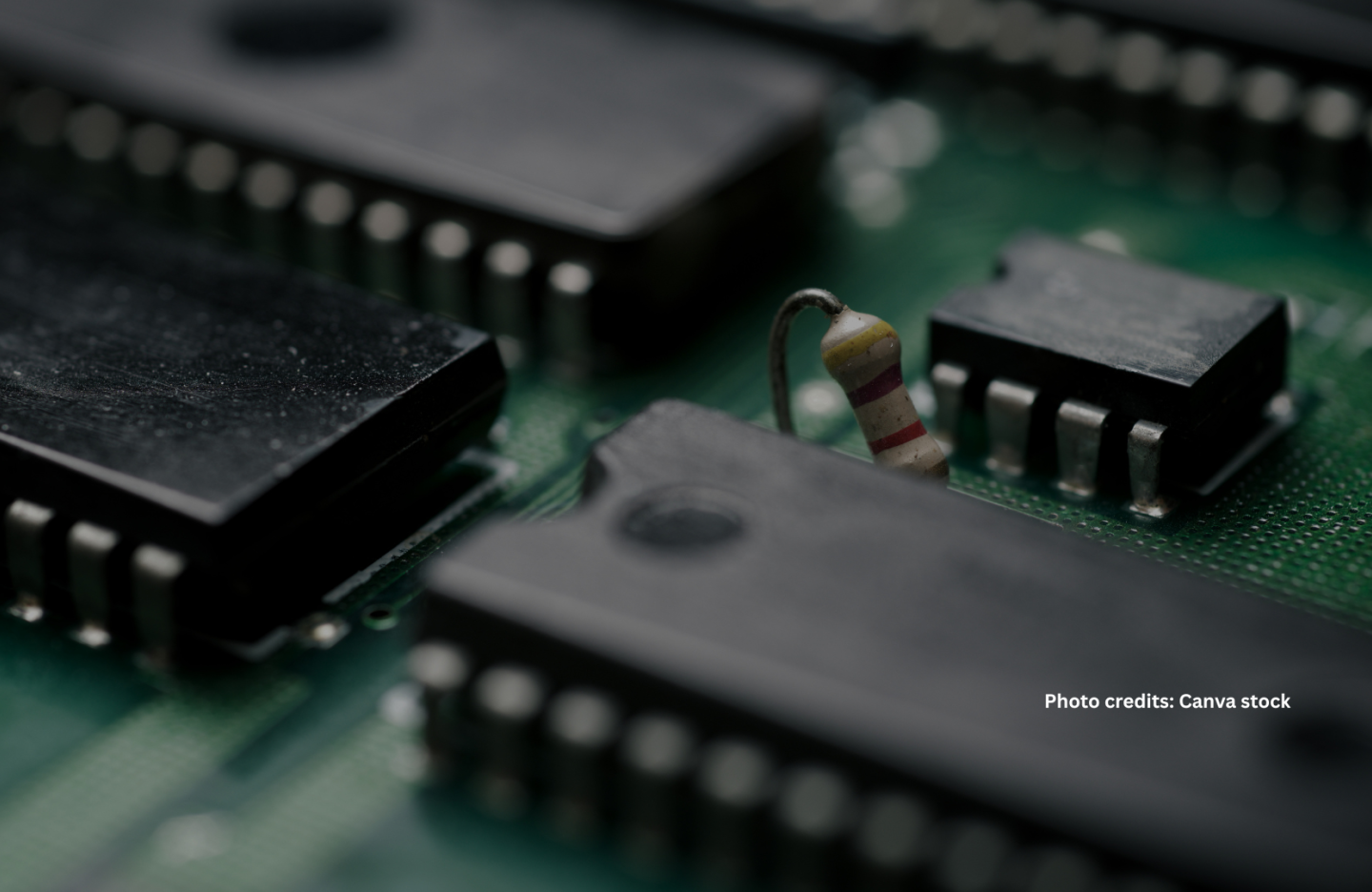
Research and development: Taiwanese technology company Foxconn is working with Dutch partners on the development of a high-speed indium phosphide photonic integrated circuit transmitter module. The project uses AI-assisted design to advance technologies for high-capacity optical communications. By bringing together Taiwanese system-development capabilities and Dutch expertise in integrated photonics, the collaboration supports innovation for future data centres, artificial intelligence and digital infrastructure.
Dutch Precision Week is a high-tech event focused on precision engineering, advanced manufacturing, and high tech technology in the Netherlands. It typically brings together international experts, companies, and organizations working in high tech industrie. We are approaching precision network organisations in Korea, Japan, Taiwan, Singapore, Vietnam, Brasil, USA, Europe.
SEMICON Taiwan is the most influential semiconductor event in Taiwan, reaching records high in terms of scale in its 30-years of history, attracting 1,200 exhibitors, using total 4,100 booths, and organizing over 20 international forums.
The NL Pavilion will offer a dedicated platform for Dutch SMEs to showcase their innovations, connect with Taiwanese partners and highlight the Netherlands’ strengths in high-tech systems, semiconductor equipment, components and advanced engineering.

Want to know more about how you can work together with the Netherlands to achieve your goals? Or how you can help contribute to or spread the word on campaigns, events and initiatives? Contact us directly at info@nlbranding.nl so we can help you connect to the right people.


