
In the spotlight
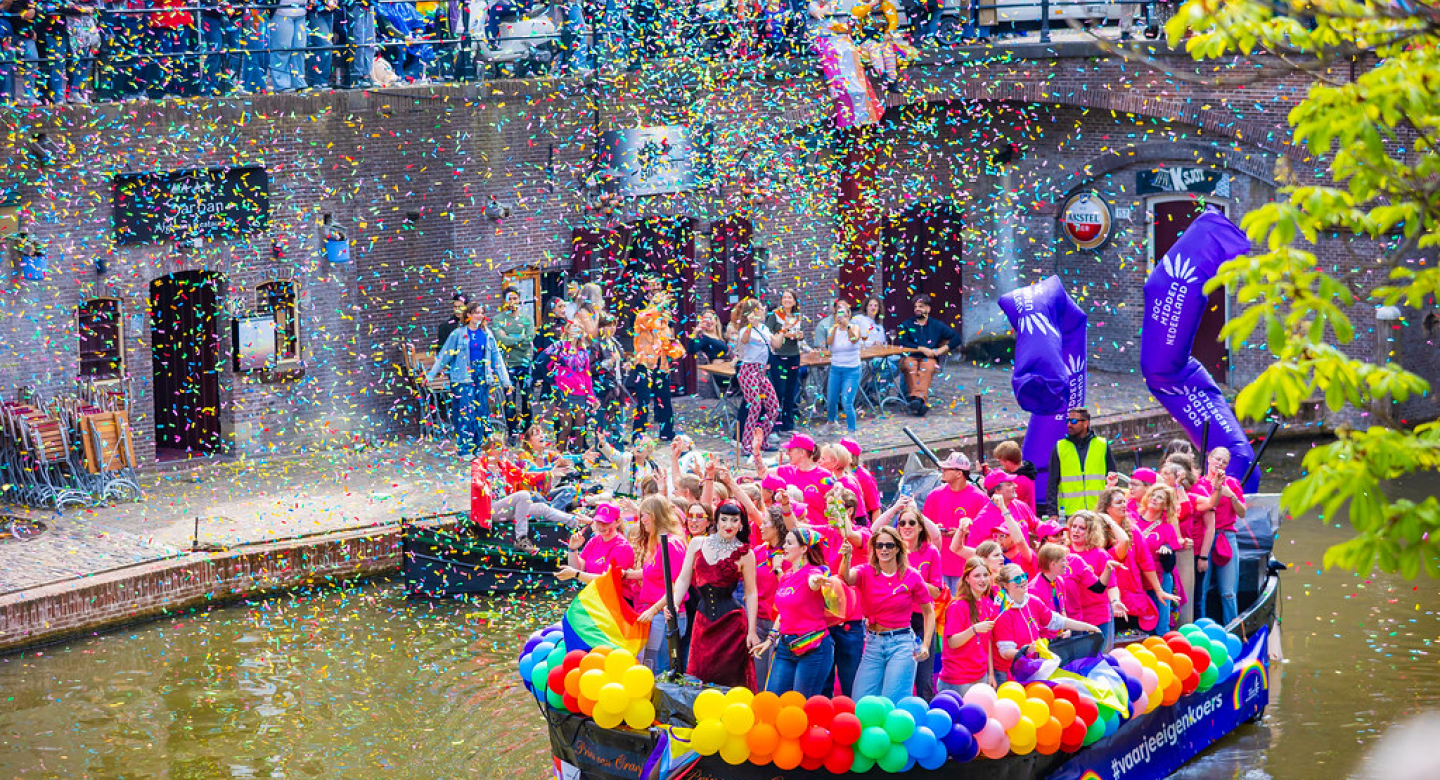
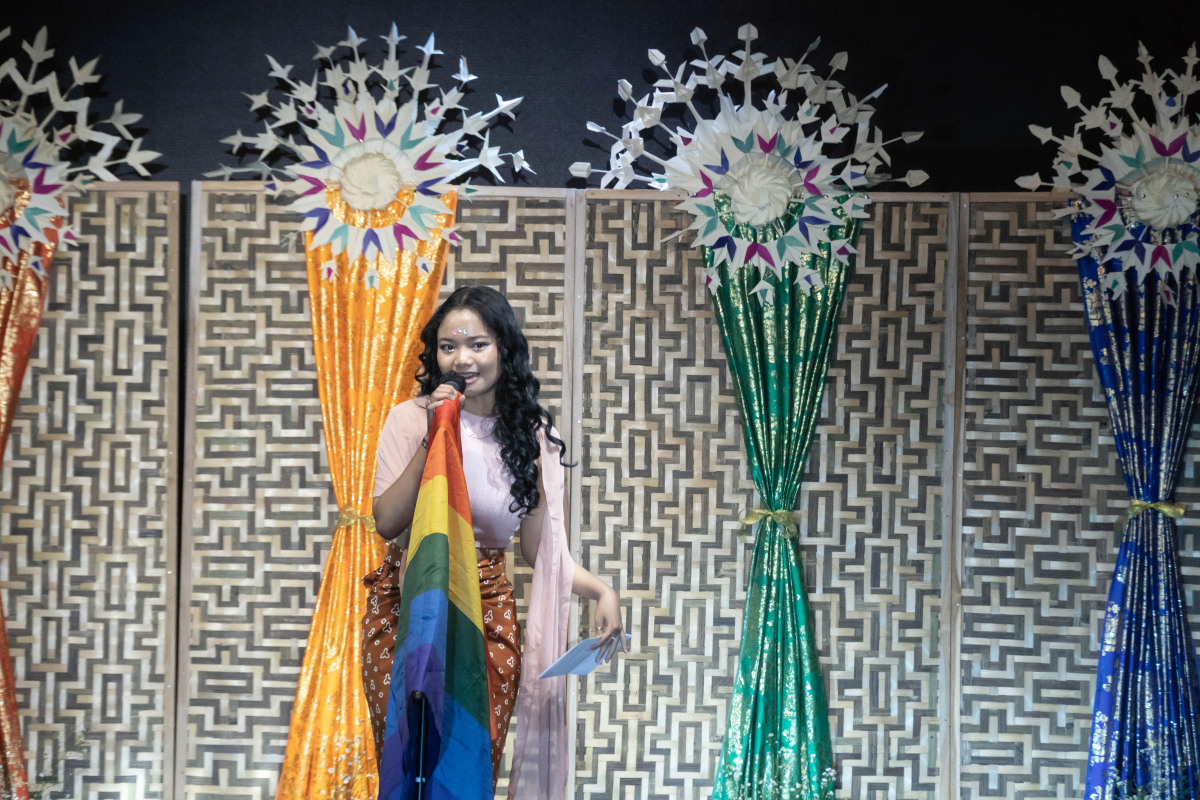
Every year, Pride Month brings colourful events to cities across the Netherlands. For many international visitors, these celebrations are often associated with Amsterdam’s canals, rainbow flags and an image of tolerance. But Pride reflects broader values, such as openness, freedom and the belief that everyone should be able to participate fully in public life. And this year, as Amsterdam prepares to host WorldPride, COC Netherlands marks its 80th anniversary. Founded in 1946, COC is the oldest existing LGBTQIA+ advocacy organisation in the world. Its history reflects how social change in the Netherlands has developed through cooperation between citizens, civil society and public institutions.
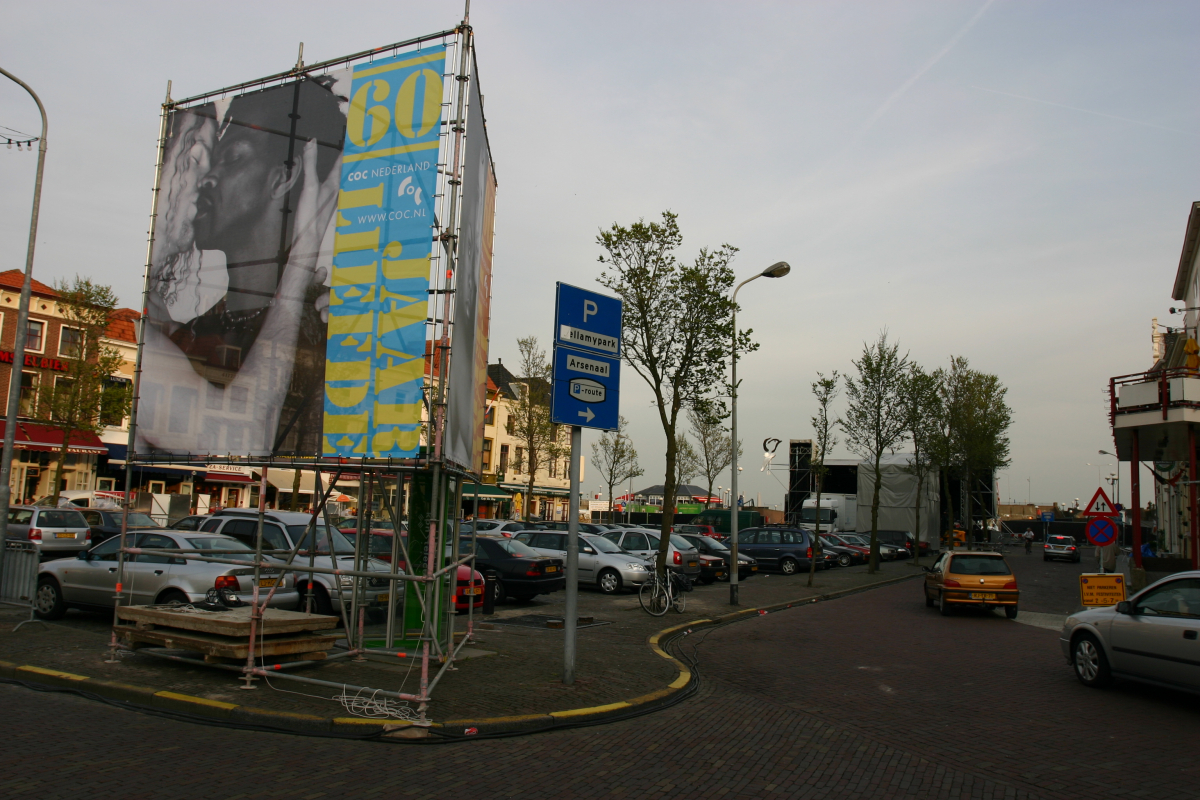
COC began in Amsterdam shortly after the Second World War, at a time when LGBTQIA+ people had little visibility and acceptance. It started as the Shakespeare Club, a discreet network for people who could not openly live as themselves. Over time, it grew into a national organisation linked to major social changes in Dutch society.
The Netherlands is often seen internationally as progressive, but that progress was gradual. Discrimination based on sexual orientation has been prohibited since 1994, and since 2019 this protection also includes gender identity, gender expression and sex characteristics. Earlier milestones include the 1971 reform of discriminatory legislation, marriage equality in 2001, adoption rights in 2009, and improved legal recognition for transgender people in recent years. These changes were not isolated decisions, but the result of long-term dialogue between advocacy groups, lawmakers and society. COC was part of that process throughout.
Education also played an important role. Since 2012, schools are required to address sexual and gender diversity. Today, more than 1000 schools have a Gender and Sexuality Alliance, and around 3000 participate in Paarse Vrijdag, a national day focused on visibility and inclusion. COC volunteers also deliver thousands of educational sessions each year.
This history underlines the meaning of the 80-year anniversary: inclusion is not a fixed achievement, but an ongoing process that requires continuous attention and shared responsibility.
Cooperation beyond borders
COC’s work extends beyond the Netherlands. International cooperation is a core part of its mission, supporting LGBTQIA+ organisations in more than 35 countries and working with global partners on human rights. This aligns with the Dutch tradition of international engagement through trade, diplomacy and exchange.
A clear example is the COCKTAIL Initiative, which supports LGBTQIA+ asylum seekers in the Netherlands. Through information, social activities and volunteer support, it assists people who have fled persecution based on sexual orientation or gender identity. It connects local support with an international human rights perspective. Freedom, in this view, is not only a national value, but one that gains meaning when extended to others.
Why WorldPride 2026 matters
The combination of WorldPride Amsterdam 2026 and COC’s 80th anniversary brings together several milestones: 80 years of COC, 25 years of marriage equality and 30 years of Pride Amsterdam. This is not only a moment of celebration, but also an opportunity to reflect on how inclusion is maintained and strengthened. WorldPride brings together governments, civil society, businesses and allies from around the world. In a time when human rights are under pressure globally, that exchange remains significant.
Amsterdam offers a fitting setting: a diverse city shaped by people from around 180 nationalities. In that sense, WorldPride 2026 is not only a Dutch event, but a meeting point for a shared belief that equality, dignity and freedom are universal values.
A story that continues
Celebrating 80 years of COC is not only about looking back. It is about recognising how inclusion remains part of an ongoing societal process. In the Netherlands, equal rights are shaped through cooperation between government, civil society, schools, businesses and local communities. Social progress is built collectively: through citizens who speak up, institutions that respond, and international cooperation. That is the broader message behind this anniversary and WorldPride 2026. In the Netherlands, inclusion is not a finished chapter, but an ongoing conversation.
An interview with Envy Peru, drag queen, make-up artist, presenter, actor, and Pride ambassador since 2022. As one of the Netherlands’ most celebrated queer figures, Envy Peru has become a symbol of visibility, artistry, and unapologetic authenticity. Through performance, media presence, and her role as a Pride ambassador, she continues to reshape the cultural landscape and inspire a new generation to embrace who they are. We spoke with her about Pride, visibility, and the future of inclusivity in the Netherlands. Read her answers below from our recent interview.
For me, without hesitation, it would be the Homomonument, (a memorial in the centre of Amsterdam commemorating all gay men and lesbians who have been persecuted). Not only because it is visually striking, but because of what it represents. I’ve noticed that many people, especially younger generations, don’t always know its history, which is exactly why we should continue to tell its story. The monument reminds us that being able to live and love openly is not something we can take for granted. It honours those who were persecuted, excluded, or harmed simply for being themselves, while also highlighting why equality, visibility, and respect remain essential today. The design’s triangular form carries powerful symbolism. It refers to the pink triangle that homosexual people were forced to wear in Nazi concentration camps, once a mark of exclusion, later reclaimed as a symbol of pride, strength, and resistance. That transformation from stigma to empowerment is precisely why the Homomonument is so meaningful to me. It connects past and present, and the freedom we are still fighting to protect.
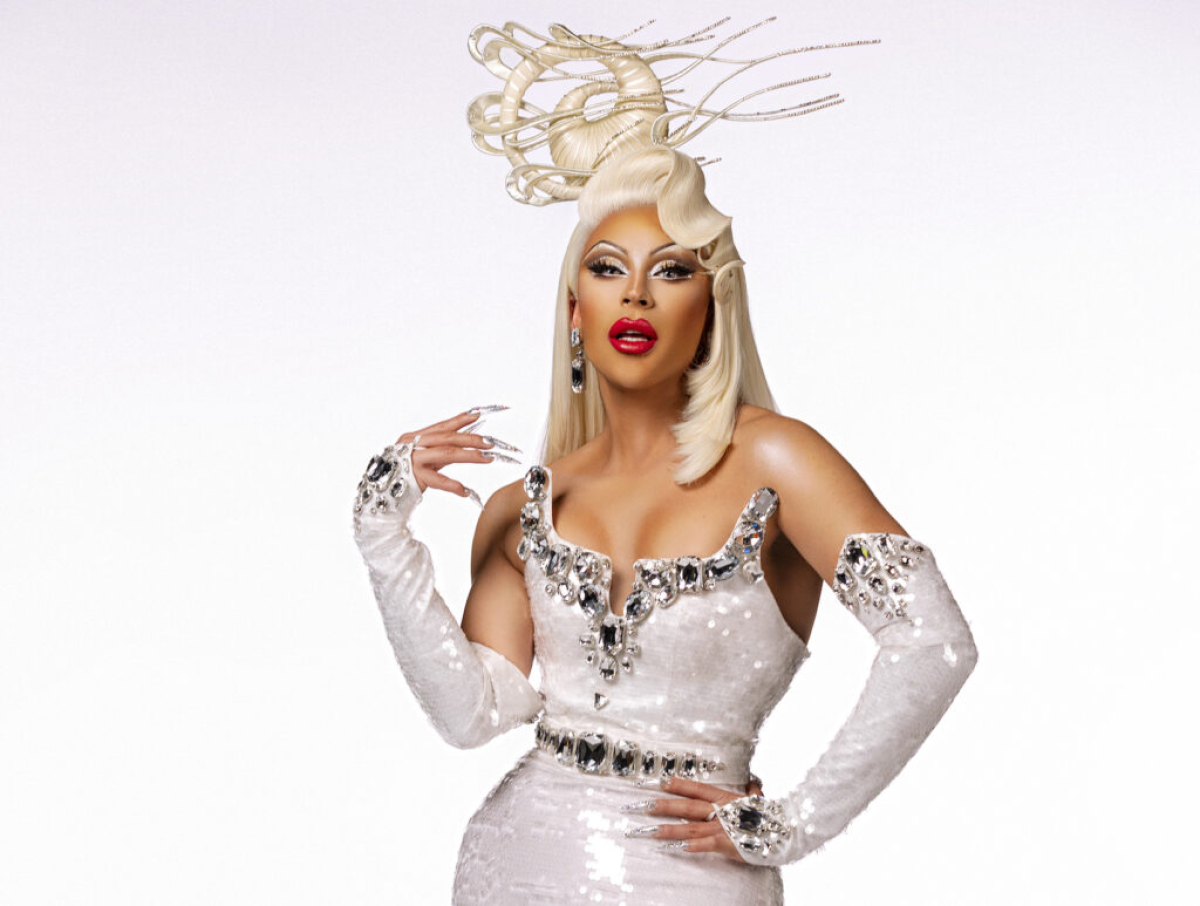
Pride is visibility, pride, and above all, self-acceptance. In my teenage years I wasn’t proud at all, in fact, I saw my queerness as a weakness. I carried inner shame and internalised homophobia for far too long. But when I truly began to accept myself, everything shifted. That was the moment the magic began. What I once considered a burden became my superpower, the force that shines through in who I am and in Envy Peru. I always say: ‘Being your authentic self is the greatest gift you can give yourself’.
Of course, that Pride mentality is visible during Pride events, where connection and celebration take centre stage. But I see it across Dutch society too; in role models, artists, allies, and people who speak up for inclusivity. Many of the country’s most beloved public figures come from the community or stand proudly beside it. What often unites us is a shared mission: adding colour to life, connecting people, offering hope, and showing that authenticity is something to be proud of. For me, Pride isn’t just a month or an event, it’s a mindset. It’s the courage to be visible, to make space for others, and to never shrink yourself.
“What often unites us is a shared mission: adding colour to life, connecting people, offering hope, and showing that authenticity is something to be proud of”
Absolutely, the moment that immediately comes to mind is performing at the 5 May Concert on the Amstel. I had the honour of delivering a message of freedom on national television, alongside The Dutch Tenors, and in the presence of the Dutch royal family, including King Willem-Alexander and Queen Máxima. For me, it was incredibly special. There was a clear sense of trust in allowing me to share a message on behalf of my community. To my knowledge, a drag queen had never been given such a platform at this national event, which made it even more meaningful.
Meeting the royal couple also felt like a moment of true openness; being seen, accepted, and allowed to be fully myself. And perhaps the most beautiful part was the support and love I received from across the country afterwards. In a world that can sometimes feel divided, that experience gave me genuine hope.
"Meeting the royal couple also felt like a moment of true openness; being seen, accepted, and allowed to be fully myself"
My feelings are mixed. For years we made enormous progress in visibility, acceptance, and equal rights. But in recent years, it has sometimes felt as though we’re moving backwards. I see it in the tone of public debate, both online and on the street, and particularly among younger generations. There is a lot of misinformation, and hatred often seems louder than understanding. Discrimination and violence against the LGBTQIA+ community have increased, and that’s not just a feeling, the data reflects it. Sadly, I’ve experienced it myself. That’s why I believe so strongly in investing in education, especially in schools. Inclusivity begins with understanding. When young people learn about diversity, identity, and respect, there is more room for empathy instead of fear or ignorance. We are not a trend, and we did not ‘suddenly appear’. We have always been here and always will be. We are human beings, with the same dreams, feelings, and rights as anyone else. For me, inclusivity succeeds only when no one has to wonder whether they are safe simply being themselves. Until everyone feels that freedom, we still have work to do.
"We are not a trend, and we did not ‘suddenly appear’"
What I love about the queer community is that we have always been innovators. We transformed art, fashion, performance, and creativity into tools for visibility and empowerment. We continue to find new languages to tell our stories - online, in culture, in media, and in the way we present ourselves to the world.
Innovation lies in creating visibility where people might not expect it. I express Pride by being present not only on queer stages, but in mainstream media, at national events, and in spaces where different worlds meet. As Envy Peru, I don’t just aim to entertain - I hope to spark conversations about freedom, identity, and self-acceptance. Sometimes activism alone doesn’t reach someone: art, performance, and representation can open hearts in a different way. If a person watches a performance or TV show and begins to think differently about queerness, that is impact. For me innovation is this: not waiting for space, but creating it ourselves.
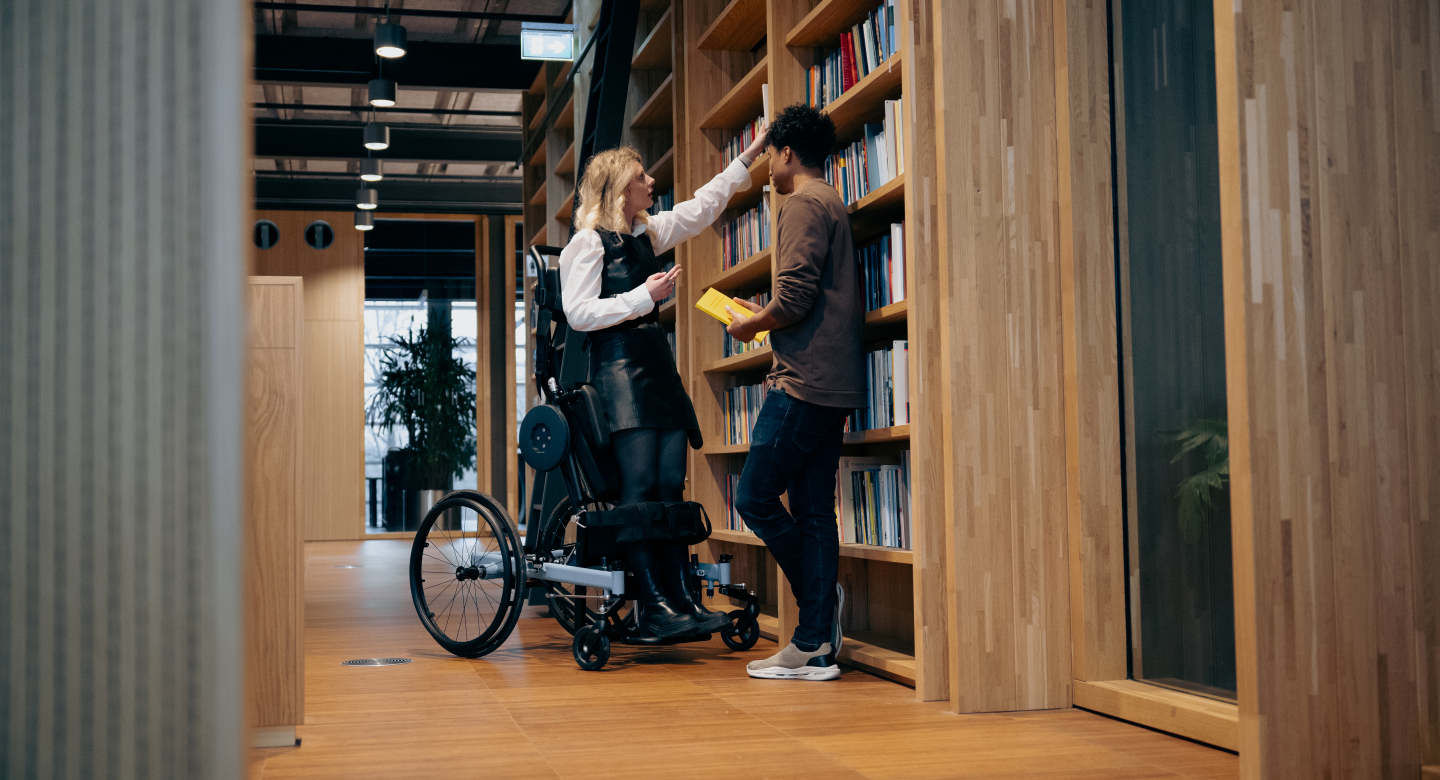
In the Netherlands, health isn’t defined only by medicine or technology, but by whether people can move, connect, and participate in daily life. This is the principle behind J58, a Dutch company building a wheelchair that allows users to stand, restoring independence in the most direct, human way possible. J58 began with an idea born in Brazil: create a wheelchair that would a former athlete stand again after paralysis. The concept became reality only once it reached Dutch soil. In Twente, the founding team found a uniquely practical innovation culture, one that values simplicity, user involvement, and solutions that work outside the lab as well as inside it.
With The Next Wheelchair from J58, users can meet others at eye height, interact more easily in public spaces, and reclaim moments that many people never think twice about. For many users, standing again is not simply a physical action, it is the return of agency, proximity, and a sense of equality in everyday life. Standing changes more than posture. It changes how people experience the world. The physical benefits are equally important: standing improves circulation, stimulates muscle activity, and supports healthier metabolic processes. The company’s mission is rooted in something deeply personal: restoring freedom.
Where many standing wheelchairs rely on heavy motors and batteries, J58’s team chose a different path. They built a lightweight, mechanical model powered by gas springs. The design enables controlled, precise movement without electronics, making the wheelchair easier to transport, more affordable, and far more accessible for everyday use. In typical Dutch fashion, the engineering is clever, streamlined, and driven by functionality rather than complexity. The result is a wheelchair that does not merely enhance mobility but helps users regain a sense of normality and presence in everyday environments, from supermarkets to workplaces to social settings.
Moving beyond medicine
J58’s approach reflects a broader Dutch philosophy: innovations only matter when they meaningfully improve daily life. Instead of beginning with technology and searching for an application, the design grew from the needs, routines and challenges of wheelchair users themselves. This mindset comes straight from Twente’s MedTech community. Engineers, clinicians and researchers collaborate closely, ensuring that prototypes are tested in realistic situations and adapted based on actual use, even when the insights come from small, unexpected details. The development process centres on usability: whether someone can transfer to a bed, navigate a toilet independently, or manoeuvre comfortably in a home environment. If a feature doesn’t help people live more easily, it doesn’t make it into the final design.
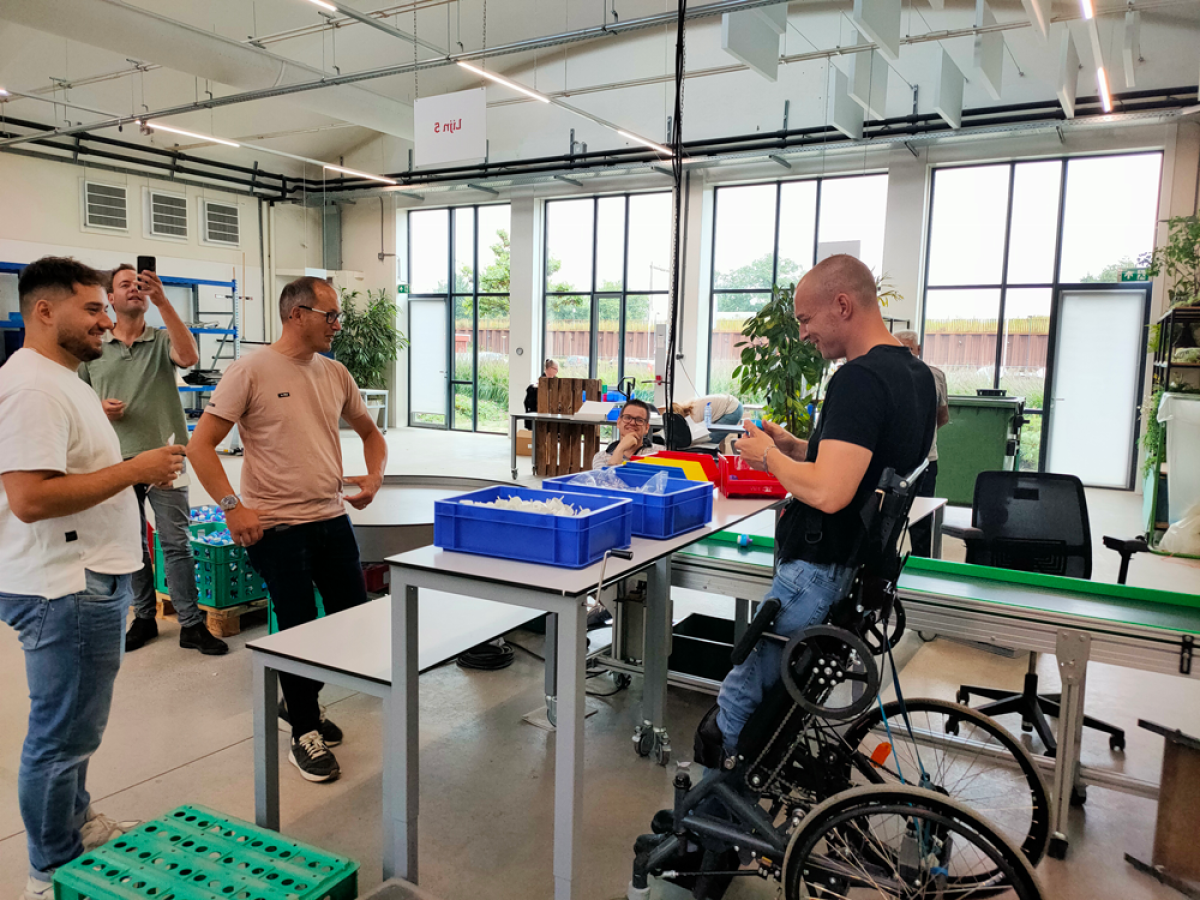
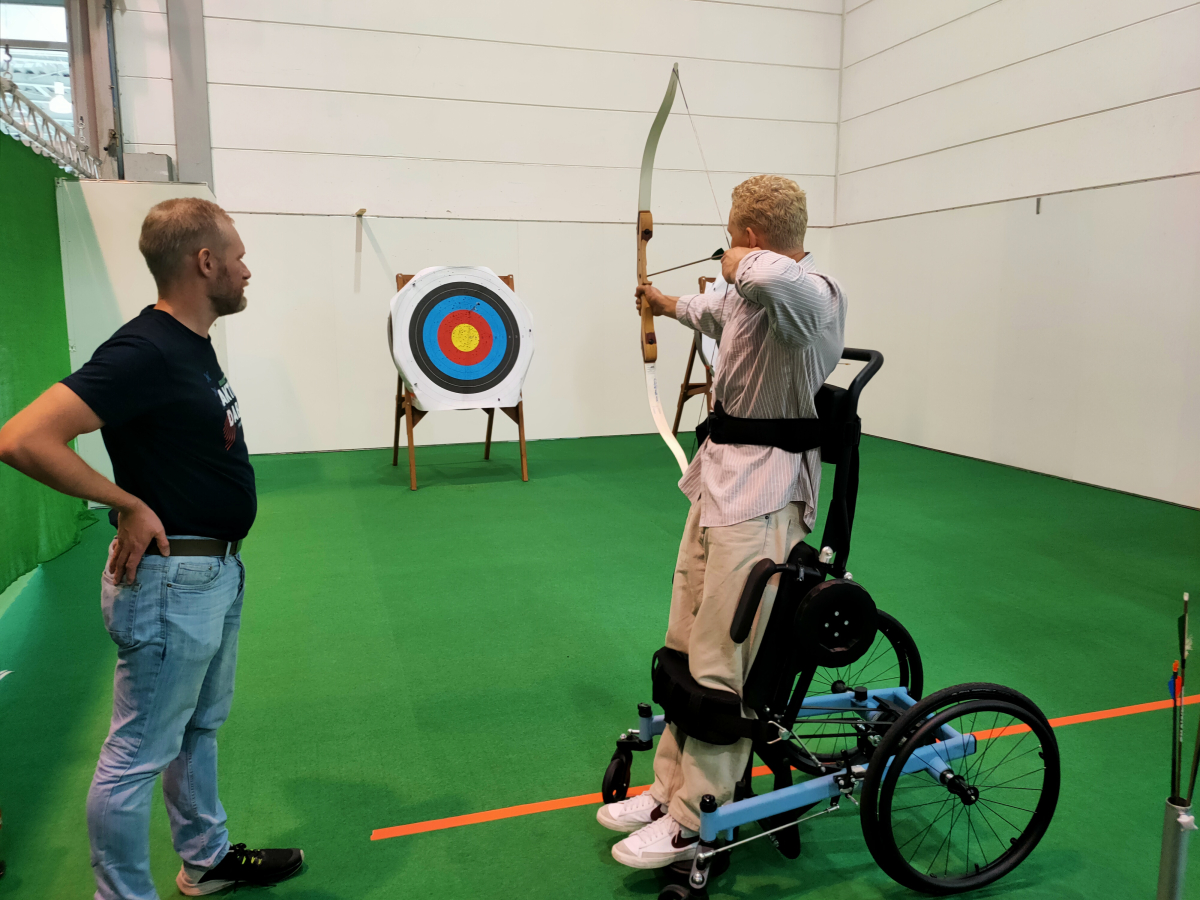
The Netherlands, and Twente in particular, is known for ecosystems where collaboration outweighs competition. Universities, startups, research institutes and established engineering firms work together across disciplines. In such an environment, J58 gained access to mentors, testing facilities, engineering expertise and a network of partners willing to pilot early prototypes.
This openness is a hallmark of Dutch innovation: people and organisations are accessible, practical, and motivated by societal benefit. The region’s entrepreneurial culture, especially around the University of Twente, accelerates ideas that serve a clear purpose. Here, health technology is not viewed as a product but as a shared responsibility.
When health innovation meets humanity
J58 is now preparing its first production run, with ambitions to bring the wheelchair to users worldwide. The Next Wheelchair shows what happens when engineering, care, and lived experience come together, guided by the Dutch belief that health innovation should be inclusive, practical, and centred on real people. In the Netherlands, we design health for everyone. That’s New Dutch!
Does #newdutch spark an interest or a golden idea with you? We love hearing from you! You can email us at newdutch@nlbranding.nl.
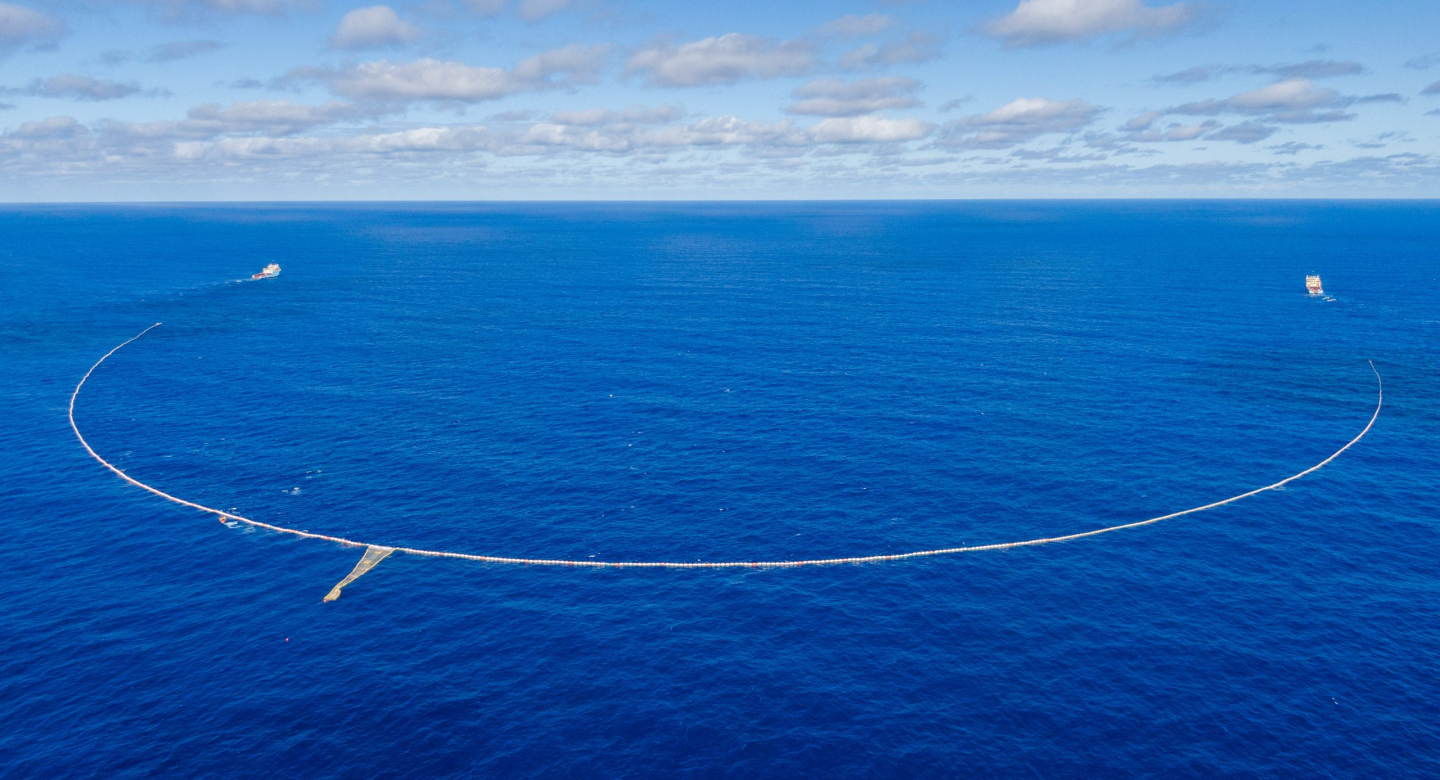
Plastic pollution is one of the most visible threats to marine ecosystems. It harms wildlife, damages coastal environments and breaks down into microplastics that are increasingly found throughout the food chain. The Ocean Cleanup, founded in the Netherlands by Boyan Slat, is working to tackle the problem from two directions: removing plastic already accumulated in the ocean and stopping new plastic before it reaches the sea.
The organisation first became known for its clean-up systems in the Great Pacific Garbage Patch, where large amounts of floating plastic have collected over decades. Its latest ocean system is designed to concentrate plastic so it can be collected, brought back to land and processed responsibly.
The Ocean Cleanup has since expanded its focus upstream. Rivers, canals and coastal waterways are major pathways for plastic waste into the ocean. To address this, the organisation developed interceptor solutions: technologies designed to capture plastic in waterways before it reaches the open sea.
The Interceptor is still part of The Ocean Cleanup’s work, but the approach has evolved. What started with individual river deployments has become a broader, data-driven model adapted to local conditions. The organisation now studies how plastic moves through specific rivers and coastal areas before deciding which solution can have the greatest impact. This includes the use of drones, cameras, GPS tracking and artificial intelligence to map plastic flows and identify the best points for intervention.
The Ocean Cleanup is now scaling this approach through its 30 Cities Programme. The programme focuses on some of the most polluting urban areas in Asia and the Americas, where plastic often enters waterways before flowing into the ocean. Rather than treating each river as a separate project, the programme looks at entire cities and their surrounding waterways. This allows The Ocean Cleanup to combine Interceptor solutions with local partnerships, waste-management systems and catch-processing facilities. A recent example is the expansion of its work in Greater Los Angeles, where new Interceptor barriers are being added in the LA and San Gabriel Rivers to complement existing operations in Ballona Creek. The aim is to stop plastic before it reaches the Pacific Ocean.
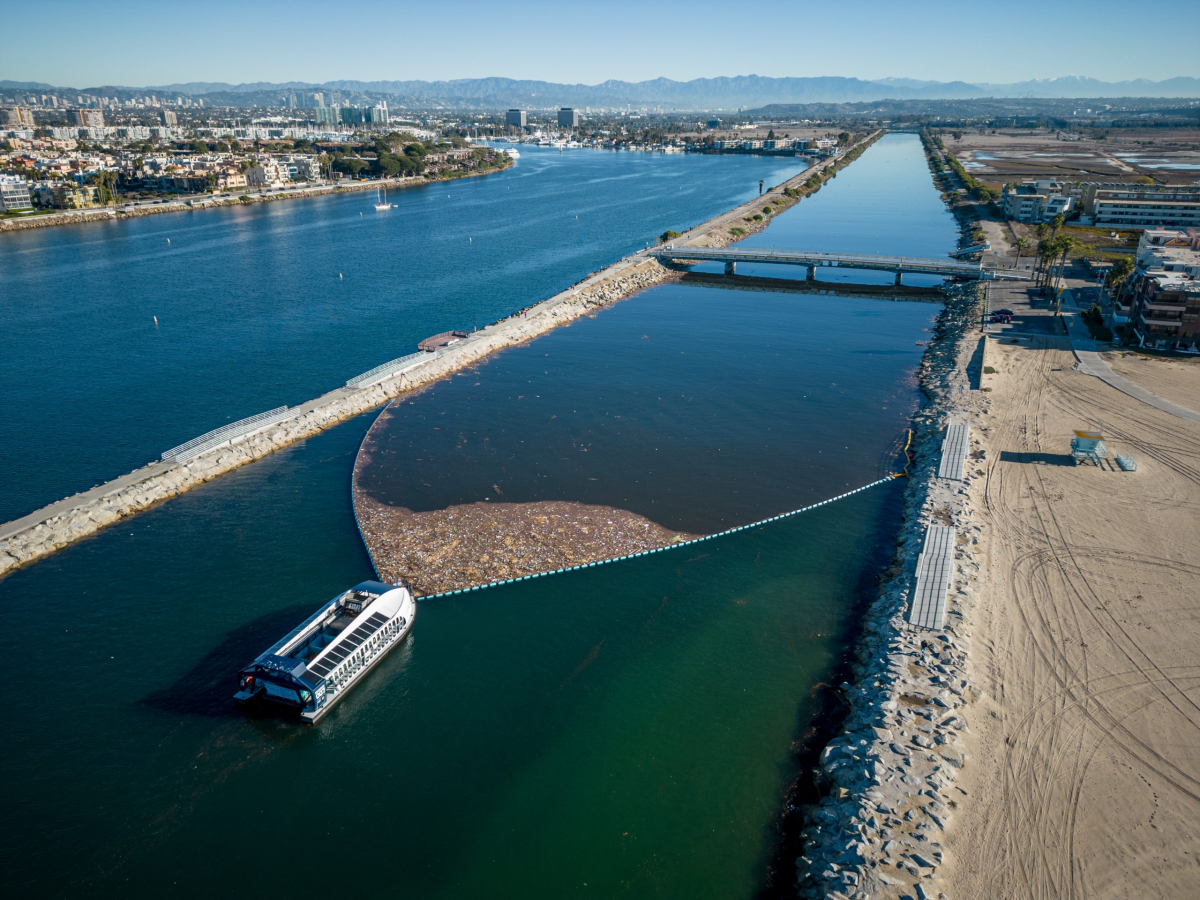
The Ocean Cleanup shows how Dutch innovation can contribute to a global environmental challenge. Its work combines engineering, research, data and international cooperation to address plastic pollution both at sea and far upstream. While the challenge remains large, the direction is clear: cleaner oceans require action across the full system.
Across the Netherlands, innovators are developing solutions to protect and restore marine ecosystems. From large-scale seaweed cultivation initiatives such as European Seaweed Association, to pioneering water technology startups, Dutch innovation continues to contribute to healthier oceans worldwide.
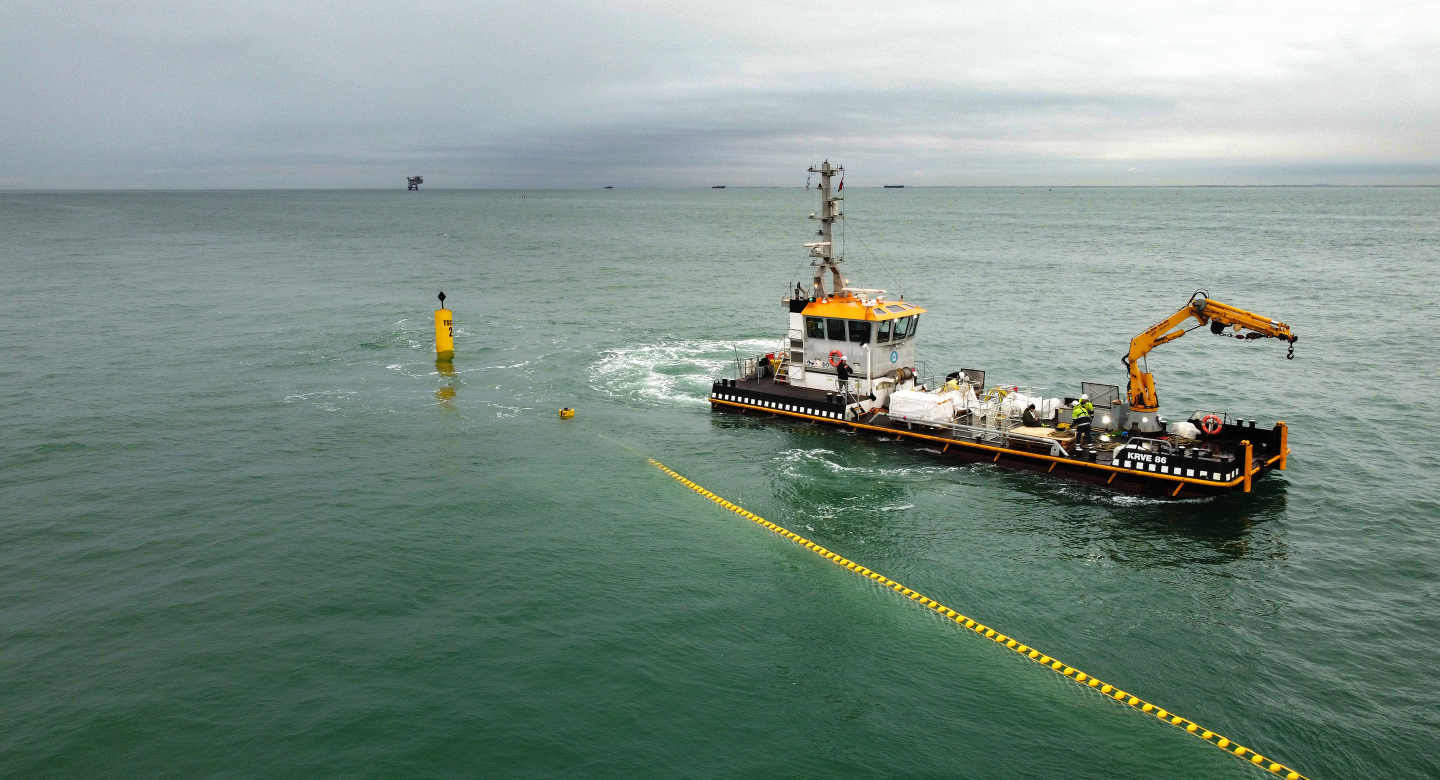
What if one of the most promising materials for the future is growing in the sea? The Dutch relationship with the sea has always been about more than keeping water out. For centuries, we have looked at the sea as a source of opportunity: a place to trade, innovate and build prosperity. Today, this mindset is inspiring a new industry. At Seaweedland in Heerhugowaard, we discover how a Dutch-grown crop from the sea is opening up new possibilities for food, materials and industry. Not on land, but in the waters of the North Sea, where seaweed is emerging as one of the most promising sustainable resources of the future.
At the heart of this movement is the European Seaweed Association (ESWA), helping to transform a niche sector into a thriving European industry. Seaweed is remarkable because it asks for very little while offering a great deal in return. It grows without farmland, fresh water, fertilisers or pesticides. It absorbs nutrients from the sea, captures carbon as it grows and can be turned into an astonishing range of products. From food ingredients and animal feed to textiles, packaging materials, paints and biobased construction products, seaweed has the potential to reshape how we produce and consume. In a world facing growing pressure on land, water and natural resources, it offers an entirely new way of thinking about sustainable growth.
The challenge is that the seaweed industry has long been trapped in a familiar cycle. Without large-scale production there is no market demand, and without market demand there is little incentive to invest in large-scale production. ESWA was created to help break that deadlock. Bringing together businesses, researchers, policymakers and innovators from across Europe, the organisation works to create the connections, knowledge and conditions needed for the sector to grow.
The seaweed network
What started as a Dutch initiative has evolved into a European network of more than 130 members, all working towards a shared vision: making seaweed a mainstream ingredient in the products and industries of tomorrow. One of the most ambitious examples of this vision can be found eighteen kilometres off the coast of Scheveningen. There, within the offshore wind farm Hollandse Kust Zuid, ESWA's predecessor North Sea Farmers launched North Sea Farm 1, the world's first commercial-scale seaweed farm operating between offshore wind turbines. Developed in collaboration with Simply Blue Group, Van Oord, Algaia and Amazon, the floating farm explores how food production, renewable energy and ecosystem restoration can coexist in the same space. Researchers are studying not only how seaweed cultivation can be scaled efficiently, but also its potential to capture carbon and support marine biodiversity.
The project reflects a distinctly Dutch approach to innovation. Rather than seeing the North Sea as a place with competing interests, it becomes a place where multiple solutions come together. Wind farms generate clean energy. Seaweed farms produce sustainable raw materials. Scientific research measures environmental impact. Industry partners create new applications. The result is a system where economic growth and ecological regeneration reinforce one another.
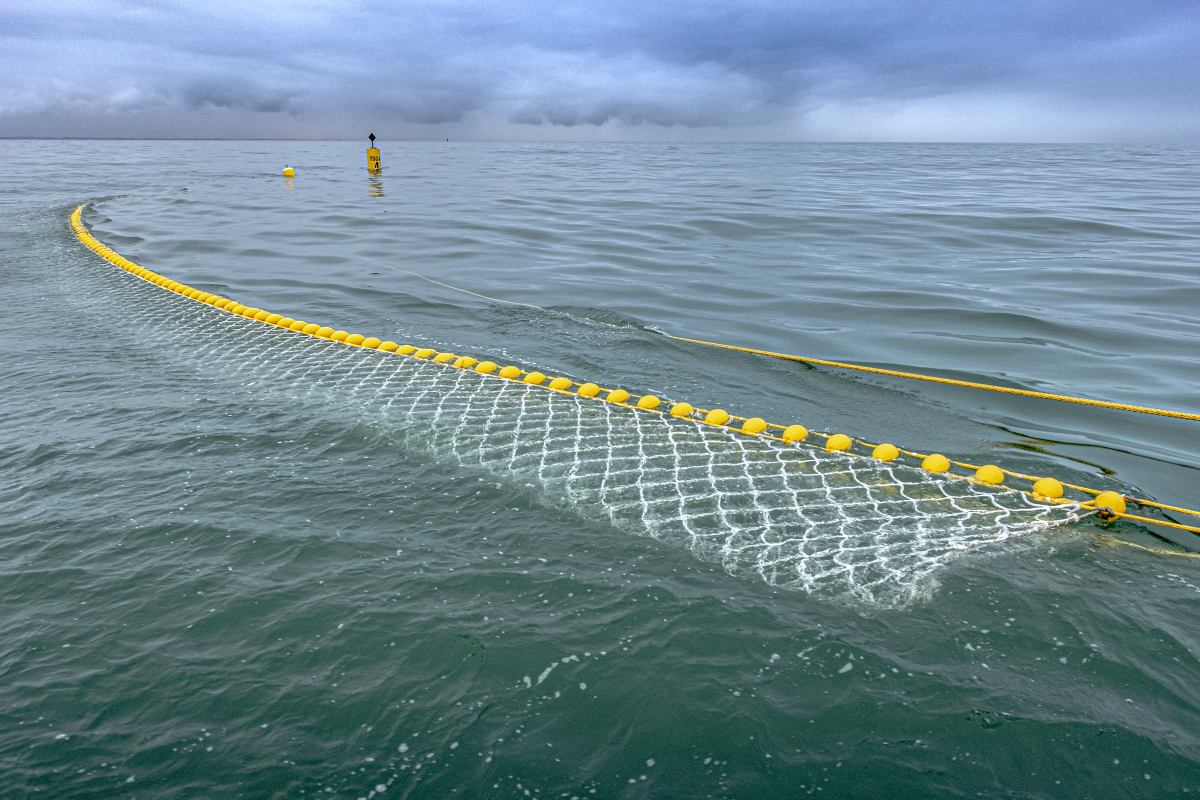
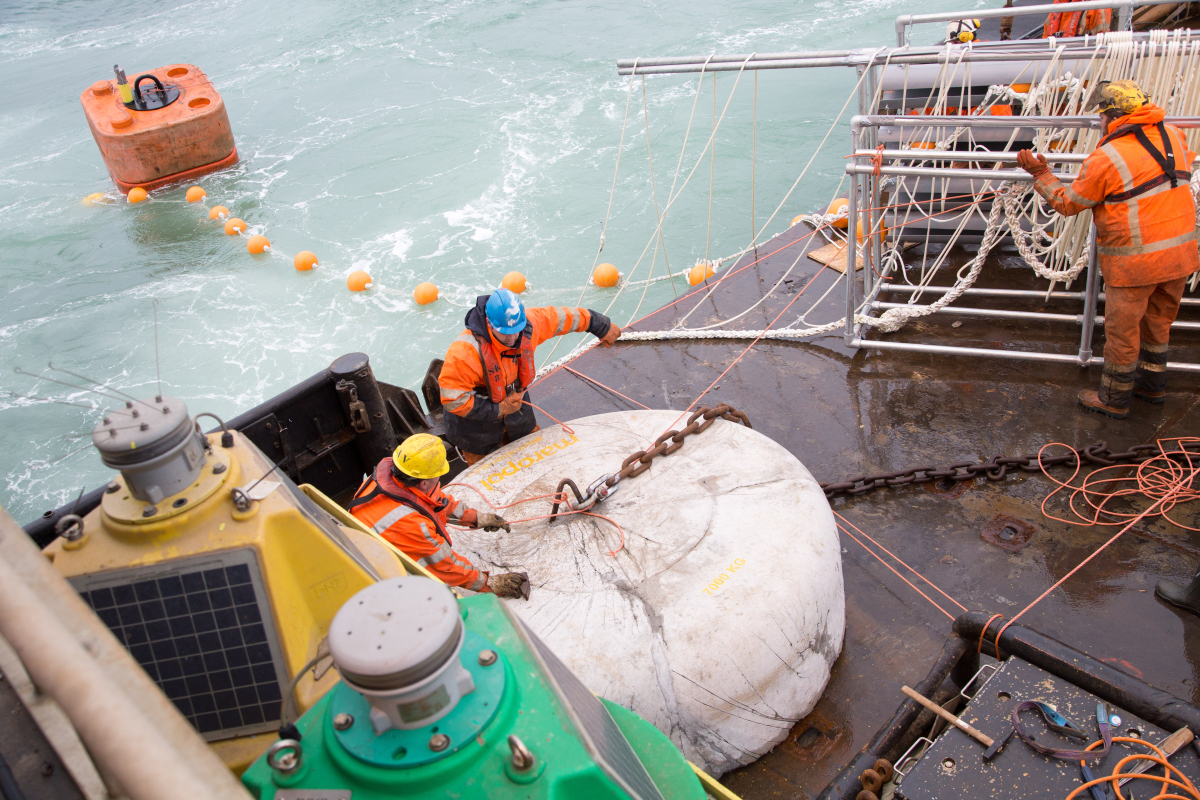
A natural replacement for resource-intensive ingredients
Those applications are already becoming visible in everyday life. Seaweed is finding its way into burgers served at Formula 1 events, hybrid meat products, sustainable packaging, paints, textiles and innovative building materials. Companies across Europe are experimenting with seaweed-based alternatives that reduce environmental impact without compromising performance. In each case, seaweed replaces resource-intensive ingredients with something that grows naturally in the sea.
The Netherlands has proven to be fertile ground for this movement. A strong innovation ecosystem, support from regional governments, knowledge institutions and financial partners has given entrepreneurs the space to test, improve and scale new ideas. The goal is not to keep seaweed as an experimental niche product, but to make it a normal part of how we produce food, materials and consumer goods. By creating markets, connecting partners and accelerating innovation, the organisation is helping to turn that vision into reality.
The story of seaweed is ultimately a story about seeing opportunity where others see empty space. It is an industry that connects water, food, circular materials and climate solutions in a single ecosystem. By turning seaweed into solutions for food, materials and industry, ESWA shows how one natural resource can open up an entirely new future.
Does #newdutch spark an interest or a golden idea with you? We love hearing from you! You can email us at newdutch@nlbranding.nl.
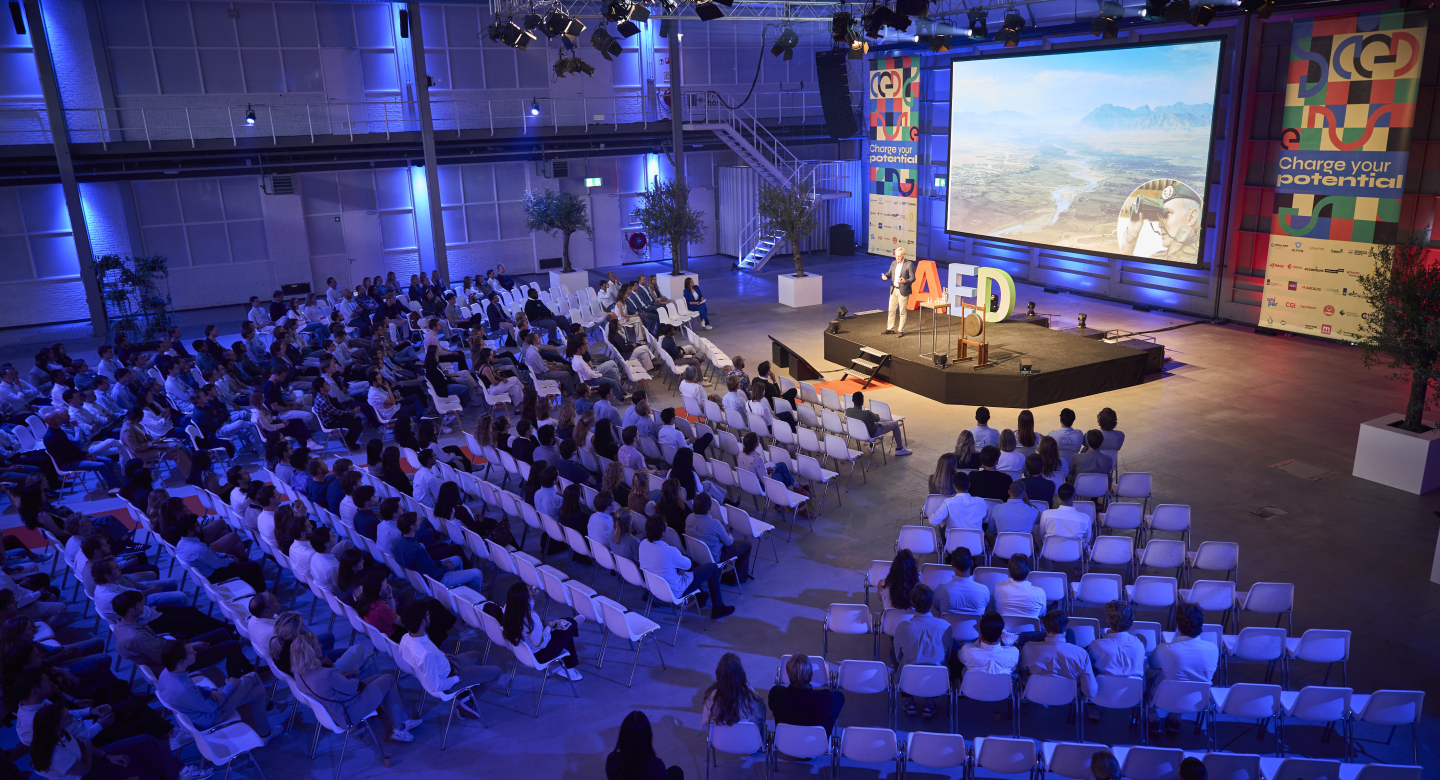
Young energy enthusiasts and sustainability changemakers demonstrate their pioneering spirit at All Energy Day every year in May. With the latest theme 'Power the next step', this interdisciplinary event brings together over 500 students, young professionals, and leading companies to build bridges, exchange ideas, and empower the next generation of energy innovators.
All Energy Day is a dynamic platform that unites academia, industry, and the vibrant minds eager to shape the energy transition. The theme divers every year, but the recent theme 'Power the next step' emphasises empowerment, innovation, and moving forward in the energy transition. The event aims to inspire the next generation to take a leading role in shaping a sustainable future by connecting them with representatives from industry, politics, and academia.
Keynote speech from the Climate General
2025 Climate General Tom Middendorp, famously known as 'The Climate General', captivated the audience with his inspiring address on energy security. Drawing from his distinguished military career and his commitment to sustainable projects, he emphasised that while securing energy may seem straightforward, it requires bold thinking and practical action. His core message, "Think big, act small, start somewhere", reminded participants that every action counts in our global energy transition.
2026 Meteorologist Gerrit Hiemstra, former weather presenter for NOS and renowned meteorologist, engaged the audience with an insightful presentation on the current state of our climate and the challenges that lie ahead. Drawing on his extensive expertise, he explored future climate developments and highlighted practical solutions to help mitigate climate change. His well-founded and inspiring message encouraged students to reflect on their own role in creating a more sustainable world, demonstrating how informed action today can shape a better future for generations to come.
Pitch competition for start-ups
Every year, a highlight of the programme is the start-up pitch competition, where promising entrepreneurs present innovative solutions for the energy transition. Alongside a €5,000 cash prize and a Market Readiness Programme, the competition provides a platform for the next generation of innovators to showcase their ideas. In 2025, LogiCarbon Solutions B.V. impressed the jury with its breakthrough approach to carbon movement, and the 2026 winner is Hymonic for its innovative contribution to a more sustainable energy future. These start-ups demonstrate how entrepreneurial talent and bold ideas can help accelerate progress towards net-zero ambitions.
TED-style talks and expert debates
The 2025 edition featured TED-style talks that challenged conventional thinking and established norms. Notably, Ilse Gosliga addressed the role of women in leadership and the power of collaborative climate strategies. In a thought-provoking debate on carbon credits and the voluntary market, experts from NVDE, Regreener and Shell, alongside an independent journalist, explored the complexities and opportunities within sustainable finance.
Interactive workshops and exhibition floor
Beyond presentations, the day was rich with practical engagement. Workshops enable students to work alongside company representatives to solve real-world challenges, while the exhibition floor serves as a vibrant hub for networking and innovation demonstrations throughout the day.
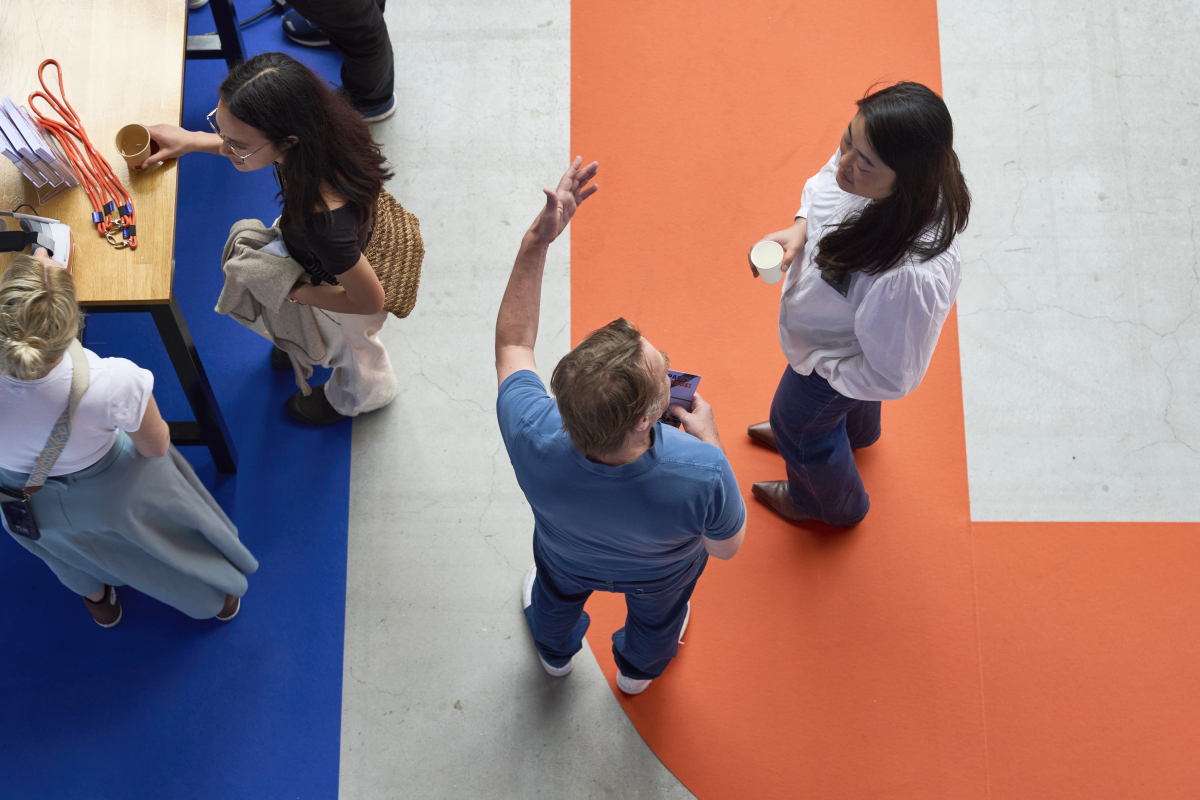
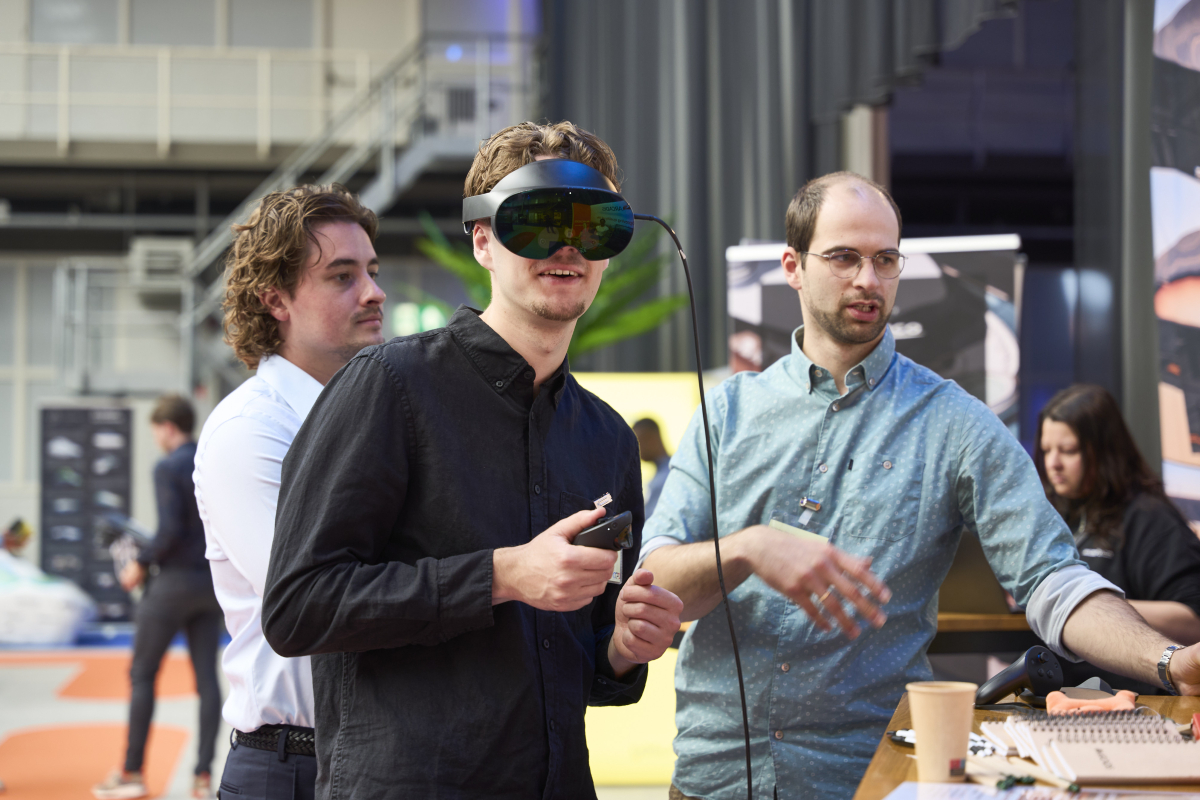
The 'Power the next step' theme comes to life as students connect with industry innovators through interactive workshops and spontaneous conversations on the exhibition floor. "The All Energy Day was a turning point; I got in touch with Statkraft, which led to a graduation internship", shared Berend Tideman, demonstrating that these connections are not only inspiring but can also be career-defining.
By bringing together the bright minds of tomorrow with today's industry leaders, the event does not simply discuss the energy transition; it actively builds the networks that help drive it forward. Job Vlak, an MSc Applied Mathematics student, reflected, "The event was a valuable opportunity to meet innovators in the energy sector. It opened my eyes to the role that is set out for us in contributing to the energy transition".
At its core, All Energy Day is about human potential; celebrating individual contributions to a common goal. Whether through the inspiring messages of seasoned experts or interactive sessions that paired students with leading companies, the event reinforces the idea that everyone plays a part in driving the energy transition.
Looking ahead, the baton is being passed to a new group of dedicated organisers who will shape the forthcoming fifteenth edition. Their mission remains unchanged: to unite the key players in the energy transition and ensure that the Netherlands continues to nurture tomorrow's energy and sustainability leaders.
Want to know more about how you can work together with the Netherlands to achieve your goals? Or how you can help contribute to or spread the word on campaigns, events and initiatives? Contact us directly at info@nlbranding.nl so we can help you connect to the right people.


