
In the spotlight
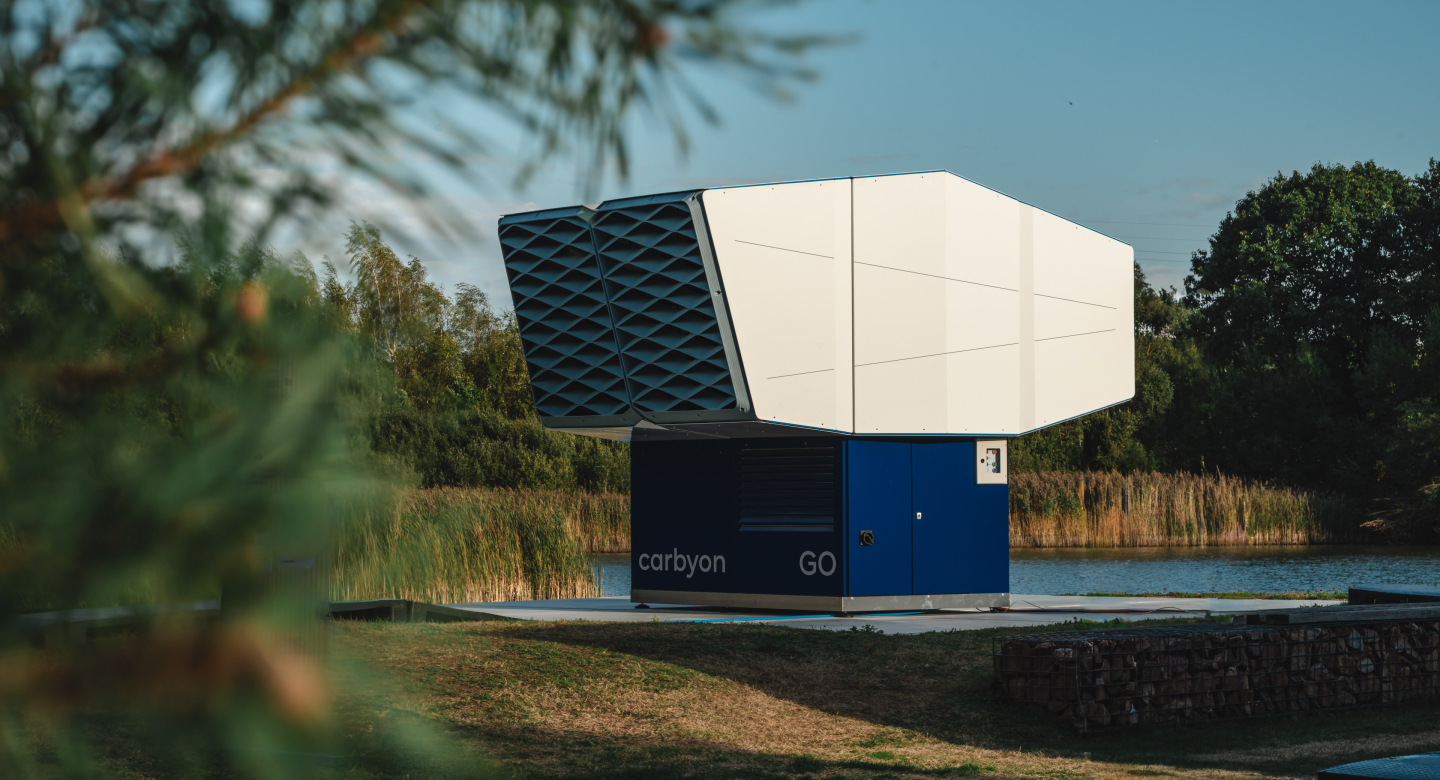
Imagine a machine that can clean the air around us, much like a vacuum cleaner on the floor. That’s exactly what Carbyon has unveiled with the Carbyon GO, a breakthrough device that could transform how we remove CO₂ from the atmosphere. The Carbyon GO works much like a high-powered vacuum. But instead of dust, it pulls CO₂ molecules directly from the air using a special filter material. Just one kilogram of this material can capture up to three tonnes of CO₂ a year; that’s the same as around 150 trees! Most impressive of all is its speed. The filter can fill up to 90% with CO₂ in just 100 seconds, a pace that traditional DAC systems can’t match.
Carbyon’s laboratory is based at the High Tech Campus in Eindhoven, in the southern part of the Netherlands. This is one of the world’s leading centres for research and innovation. Here, engineers and scientists study how the sorbent materials absorb and release CO₂, while also testing the precision components that make the machine run efficiently. Carbyon launched its first outdoor system at a dedicated test site in 2025. In 2026, the company was acquired by British company Airhive, with High Tech Campus Eindhoven becoming the main European R&D centre for the combined technology.
The next steps in carbon capture
Carbyon’s innovation is a promising step toward removing carbon from the atmosphere. But while the technology is exciting, it’s only part of a much bigger picture. To truly tackle climate change, our first priority must be to reduce the amount of CO₂ we emit in the first place. At the same time, we need effective ways to remove the CO₂ that is already in the air. Solutions that can balance what remains and gradually help to restore the planet’s natural systems.
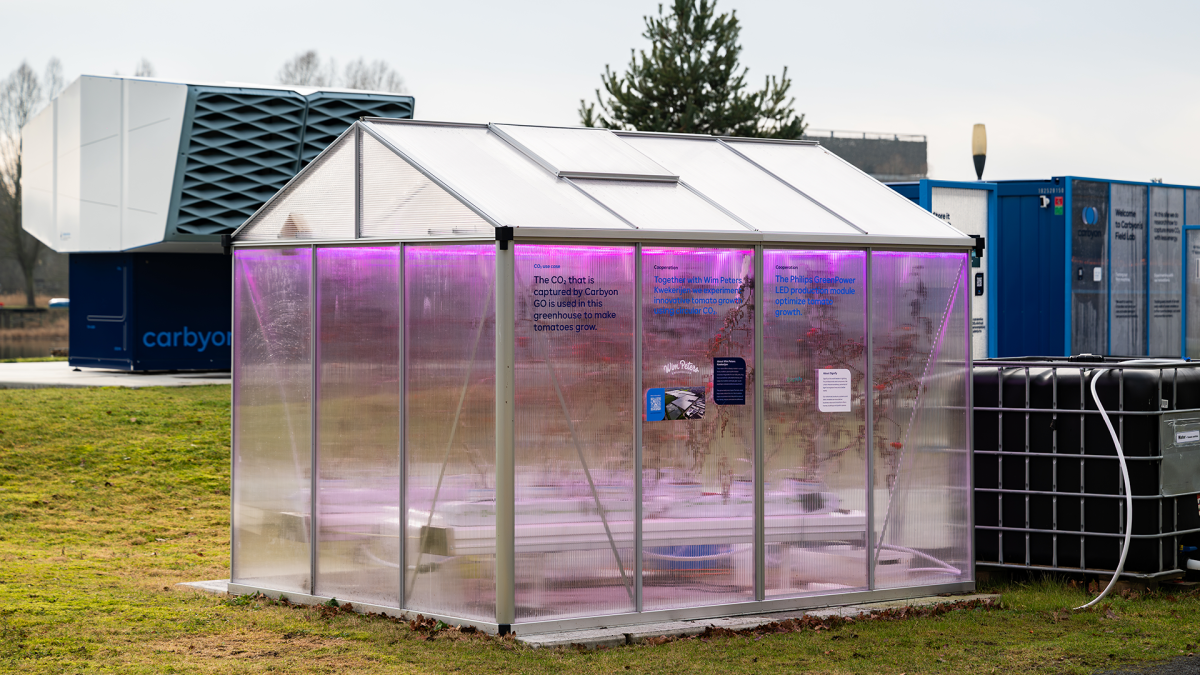
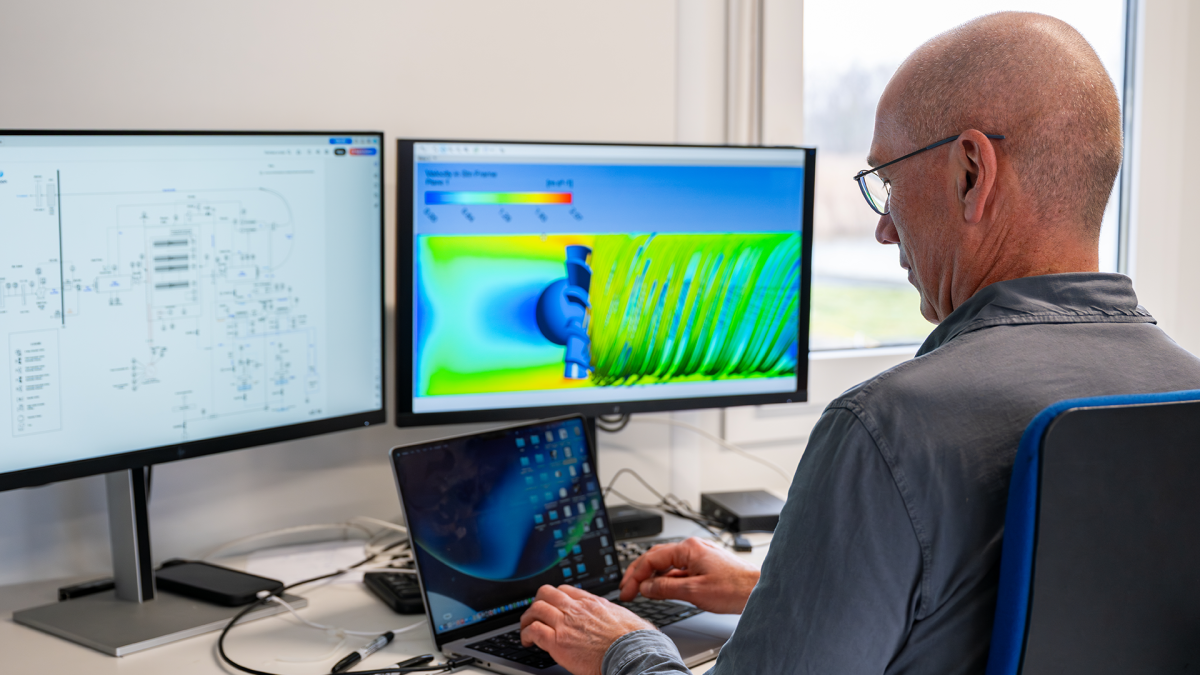
Right now, one major challenge is energy use. Many current machines require more power to operate than the amount of CO₂ they can capture, especially if that energy comes from fossil fuels. In other words, this early ‘vacuum cleaner for the sky’ is not yet a full climate solution. That’s why Carbyon’s next prototype is such an important step. The team aims to cut energy use by up to three-quarters and eventually power the systems entirely with renewable energy. Calculations made together with Radboud University show that under those conditions, the total climate impact, even when including the production of steel and other materials, will be positive.
Turning pollution into possibility
So this is just the beginning. The Carbyon GO is a first-generation machine designed to prove that the concept works. It will be deployed in locations around the world with the greatest potential for renewable energy, for example desert regions where deep geothermal heat can be harnessed, and clean energy can be generated efficiently. By 2032, Carbyon aims to roll out these machines worldwide, in regions rich in renewable energy like geothermal hotspots. Capturing greenhouse gases will always be a challenge, but research is crucial. And Carbyon’s technology, developed in Eindhoven, is continuing to make remarkable strides as part of a broader European effort to scale direct air capture. That’s #newdutch!
Does #newdutch spark an interest or a golden idea with you? We love hearing from you! You can email us at newdutch@nlbranding.nl.
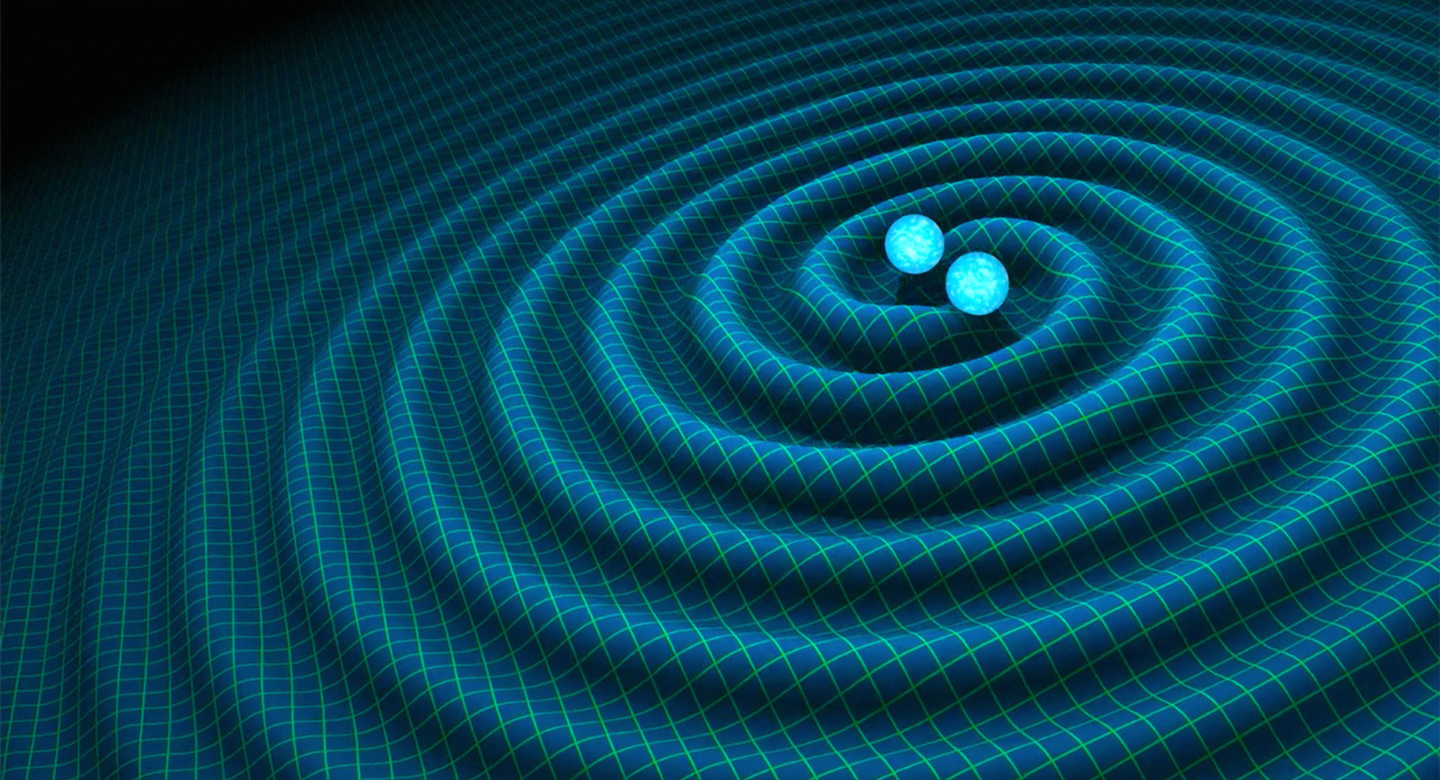
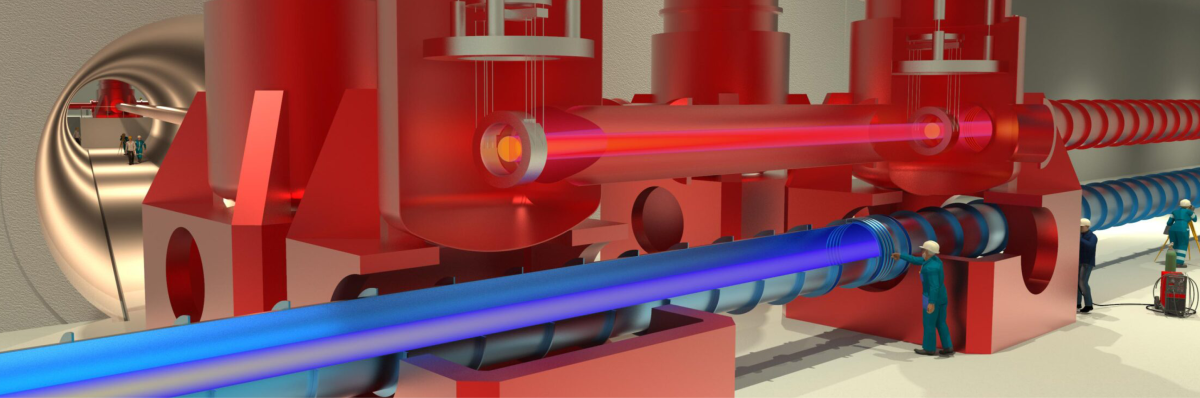
In Maastricht, a unique research hub is reshaping how we understand the cosmos. ETpathfinder is the testing ground for the Einstein Telescope, Europe’s next-generation underground gravitational wave observatory.
Here, researchers are developing the ultra-precise instruments and sensors that will allow humanity to ‘listen’ to the universe itself. And that isn’t science fiction. Every mirror, every laser, every sensor at ETpathfinder must operate at unimaginable precision; some so sensitive they measure distortions smaller than the diameter of a proton. To achieve this, ETpathfinder pioneers cryogenic technology, cooling silicon mirrors to near absolute zero to silence even the tiniest vibrations. Only then can the faintest whispers of gravitational waves be detected.
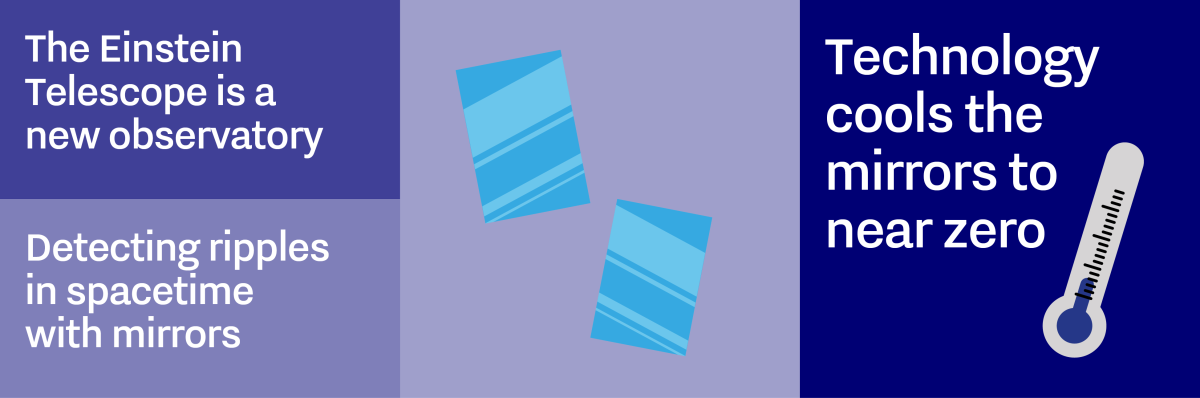
ETpathfinder is a bridge between Earth and space. The expertise developed here is shaping next-generation space missions, including ESA and NASA’s LISA telescope, designed to detect ripples in spacetime across the galaxy. The cryogenic systems, ultra-stable optics, and quantum-enhanced measurements tested in Maastricht are setting the stage for instruments that will explore the universe in ways previously unimaginable. Dutch institutes like Nikhef, Maastricht University, SRON, and TNO bring decades of expertise in laser communication, precision optics, and quantum technology together under one roof.
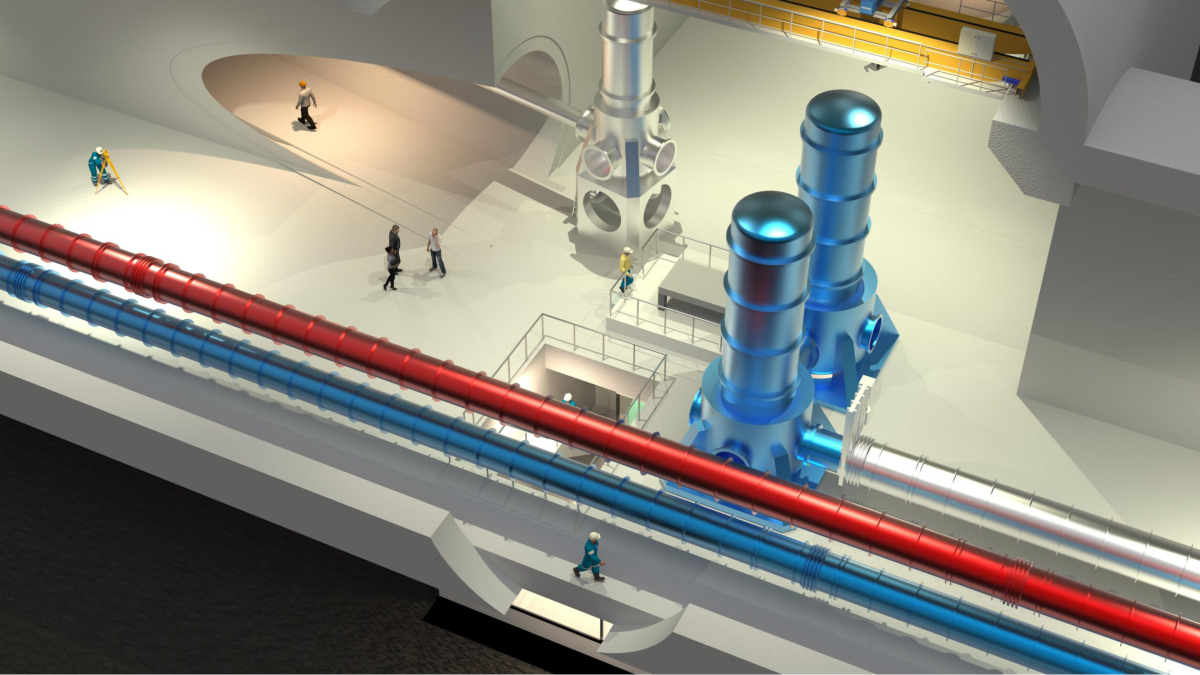
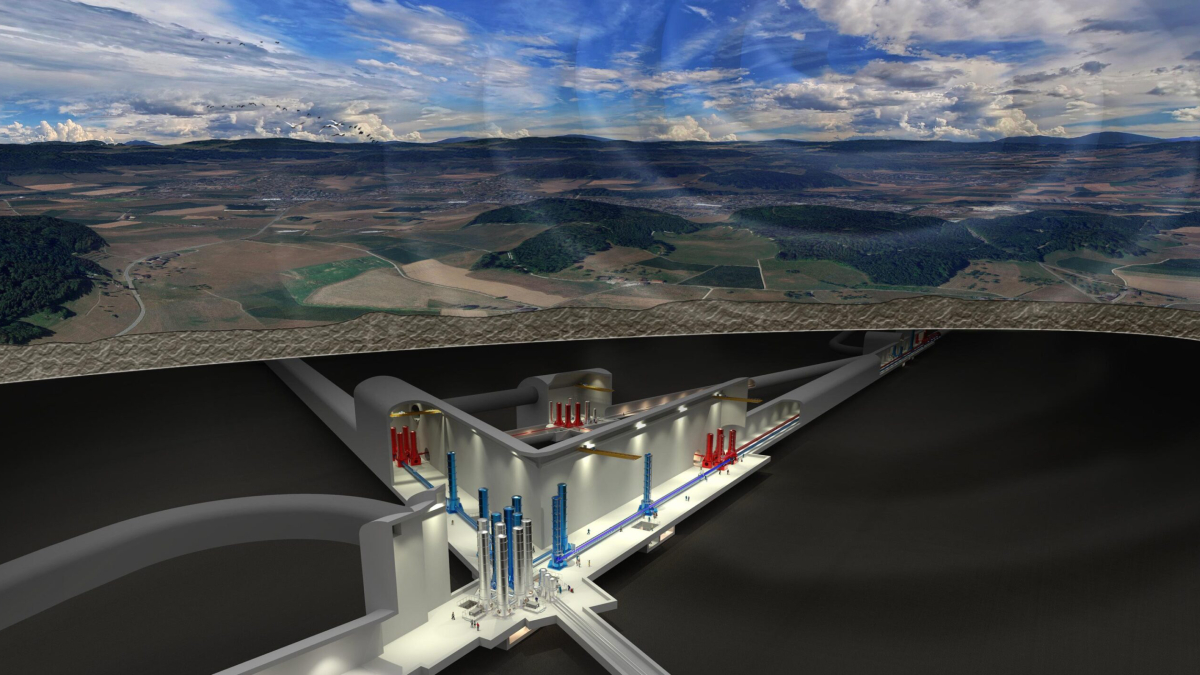
International partners join forces here to prototype and refine the innovations that will make the Einstein Telescope a reality. Quantum squeezing, low-noise sensors, and advanced cryogenic shields, every technology is tested in ETpathfinder’s ultra-quiet environment before being deployed on a global stage. ETpathfinder demonstrates how Dutch know-how is indispensable to high-tech science worldwide. From fundamental physics to space exploration, this living laboratory is pushing the boundaries of what is physically possible.
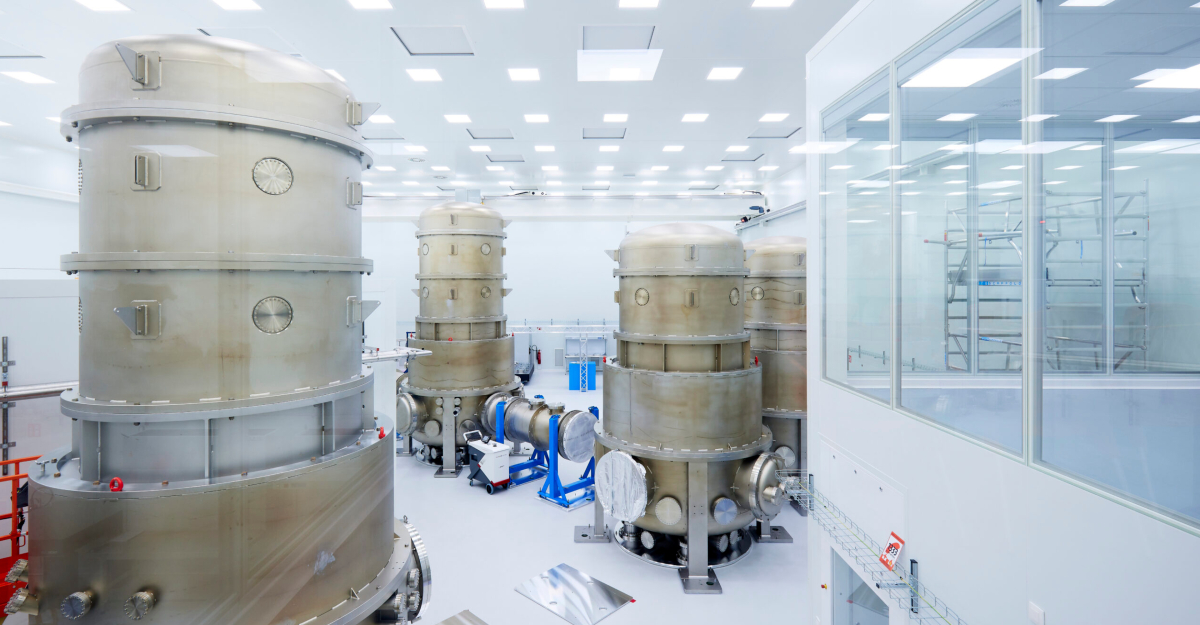
In Maastricht, the test hub brings together fundamental physics, quantum technology, and space engineering, making it far more than ‘just’ a physics experiment. Over the past year, ETpathfinder has grown into the nerve centre of European gravitational-wave technology. This demonstrates how the Netherlands, far from the traditional centres of space exploration, has become indispensable to high-tech science on a global scale. From this place, researchers are shaping the next era of cosmic discovery, from black holes to the origins of the universe. That’s New Dutch!
Does #newdutch spark an interest or a golden idea with you? We love hearing from you! You can email us at newdutch@nlbranding.nl.
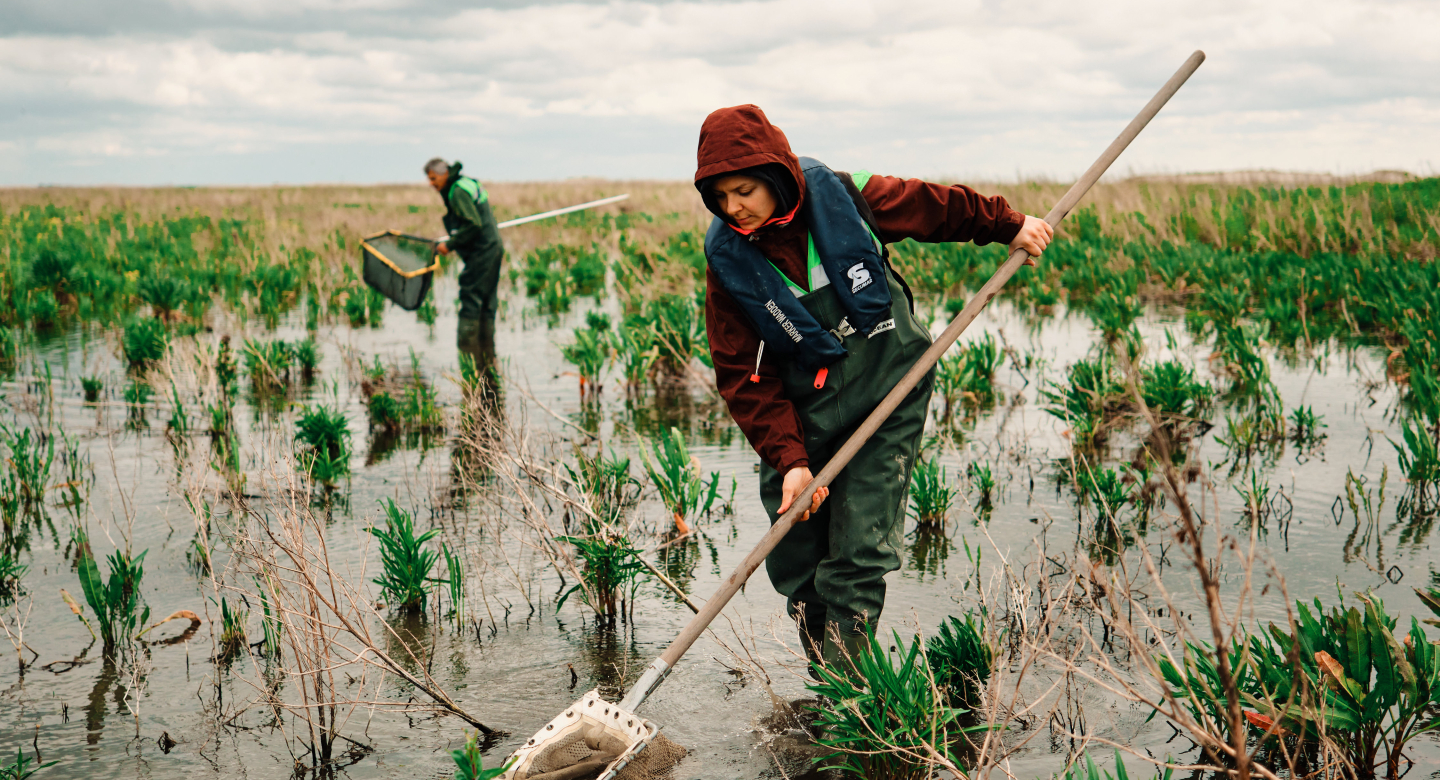
Marker Wadden is a modern icon of Dutch hydraulic engineering, showcasing innovation with global appeal. Like Flevoland, which was once built from scratch on the bottom of the former Zuiderzee, Marker Wadden embodies the progressive spirit of the Netherlands, in Nieuw Land National Park. A group of artificial islands built from the lake’s own materials is revitalising a once-dying lake. With its extensive land-water transitions, new habitats emerge, creating vital spaces that support aquatic life and restore the ecological health of the Marker Lake.
Made from locally sourced sand, clay, and silt, these islands are designed to sustain a dynamic natural balance, blending human ingenuity with natural processes. A core aspect of this innovation is improving water quality through the sedimentation of silt. Silt floating in the Markermeer is transferred to Marker Wadden and stabilised there, leading to clearer water in the rest of the lake. This clearer water promotes the growth of aquatic plants, which in turn provide habitat for fish and invertebrates. Marker Wadden is both a tribute to Dutch hydraulic tradition and a model for a sustainable future.
Marker Wadden has already become a haven for bird biodiversity, hosting large populations of species like the avocet, common tern, and great tern. It also serves as a critical stopover for migratory birds, while fish species such as pike and perch benefit from the new habitats. This thriving food chain strengthens the ecosystem’s resilience. An important part of the project is the “living lab” concept: Marker Wadden operates as an expansive field for ecological research. The Marker Wadden Knowledge and Innovation Programme (KIMA) oversees ecological and technical studies here, in collaboration with 10 partners, including Natuurmonumenten, Wageningen Marine Research, and the University of Amsterdam. The programme aims to increase the social added value of Marker Wadden and make the knowledge gained applicable worldwide. Ecological developments are closely monitored by leading Dutch universities and research institutions, generating valuable data on ecosystem restoration.
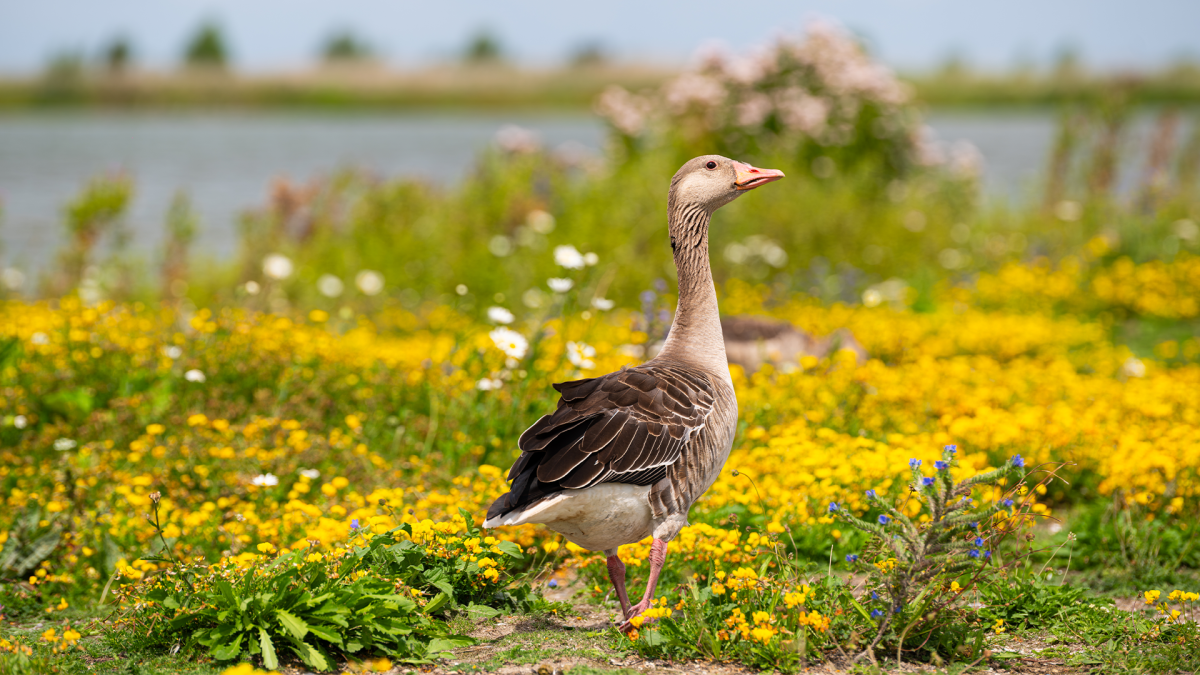
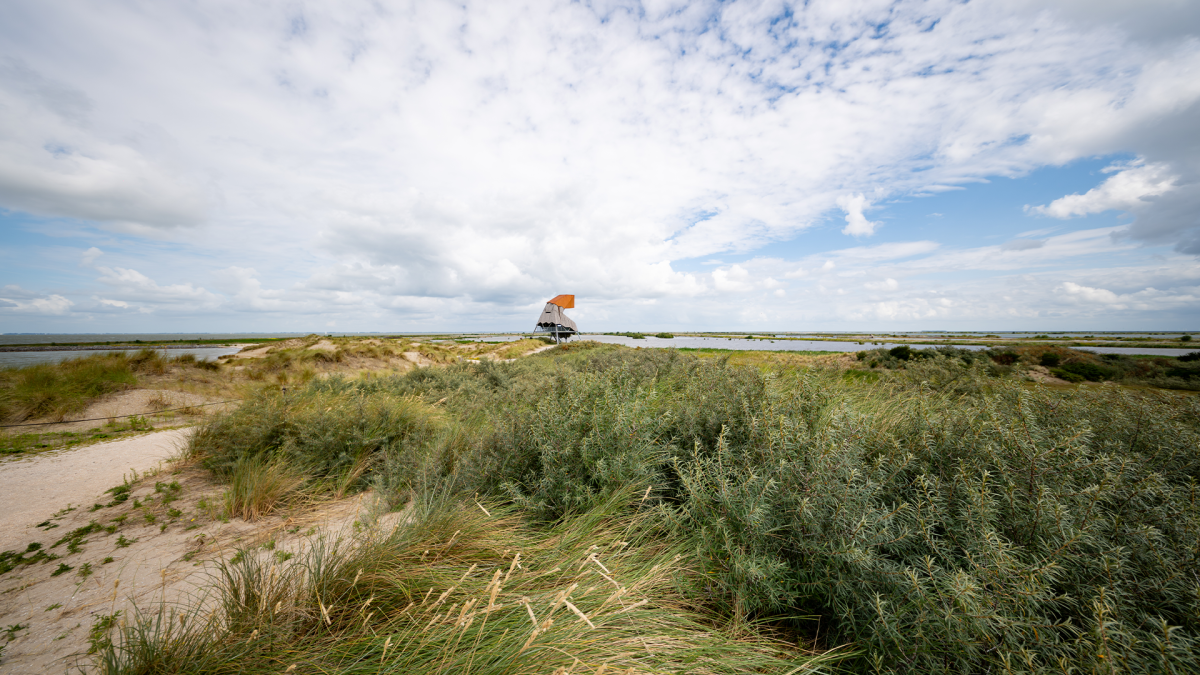
Marker Wadden offers a model with global relevance, addressing widespread issues like sedimentation, water quality decline, and biodiversity loss. The innovative approach of creating artificial islands and reusing local materials to restore natural habitats sets a standard other countries can adopt. Visitors can experience the pioneering Marker Wadden project firsthand; a 45-minute boat ride from Lelystad brings you to one of the islands open for exploration. Guided tours by Natuurmonumenten reveal the ecological and technical marvels behind the project. Marker Wadden’s blend of natural beauty and environmental innovation makes it a must-see. By improving water quality, creating new habitats and promoting a healthy ecosystem, this project exemplifies how local efforts can tackle global environmental issues, proving that collaborative, innovative ecological engineering is essential for a sustainable future. Marker Wadden stands as a testament to this approach, with lessons to share worldwide.
Does #newdutch spark an interest or a golden idea with you? We love hearing from you! You can email us at newdutch@nlbranding.nl.
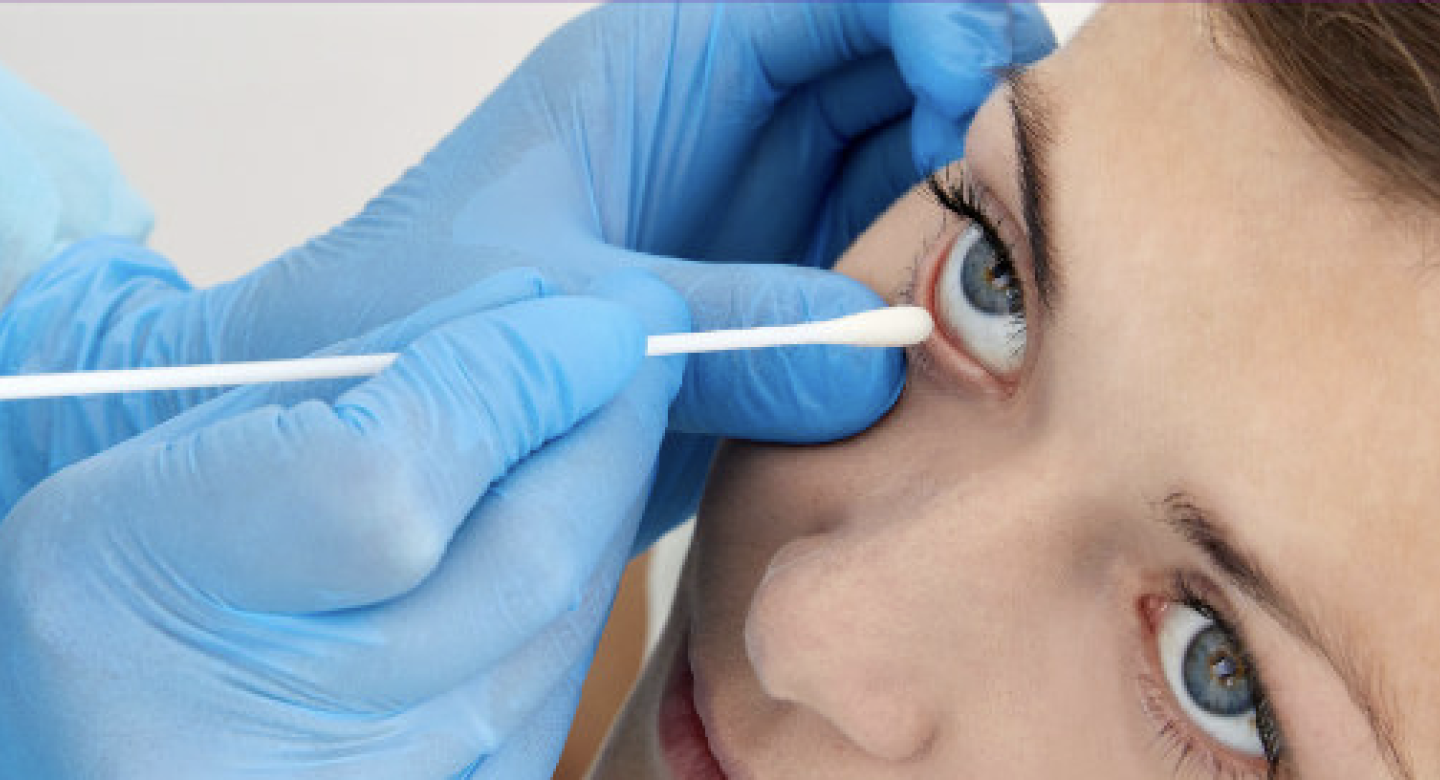
A single tear can reveal more than just emotions - it can hold the key to diagnosing diseases. Dr. Marlies Gijs, a biochemist at Maastricht UMC+ and known as ‘the tear doctor,’ is uncovering the hidden potential of tears as a diagnostic tool. Her world-first research focuses on using tear fluid to detect diseases like Alzheimer’s and Huntington’s, offering a new, non-invasive alternative to procedures like spinal taps.
Tears, which have long been associated with emotions, are now emerging as a valuable source of medical insight. Gijs's team has identified two biomarkers, amyloid and tau, in tear fluid - proteins that are usually found only in spinal fluid and are key indicators of Alzheimer’s disease. This discovery has the potential to change how we diagnose neurological conditions, making early detection easier and less invasive.
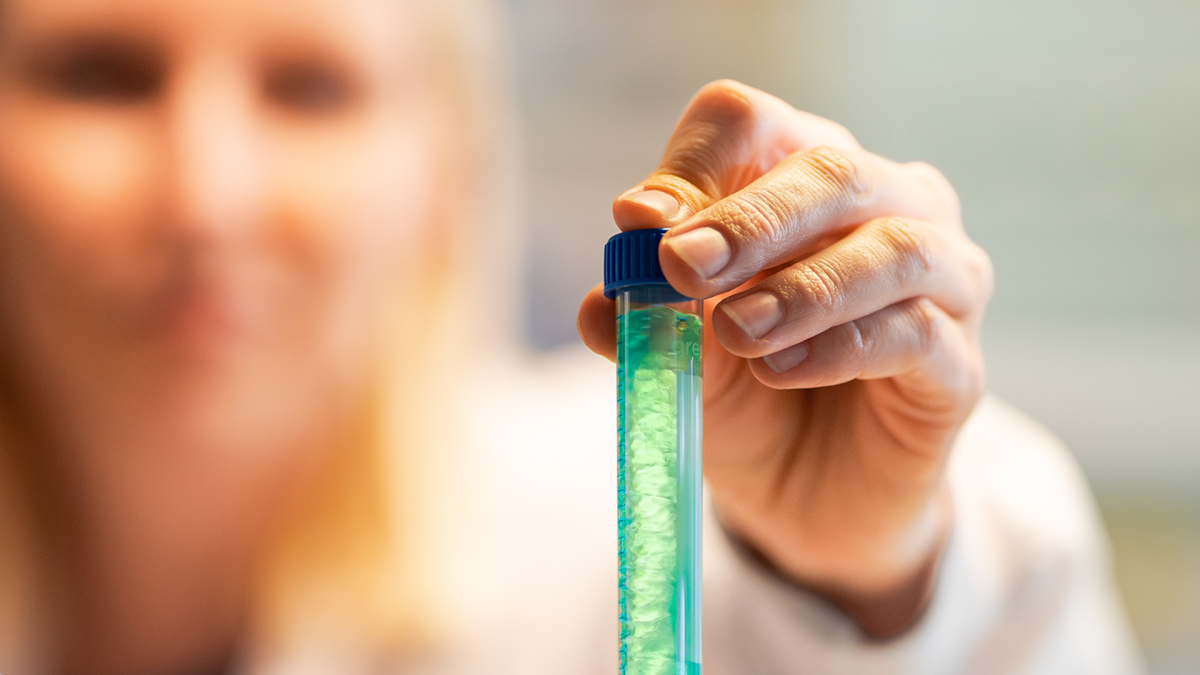
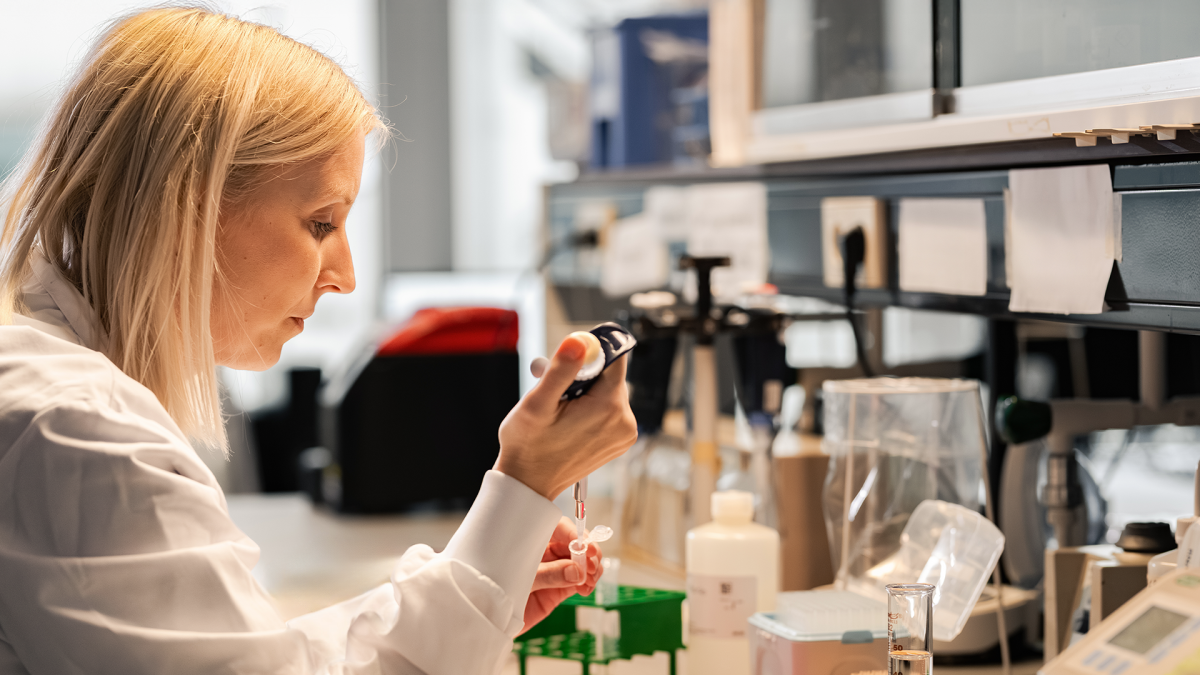
The research team at Maastricht UMC+ is also exploring new applications, including the detection of viral infections. During the COVID-19 pandemic, they discovered that the virus could be detected in tears, highlighting the versatility of this diagnostic approach. Looking ahead, the team envisions a future where diagnostic strips, similar to pregnancy tests, could be used to analyse tear fluid for a variety of health conditions, making medical (home) testing faster, simpler, and more accessible.
The research of Dr. Gijs is part of the Tear Research Network, a collaborative effort bringing together scientists from around the world to push the boundaries of what we can learn from tear fluid. What started as an exploration into eye health is now becoming a powerful tool for understanding and diagnosing diseases, all through something as simple as a tear - and for that reason, applicable to people worldwide.
Does #newdutch spark an interest or a golden idea with you? We love hearing from you! You can email us at newdutch@nlbranding.nl.
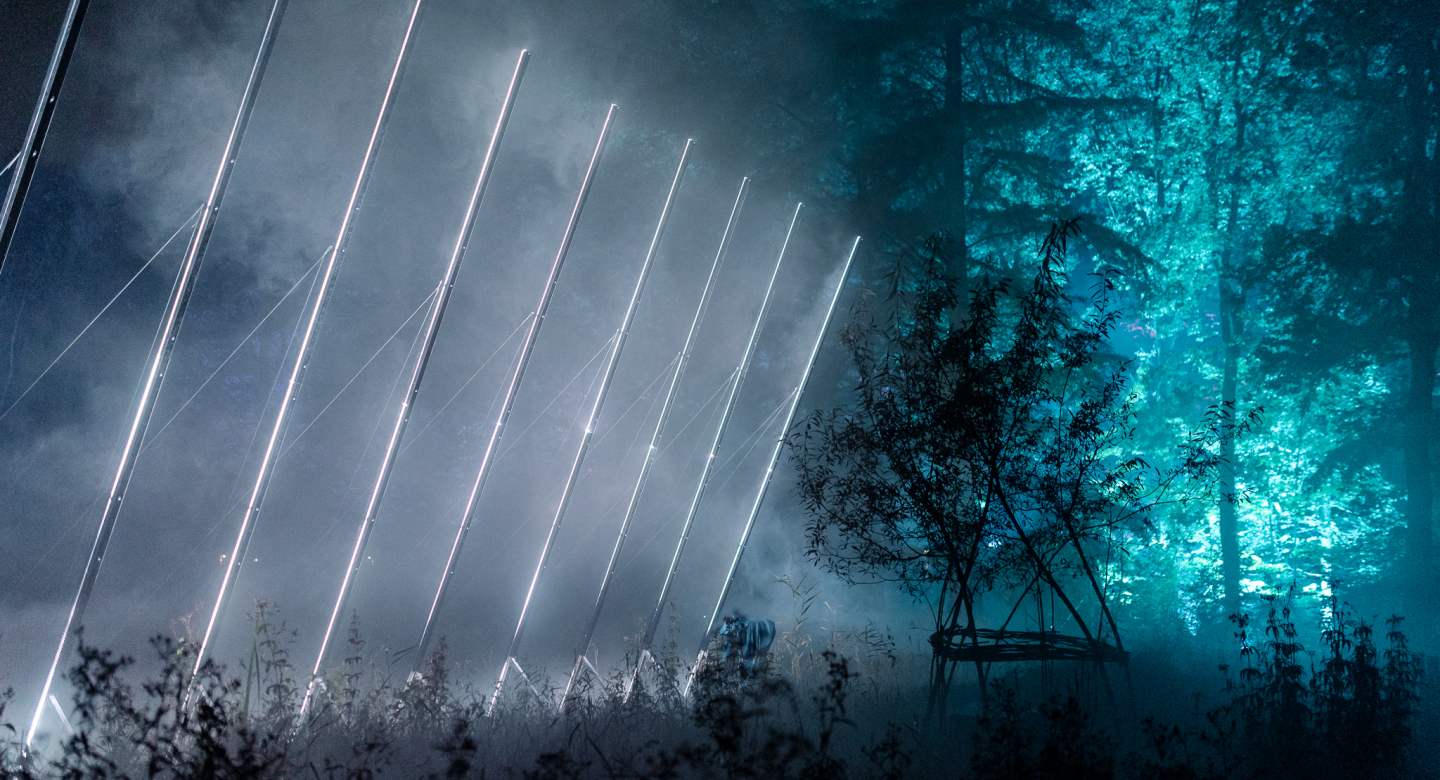
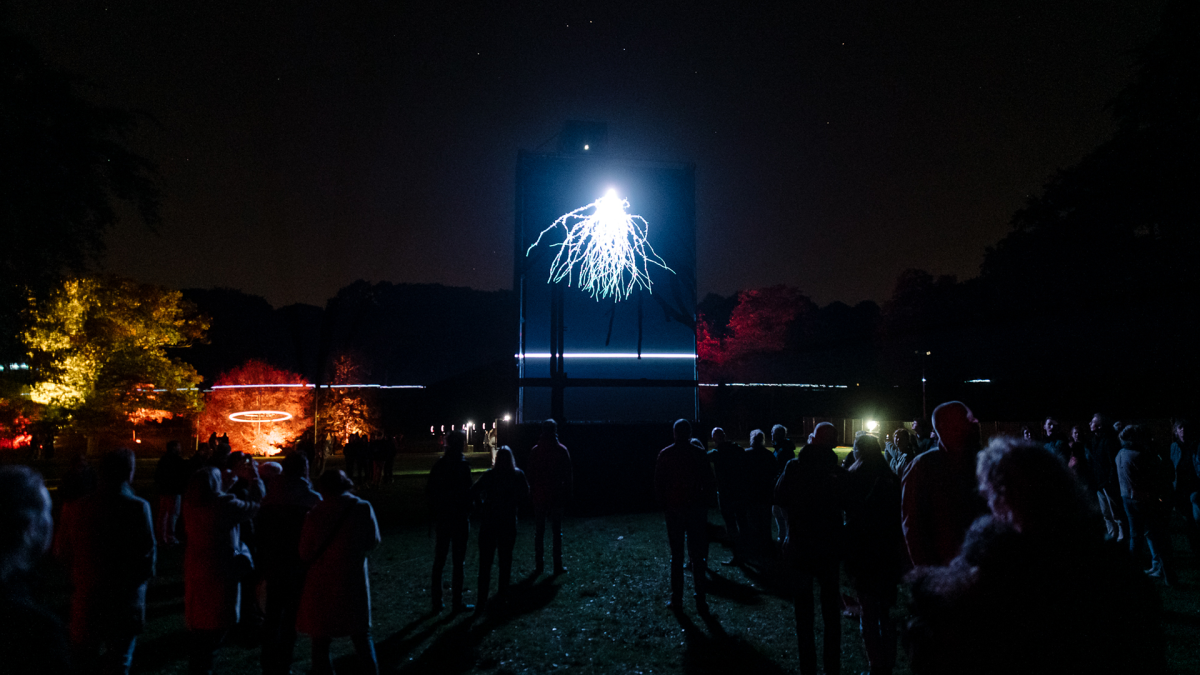
In the heart of Nijmegen’s Goffertpark, Schemerlich Lab organises the annual festival, blending art, science, and nature. The Schemerlicht festival offers visitors the chance to see the world through a new lens, highlighting complex global issues. A journey through light and insight.
Each autumn, Schemerlicht Lab transforms the Goffertpark into an immersive outdoor exhibition. Visitors explore a series of thought-provoking installations. These artworks, created with scientists and artists, dive into themes like climate change, space exploration, and ecological awareness.
The works illustrate how the Schemerlicht Lab blends scientific inquiry with artistic expression to make complex topics accessible and engaging. The festival is centred around a specific theme each year. In a previous year, for example, Space Voyagers featured twelve installations that challenged perceptions of space and our place within it. One notable work, ‘The Abyss of the Scorching Sun’, used mirrors and lenses to create a visual representation of a black hole, accompanied by a hypnotic soundscape. And pieces from the theme ‘In the Eyes of the Animal’ offered a 3D experience of how different creatures perceive the world. This all makes us curious to see what this year’s theme will bring.
At the heart of Schemerlicht Lab's success is its collaborative spirit. By bringing together scientists, artists, and technologists, their annual festival fosters interdisciplinary dialogue. This approach not only enhances the depth of the installations but also encourages visitors to think critically about the challenges facing our world.
The Schemerlicht Festival’s commitment to inclusivity is evident in its growing audience. It attracts over 10,000 visitors each year, drawing a broad audience from children to adults, reflecting the event's appeal across generations. Such engagement underscores the power of art and science to unite communities in addressing global issues.
Schemerlicht Lab channels the innovative and outward-looking spirit of New Dutch culture. Through its work, it highlights how creative expression can become a catalyst for awareness and change. By making science and environmental issues tangible through art, Schemerlicht Lab educates and inspires action. What sets this project apart is its ability to seamlessly integrate cutting-edge scientific research with artistic creativity, by creating a space where both fields can inform and inspire one another. This fusion of disciplines sparks new ways of thinking, making complex issues more relatable and engaging for a diverse audience.
As the world faces complex problems like climate change and biodiversity loss, Schemerlicht Lab offers a model for how creativity and collaboration can drive meaningful change. It reminds us that when dusk meets discovery, new perspectives emerge. Lighting the way toward a more sustainable and connected future.
Does #newdutch spark an interest or a golden idea with you? We love hearing from you! You can email us at newdutch@nlbranding.nl.
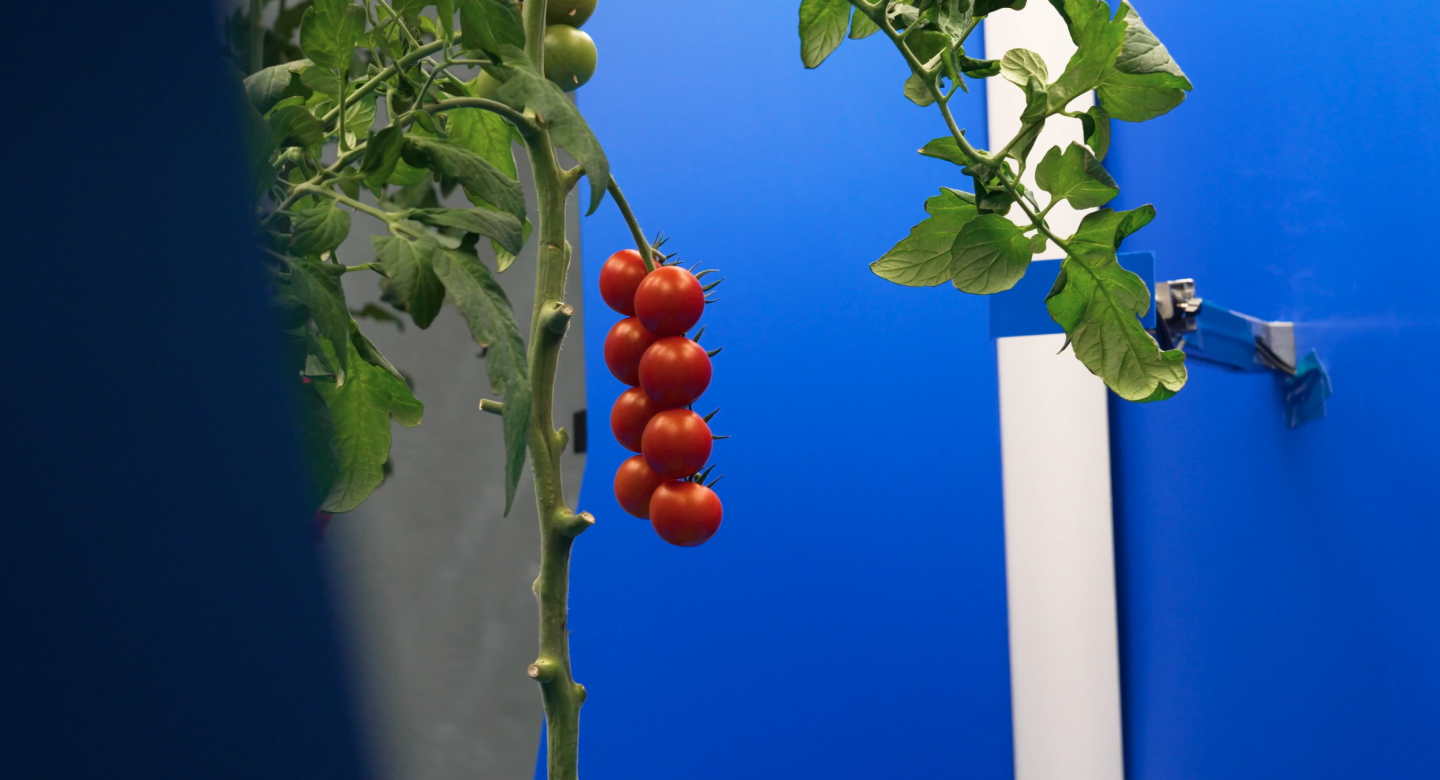
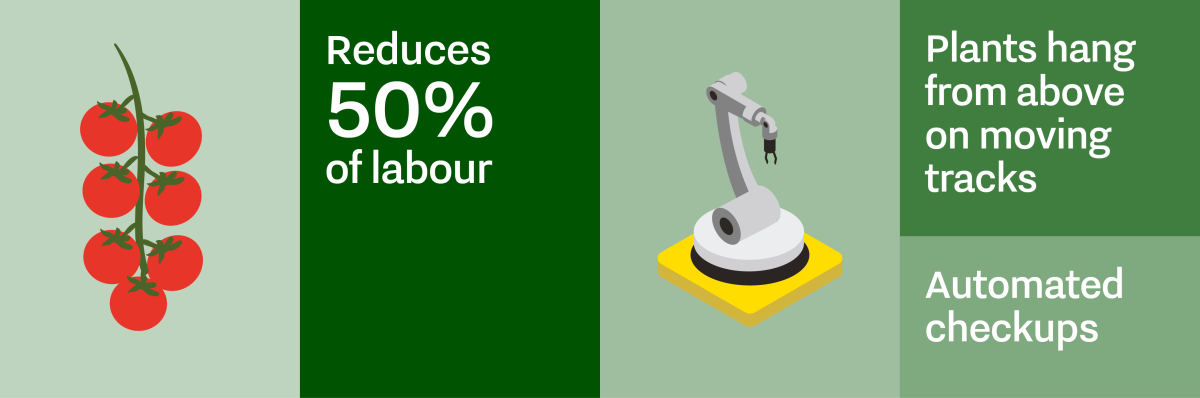
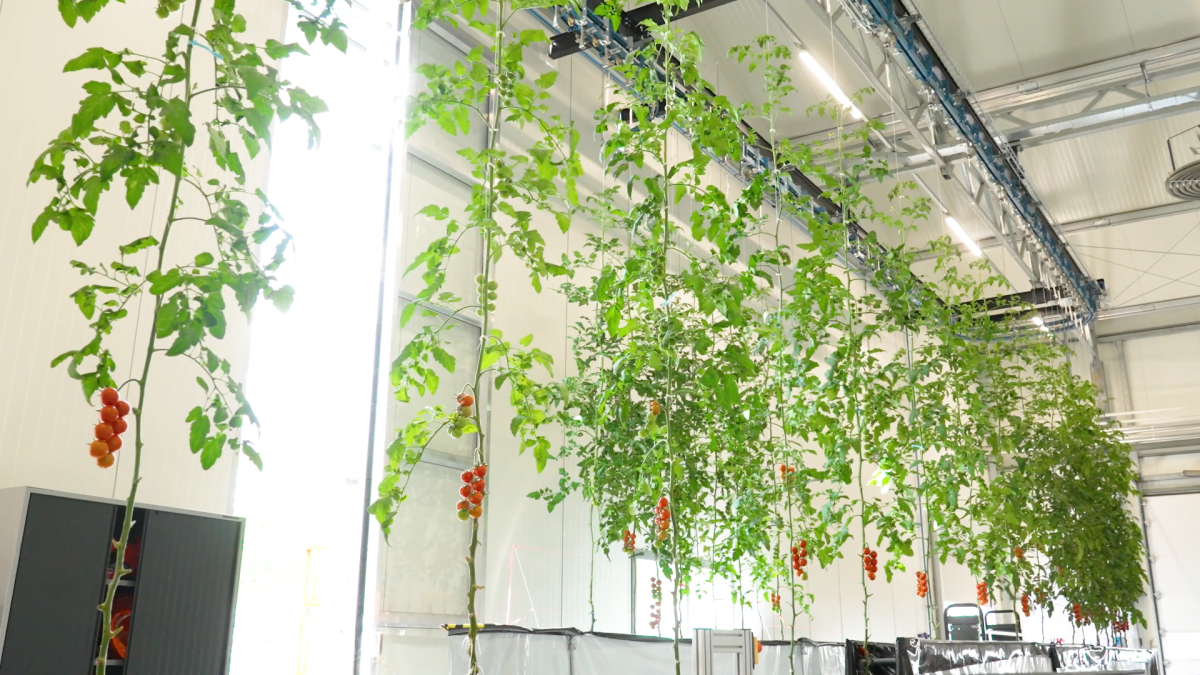
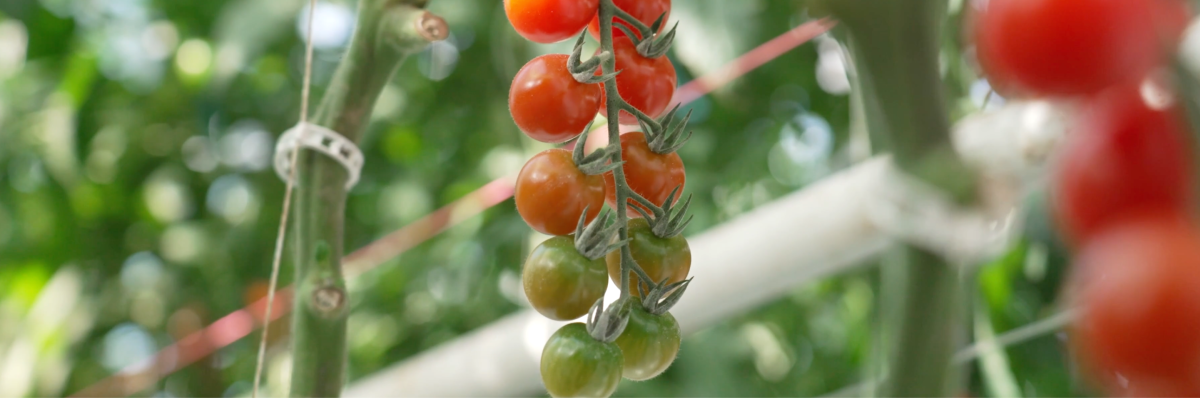
At SAIA Agrobotics, tomato plants don’t grow from the ground up, but from the top down. Hanging from above on moving tracks, every single plant travels through the greenhouse like a living production line.
Like a car through a wash, each plant passes sensors and robotic arms, its health, growth and ripeness are checked automatically. The result: each plant receives exactly what it needs, at precisely the right moment. This isn’t just a clever trick, it’s a revolution in how we grow food. Because by reducing manual work and making every movement count, SAIA cuts labour by half, while improving yields and consistency.
Across the world, the demand for fresh fruit and vegetables is rising. But extreme weather, water scarcity and labour shortages are putting traditional farming under pressure. Indoor farming offers the solution, controlled environments, higher productivity, but to make it truly scalable, we need automation that works in harmony with nature. That’s where SAIA steps in. Their patented vertical growing system makes each plant moveable, visible and measurable from all sides.
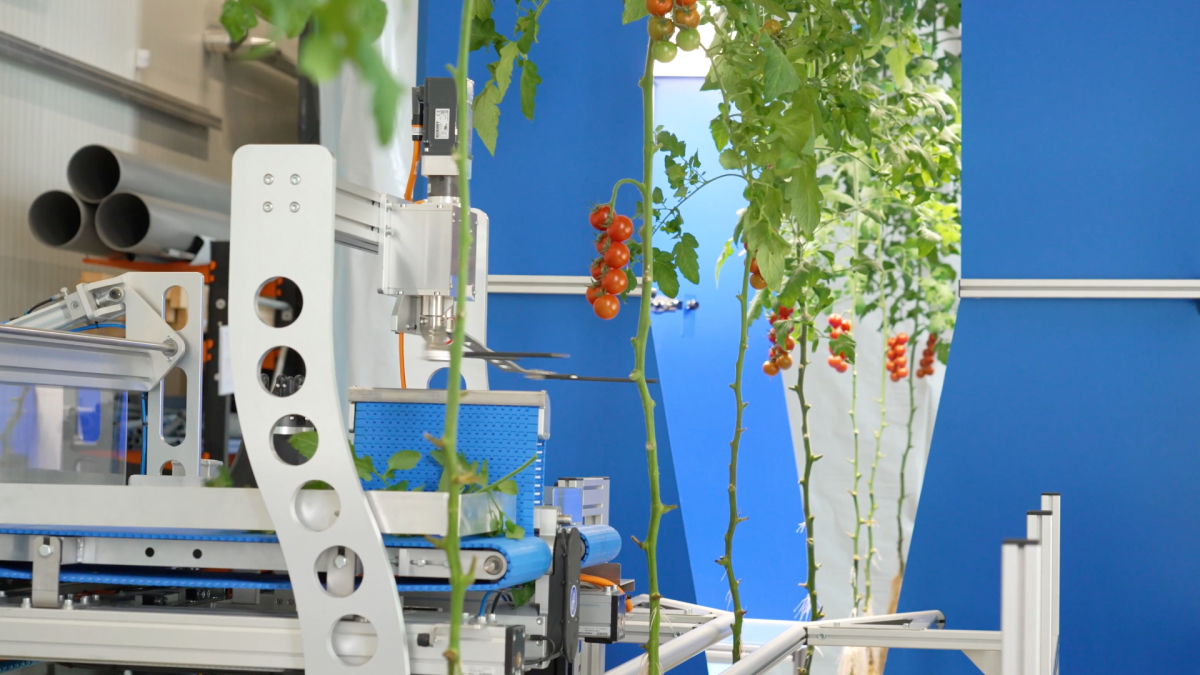
SAIA’s approach is more than robotics, it’s a new production paradigm. By combining a patented vertical growing method with mobile plant carriers, AI-driven crop insight and the world’s fastest robotic harvester, the system automates repetitive, labour-intensive tasks. Results? Labour savings of around 50% today, with scope to exceed 80% once the platform scales. That makes high-tech greenhouse growing possible and affordable in more places, from family farms to large commercial growers.
SAIA champions a transition to data-driven, autonomous ‘food factories’ - modular greenhouses where plants move, data drives every decision, and robots harvest with millimetre precision. Born from Wageningen University & Research know-how, proven in a test greenhouse in the Netherlands, SAIA is moving indoor farming from promise to practice. Feeding more people sustainably means rethinking how we grow. Because feeding a growing world isn’t just about producing more, it’s about producing better.
Image credits: SAIA Agrobotics.
Does #newdutch spark an interest or a golden idea with you? We love hearing from you! You can email us at newdutch@nlbranding.nl.

This summer, Amsterdam hosts WorldPride for the first time; a two-week celebration drawing visitors from across the globe. When we talk about pride and LGBTQIA+ rights, we often refer directly to human rights, equality, and acceptance. Yet this is also a fitting moment to look at how sport and pride have quietly grown together in the Netherlands, and what that says about the kind of country we are trying to be.
The Netherlands has a notable history when it comes to LGBTQIA+ rights. The COC Netherlands, one of the world's oldest gay rights organisations, has been active since 1946. Amsterdam hosted its first Gay Pride Day already in 1977. And in 2001, the Netherlands became the first country in the world to legalise same-sex marriage.
Sport has been slower to follow. For a long time, the two worlds existed in parallel. Pride marching through the streets while locker rooms remained largely silent on the subject. That started to change thanks in part to people willing to speak up.
John Blankenstein was one of them. A Dutch football referee, who came out publicly in the 1980s: a rare thing in professional football anywhere in the world at the time. He faced significant hostility, but never stopped advocating for acceptance. In 2003, he received the Bob Angelo Medal from COC Netherlands for his contribution to LGBTQIA+ emancipation. After his passing, his sister Karin co-founded the John Blankenstein Foundation to carry that work forward, running workshops for athletes, coaches and sports organisations, and continuing the conversation he started.
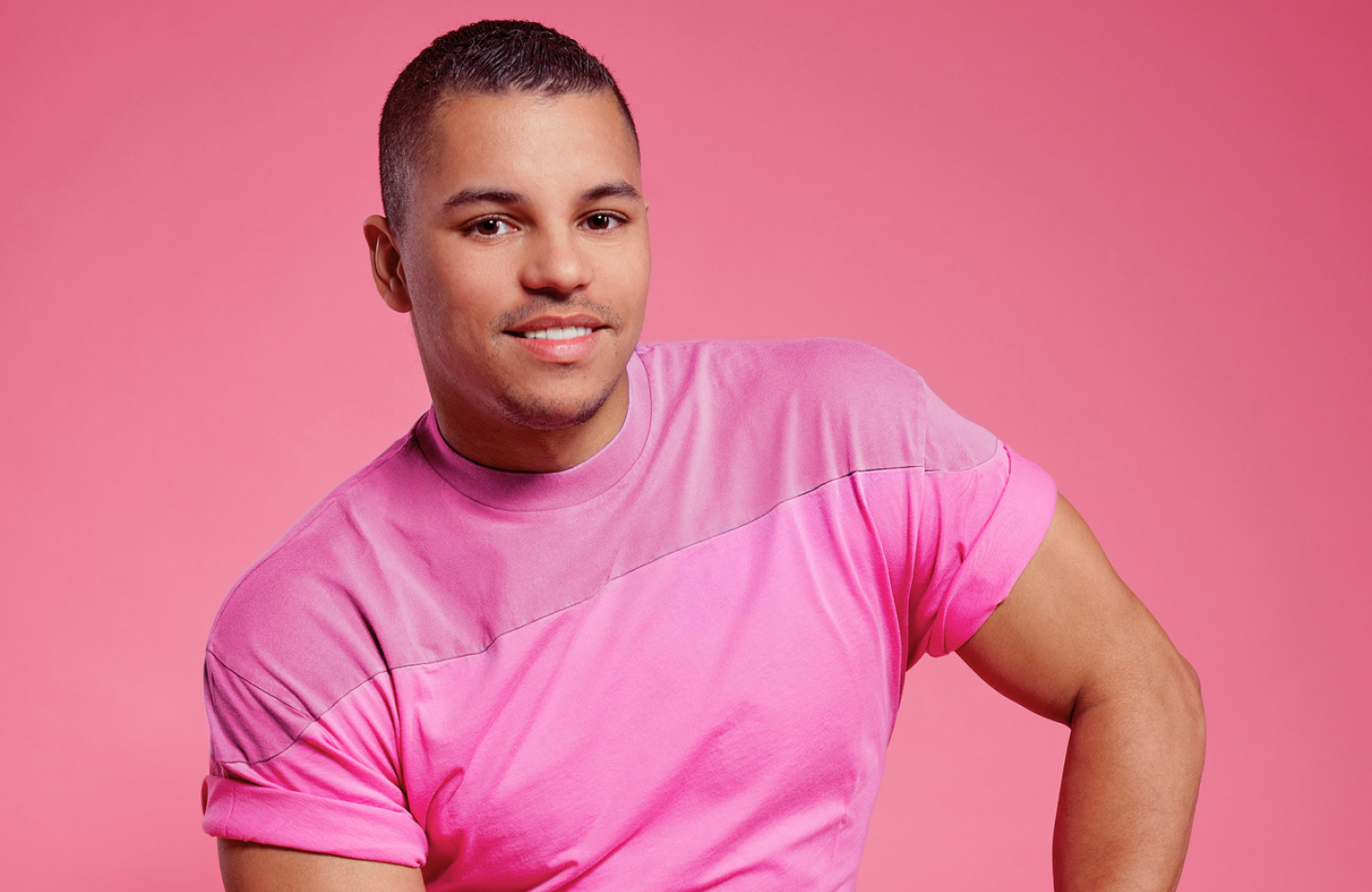
My message is above all: be yourself
Jeffrey Wammes
Former gymnast Jeffrey Wammes became another visible figure at this intersection. A four-time Dutch all-around champion and World Cup medallist, he came out publicly in 2010, during his active career, one of the first Dutch top athletes to do so. He later became an ambassador for Pride Amsterdam, a role he told us he continues to hold proudly.
When asked about the silence he experienced from his own federation after coming out, he was candid: "From the federation I received no response. It remained deafeningly quiet. A listening ear would have meant a lot to me." He added: "I was successful and strong enough, but no matter how you look at it, a little support goes a long way."
He is equally direct about why more visibility in sport matters. "There are few athletes who come out and that's a shame. I think it's because they fear bullying and discrimination. When I came out I only received positive reactions." And he has a clear sense of the ripple effect a high-profile coming-out can have: "The more you achieve, the easier such a coming-out becomes."
His message as a World Pride ambassador has stayed consistent: "I will everywhere stress how important it is to be yourself."
Since 2015, Sport Pride has been an official part of Pride Amsterdam, a platform that connects sports organisations, federations and individual athletes around the work of making sport more inclusive. What started as a bridge between two communities has grown into a year-round initiative with a conference, workshops and partnerships across Dutch sport.
This year, as WorldPride comes to Amsterdam, sport is woven into the programme throughout. The Amsterdam Pride Run kicks things off on 19 July, drawing participants across 5 km, 10 km and 15 km routes. In Vondelpark, the Sport Pride Festival invites visitors to try everything from boxing to yoga to chess, making sport not a spectacle but a space to participate, connect and belong.
The logic behind linking sport and Pride is straightforward: sport is one of the most powerful social spaces there is. Changing the culture, steadily, practically, person by person, has an outsized effect.
None of this is to say the work is done. Research consistently shows that many LGBTIQ+ athletes still don't feel fully safe or welcome in sport, particularly in team settings. Visibility at the top doesn't automatically change the atmosphere in local clubs and school gyms. That's why grassroots work, like workshops, ambassador programmes, inclusive policies, all matter as much as symbolic gestures.
What the Netherlands has learned is that the most lasting change happens when sport organisations don't just make statements, but build inclusion into how they train coaches, run clubs and talk about their athletes. The John Blankenstein Foundation's work with teams is one example of that quieter, longer effort.
WorldPride Amsterdam 2026 marks 25 years since the Netherlands legalised same-sex marriage. Sport is one of the places where the values behind that milestone are still being made real. One team, one club, one conversation at a time.
Want to know more about how you can work together with the Netherlands to achieve your goals? Or how you can help contribute to or spread the word on campaigns, events and initiatives? Contact us directly at info@nlbranding.nl so we can help you connect to the right people.


