
In the spotlight
An interview with Envy Peru, drag queen, make-up artist, presenter, actor, and Pride ambassador since 2022. As one of the Netherlands’ most celebrated queer figures, Envy Peru has become a symbol of visibility, artistry, and unapologetic authenticity. Through performance, media presence, and her role as a Pride ambassador, she continues to reshape the cultural landscape and inspire a new generation to embrace who they are. We spoke with her about Pride, visibility, and the future of inclusivity in the Netherlands. Read her answers below from our recent interview.
For me, without hesitation, it would be the Homomonument, (a memorial in the centre of Amsterdam commemorating all gay men and lesbians who have been persecuted). Not only because it is visually striking, but because of what it represents. I’ve noticed that many people, especially younger generations, don’t always know its history, which is exactly why we should continue to tell its story. The monument reminds us that being able to live and love openly is not something we can take for granted. It honours those who were persecuted, excluded, or harmed simply for being themselves, while also highlighting why equality, visibility, and respect remain essential today. The design’s triangular form carries powerful symbolism. It refers to the pink triangle that homosexual people were forced to wear in Nazi concentration camps, once a mark of exclusion, later reclaimed as a symbol of pride, strength, and resistance. That transformation from stigma to empowerment is precisely why the Homomonument is so meaningful to me. It connects past and present, and the freedom we are still fighting to protect.
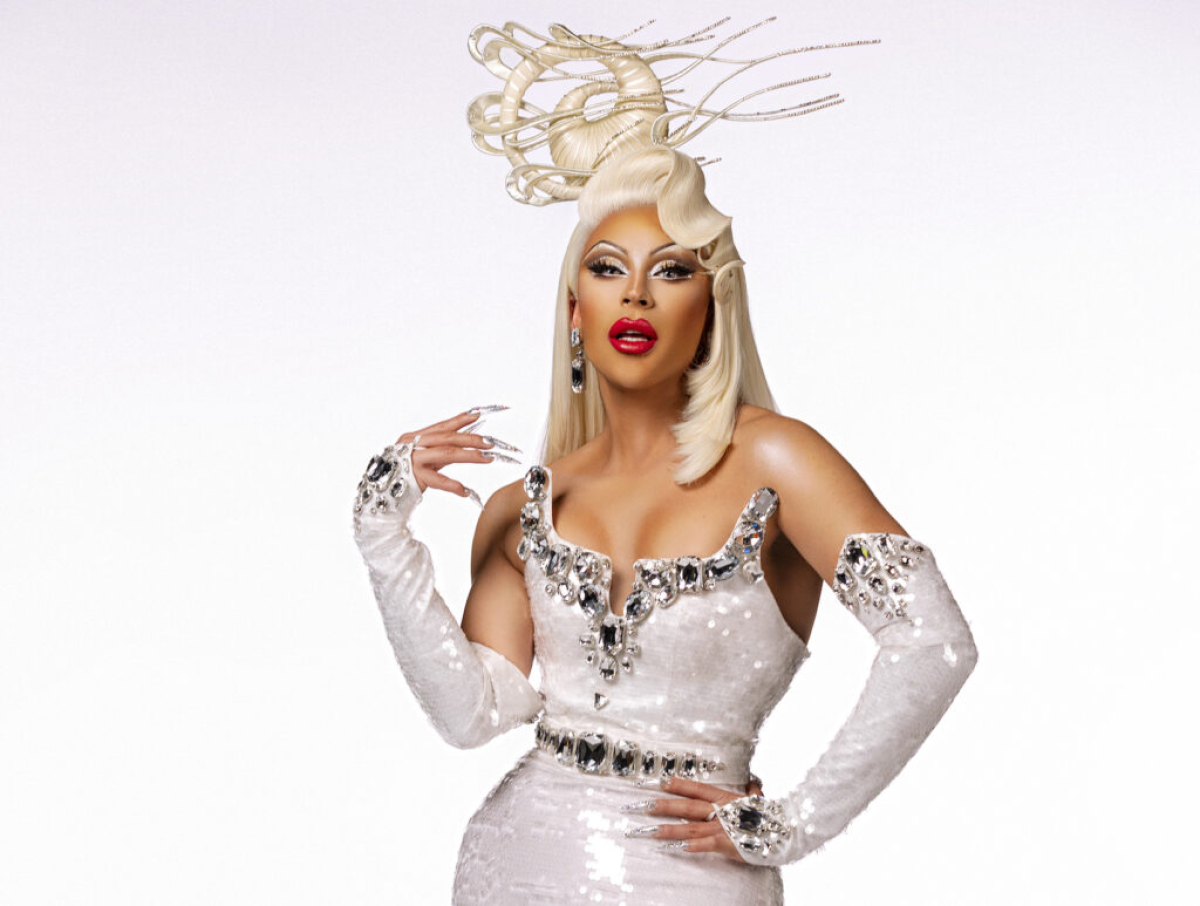
Pride is visibility, pride, and above all, self-acceptance. In my teenage years I wasn’t proud at all, in fact, I saw my queerness as a weakness. I carried inner shame and internalised homophobia for far too long. But when I truly began to accept myself, everything shifted. That was the moment the magic began. What I once considered a burden became my superpower, the force that shines through in who I am and in Envy Peru. I always say: ‘Being your authentic self is the greatest gift you can give yourself’.
Of course, that Pride mentality is visible during Pride events, where connection and celebration take centre stage. But I see it across Dutch society too; in role models, artists, allies, and people who speak up for inclusivity. Many of the country’s most beloved public figures come from the community or stand proudly beside it. What often unites us is a shared mission: adding colour to life, connecting people, offering hope, and showing that authenticity is something to be proud of. For me, Pride isn’t just a month or an event, it’s a mindset. It’s the courage to be visible, to make space for others, and to never shrink yourself.
“What often unites us is a shared mission: adding colour to life, connecting people, offering hope, and showing that authenticity is something to be proud of”
Absolutely, the moment that immediately comes to mind is performing at the 5 May Concert on the Amstel. I had the honour of delivering a message of freedom on national television, alongside The Dutch Tenors, and in the presence of the Dutch royal family, including King Willem-Alexander and Queen Máxima. For me, it was incredibly special. There was a clear sense of trust in allowing me to share a message on behalf of my community. To my knowledge, a drag queen had never been given such a platform at this national event, which made it even more meaningful.
Meeting the royal couple also felt like a moment of true openness; being seen, accepted, and allowed to be fully myself. And perhaps the most beautiful part was the support and love I received from across the country afterwards. In a world that can sometimes feel divided, that experience gave me genuine hope.
"Meeting the royal couple also felt like a moment of true openness; being seen, accepted, and allowed to be fully myself"
My feelings are mixed. For years we made enormous progress in visibility, acceptance, and equal rights. But in recent years, it has sometimes felt as though we’re moving backwards. I see it in the tone of public debate, both online and on the street, and particularly among younger generations. There is a lot of misinformation, and hatred often seems louder than understanding. Discrimination and violence against the LGBTQIA+ community have increased, and that’s not just a feeling, the data reflects it. Sadly, I’ve experienced it myself. That’s why I believe so strongly in investing in education, especially in schools. Inclusivity begins with understanding. When young people learn about diversity, identity, and respect, there is more room for empathy instead of fear or ignorance. We are not a trend, and we did not ‘suddenly appear’. We have always been here and always will be. We are human beings, with the same dreams, feelings, and rights as anyone else. For me, inclusivity succeeds only when no one has to wonder whether they are safe simply being themselves. Until everyone feels that freedom, we still have work to do.
"We are not a trend, and we did not ‘suddenly appear’"
What I love about the queer community is that we have always been innovators. We transformed art, fashion, performance, and creativity into tools for visibility and empowerment. We continue to find new languages to tell our stories - online, in culture, in media, and in the way we present ourselves to the world.
Innovation lies in creating visibility where people might not expect it. I express Pride by being present not only on queer stages, but in mainstream media, at national events, and in spaces where different worlds meet. As Envy Peru, I don’t just aim to entertain - I hope to spark conversations about freedom, identity, and self-acceptance. Sometimes activism alone doesn’t reach someone: art, performance, and representation can open hearts in a different way. If a person watches a performance or TV show and begins to think differently about queerness, that is impact. For me innovation is this: not waiting for space, but creating it ourselves.


