
In the spotlight
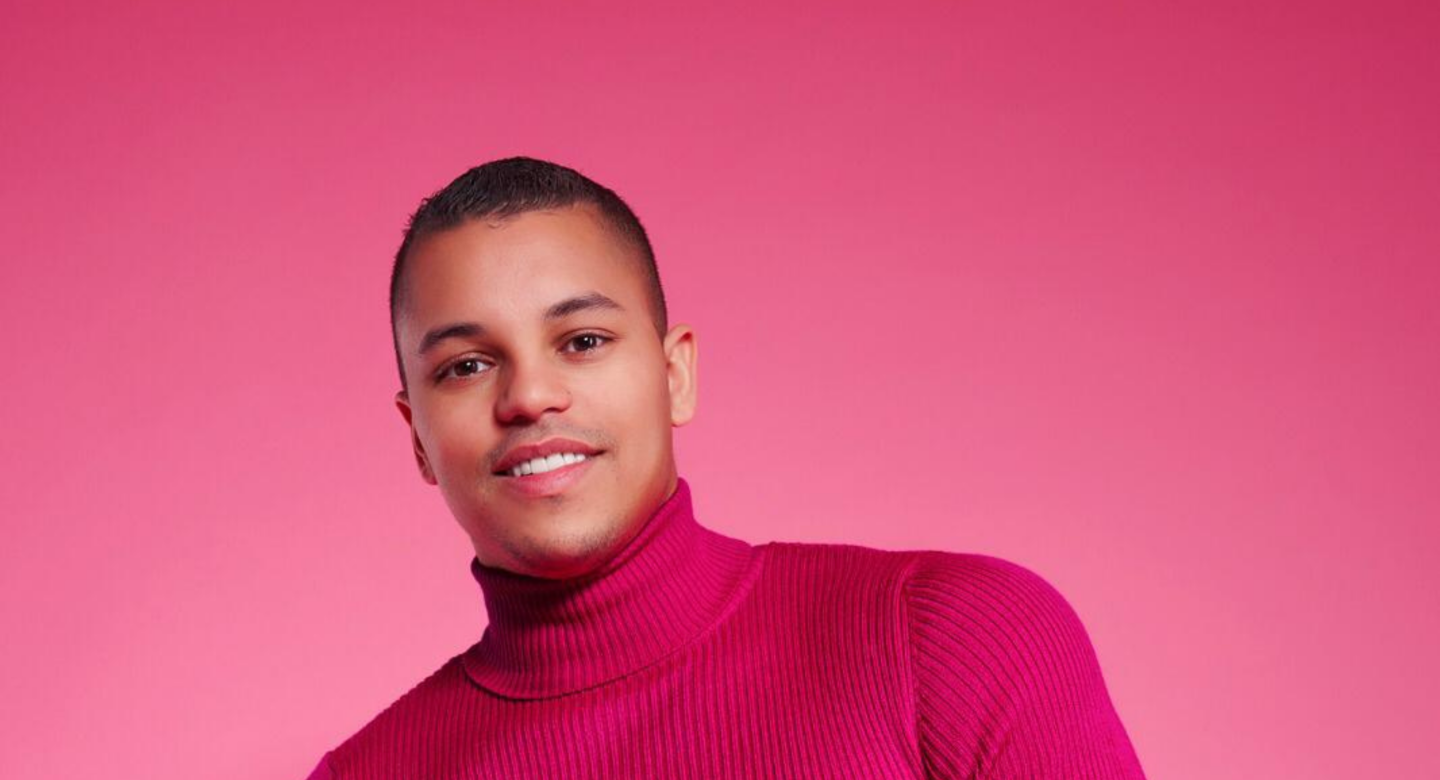
This summer, Amsterdam hosts WorldPride for the first time; a two-week celebration drawing visitors from across the globe. When we talk about pride and LGBTQIA+ rights, we often refer directly to human rights, equality, and acceptance. Yet this is also a fitting moment to look at how sport and pride have quietly grown together in the Netherlands, and what that says about the kind of country we are trying to be.
The Netherlands has a notable history when it comes to LGBTQIA+ rights. The COC Netherlands, one of the world's oldest gay rights organisations, has been active since 1946. Amsterdam hosted its first Gay Pride Day already in 1977. And in 2001, the Netherlands became the first country in the world to legalise same-sex marriage.
Sport has been slower to follow. For a long time, the two worlds existed in parallel. Pride marching through the streets while locker rooms remained largely silent on the subject. That started to change thanks in part to people willing to speak up.
John Blankenstein was one of them. A Dutch football referee, who came out publicly in the 1980s: a rare thing in professional football anywhere in the world at the time. He faced significant hostility, but never stopped advocating for acceptance. In 2003, he received the Bob Angelo Medal from COC Netherlands for his contribution to LGBTQIA+ emancipation. After his passing, his sister Karin co-founded the John Blankenstein Foundation to carry that work forward, running workshops for athletes, coaches and sports organisations, and continuing the conversation he started.
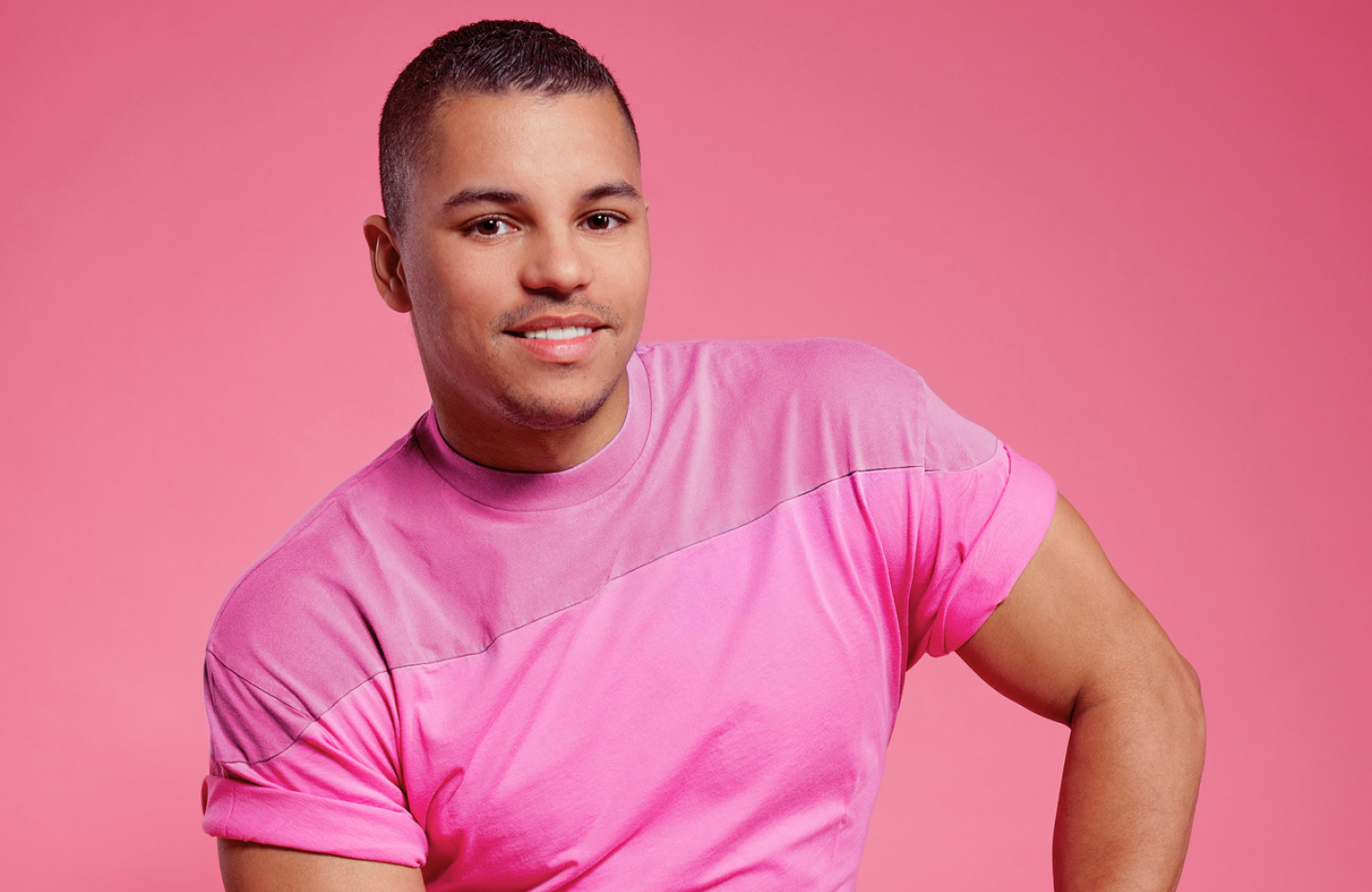
My message is above all: be yourself
Jeffrey Wammes
Former gymnast Jeffrey Wammes became another visible figure at this intersection. A four-time Dutch all-around champion and World Cup medallist, he came out publicly in 2010, during his active career, one of the first Dutch top athletes to do so. He later became an ambassador for Pride Amsterdam, a role he told us he continues to hold proudly.
When asked about the silence he experienced from his own federation after coming out, he was candid: "From the federation I received no response. It remained deafeningly quiet. A listening ear would have meant a lot to me." He added: "I was successful and strong enough, but no matter how you look at it, a little support goes a long way."
He is equally direct about why more visibility in sport matters. "There are few athletes who come out and that's a shame. I think it's because they fear bullying and discrimination. When I came out I only received positive reactions." And he has a clear sense of the ripple effect a high-profile coming-out can have: "The more you achieve, the easier such a coming-out becomes."
His message as a World Pride ambassador has stayed consistent: "I will everywhere stress how important it is to be yourself."
Since 2015, Sport Pride has been an official part of Pride Amsterdam, a platform that connects sports organisations, federations and individual athletes around the work of making sport more inclusive. What started as a bridge between two communities has grown into a year-round initiative with a conference, workshops and partnerships across Dutch sport.
This year, as WorldPride comes to Amsterdam, sport is woven into the programme throughout. The Amsterdam Pride Run kicks things off on 19 July, drawing participants across 5 km, 10 km and 15 km routes. In Vondelpark, the Sport Pride Festival invites visitors to try everything from boxing to yoga to chess, making sport not a spectacle but a space to participate, connect and belong.
The logic behind linking sport and Pride is straightforward: sport is one of the most powerful social spaces there is. Changing the culture, steadily, practically, person by person, has an outsized effect.
None of this is to say the work is done. Research consistently shows that many LGBTIQ+ athletes still don't feel fully safe or welcome in sport, particularly in team settings. Visibility at the top doesn't automatically change the atmosphere in local clubs and school gyms. That's why grassroots work, like workshops, ambassador programmes, inclusive policies, all matter as much as symbolic gestures.
What the Netherlands has learned is that the most lasting change happens when sport organisations don't just make statements, but build inclusion into how they train coaches, run clubs and talk about their athletes. The John Blankenstein Foundation's work with teams is one example of that quieter, longer effort.
WorldPride Amsterdam 2026 marks 25 years since the Netherlands legalised same-sex marriage. Sport is one of the places where the values behind that milestone are still being made real. One team, one club, one conversation at a time.


