
In the spotlight
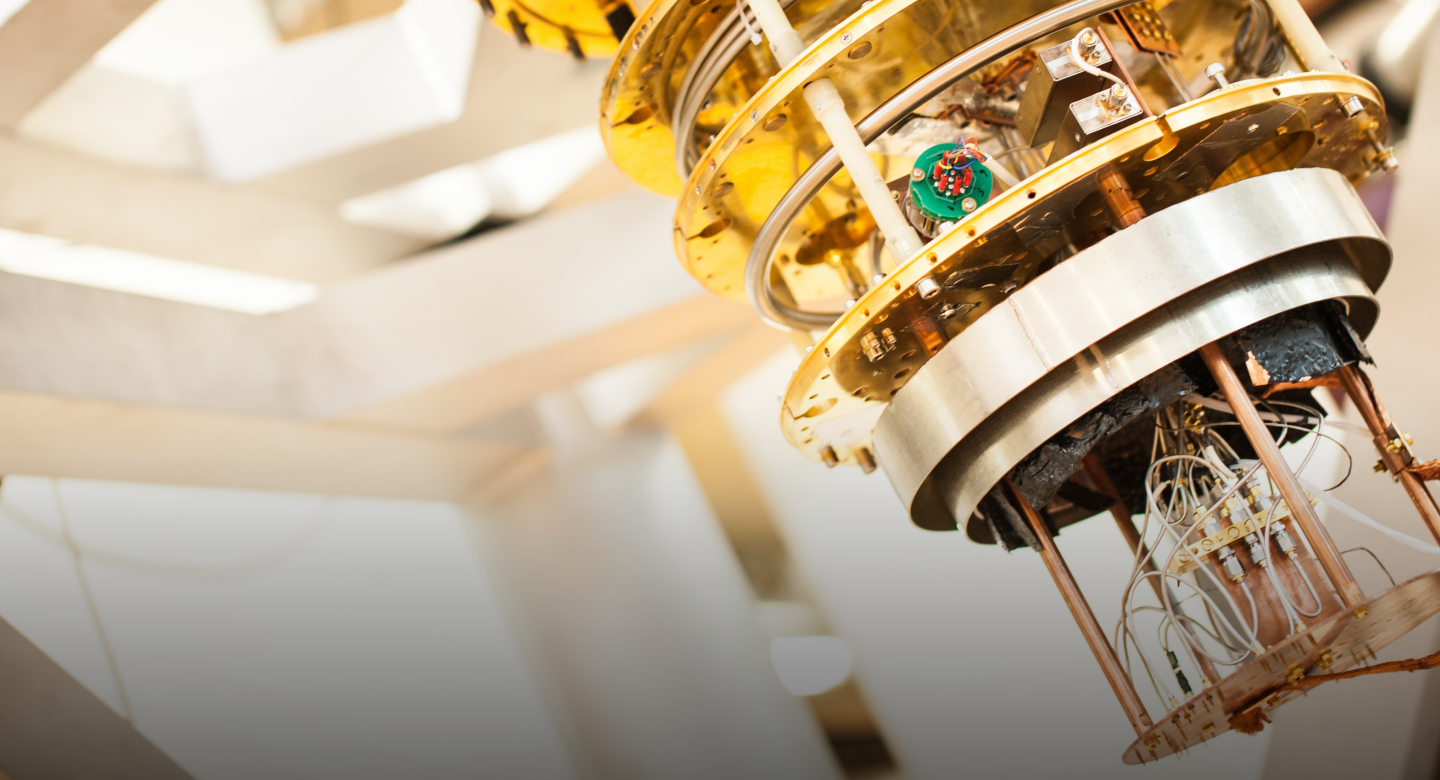
For decades, this encryption has been strong enough to withstand even the world's most powerful conventional computers. But that is beginning to change. As quantum computing continues to advance, organisations around the world are preparing for a future in which today's cryptography may no longer be sufficient.
That future may still be years away, but according to Thomas Attema, Researcher Cryptology at TNO and CWI the transition needs to start now.
"Post-quantum cryptography is cryptography that's capable of withstanding attackers that have quantum computers at their disposal." Thomas Attema
TNO, the Netherlands Organisation for Applied Scientific Research, works with governments, industry and research partners to translate scientific knowledge into practical innovation. In the field of post-quantum cryptography (PQC), that means helping organisations understand the risks, prepare for migration and implement new security standards.
One of the biggest misconceptions about post-quantum cryptography is that it will only become relevant once quantum computers are capable of breaking today's encryption. Attema explains that this is not the case.
Cybercriminals or hostile states could already be collecting encrypted information today, storing it until quantum computers become powerful enough to decrypt it in the future. This strategy, often described as harvest now, decrypt later, poses a particular risk for information that must remain confidential for many years, such as government data, intellectual property, defence information and medical records.
"In cryptography, you always have to look ahead for several decades. We're not only protecting against current threats but also threats of the future."
Not every organisation faces the same urgency. Systems protecting critical infrastructure or highly sensitive information should move sooner than systems where data quickly loses its value. Even so, Attema believes every organisation should begin preparing now rather than waiting for quantum computers to arrive.
The good news is that post-quantum cryptography is no longer just a research topic. International standards have already been developed, and many organisations have quietly started implementing them. Users of secure messaging apps such as Signal, for example, are already using post-quantum cryptography without even realising it. Updated internet protocols are also introducing quantum-resistant security for an increasing number of websites and online services.
Although international standards now exist, the next challenge is implementing them across existing digital infrastructure. Organisations need to understand where cryptography is used throughout their systems, determine which applications are most critical and gradually replace existing technology without disrupting day-to-day operations. This process will take time.
Previous cryptographic migrations lasted more than a decade, when digital systems were far less complex than they are today. Modern organisations rely on thousands of interconnected applications, devices and suppliers, all of which may depend on encryption in different ways. Helping organisations navigate that complexity is one of TNO's key roles.
Attema's work combines cryptographic research with practical advice for businesses and public organisations. Together with partners including CWI, and the General Intelligence and Security Service (AIVD), TNO also contributed to the PQC Migration Handbook, providing organisations with practical guidance on how to begin their transition.
The first step, Attema says, is often the simplest. Organisations need to understand which cryptography they currently use, where their most sensitive information is stored and which suppliers and technologies will need to support post-quantum security in the future. These actions improve cyber security regardless of when quantum computers become a reality.
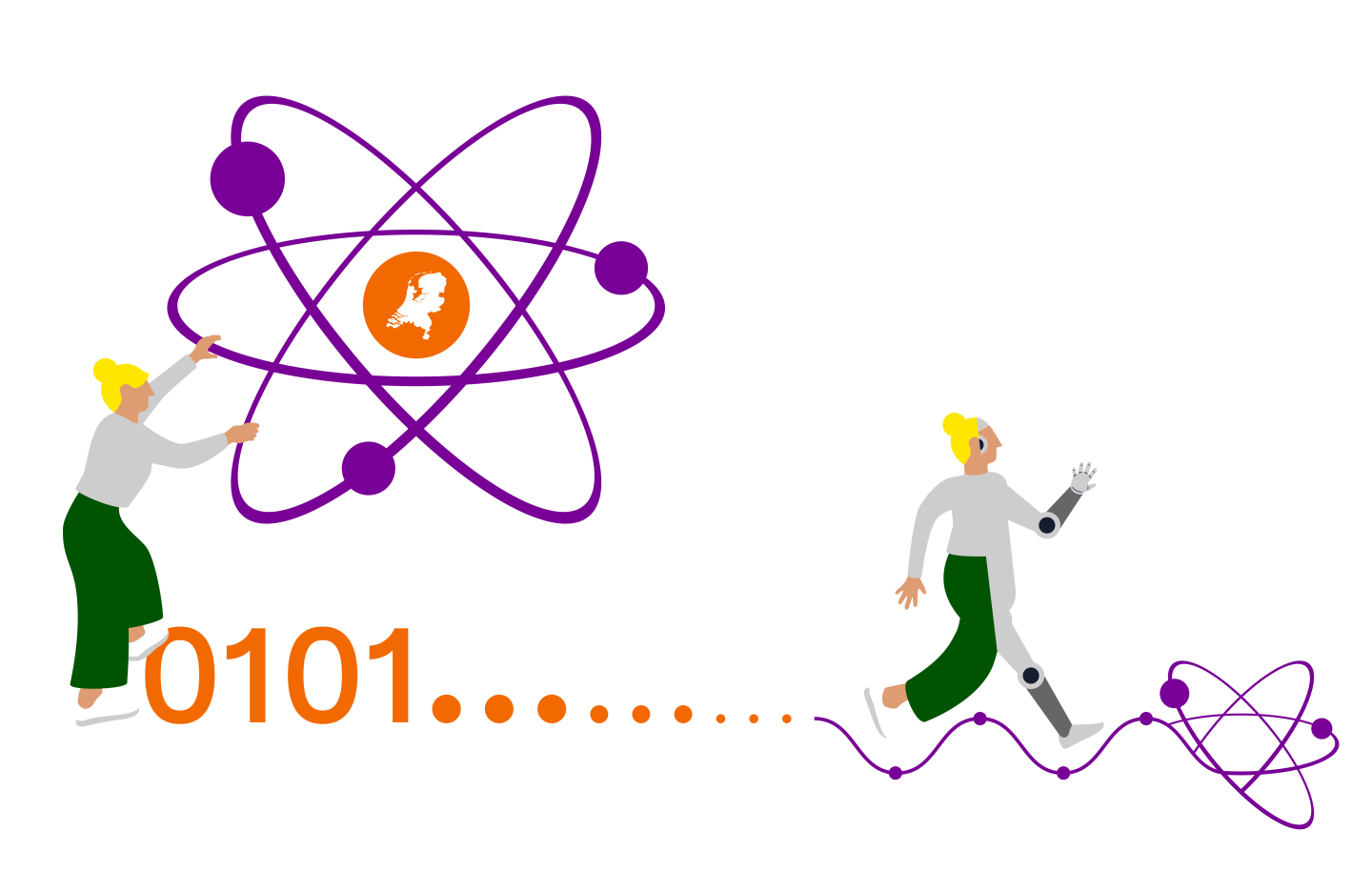
Preparing for post-quantum cryptography is not something organisations or countries should do alone. Across Europe, governments, researchers and industry are increasingly working together to share practical experiences, develop guidance and support organisations through the transition.
"It's not a topic that we should compete on."
The Netherlands plays an active role in this collaboration, working closely with countries such as France and Germany while contributing to international standards and European working groups.
Early adopters are already providing valuable lessons for others. Large technology companies have discovered that migrating cryptography can reveal unexpected challenges. Some software systems, for example, were designed with assumptions about encryption that no longer hold true when cryptographic keys become larger. Sharing these experiences helps other organisations avoid the same problems and speeds up adoption across the wider ecosystem. For start-ups, the opportunity is different. Rather than replacing older systems, they can design new products with post-quantum security built in from the beginning, making future transitions much easier.
Quantum computing is expected to unlock major advances across science, healthcare and industry. Protecting society against the new cyber security risks that come with those advances will require just as much innovation.
For Attema, preparing for post-quantum cryptography is not simply about responding to a future threat. It is about improving cyber security today while building resilient digital infrastructure for decades to come. He hopes the Netherlands will continue to lead by example, not only by completing its own migration but also by sharing knowledge and helping other countries prepare for the same transition.
"I would hope that the Netherlands is a frontrunner in post-quantum cryptography migration, so that we can also advise and help other nations."
The quantum era is approaching gradually rather than arriving overnight. That gives organisations time to prepare, but only if they start now. Through applied research, international collaboration and a strong cyber security ecosystem, we are helping ensure that tomorrow's digital world remains as secure as the one we depend on today.
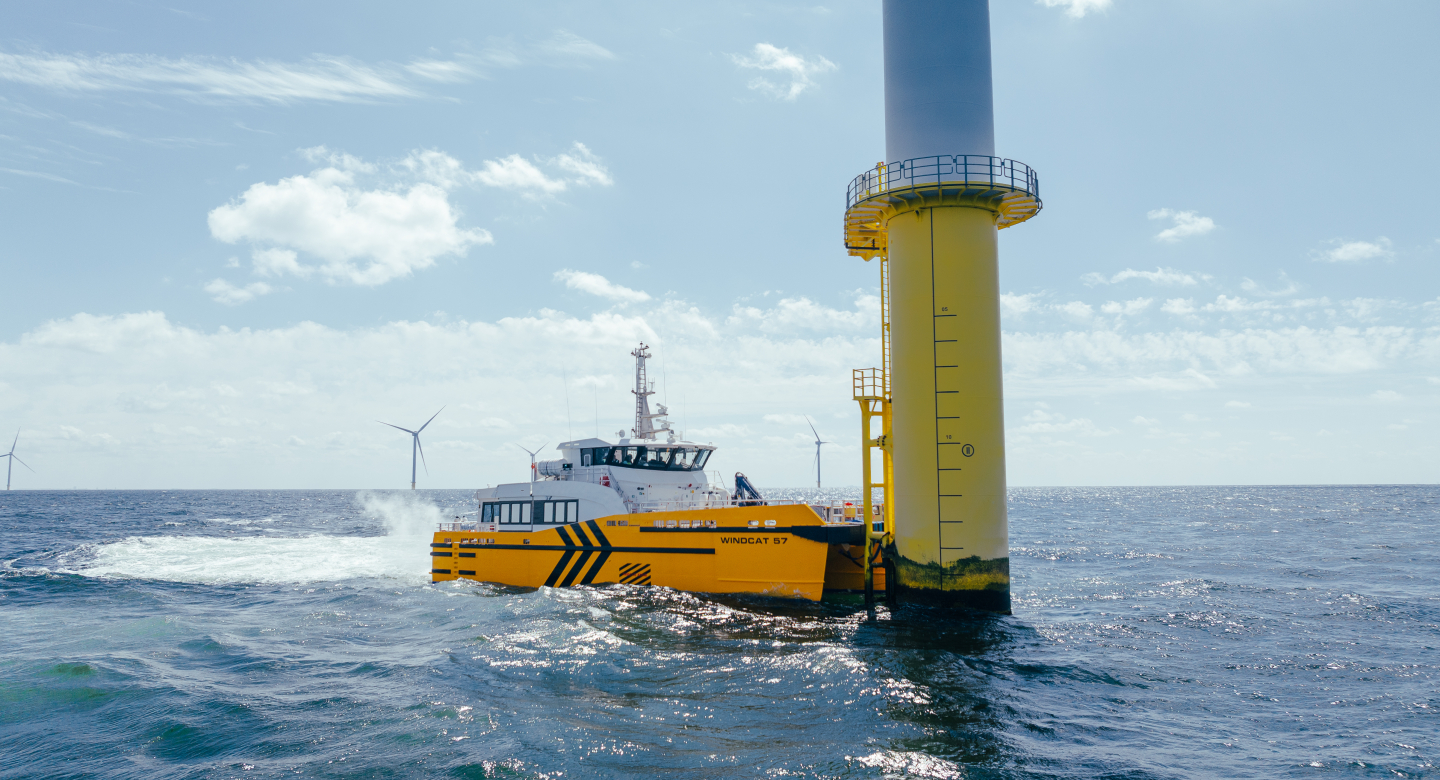
This Strategic Multi-Year Market (SMM) programme between the Netherlands and Brazil aims to accelerate the development of sustainable port infrastructure and clean energy solutions. By bringing together research institutions, innovative companies, industry organisations, and government agencies from both countries, the programme fosters strategic collaboration across the entire value chain: from port modernisation and smart logistics to offshore and onshore wind energy and green hydrogen. By connecting Dutch expertise and knowhow with Brazilian ambition and market opportunities, this program provides solutions for Brazil's rapidly evolving port sector and clean energy market.
Dutch and Brazilian stakeholders are jointly developing the infrastructure, technologies, and capabilities needed to decarbonise global supply chains, strengthen maritime competitiveness, and accelerate the energy transition.
The Netherlands and Brazil are both ambitious, outward-looking economies with a shared commitment to sustainable development, innovation, and the long-term transition to clean energy. As strategic like-minded partners across the Atlantic and in a world of growing geopolitical challenges, we bring complementary strengths to one of the defining challenges of our time: building the resilient infrastructure, logistics, and energy systems that a decarbonised global economy demands.
This economic mission brings Dutch and Brazilian partners together to explore concrete collaboration opportunities across two interconnected tracks under the banner Green Ports Partnership.
Brazil urgently needs to upgrade and expand its ports to handle rising cargo volumes, cut logistics and shipping emissions, and support future clean energy flows. The Netherlands, a recognised leader in smart, sustainable port development, is well placed to help.
Dutch expertise across port engineering, green dredging, electrification, digital twins, green logistics corridors, sustainable shipbuilding, and climate resilience offers a strong strategic fit with Brazil's ports, shipowners, and shipyards, whose ambitions in sustainable maritime industry, offshore renewables, and green hydrogen will demand major investment in fleet renewal and shipyard modernisation.
Through this track, the programme aims to grow Dutch exports, establish Dutch companies in the Brazilian market, and enable involvement in major port and logistics projects, while placing strong emphasis on knowledge transfer and capacity building for Brazilian professionals. By connecting Dutch innovation with Brazilian ambition, both countries can deliver near-term results that lay the foundation for long-term maritime partnerships.
Brazil stands on the threshold of becoming a global renewable energy powerhouse. With more than 180 GW of offshore wind projects under environmental review and ambitious plans for large-scale green hydrogen production, the scale of opportunity is significant, and the pace of development is accelerating faster than anticipated.
Dutch companies are active across the full value chain: from fixed and floating offshore and nearshore wind to green hydrogen production, conversion, transport and storage, to vessel design, bunkering infrastructure, and digitalisation for energy system optimisation. Early engagement is essential. The first offshore wind contracts are now being awarded in Brazil, and Dutch involvement now will help shape the regulatory frameworks, technical standards, and industrial partnerships that will define Brazil's clean energy sector for decades to come.
A concrete example of our cooperation is the Port of Pecém in the state of Ceará, where the Port of Rotterdam holds a 30% stake. The port is set to become Brazil’s leading hub for the production and export of green hydrogen and its derivatives.
Together, our two countries are well-positioned to co-develop long-term solutions that strengthen both economies and accelerate the global energy transition.
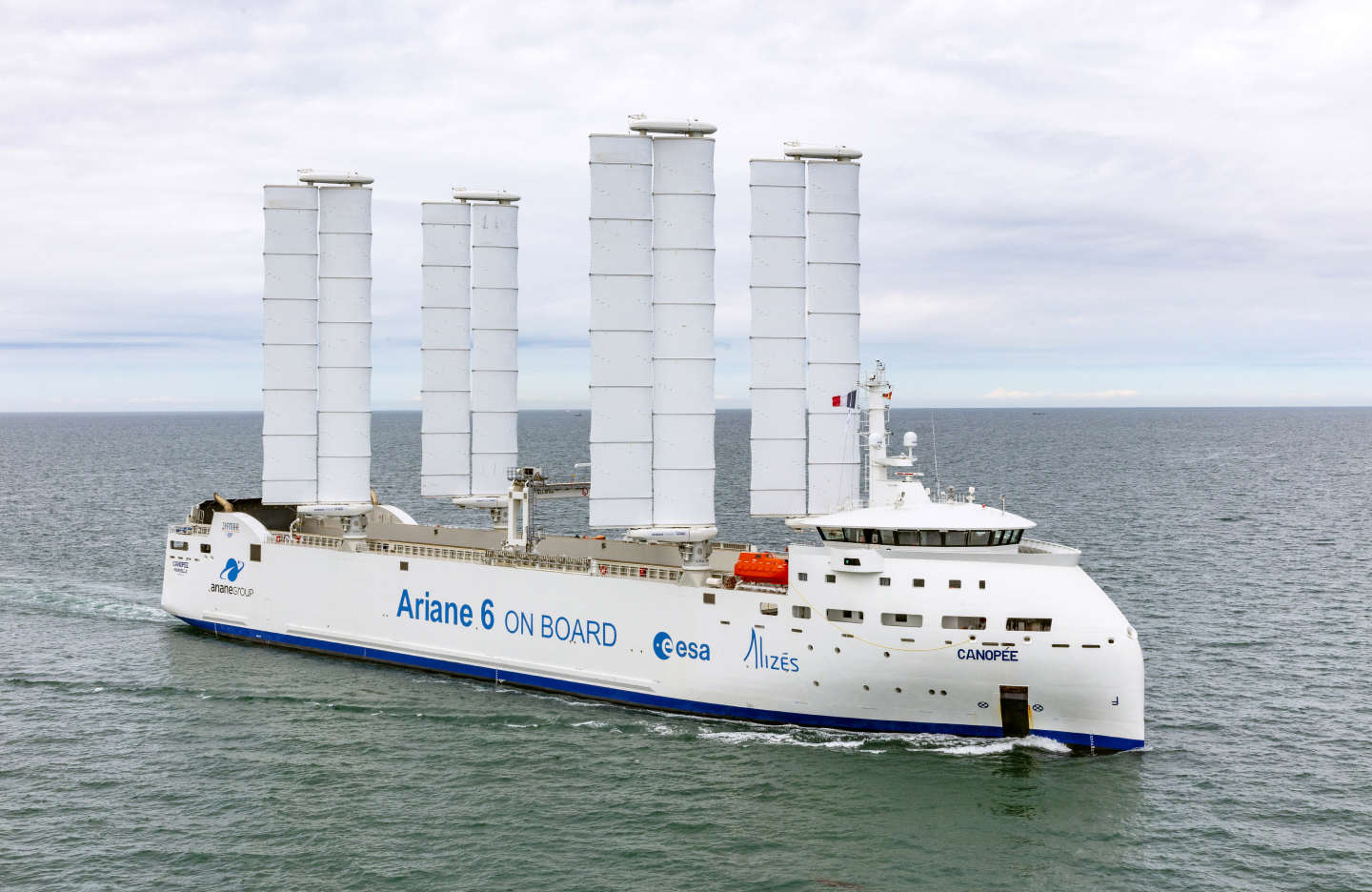
Navalshore 2026 marks an important milestone in the partnership between the Netherlands and Brazil. At the NL Lounge, Dutch and Brazilian stakeholders are invited to come together and explore how long-term cooperation can build a thriving maritime and shipbuilding ecosystem in both countries, connecting Dutch innovation with Brazilian ambition to deliver results today that lay the foundation for sustainable growth tomorrow.

Evy Menheere
Trade Promotion Manager at Maritime & Offshore NL
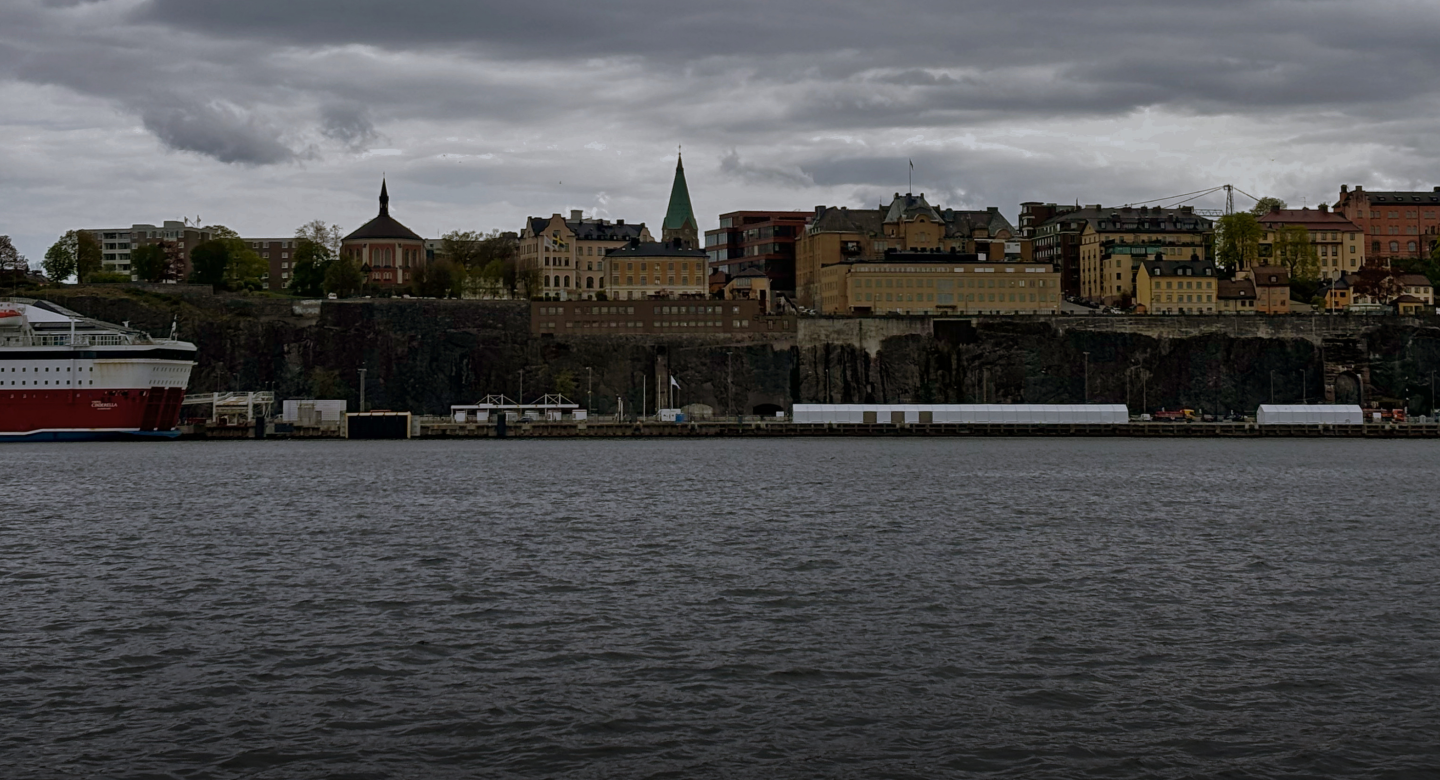
Under this year’s theme, ‘Water for People and Progress’, the Netherlands will work with international partners to turn shared ambitions into action. Water security is closely connected to food production, healthy ecosystems, trade and resilient economies. Because water risks cross sectors and borders, lasting solutions require cooperation between governments, businesses, communities, financial actors and knowledge institutions. At World Water Week, the Netherlands will contribute practical experience, evidence and partnerships, with a focus on collective action and long-term water resilience.
One of the Netherlands’ flagship sessions, ‘Water for Tomorrow: Shaping Future Agricultural Food and Trade Systems’, will explore how food production and international trade can better account for water scarcity. Together with the Food and Agriculture Organization of the United Nations (FAO) and the Global Framework on Water Scarcity in Agriculture (WASAG), the Netherlands will look at managing water collectively across landscapes while balancing the needs of people, food production, nature and local economies.
The three-part Water in Business programme will focus on moving beyond individual commitments towards collective action, measurable results and investment in long-term water resilience. This reflects the Netherlands’ approach that shared water risks require cooperation across businesses, governments, financiers and communities.
Finance and international cooperation will also be on the agenda. A panel with governments, development banks and climate finance institutions will explore how existing commitments can lead to investment and action, building momentum towards and beyond the UN 2026 Water Conference.
Throughout World Water Week, the Netherlands Booth will be a meeting point for Dutch and international water professionals to exchange knowledge, build connections and explore opportunities for cooperation.

Malaysia is entering a new phase of airport development, with growing capacity needs and ambitious targets for sustainability and digitalisation. We want to work together to ensure this growth goes hand in hand with more efficient operations, lower environmental impact and a better passenger experience.
The Netherlands brings more than 100 years of combined airport expertise, alongside practical experience in sustainable airport development, digital transformation and smart airport systems. By combining this knowledge with Malaysia’s aviation priorities and local expertise, we want to help develop solutions that are fit for Malaysia and ready for the future.
Our goal is to build long-term partnerships that turn knowledge and innovation into practical projects. By connecting Dutch companies, Malaysian stakeholders, government and knowledge institutions, we want to support the transition towards smarter, more sustainable and connected airports, creating benefits for Malaysia’s aviation sector and opportunities for both countries.





Passenger Terminal Expo Asia (PTE Asia) makes its highly anticipated Asia debut in Singapore on 23–24 September 2026, bringing the airport community together for two days of exhibition, conference content and networking.
Brought to you by the organisers of the world-renowned PTE World (Passenger Terminal Expo), PTE Asia combines a free-to-attend exhibition with a high-level conference, connecting airport leaders, industry experts and solution providers from across the region.

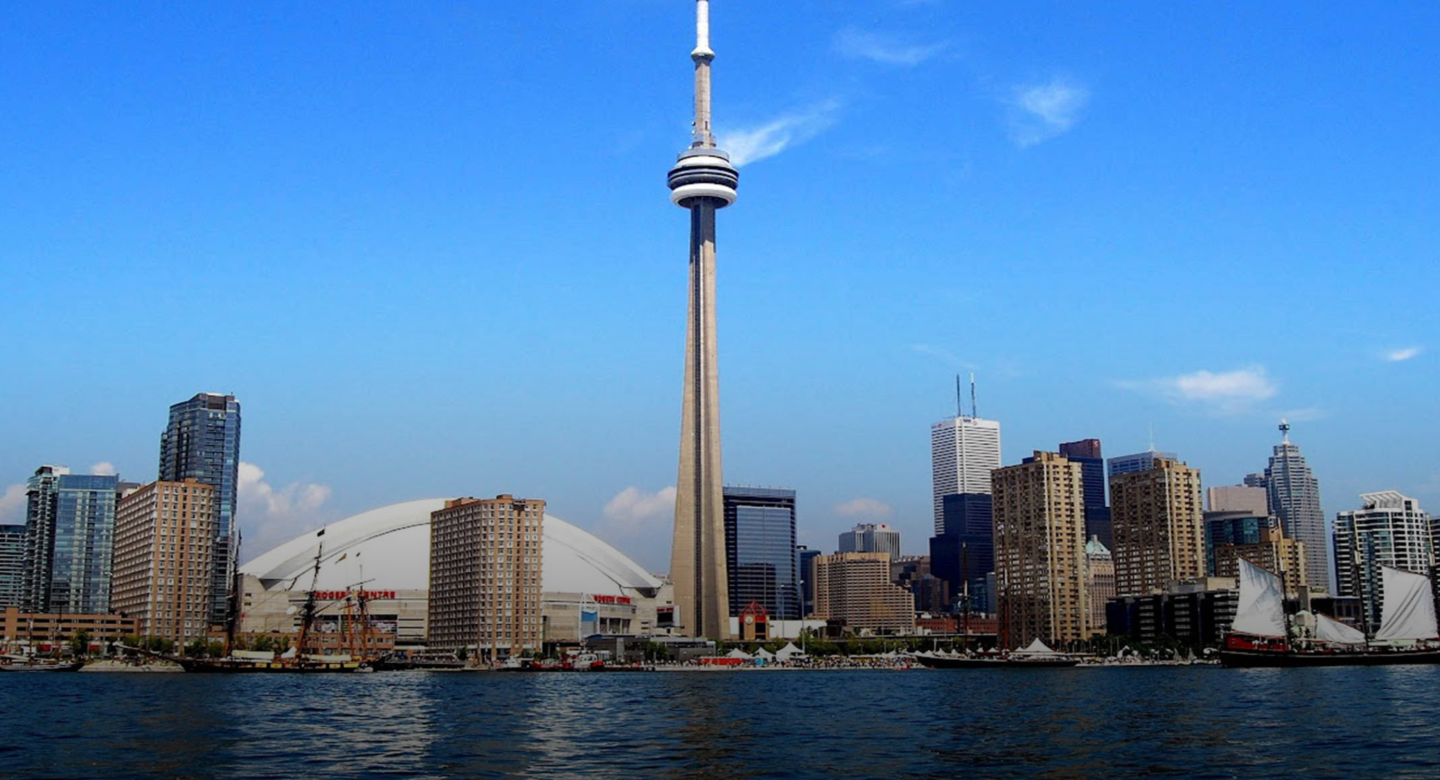
The Netherlands and Canada share a strong and longstanding economic relationship, with close ties in trade, innovation and entrepreneurship. Canada is an important trading partner for the Netherlands, while both countries offer dynamic business environments and opportunities for international growth.
Toronto and Ontario are home to a strong entrepreneurial and investment ecosystem, making the region an attractive market for Dutch companies looking to expand in North America. For Canadian businesses, investors and organisations, connecting with Dutch entrepreneurs offers opportunities to explore new partnerships, innovative business models and links to the Dutch and wider European market.
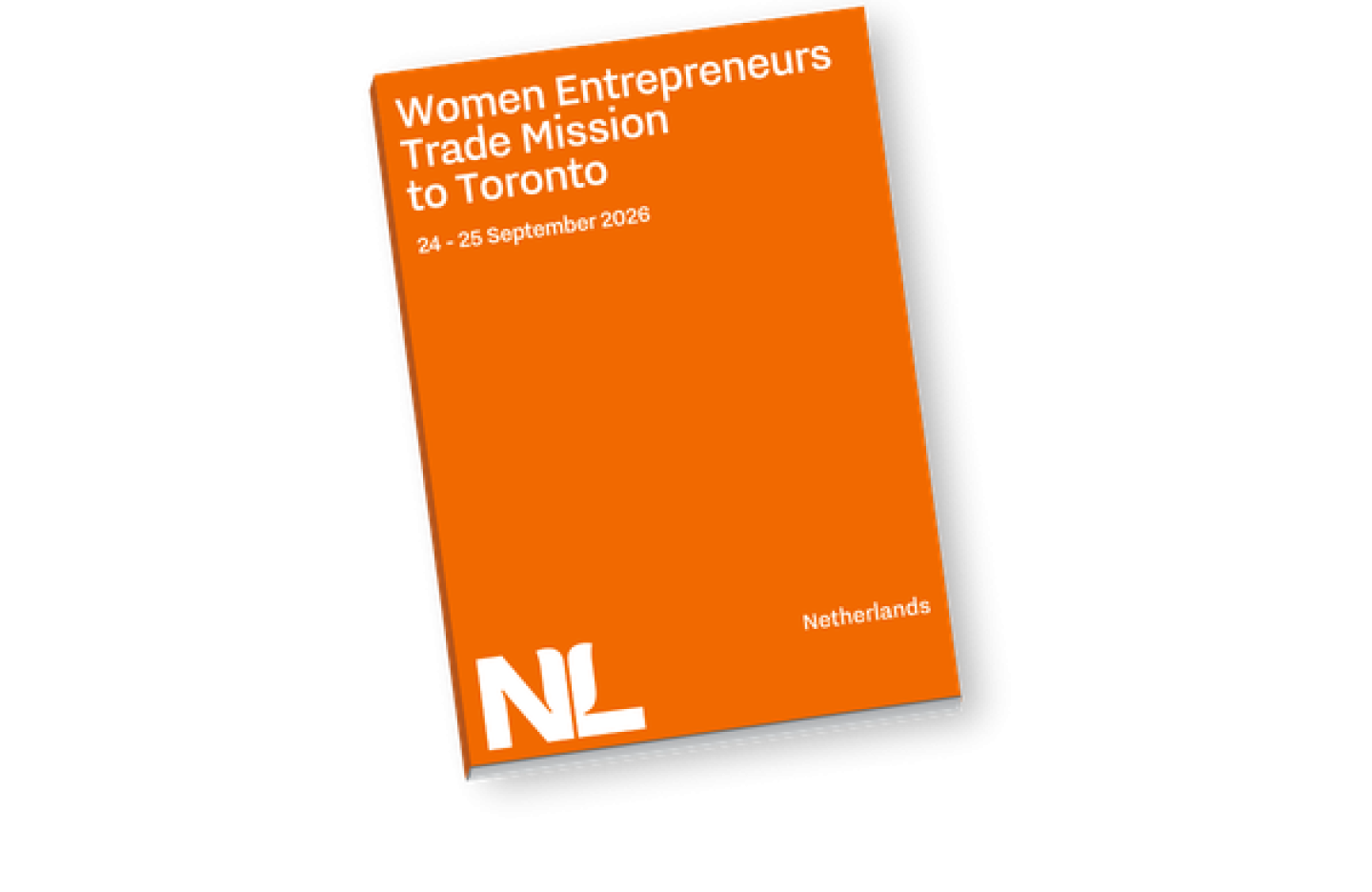
The Women Entrepreneurs Trade Mission to Toronto brings a delegation of Dutch women-led startups and companies to Canada on 24 and 25 September. During the mission, participants will explore the Canadian market, exchange knowledge on doing business in Canada and connect with potential partners, investors, clients and other relevant contacts.
By bringing Dutch entrepreneurs together with Canadian business and investment networks, the mission aims to turn new connections into concrete opportunities for collaboration, investment and international growth.
For more information about this mission:
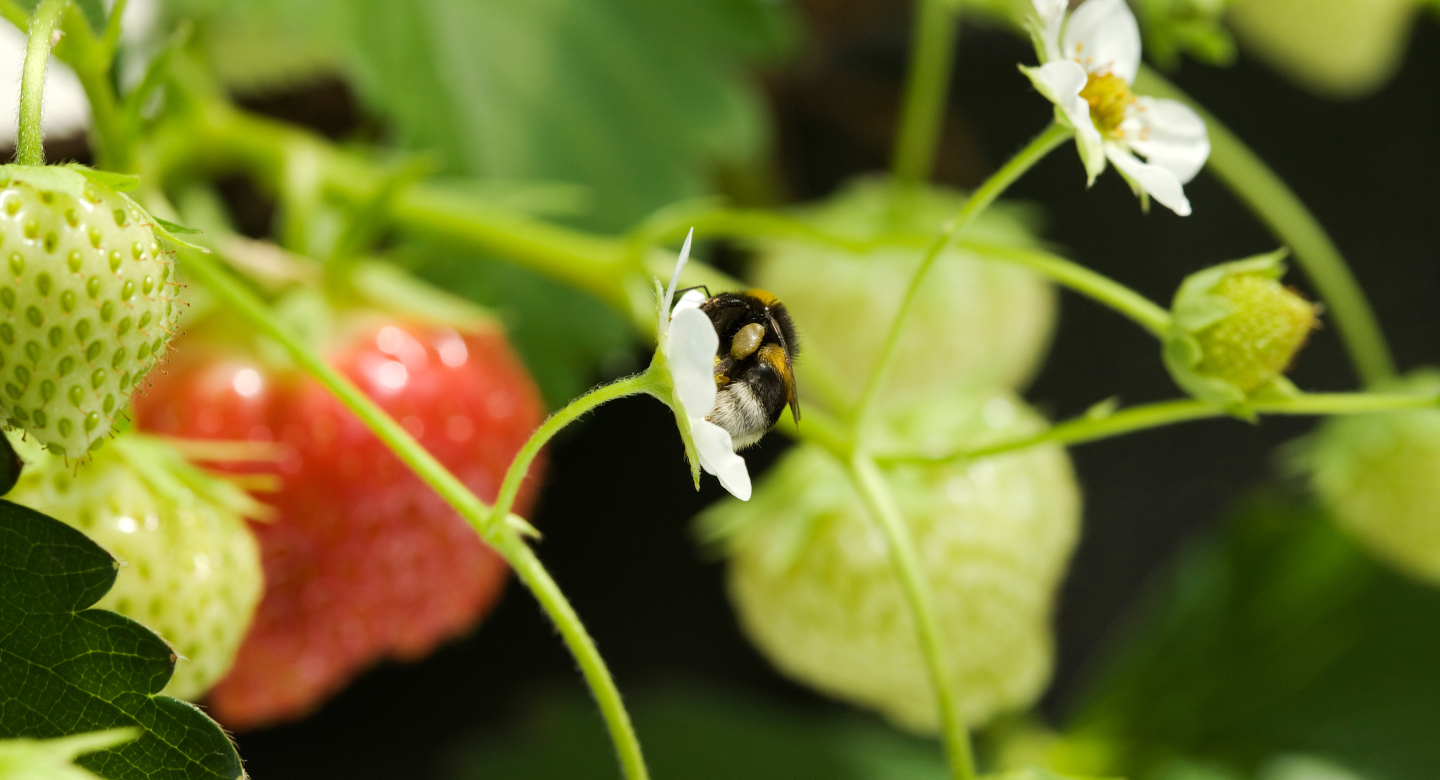
India and the Netherlands share a strong ambition to strengthen sustainable horticulture and build more resilient food systems. India combines a large and diverse horticultural sector with strong production capacity and growing demand for high-quality fruit and vegetables, while the Netherlands brings expertise in sustainable horticulture, protected cultivation, greenhouse systems, high-quality seeds and water management. Together, both countries have complementary strengths and a long-standing partnership in horticulture.
Building on this foundation, a delegation from the Netherlands will visit India to explore opportunities for cooperation and innovation in sustainable horticulture. The mission will take place in the presence of Minister Silvio Erkens, Minister for Food Security, Fisheries and Horticulture, and brings together companies, knowledge institutions and public organisations with expertise in areas including protected horticulture, water management, greenhouse technology, seeds, training and sustainable production methods.
By connecting Indian production and experience with Dutch knowledge and technology, we aim to strengthen existing relationships and create new opportunities for innovation and business. Building on successful cooperation we look forward to meeting Indian partners, exchanging knowledge and exploring practical solutions for a sustainable and resilient horticultural sector.
Want to know more about how you can work together with the Netherlands to achieve your goals? Or how you can help contribute to or spread the word on campaigns, events and initiatives? Contact us directly at info@nlbranding.nl so we can help you connect to the right people.


