
In the spotlight
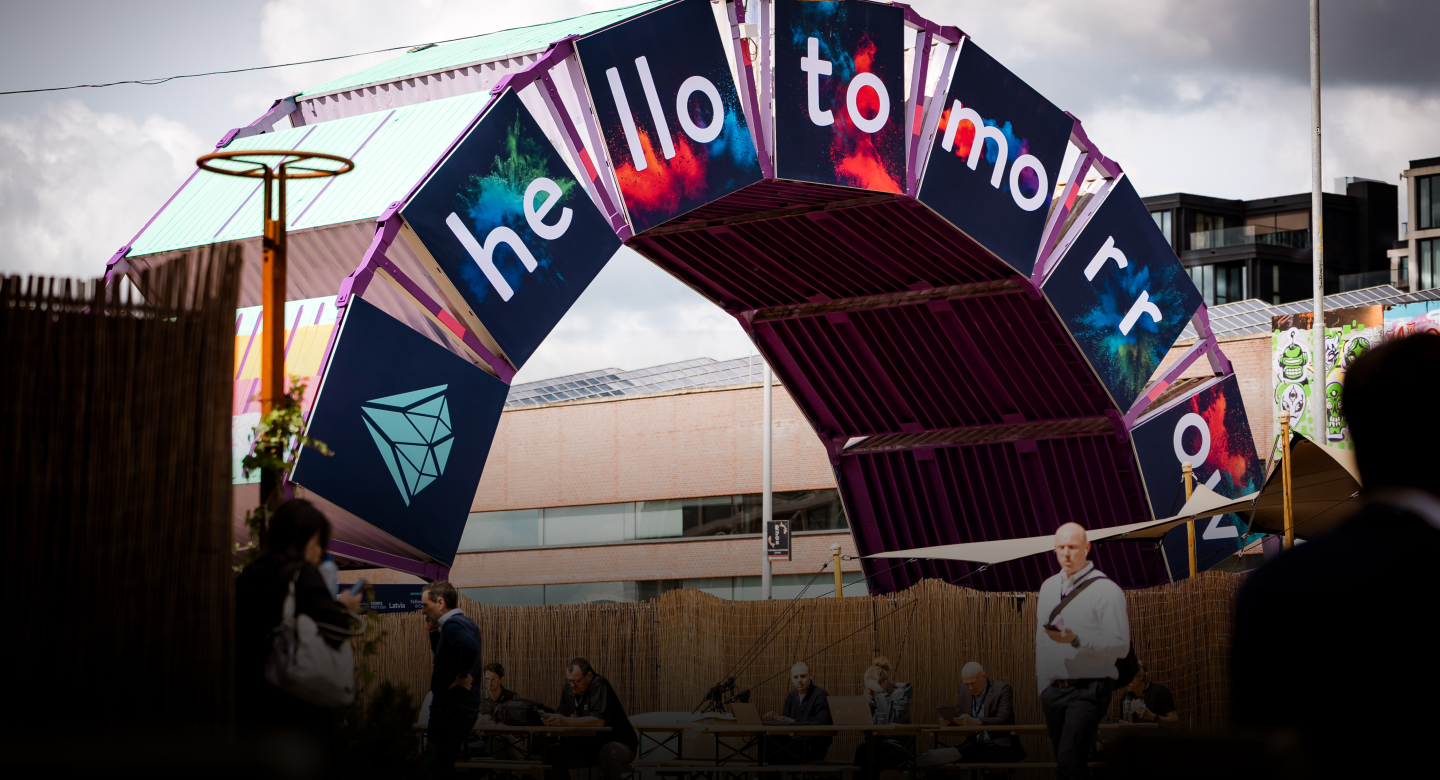
The deep tech ecosystem is having a moment. What spent years behind the scenes has been thrown into the spotlight, driven in part by geopolitics and the world's most pressing global challenges. This evolution is about embracing a digital, safe, and sustainable future.
That was the message Dutch Prime Minister Rob Jetten delivered at the opening ceremony of Hello Tomorrow. Set in Amsterdam's industrial NDSM shipbuilding district, the message was one of inspiration, positivity, and opportunity.
The setting was no accident. This was once home to the Netherlands heavy industry, where we built the ships that connected people and places across the world. Today the same robust, industrial location inspires a new generation of builders to make new connections of a different kind.
"We shouldn't be afraid of the future. We should embrace it." Rob Jetten.
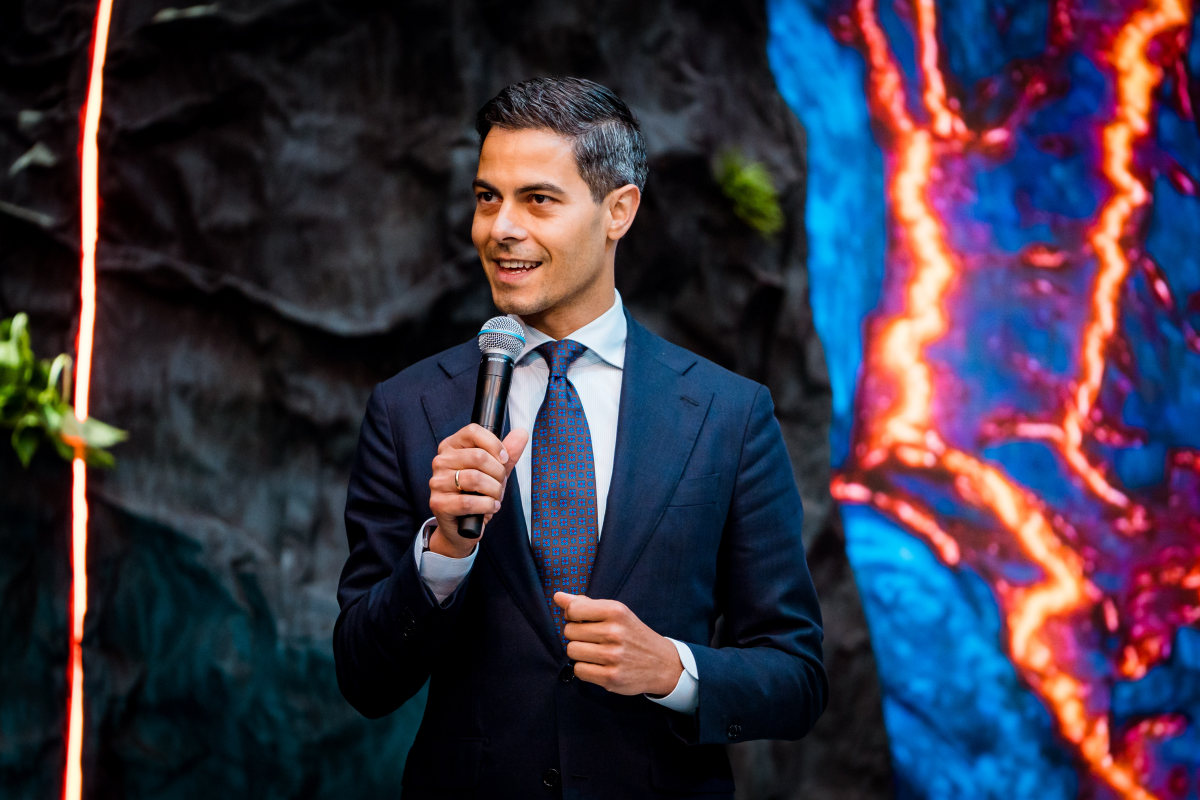
Deep tech is a difficult concept for most to grasp. Think photonics, quantum, semiconductors, biotech, fusion, and energy. It's a blend of industries built on genuine scientific or engineering breakthroughs, the kind that power the technologies defining the world we live in.
But the common thread that holds them all together is that they solve real, fundamental problems; Healthcare. The energy transition. Tomorrow's industry and Europe's competitiveness. As Jetten put it, "all these things are deeply interconnected."
Each of these technologies turns a hard-won scientific breakthrough into businesses others can't easily replicate, and can't afford to depend on others for. That's what makes deep tech strategically integral. And you don't get there by following the crowd. As Jetten put it, "You don't often find tech breakthroughs at the end of the well-trodden path."
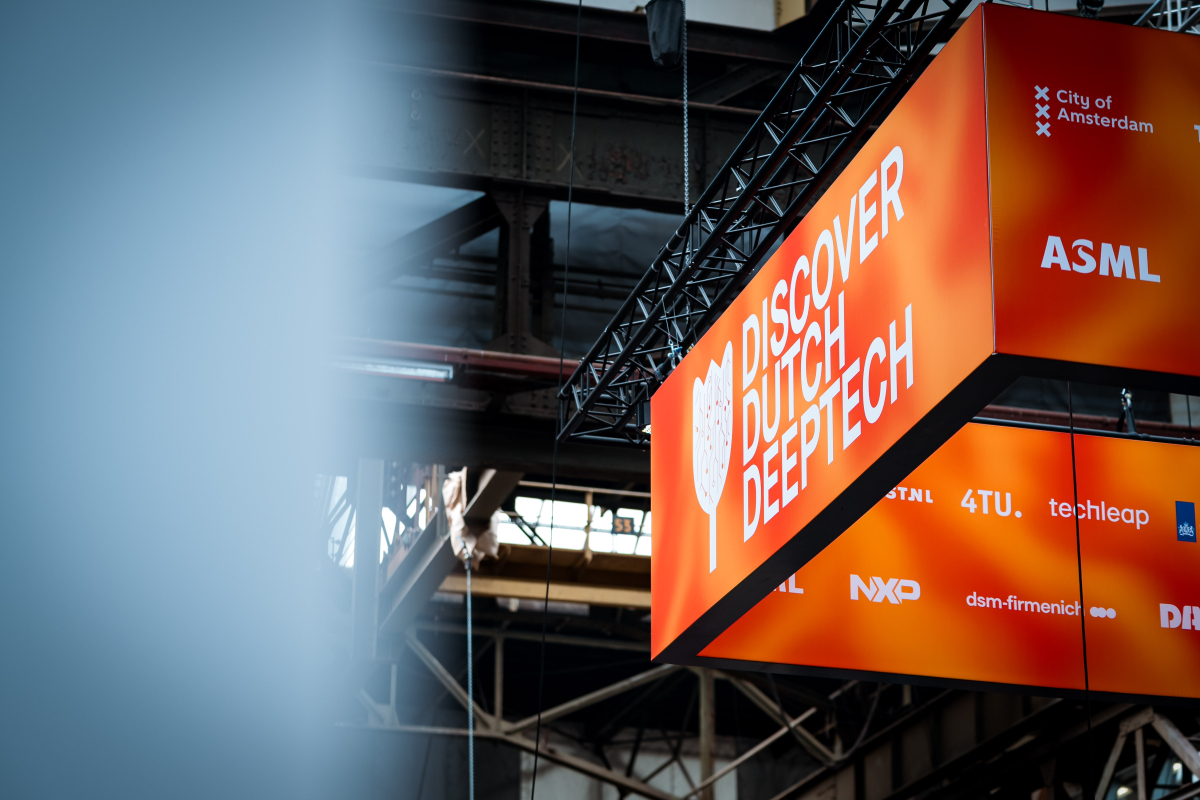
So how does a small country like the Netherlands create such a wealth of deep tech startups? The answer isn't simply capital or talent. It's a way of working that took decades to build and can't be bought off the shelf.
"We're very proud here in the Netherlands of our Triple Helix approach, where governments, educational centres, and companies work together, in a really Dutch way," said Jetten. "We call it Polderen. We're very good at talking, negotiating, compromising, and most of the time in quite a good atmosphere."
Polderen originates from a time when we had to work with the sea in order to survive, where holding back the water meant everyone around the polder had to cooperate, putting differences aside. The habit stuck and is now the operating system for how Dutch research institutes, universities, startups, investors and government come together to get things done.
This is the part that's easy to underestimate. You can fund a lab or invest in a startup. But you can't purchase the institutionalised trust between a research institute, an accelerator, a public investor and a ministry that have spent years learning to pull in the same direction. That coordination is the Netherlands' greatest deep tech asset. It's also a deliberate bet on a different model. Jetten framed it as "building the European ecosystem as a third way, as opposed to an approach seen elsewhere in the world."
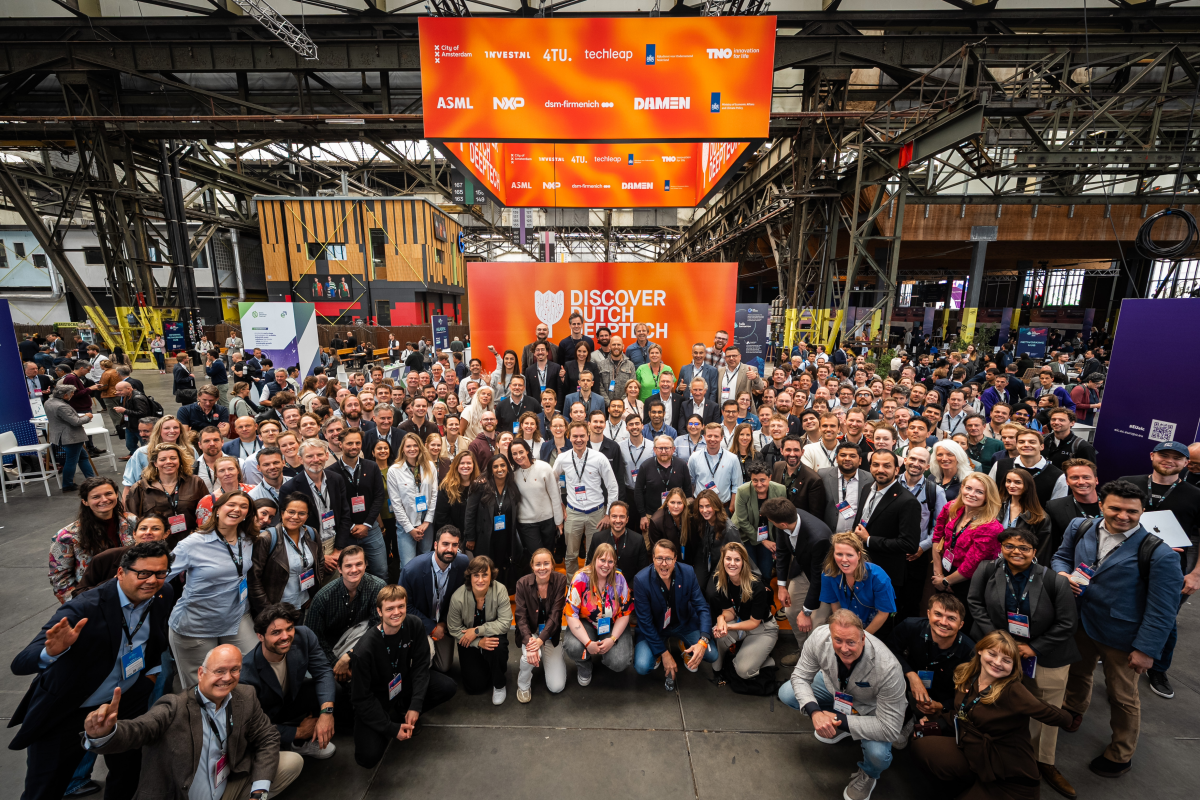
The ecosystem already has its anchors. "Amsterdam and Eindhoven are the most internationally known examples of hubs in the Netherlands," said Jetten, "where one or more companies have created an ecosystem with many other organisations. What we've done over the past few years is partner up as a government to finance new research programmes and attract talent from abroad to build a stronger ecosystem."
The next move is to scale beyond borders. "We are looking at France and Germany, as well as other countries nearby, to better connect the dots. To connect all these hubs." This is ecosystem building as strategy, not slogan. The culture itself is created and built by entrepreneurs and researchers. But the connective tissue between them, across labs, cities and borders, is a deliberate choice. And it's the choice that turns a cluster of clever companies into something far harder to compete with.
Which brings it back to where Jetten started, on that old shipbuilding yard that once connected the world by sea. "We need international cooperation that transcends physical borders," he said. "We need bridges, not barriers."
That's why the world needs to discover Dutch deep tech.
Photo credits: Solid Focus.


