
In the spotlight
Digital transformation in 2026 is no longer about chasing the next breakthrough technology. It is about how different technologies come together and how countries turn that convergence into something that lasts. Artificial intelligence, quantum, cyber security, semiconductors, connectivity, and life sciences are increasingly shaping one another. Together, they are redefining how societies innovate, how economies stay resilient, and how people experience the impact of digital change in everyday life.
This article explores that convergence through two key lenses: SURF Tech Trends 2026, which maps the technological shifts ahead, and the Dutch National Technology Strategy, which outlines how the Netherlands is building the foundations to respond. By looking at these technologies not in isolation, but as part of a connected system, we dive into how digital transformation is evolving from a collection of trends into a shared, strategic capability.
Artificial intelligence sits at the centre of today’s digital transformation, but by 2026, it is no longer about experimentation or efficiency alone. AI is increasingly used to support complex decisions, accelerate scientific discovery, and improve how systems work in practice. In the Netherlands, this shift is shaped by an ecosystem that brings together researchers, startups, and public partners around a shared question: how do we make AI powerful and trustworthy? The answer lies in close collaboration between software, specialised hardware, and energy-efficient computing, connecting digital innovation directly to the country’s strengths in semiconductors and high-tech systems.
As digital systems grow more complex, trust becomes a defining condition for transformation. Cyber security in 2026 is no longer an add-on, but a foundational layer. AI-driven attacks, geopolitical tensions, and emerging quantum threats are reshaping how organisations think about risk. In response, Dutch innovation ecosystems, particularly those clustered around high-tech campuses and research institutions, are working on integrated approaches where security, hardware, and software are designed together. This integrated approach reflects a broader national priority: safeguarding digital trust as a prerequisite for innovation, economic stability, and international collaboration.
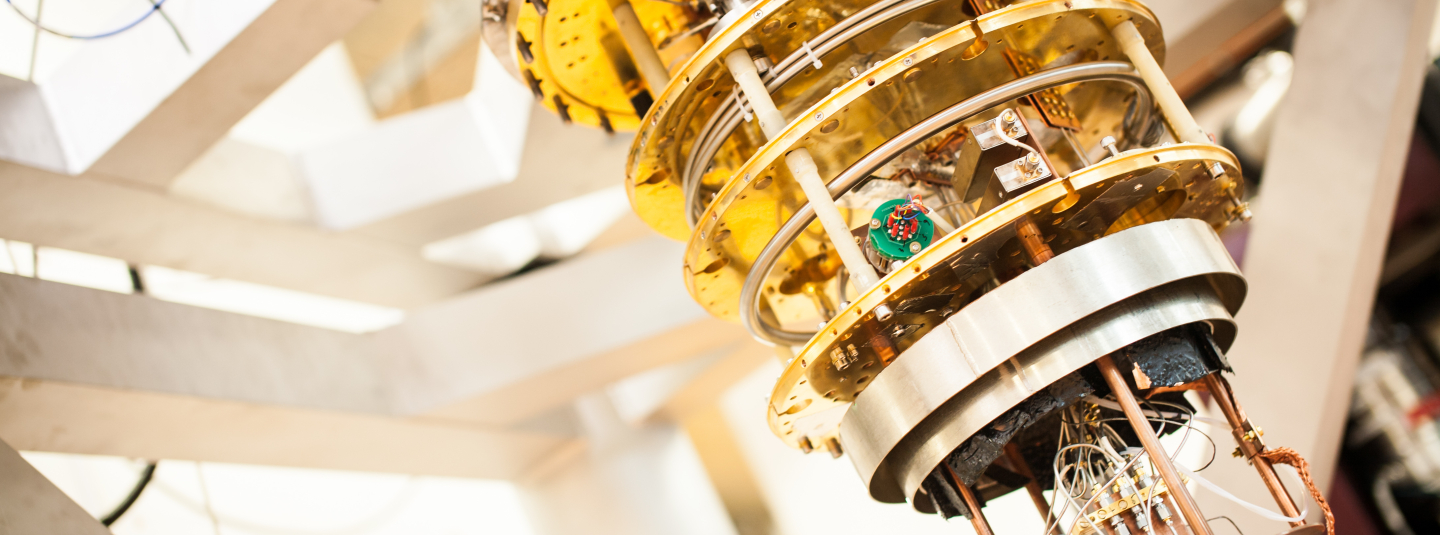
Quantum technologies mark another transition point. If the past decade was about proving what quantum could do, 2026 is about preparing for where it fits. Hybrid classical quantum systems begin to appear in research, quantum sensing opens new doors in healthcare and materials science, and quantum-safe security moves from concept to reality. Through national initiatives and closely connected regional hubs, the Netherlands is asking a bigger question: what happens when quantum moves out of the lab and into the system? The answer is taking shape as quantum capabilities are deliberately embedded into the wider digital infrastructure.
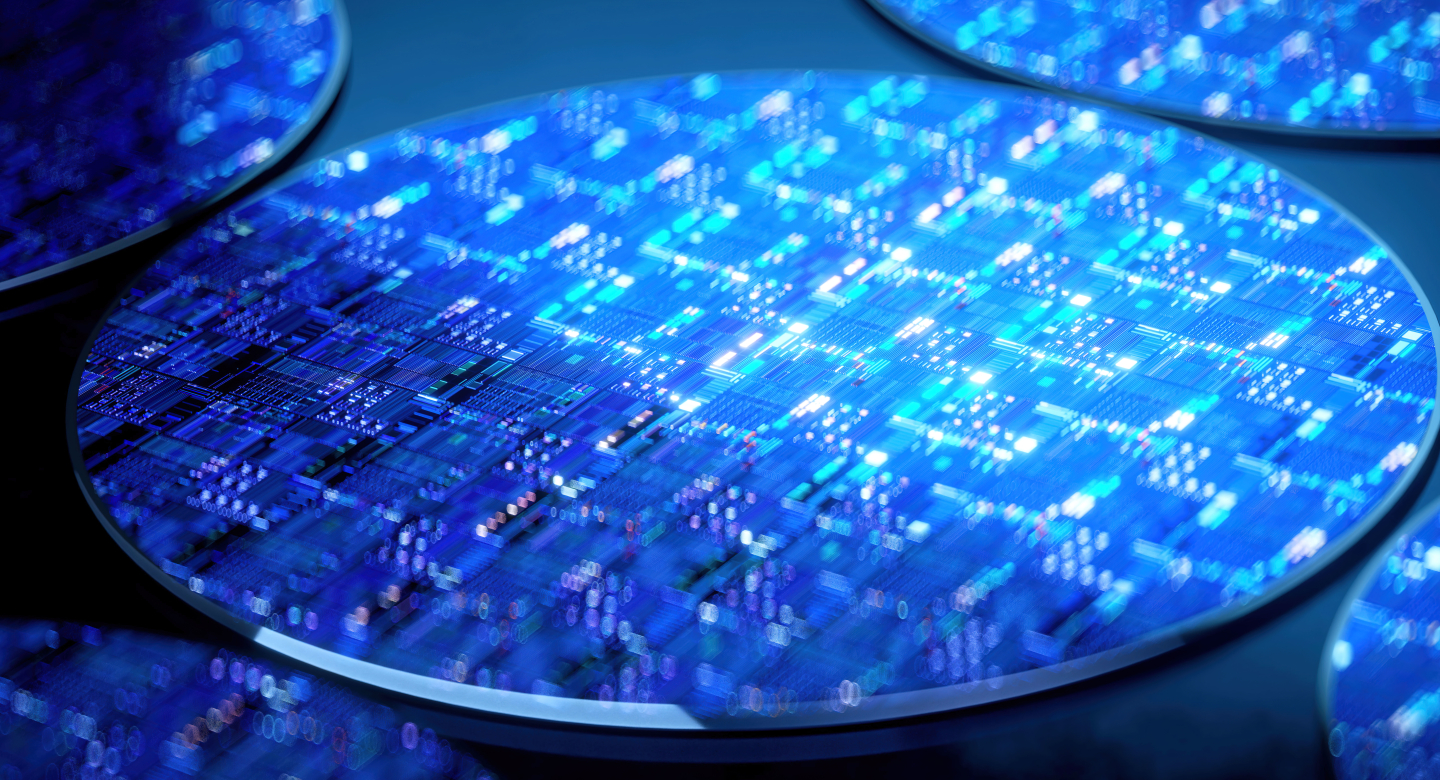
Beneath the quantum hype lies a foundation too often taken for granted. Semiconductors and photonics form the backbone of digital transformation, enabling everything from AI acceleration to high-speed data transfer. As global demand increases and supply chains come under pressure, these technologies have become strategic assets rather than industrial commodities. Dutch clusters in photonics and chip design demonstrate how deep-tech innovation, talent development, and industrial collaboration can reinforce Europe’s technological resilience while remaining globally connected.
Behind every digital breakthrough is a simple requirement: connection. Reliable networks allow researchers to collaborate across continents, enable industries to operate in real time, and support healthcare systems that increasingly depend on data. For the Netherlands, connectivity is not just infrastructure, it is the backbone of international cooperation and shared innovation. Investing in connectivity means ensuring that ideas, data, and expertise can move freely, turning local innovation into global impact.
Nowhere is this convergence more visible than in life sciences and health. Here, digital transformation directly impacts people’s lives. AI-driven diagnostics, data-intensive research, and personalised medicine rely on advanced computing, secure data sharing, and interdisciplinary collaboration. Dutch life-science hubs bring together universities, hospitals, startups, and industry partners, illustrating how digital infrastructure and human-centric innovation reinforce one another. A win-win for everyone.
And beneath all these technologies lies another strategic layer: raw materials and advanced materials research. From semiconductors to quantum devices, innovation depends on access to scarce resources and sustainable supply chains. Research institutes and public-private collaborations in the Netherlands are increasingly focused on circularity and material efficiency, recognising that digital transformation cannot be separated from physical and environmental realities.
What emerges from the 2026 outlook is not a collection of trends, but a connected system. Artificial intelligence depends on computing infrastructure. Cyber security underpins trust across individual, societal and infrastructure layers. Quantum reshapes what is computable. Semiconductors and photonics enable performance and efficiency. Connectivity ensures scale. Life sciences translate technology into societal value. Materials secure long-term resilience.
The Netherlands’ strength lies in embracing this systems approach. By aligning technological innovation with national strategy, ecosystem collaboration, and long-term responsibility, the country is not only adapting to digital transformation, it is actively shaping its direction.


