
In the spotlight
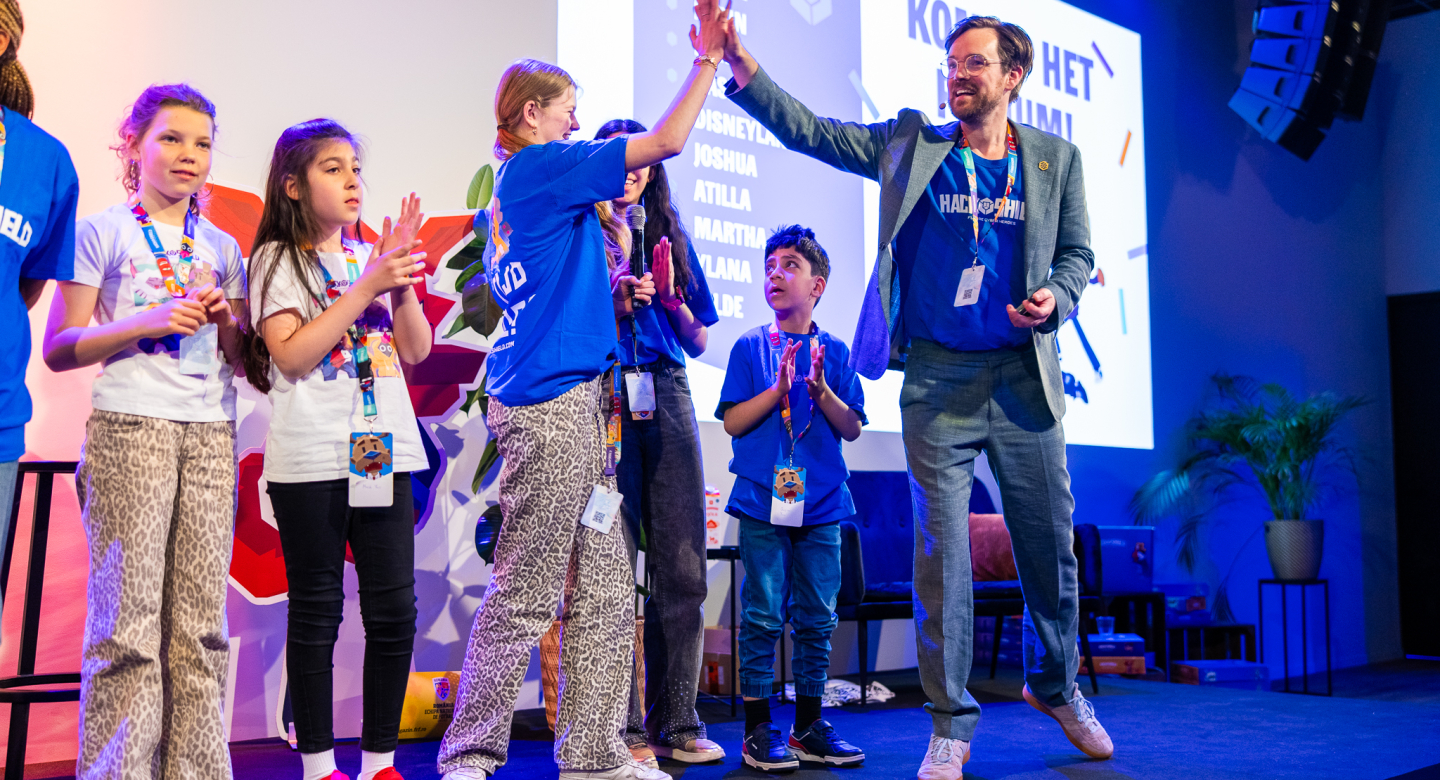
Teaching children how to cross the road, ride a bike or tie their laces is a globally shared experience. But when it comes to navigating the digital world, we often throw them straight into the deep end. This is exactly the gap Emily Jacometti, co-founder of Dutch social enterprise HackShield, set out to address.
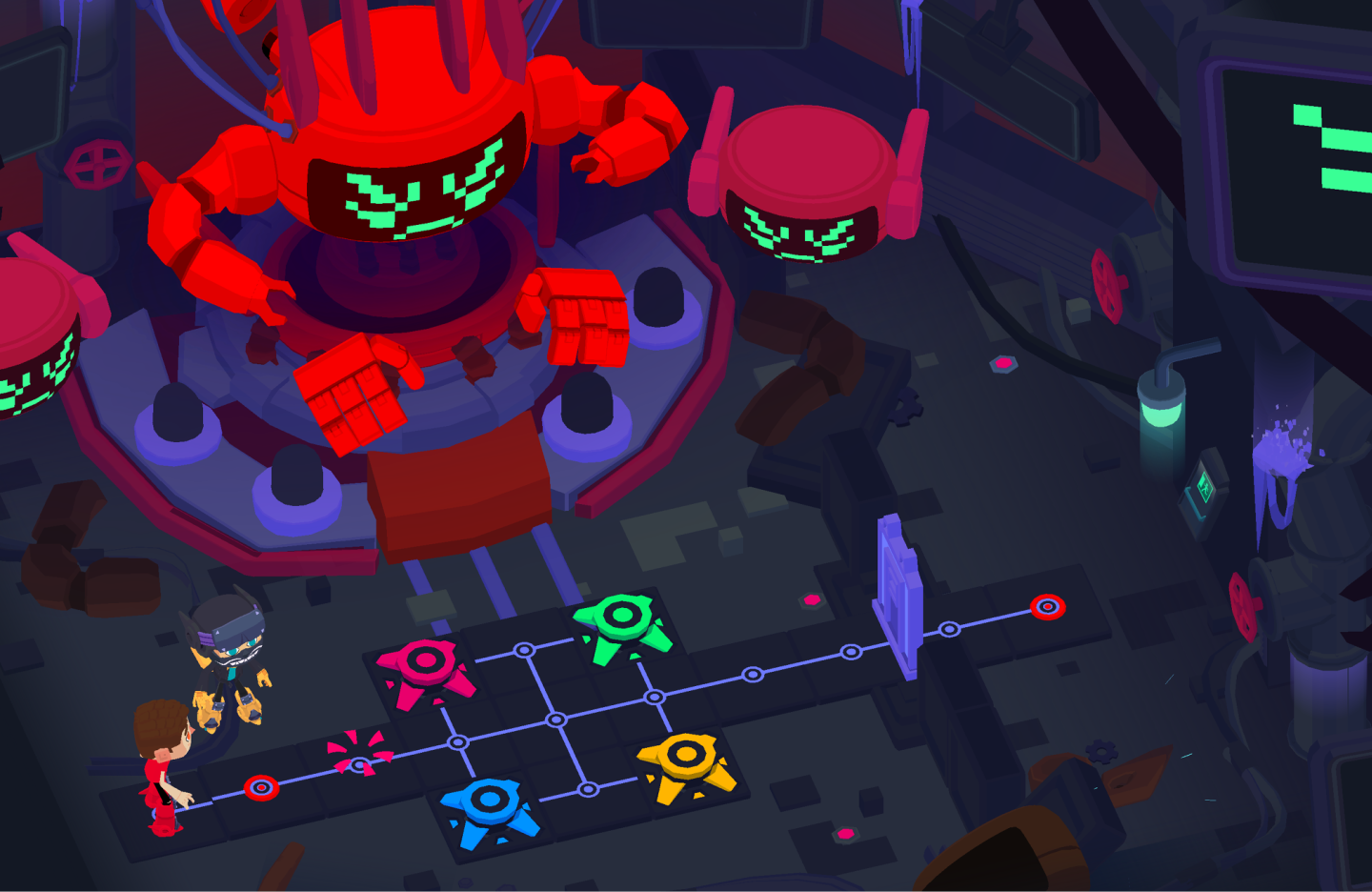
Jacometti and her team co-founded HackShield in 2019 to spark a social movement that makes communities more cyber-resilient. In an ever-increasing digital world, cybercrime such as ransomware, identity theft, grooming and sexting poses serious threats to our safety. This is especially relevant for younger generations, who are growing up in a highly connected world and will spend much of their lives online. The platform’s focus is on preteens who, in the future, will play a pivotal role in shaping our digital society. The 7-12-year-old users are better known at HackShield as Junior Cyber Agents, where they play games, carry out missions, and earn points to be crowned Cyber Hero. Knowledge sharing is also a key component of their approach. Through gaming, children share what they learn with parents, grandparents, and other family members.
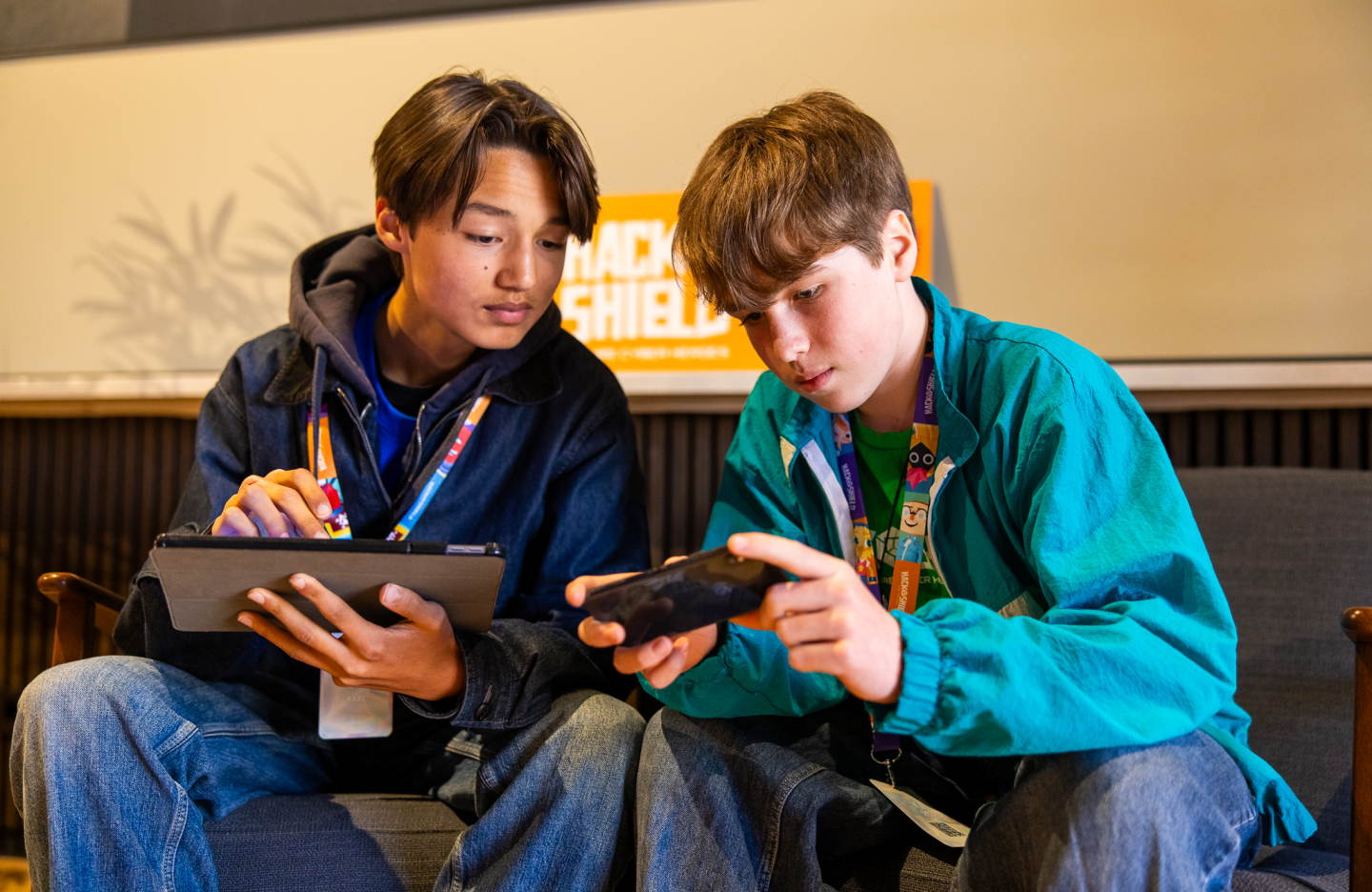
'We focus on children first because they are the foundation of the future and often the gateway to reaching adults.'
Emily Jacometti - Co-founder HackShield
For HackShield, the ambition goes beyond teaching children how to stay safe online. The social enterprise also wants to spark curiosity about technology and cyber security from an early age. After stepping into the role of a Cyber Hero, some children developed an interest in pursuing a career in cyber security or IT. It shows how early exposure to cyber security can inspire the talent of tomorrow.
Jacometti believes the impact could grow significantly over the next decade. Looking 10-15 years ahead, she envisions tens of thousands, perhaps even hundreds of thousands, of young people who have taken part in the programme contributing to an industry that protects society from cybercrime.
But preparing the next generation isn’t only about filling the cyber security jobs we know of today. As technology evolves, so does the nature of the work needed to protect it. Artificial intelligence (AI) has accelerated the race against cybercrime and changed the way we think about careers in IT and cyber security. It is creating new opportunities, while many of the roles and skills needed in the future have yet to be defined. Jacometti believes this means young people need to develop skills that go beyond preparing for one specific career. “It also requires us to start thinking differently about the job market. Not ‘What do I want to be now?’, but ‘What might the future look like, and how can I ensure that my skills and abilities are prepared for something I don’t yet know about?’”.
'We are not far from realising a global cyber resilient community.'
Emily Jacometti - Co-founder HackShield
HackShield’s vision reflects the Netherlands’ broader commitment to building a safe and resilient digital society. As a highly connected country with a strong cyber security sector, the Netherlands recognises that tackling cybercrime requires more than technology alone. Digital skills, awareness and international cooperation are equally important.
The social enterprise is already taking this approach beyond Dutch borders. The Junior Cyber Agents are now active in 8 countries, with 26 more on a waiting list. Close to 1 million children are currently using the platform, of whom almost half are girls. The organisation aims to reach 10,000,001 children by 2030.
Brazil was one of HackShield’s early international projects. Together with local partners, the social enterprise helped establish an IT infrastructure to teach Brazilian children about cyber resilience. Years later, the project is still active, with plans for further expansion.
Recently, Belgium became HackShield’s official Partner Country, which gives HackShield access to local stakeholders and initiatives. One such initiative was set up by the Belgian police. They introduced HackShield to local schools, allowing students to continue playing the game at home and earn points toward their Junior Cyber Agents badge.
For HackShield, building a cyber-resilient society starts with giving children the skills to navigate the digital world, and empowering them to pass those skills on. What began as a Dutch initiative is now becoming an international movement.
Photo's ©HackShield.
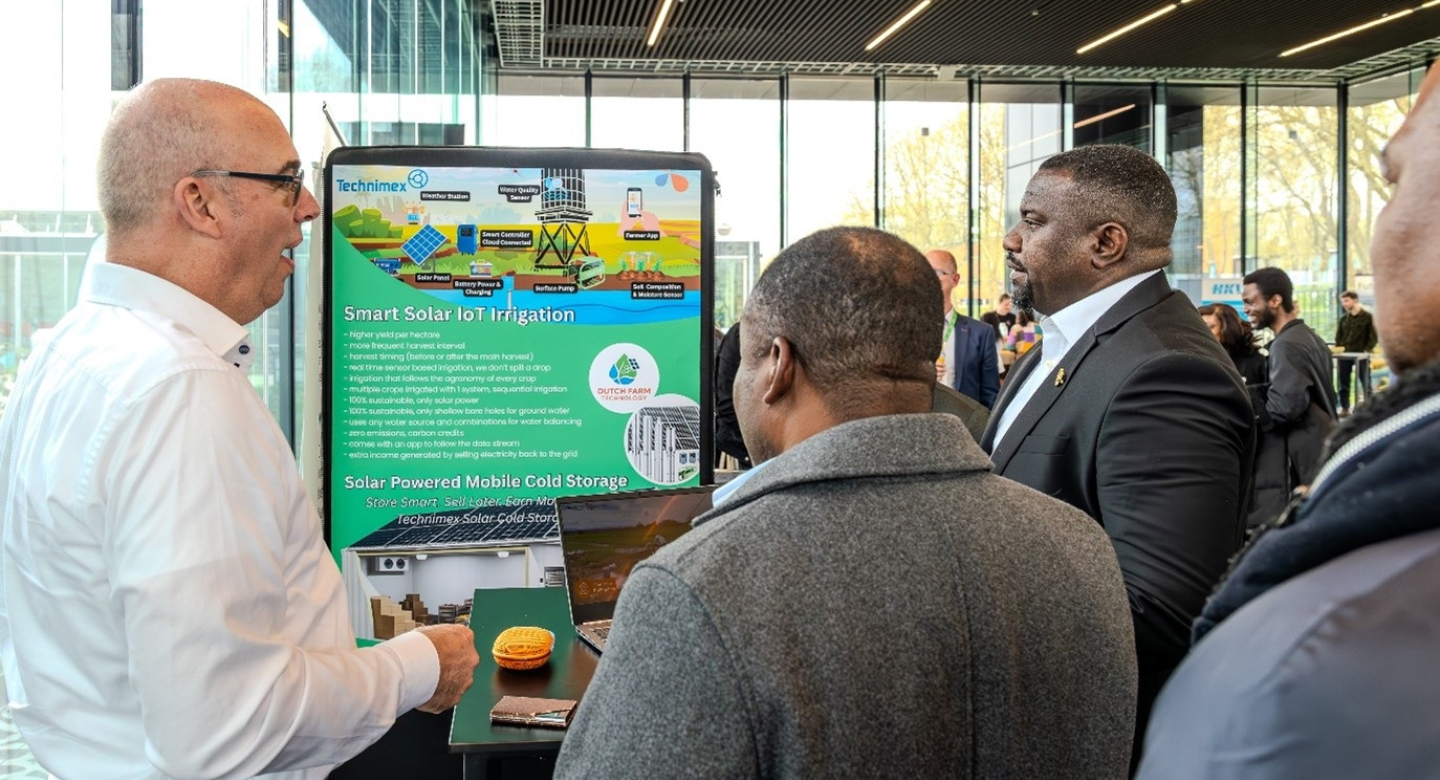
How can international cooperation help create a more sustainable and resilient food system? Ghana and the Netherlands are working together to find answers, combining Dutch expertise with local knowledge and innovation. From horticulture and seed development to soil health and reducing food loss, their partnership is opening new opportunities for Ghana’s agricultural sector.
Discover how Ghana and the Netherlands are working together to grow a stronger agricultural future:
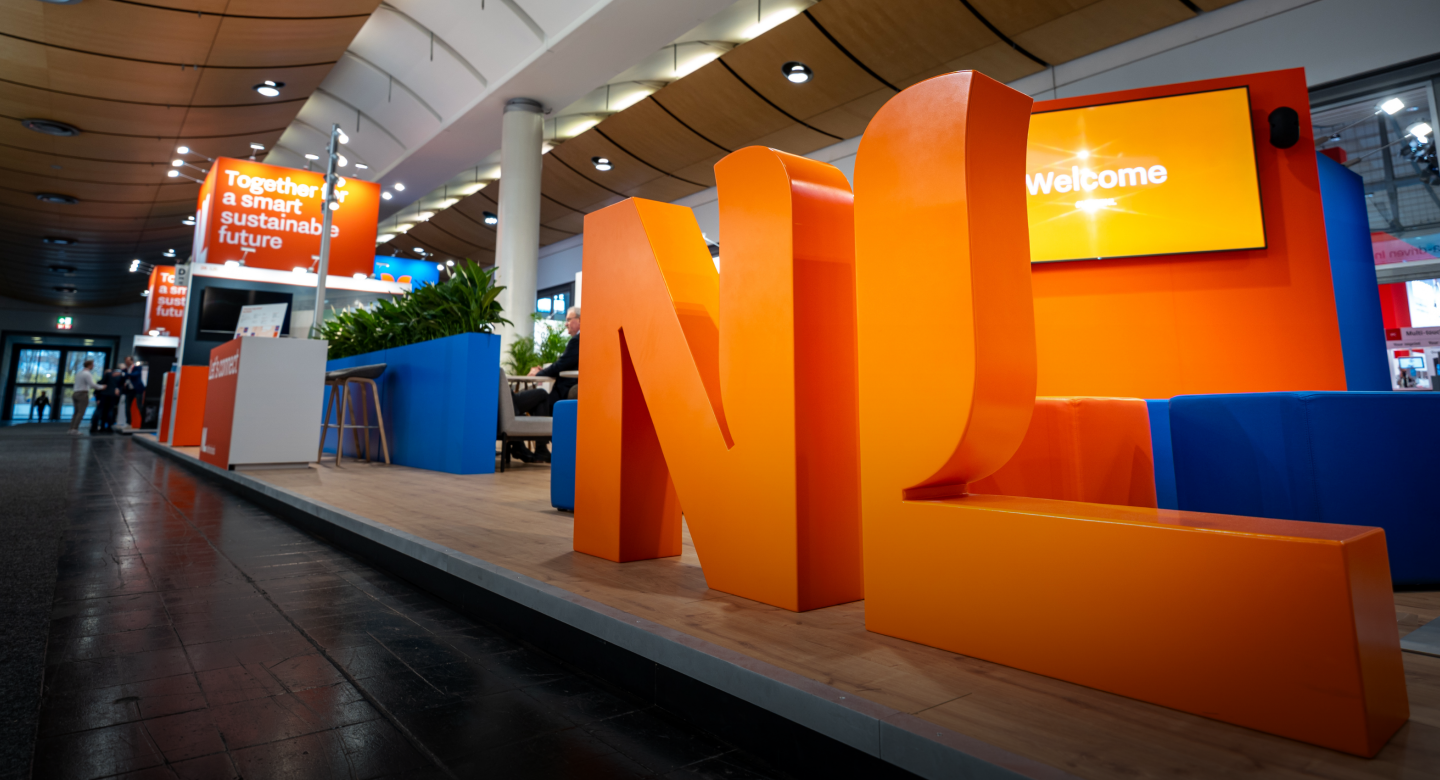
The Czech Republic and the Netherlands share a strong ambition to strengthen their economies through technology and innovation. Both countries have internationally connected industrial and high-tech ecosystems with complementary strengths. The Czech Republic combines a strong industrial base and engineering tradition with expertise in manufacturing, robotics, semiconductors and dual-use technologies, while the Netherlands brings expertise in semiconductors, photonics, high-tech systems and industrial automation. The 2025 Dutch State Visit to the Czech Republic created further momentum for cooperation between these ecosystems.
Building on this foundation, a delegation from the Netherlands will visit the Czech Republic to explore opportunities in smart industry and defence. The mission brings together companies, knowledge institutions, technology clusters and public organisations with expertise in areas including automation and robotics, semiconductors, photonics, machine vision, digitalisation and advanced manufacturing.
By connecting research, technology development and industrial expertise, we aim to strengthen existing relationships and create new opportunities for innovation and business. We look forward to meeting Czech companies, researchers and other organisations, exchanging knowledge and exploring opportunities for long-term cooperation.
For more information about this mission:
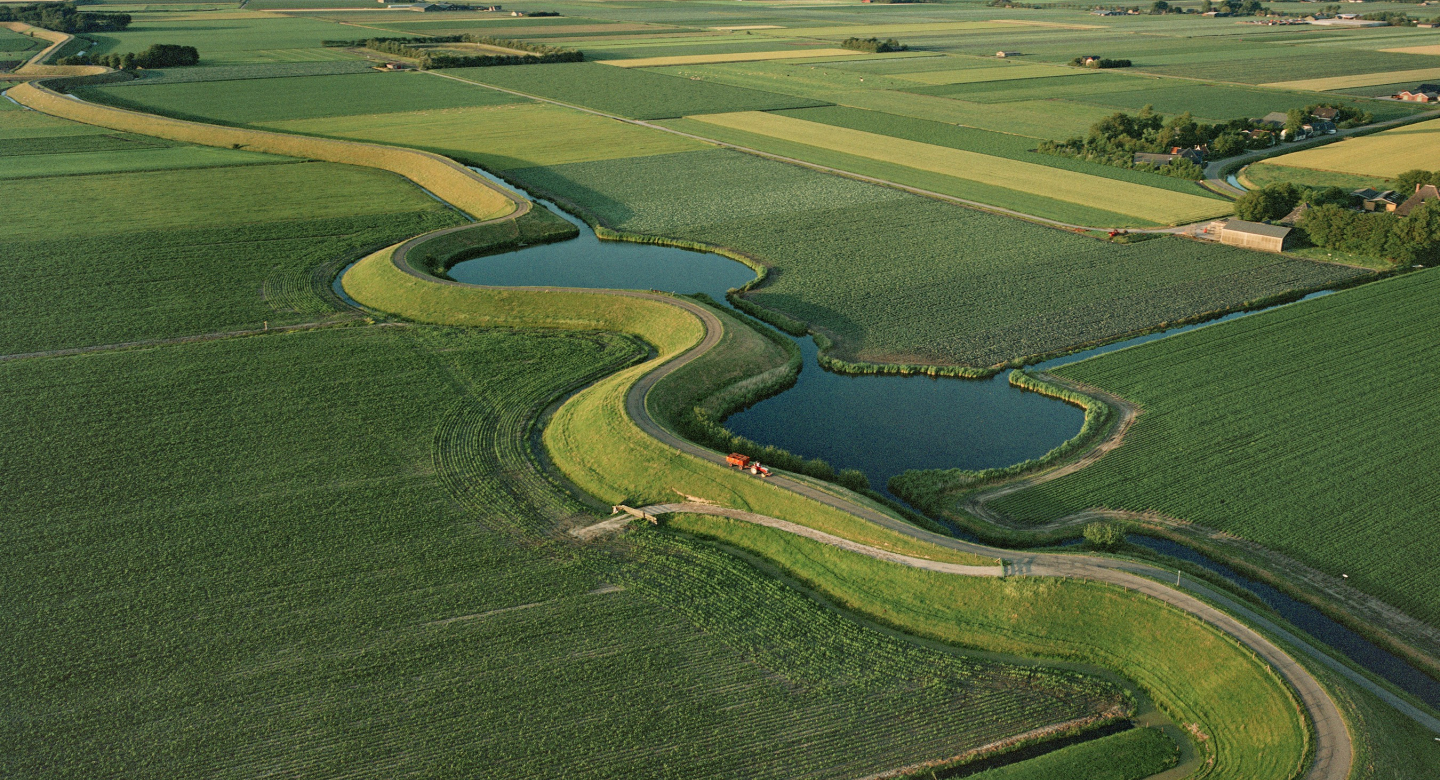
With the 2026 UN Water Conference approaching in December, the shift from commitments to implementation ran throughout the Week. Discussions explored what progress requires in practice: strong institutions, better planning, reliable data, effective governance and finance that enables action. Water was also increasingly discussed as an economic issue, affecting supply chains, investment decisions, food production and resilience.
For the Netherlands, this means looking beyond water as a stand-alone technical challenge. Water connects food, trade, landscapes, ecosystems and livelihoods.
This systems approach is reflected in the emerging Water for Tomorrow programme. Initiated by the Dutch government, it explores how public and private actors can work together in water-stressed regions that produce fruit and vegetables for international markets. The aim is to connect landscape-level water governance with international value chains and make shared dependencies and difficult trade-offs more visible.
Business also featured prominently in the Dutch contribution. Through the Water in Business programme, discussions explored how water resilience is becoming a strategic issue for companies and international trade. Businesses were challenged not only to manage their own water risks, but also to take greater responsibility for their impacts and work collectively with governments, financiers and communities.
These themes came to life in two roving reports by Hajar Yagkoubi, produced by Partners for Water on behalf of the Government of the Netherlands.
In the first report, Dutch Water Envoy Meike van Ginneken reflected on Water for Tomorrow, while Coen van Iwaarden of Nature’s Pride highlighted the importance of water security for food production and international value chains. Carlos A. Aragon brought a public-sector perspective to the difficult choices involved in managing water, food and landscapes.
The second report shifted the lens to water and business, exploring accountability, economic resilience and international trade. Together, the two reports showed that water security cannot be addressed by one sector alone.
Their shared message echoed strongly across Stockholm: securing water for tomorrow requires collaboration, better governance and a willingness to confront difficult choices.
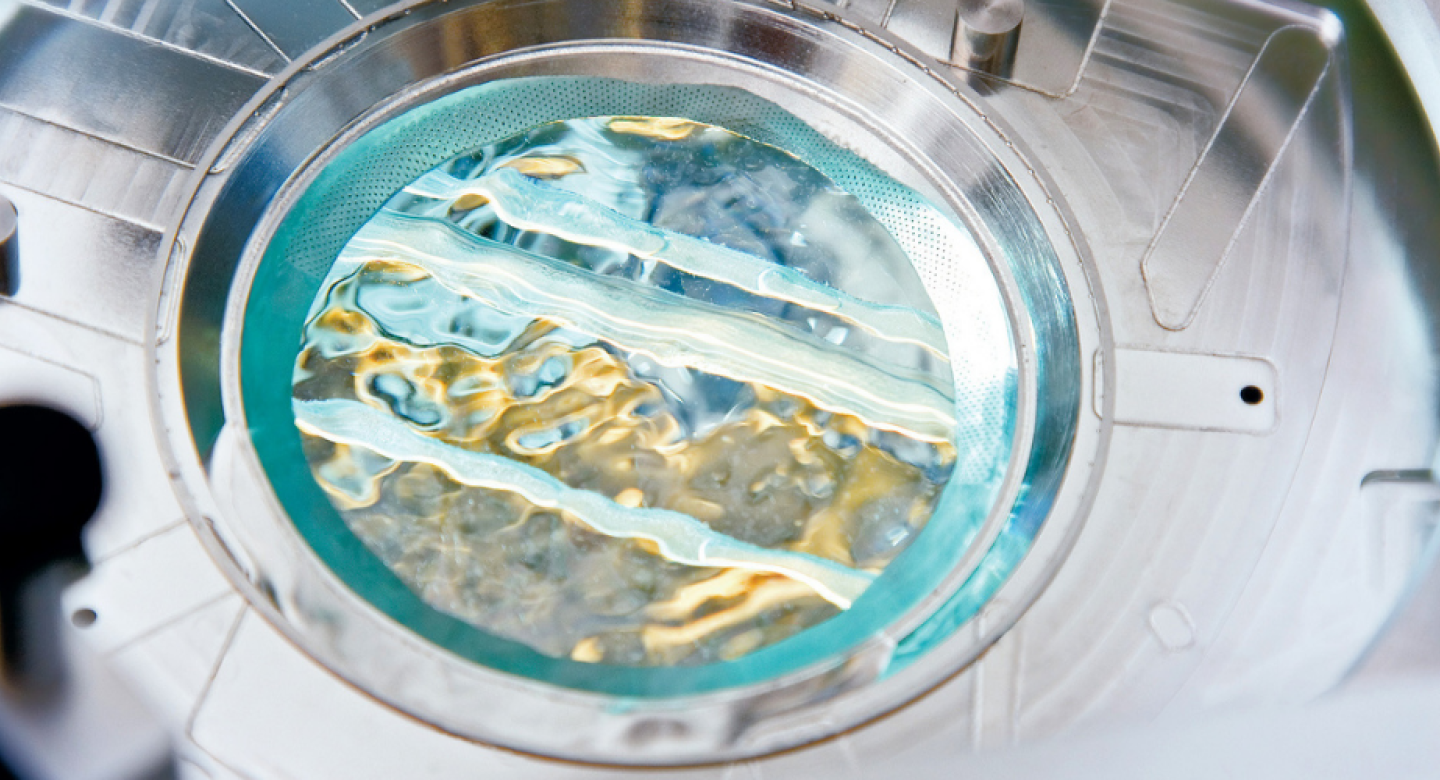
The Netherlands and India are both developing strong and growing semiconductor ecosystems. As the demand for semiconductor technologies continues to increase, collaboration across the value chain is essential to driving innovation, strengthening supply chains and developing the technologies that power our increasingly digital world.
The Netherlands brings internationally recognised expertise across the semiconductor value chain, from chip design and semiconductor equipment to advanced materials, chemicals and research and development. India is rapidly expanding its semiconductor capabilities, creating new opportunities for international collaboration and innovation. These complementary strengths provide a strong foundation for new connections, knowledge exchange and business partnerships.
At Semicon India 2026, the Dutch pavilion brings together innovative Dutch companies and organisations to showcase their expertise and connect with India's growing semiconductor ecosystem. We look forward to meeting Indian industry leaders, researchers and other partners, exchanging ideas and exploring new opportunities to advance semiconductor innovation together.
For more information about this mission:
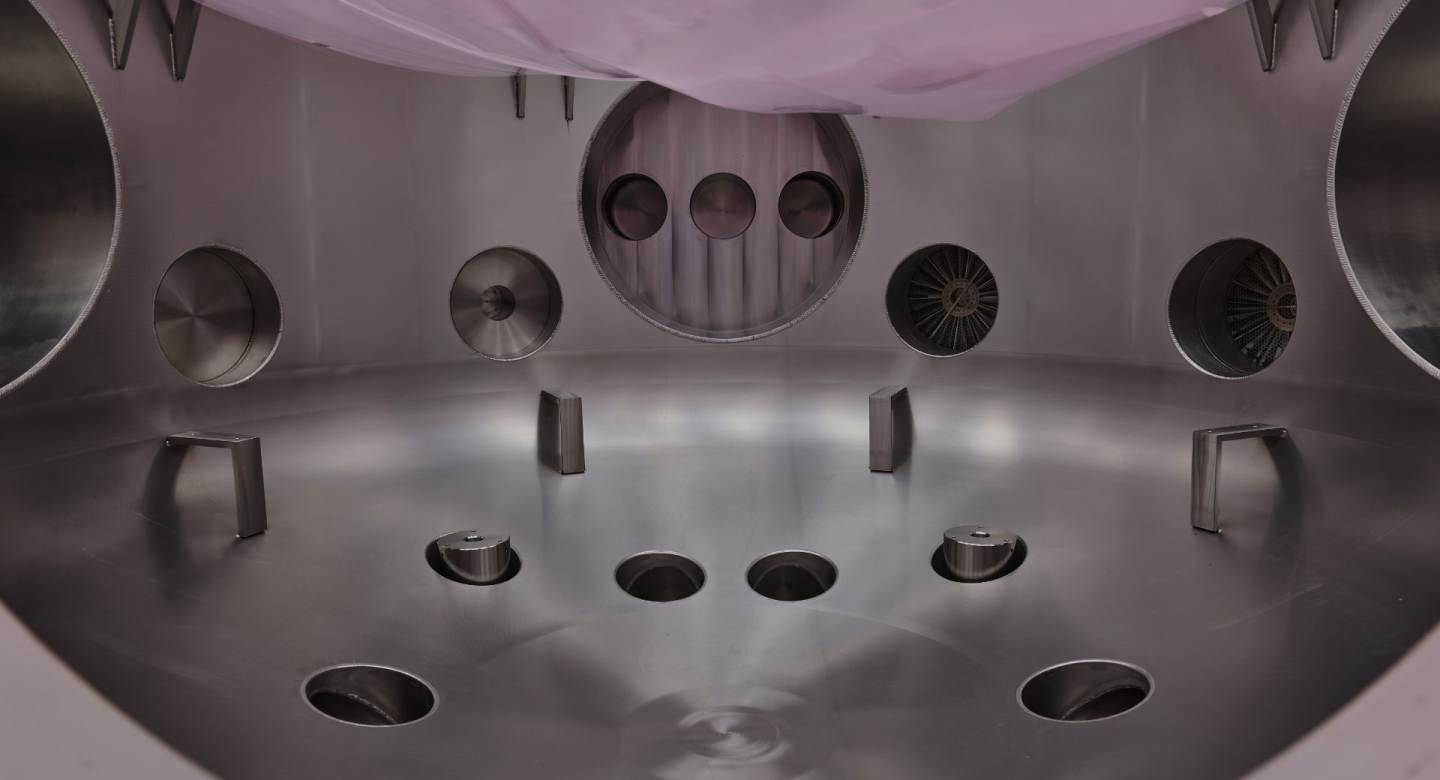
From 17 to 21 October 2026, a Dutch delegation will travel to Arizona for a trade mission focused on space, defence and advanced optics.
The Netherlands and Arizona are a strong match because their ecosystems bring complementary capabilities to many of the same technological challenges. Dutch companies contribute specialised high-tech expertise in areas such as sensing, photonics, navigation, satellite technologies and secure communications. Arizona, in turn, offers a strong concentration of aerospace and defence companies, advanced manufacturing capabilities, leading universities and public organisations that actively support innovation and international cooperation.
The mission brings these strengths together through company visits, university exchanges, roundtables and networking sessions in Phoenix and Tucson. Participants will share knowledge, discuss technological developments and explore where Dutch and American expertise can complement one another. The programme also creates opportunities to connect specialised Dutch technologies with larger industrial and research ecosystems in the United States.
The aim is to build lasting connections, identify opportunities for joint R&D and innovation, and strengthen cooperation across international space and defence value chains.
For more information about this mission:
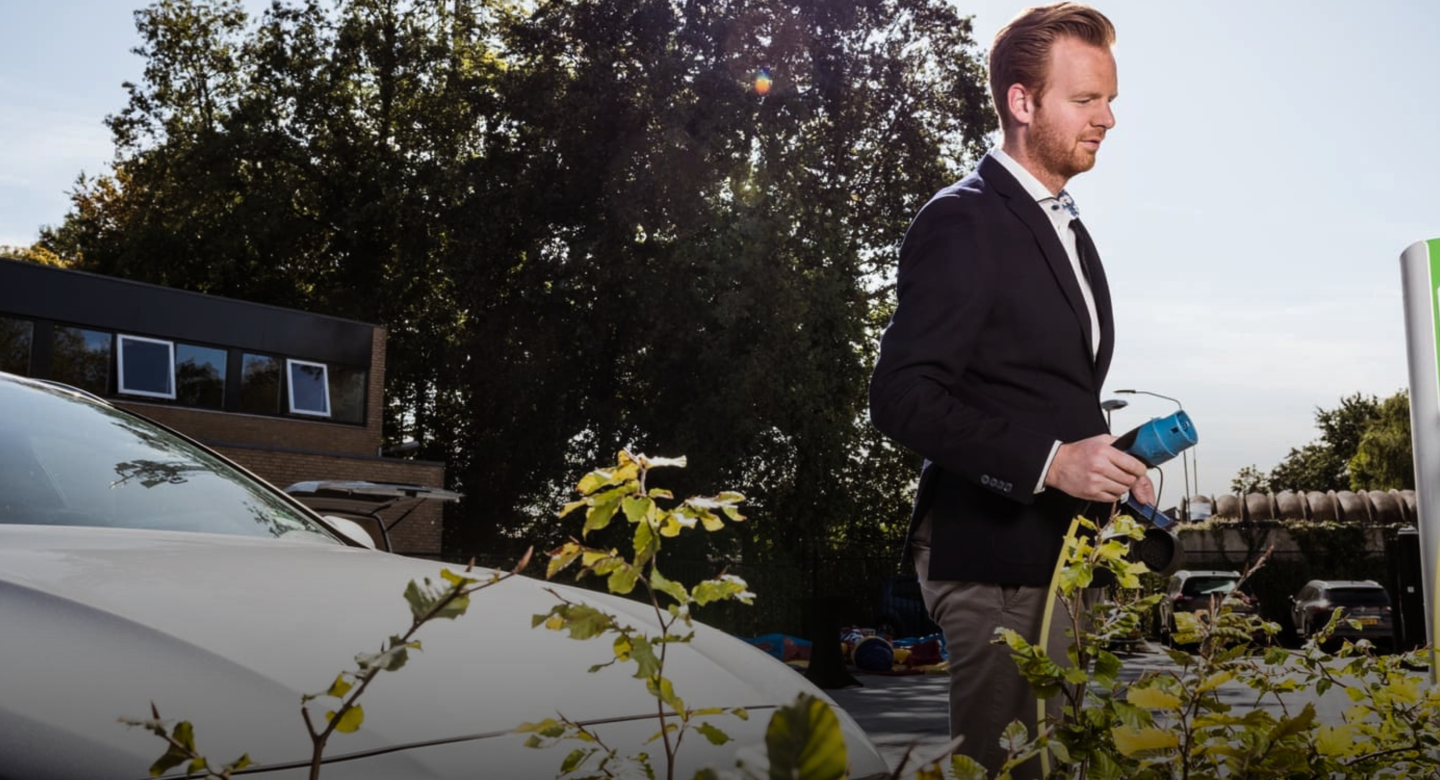
Moving people and goods is one of the fundamentals underpining the European economy. Transport still accounts for more than a third of CO₂ emissions from end-use sectors, and demand keeps rising. It takes charging infrastructure arriving in line with vehicles, energy systems smart enough to absorb the load, and public and private partners working in the same direction. The Netherlands has built its position in electrification through one of the world's densest charging networks, a strong ecosystem in the sector, smart energy, and digital mobility. We combine this with our experience in translating European regulation into practice. We are eager to share what we have learned, and just as eager to learn from others.
Poland is a priority partner for the Netherlands and one of Europe's fastest-growing economies. In 2024, Dutch companies exported over €33 billion in goods and services to Poland, and the relationship continues to deepen. Poland is now investing heavily in zero-emission transport, logistics and construction, from charging infrastructure for heavy road transport along European corridors to battery storage, smart charging and digital solutions. The signing of the CTCI roadmap marks another step forward. From the 22nd to the 25th of September, we come together at the New Mobility Congress in Katowice to exchange knowledge, build partnerships and open new business opportunities across Poland and the wider Central and Eastern European region.
Let’s build a smart and sustainable transport system together!
Want to know more about how you can work together with the Netherlands to achieve your goals? Or how you can help contribute to or spread the word on campaigns, events and initiatives? Contact us directly at info@nlbranding.nl so we can help you connect to the right people.


