
In the spotlight
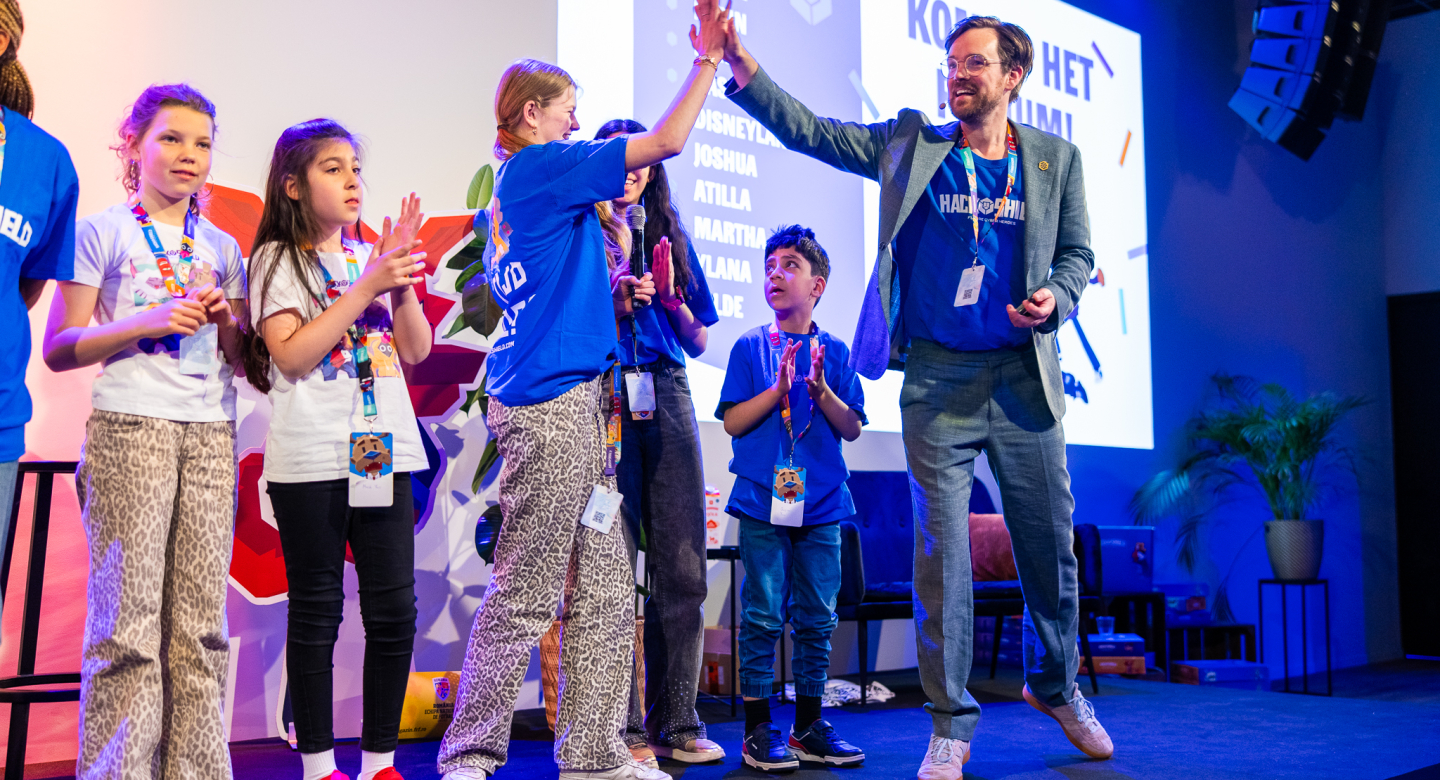
Teaching children how to cross the road, ride a bike or tie their laces is a globally shared experience. But when it comes to navigating the digital world, we often throw them straight into the deep end. This is exactly the gap Emily Jacometti, co-founder of Dutch social enterprise HackShield, set out to address.
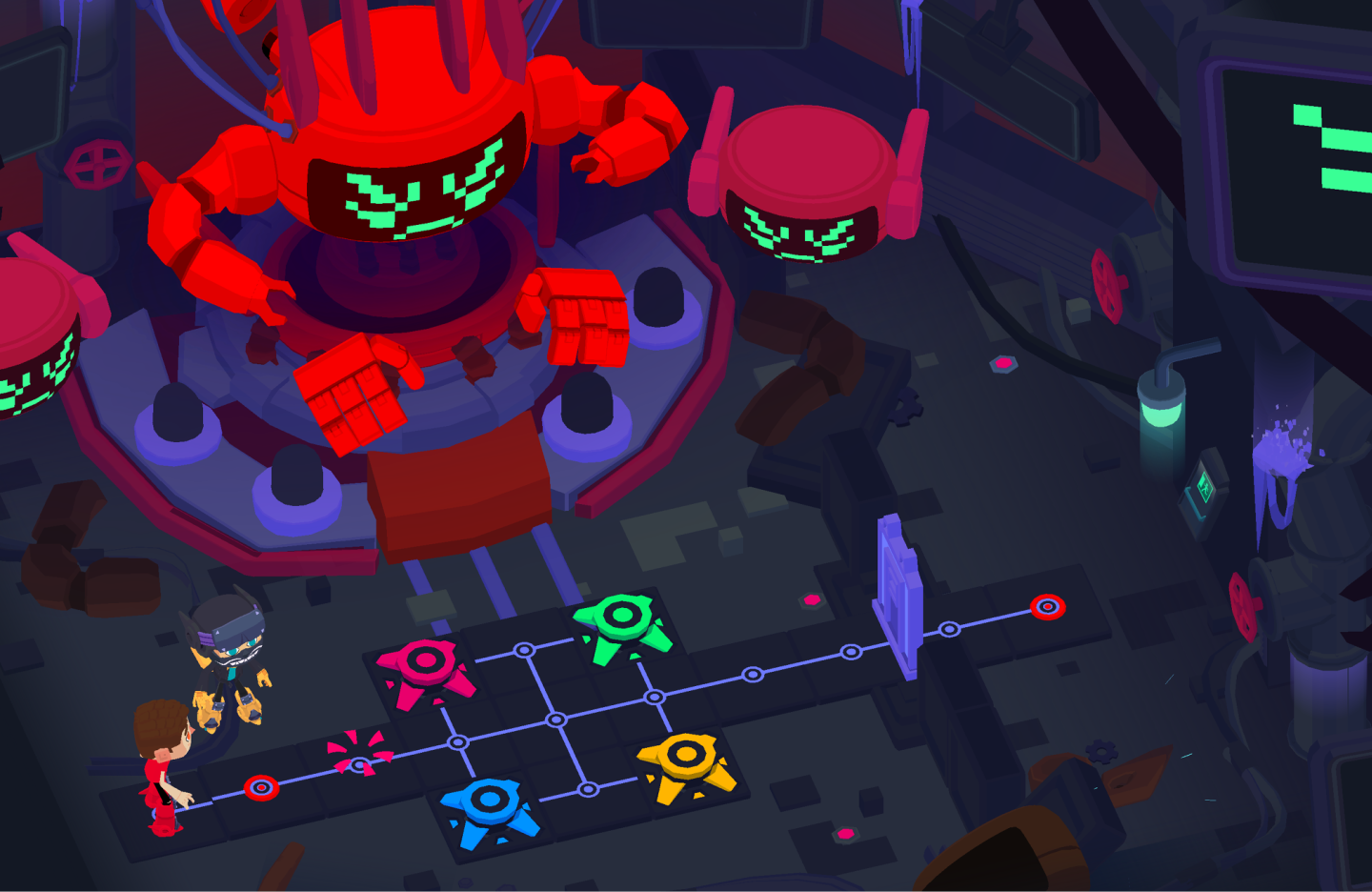
Jacometti and her team co-founded HackShield in 2019 to spark a social movement that makes communities more cyber-resilient. In an ever-increasing digital world, cybercrime such as ransomware, identity theft, grooming and sexting poses serious threats to our safety. This is especially relevant for younger generations, who are growing up in a highly connected world and will spend much of their lives online. The platform’s focus is on preteens who, in the future, will play a pivotal role in shaping our digital society. The 7-12-year-old users are better known at HackShield as Junior Cyber Agents, where they play games, carry out missions, and earn points to be crowned Cyber Hero. Knowledge sharing is also a key component of their approach. Through gaming, children share what they learn with parents, grandparents, and other family members.
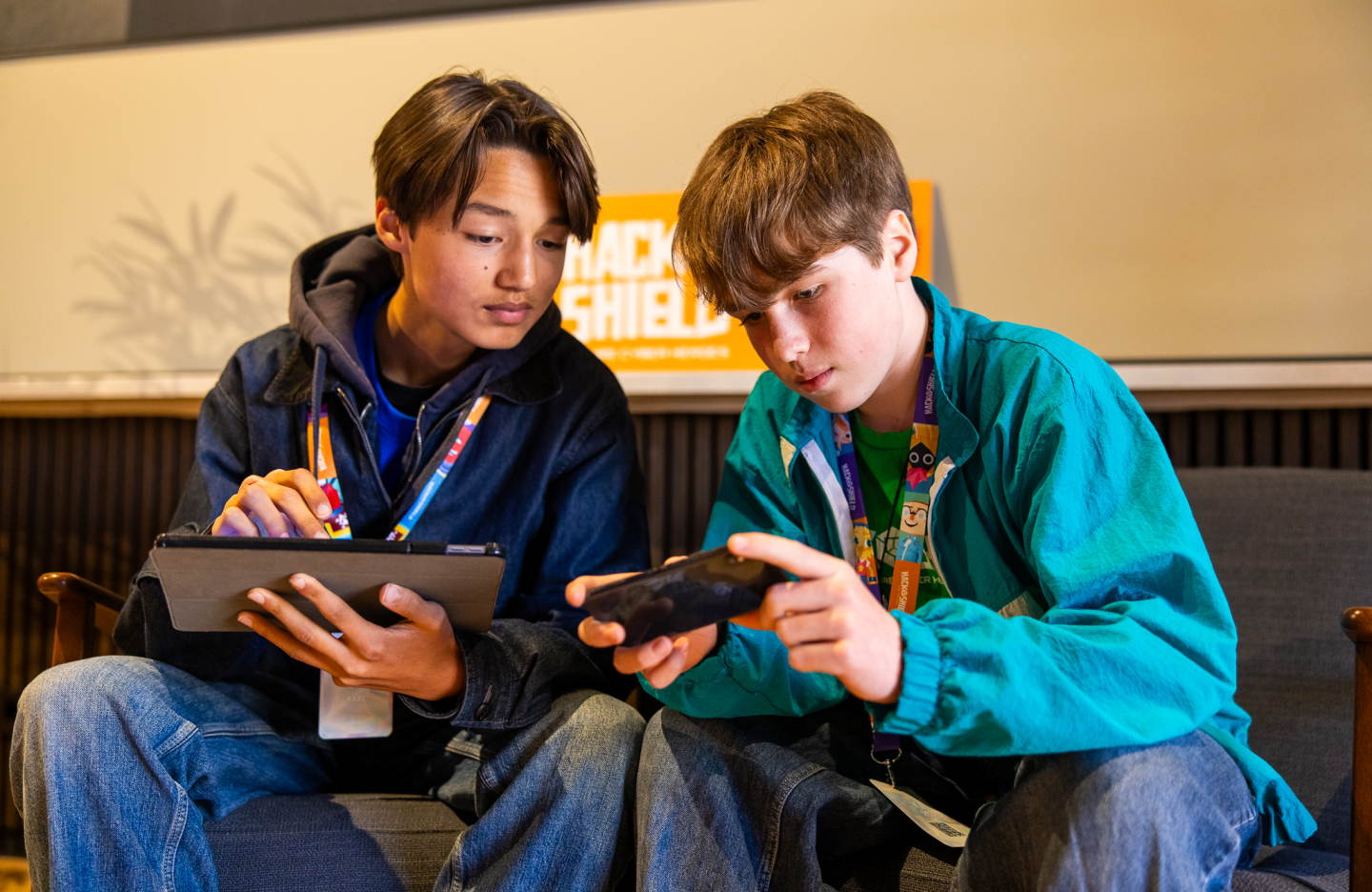
'We focus on children first because they are the foundation of the future and often the gateway to reaching adults.'
Emily Jacometti - Co-founder HackShield
For HackShield, the ambition goes beyond teaching children how to stay safe online. The social enterprise also wants to spark curiosity about technology and cyber security from an early age. After stepping into the role of a Cyber Hero, some children developed an interest in pursuing a career in cyber security or IT. It shows how early exposure to cyber security can inspire the talent of tomorrow.
Jacometti believes the impact could grow significantly over the next decade. Looking 10-15 years ahead, she envisions tens of thousands, perhaps even hundreds of thousands, of young people who have taken part in the programme contributing to an industry that protects society from cybercrime.
But preparing the next generation isn’t only about filling the cyber security jobs we know of today. As technology evolves, so does the nature of the work needed to protect it. Artificial intelligence (AI) has accelerated the race against cybercrime and changed the way we think about careers in IT and cyber security. It is creating new opportunities, while many of the roles and skills needed in the future have yet to be defined. Jacometti believes this means young people need to develop skills that go beyond preparing for one specific career. “It also requires us to start thinking differently about the job market. Not ‘What do I want to be now?’, but ‘What might the future look like, and how can I ensure that my skills and abilities are prepared for something I don’t yet know about?’”.
'We are not far from realising a global cyber resilient community.'
Emily Jacometti - Co-founder HackShield
HackShield’s vision reflects the Netherlands’ broader commitment to building a safe and resilient digital society. As a highly connected country with a strong cyber security sector, the Netherlands recognises that tackling cybercrime requires more than technology alone. Digital skills, awareness and international cooperation are equally important.
The social enterprise is already taking this approach beyond Dutch borders. The Junior Cyber Agents are now active in 8 countries, with 26 more on a waiting list. Close to 1 million children are currently using the platform, of whom almost half are girls. The organisation aims to reach 10,000,001 children by 2030.
Brazil was one of HackShield’s early international projects. Together with local partners, the social enterprise helped establish an IT infrastructure to teach Brazilian children about cyber resilience. Years later, the project is still active, with plans for further expansion.
Recently, Belgium became HackShield’s official Partner Country, which gives HackShield access to local stakeholders and initiatives. One such initiative was set up by the Belgian police. They introduced HackShield to local schools, allowing students to continue playing the game at home and earn points toward their Junior Cyber Agents badge.
For HackShield, building a cyber-resilient society starts with giving children the skills to navigate the digital world, and empowering them to pass those skills on. What began as a Dutch initiative is now becoming an international movement.
Photo's ©HackShield.


