
In the spotlight
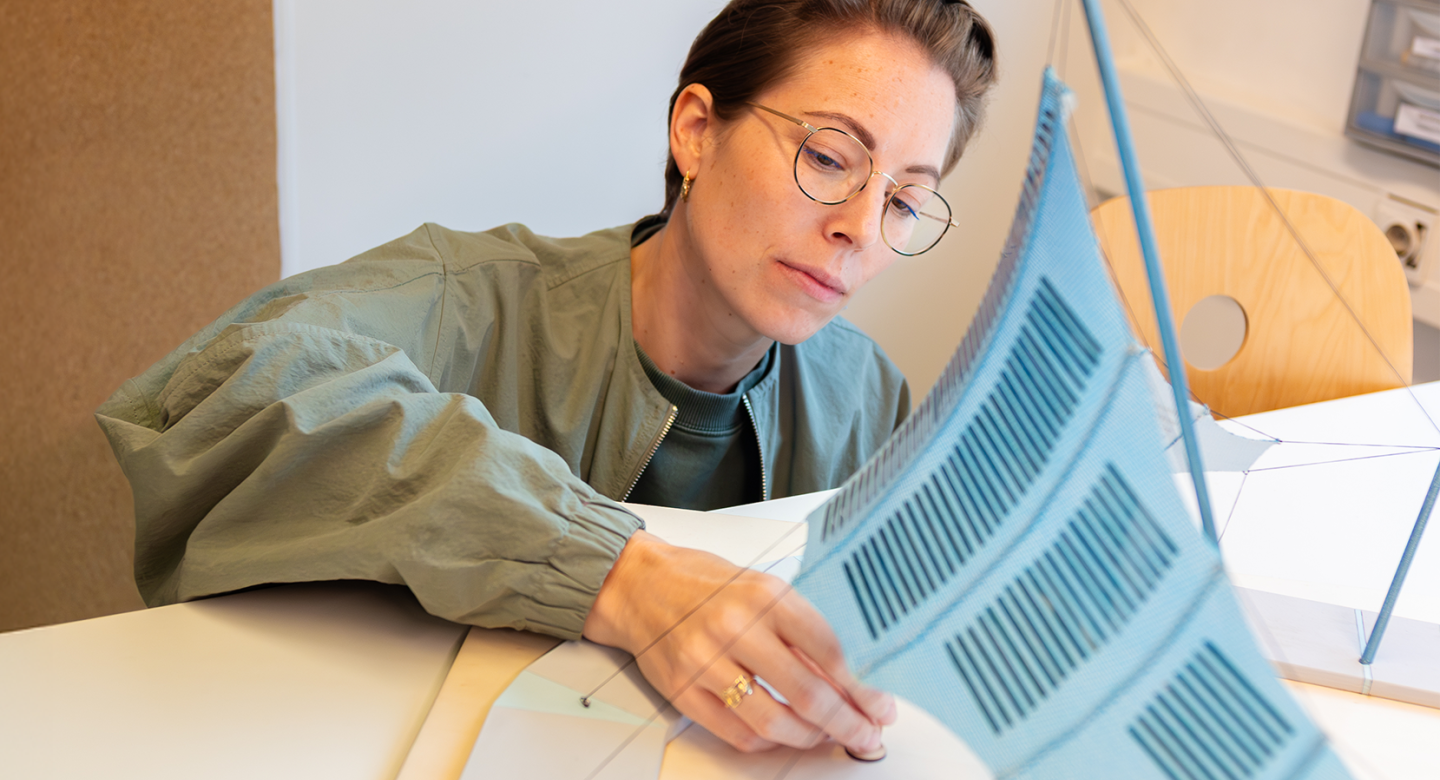
Dutch designer Pauline van Dongen is rethinking what solar energy can look like. Not as rigid panels fixed to rooftops, but as flexible fabrics woven directly into the spaces where we walk, live or work. In her design studio in Arnhem, she develops smart textiles that capture sunlight and transform it into a source of power. Her latest innovation, Heliotex, shows what happens when renewable energy meets material design; a lightweight textile that can shade streets, cover facades, or stretch across public spaces, while quietly generating electricity from the sun.
Fascinated by how textiles shape the way we move through the world, van Dongen began her career in fashion. Her curiosity expanded into technology, with thoughts on how fabrics could not only clothe us, but actively interact with our environment. Her studio focuses on what she calls material aesthetics; exploring how technology can enhance the sensory, emotional, and physical relationship between people, clothing, and the world around them. This thinking eventually led to solar textiles. When sunlight becomes part of the material itself, the role of the sun changes. It is no longer just light or warmth, it becomes clean energy.
Heliotex embodies this idea. Developed together with engineering partner Tentech, the textile integrates organic photovoltaic modules directly into the weave. Unlike traditional solar panels, which are mounted onto buildings, Heliotex becomes a flexible ‘second skin’ for architecture. The result is a material that is foldable, lightweight, and adaptable. It can be produced in different colours, shapes, and patterns, making it attractive to architects designing facades, awnings, or large-scale pavilions.
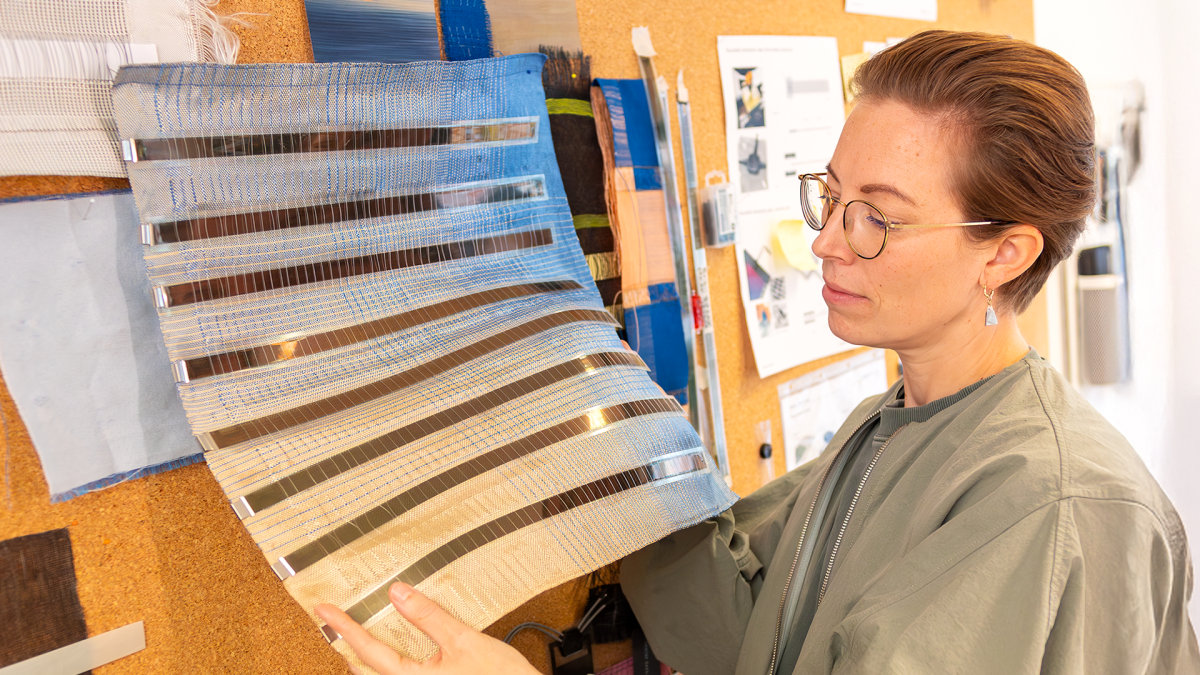
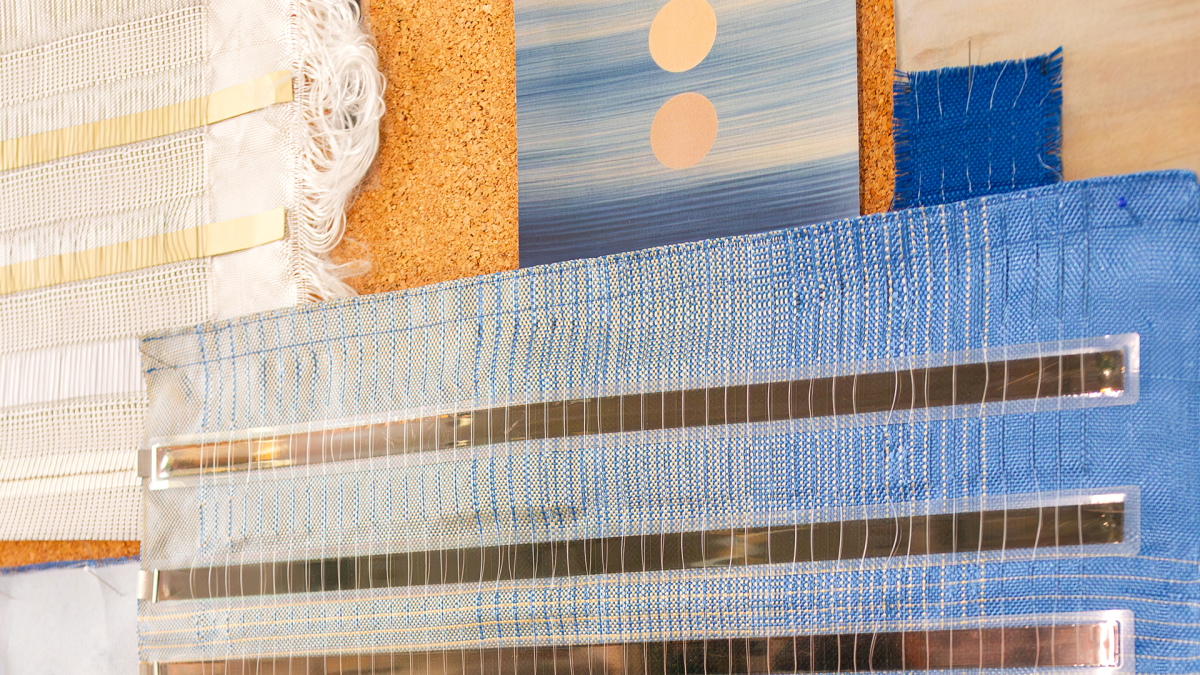
Heliotex does more than generate power. It also addresses another growing challenge in cities: heat. By functioning as a shading textile, the fabric helps cool urban environments while simultaneously harvesting solar energy. To demonstrate this potential, the installation The Umbra Pavilion was launched during Dutch Design Week. Located in Eindhoven’s Strijp-S district, this public-space structure spans around forty square metres. Heliotex is front and centre, shaped into an umbrella-like textile canopy that provides cooling shade while generating and storing roughly three kilowatt-hours of electricity, enough to power lighting in the evening. In this way, Heliotex connects two urgent transitions at the same time: climate adaptation and renewable energy. Design plays a crucial role in making that connection visible and tangible.
A Dutch ecosystem for solar innovation
The energy transition doesn’t need to be hidden on rooftops or technical infrastructure. It should be visible, accessible, and part of everyday life. This philosophy also led her to co-found initiatives such as The Solar Movement and The Solar Biennale, which bring designers, scientists, and the public together around solar innovation. Projects like Heliotex are also made possible by the collaborative environment in the Netherlands. According to Van Dongen, the country has become one of the most progressive solar innovation ecosystems in the world. Close cooperation between designers, engineers, universities, municipalities, and public institutions allows experimental ideas to move from concept to real-world pilots. Government support and partnerships with cities help turn design research into working infrastructure. Heliotex itself is partly supported through this network of public and private collaboration. It shows how design, technology, and policy can work together to accelerate the energy transition.
Designing a solar future
Looking ahead, Van Dongen believes solar energy will play an even larger role in the cities of tomorrow. As urban areas heat up and energy demand rises, materials that both cool and generate power could become essential parts of urban design. By weaving solar technology directly into textiles, Heliotex demonstrates a future where energy generation becomes part of the fabric of the city itself. A future where sunlight is not just something we feel, but something we design with.
Does #newdutch spark an interest or a golden idea with you? We love hearing from you! You can email us at newdutch@nlbranding.nl.


