
In the spotlight
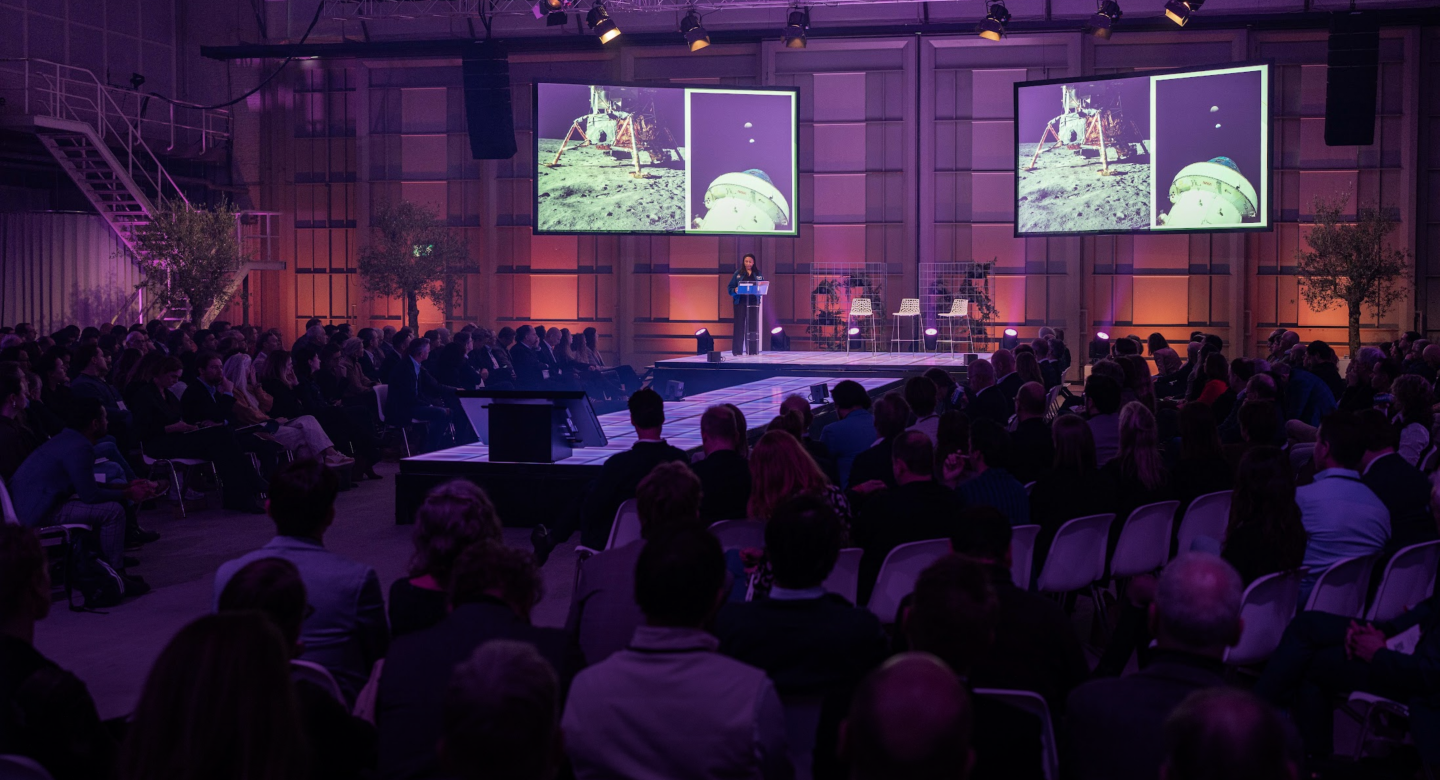
Images credits: Rachel Ecclestone. Provided by Techleap.
This article looks at collaboration through the State of Dutch Tech 2026 report, which maps what the ecosystem needs most, and the priorities chosen by over 500 founders, investors, policymakers, and industry leaders who gathered to tackle them. Their goal? Move from talking about what's possible to actually making it happen. That's where LEAPs come in (Leading Ecosystem Action Projects), working groups turning ecosystem-wide conversation into concrete action.
Academic excellence sits at the heart of Dutch innovation. But in 2026, brilliant research alone won't keep us competitive. The Netherlands has built one of Europe's most research-powered innovation engines, generating breakthrough discoveries across AI, quantum computing, sustainability, and life sciences. With over 11,000 verified tech companies and €2.64 billion in venture capital deployed in 2025, we've proved we can create. The real question now: how do we turn world-class research into companies that scale globally?
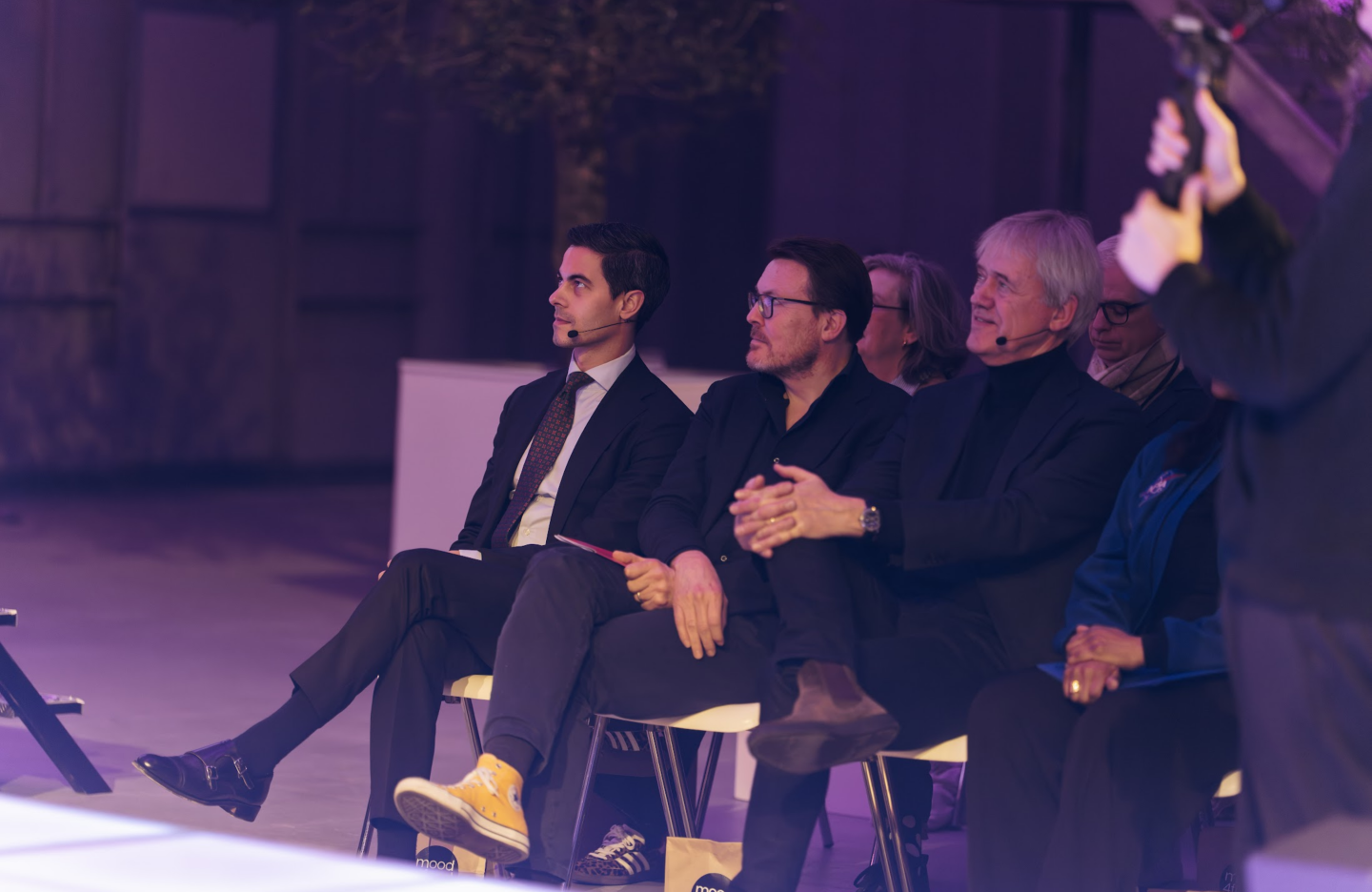
The answer started taking shape in The Hague at the State of Dutch Tech 2026. This wasn't your typical sender-receiver style conference. Over 500 people, including founders, investors, policymakers, industry leaders, spent the day in working sessions, voting on what matters most. The top priority that emerged: the Netherlands can become the definitive spinoff factory of Europe. We need to build an academic entrepreneurial ecosystem, complete with education infrastructure that consistently turns lab breakthroughs into scaled companies.
TNO CEO Tjark Tjin-A-Tsoi puts it plainly: the Netherlands is a world champion in knowledge with genuinely valuable collaborations. "To truly capitalise on our lead, we must now take action. Only if lab breakthroughs evolve into large-scale applications and true unicorns will we create the impact and the economic engine our country needs."
This shift reflects something bigger happening across Dutch innovation hubs, technical universities, and research institutions. Excellence in discovery must now be matched by excellence in commercialisation, entrepreneurial education, and founder support. We're good at the science. Now we need to get equally good at the business.
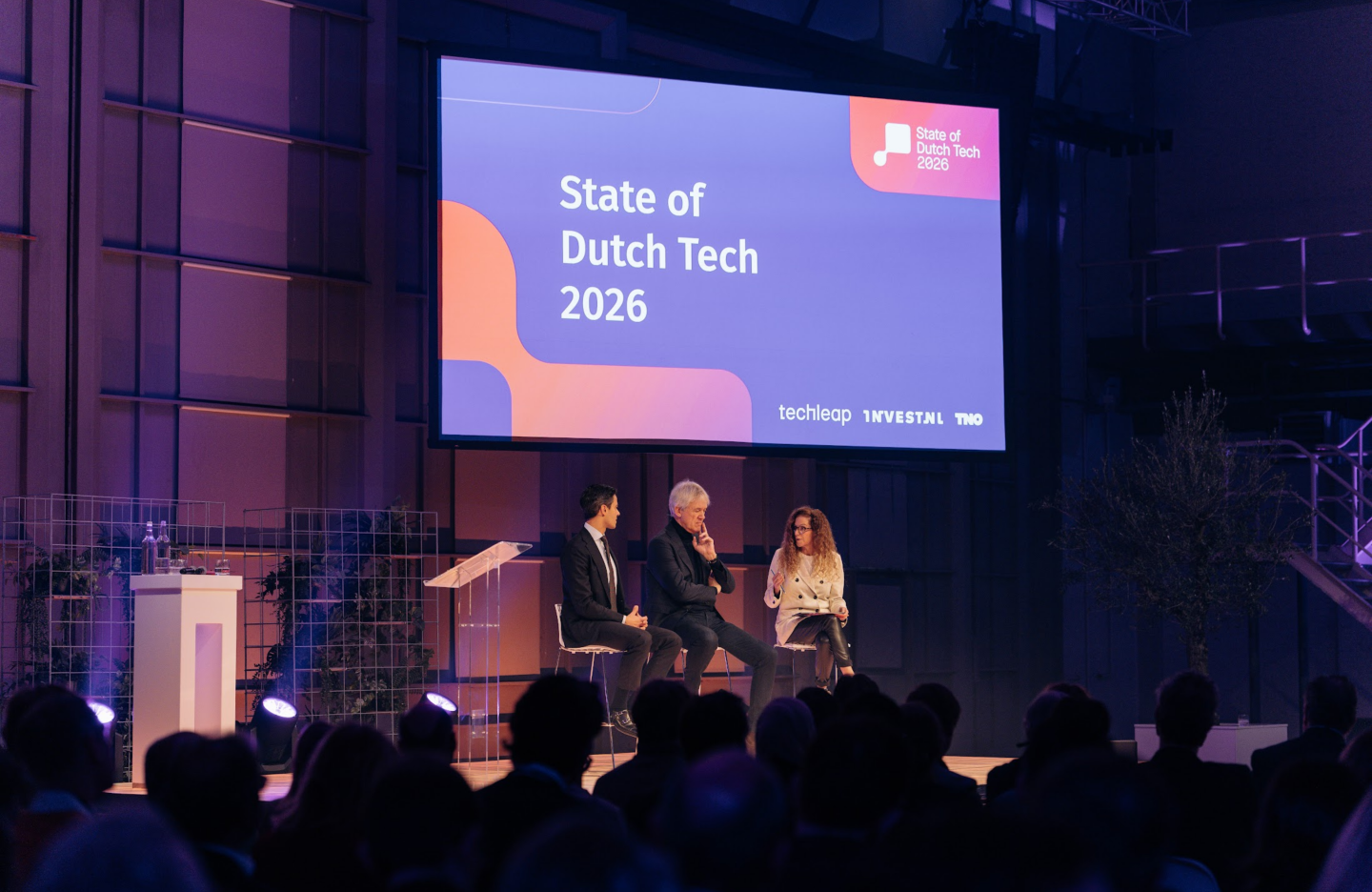
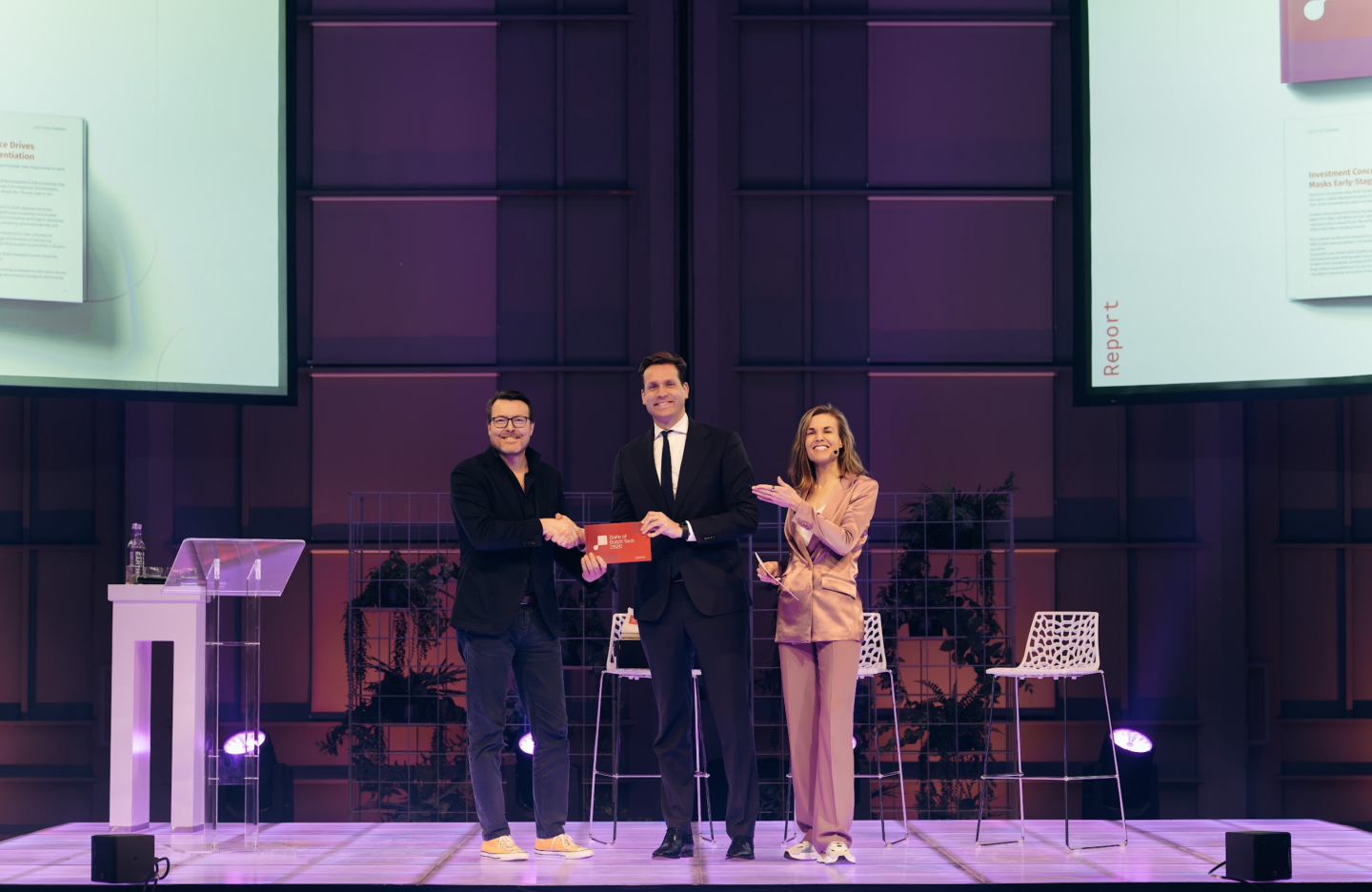
Images credits: Rachel Ecclestone. Provided by Techleap.
Great academic spinoffs are the foundation. But what comes next? Dutch deeptech consistently outperforms the rest of Europe, and we have the continent's highest concentration of AI talent. Yet turning exceptional startups into scaleups that stay in Europe means solving problems no single country can tackle alone.
The second priority that emerged from the State of Dutch Tech event tackles this head-on: European growth strategy. We need to ensure Dutch startups get maximum value from European markets, capital, and cross-border opportunities by dismantling the regulatory barriers that make growing across Europe so difficult. This reflects a pragmatic truth: Dutch success doesn't come from going it alone. It comes from shaping how Europe works as one innovation market.
Through organisations like Techleap, Invest-NL, and regional development agencies, we're building infrastructure that enables growth and removing roadblocks. Fast-track programmes, favourable regulatory environments for emerging tech, and active facilitation of cross-border partnerships show how collaborative ecosystems create the conditions for companies to scale globally while staying rooted in European values and markets.
Behind academic spinoffs and European scaling sits something even more fundamental: the next generation of builders. The third priority puts education front and centre. Not as a nice to have, but as a strategic imperative. Education will determine whether the Netherlands stays competitive in 2035 and beyond.
To secure the future, we need to inspire and equip the next generation of entrepreneurs and technical talent. This means empowering the entire educational system, from primary school through university and beyond, to place technology and entrepreneurship at the heart of the curriculum. Dutch innovation hubs know that today's educational investments determine whether we have the talent to sustain our knowledge advantages two decades from now.
The State of Dutch Tech 2026 aimed to build momentum around the ecosystem’s strategic priorities. Using an open-space format, 500 participants spent the afternoon in breakout groups tackling 40 proposed friction points, narrowing these down to 15 critical issues holding the ecosystem back. The community voted on three priorities, then established LEAPs as continuing spaces where founders, investors, and policymakers translate shared understanding into coordinated action.
This approach reflects both opportunity and necessity. As Prince Constantijn van Oranje, Special Envoy at Techleap puts it: "Despite progress, structural bottlenecks persist, whilst AI and geopolitical developments are changing everything. Entrepreneurs, investors, businesses, universities, and the government must now work together to develop concrete solutions." The State of Dutch Tech gathering showed that the Netherlands has both the convening power and the collaborative discipline to operate this way at scale.
Treating innovation as an ecosystem requires active maintenance. It’s not something that you can just say or something that just happens. By aligning research excellence, venture capital deployment, policy frameworks, and educational investment around shared objectives, we're actively shaping how the Dutch tech ecosystem can deliver commercial impact. The infrastructure exists. The talent is here. The collaborative culture works. What we're building now is the execution layer. One rooted in collaboration; ensuring that Europe's research-powered innovation engine consistently produces companies that scale globally.
Read the full State of Dutch Tech 2026 report at Techleap.nl.


