
In the spotlight
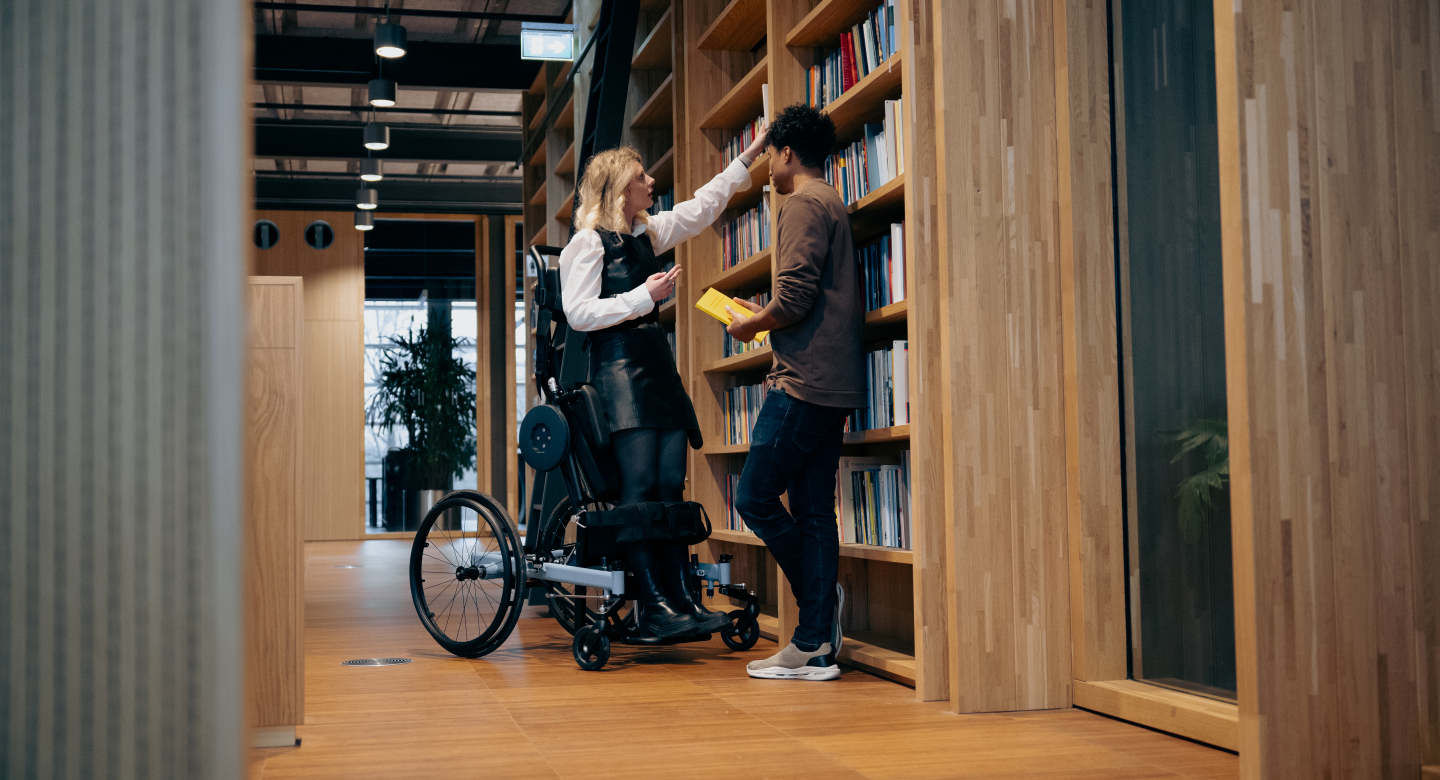
In the Netherlands, health isn’t defined only by medicine or technology, but by whether people can move, connect, and participate in daily life. This is the principle behind J58, a Dutch company building a wheelchair that allows users to stand, restoring independence in the most direct, human way possible. J58 began with an idea born in Brazil: create a wheelchair that would a former athlete stand again after paralysis. The concept became reality only once it reached Dutch soil. In Twente, the founding team found a uniquely practical innovation culture, one that values simplicity, user involvement, and solutions that work outside the lab as well as inside it.
With The Next Wheelchair from J58, users can meet others at eye height, interact more easily in public spaces, and reclaim moments that many people never think twice about. For many users, standing again is not simply a physical action, it is the return of agency, proximity, and a sense of equality in everyday life. Standing changes more than posture. It changes how people experience the world. The physical benefits are equally important: standing improves circulation, stimulates muscle activity, and supports healthier metabolic processes. The company’s mission is rooted in something deeply personal: restoring freedom.
Where many standing wheelchairs rely on heavy motors and batteries, J58’s team chose a different path. They built a lightweight, mechanical model powered by gas springs. The design enables controlled, precise movement without electronics, making the wheelchair easier to transport, more affordable, and far more accessible for everyday use. In typical Dutch fashion, the engineering is clever, streamlined, and driven by functionality rather than complexity. The result is a wheelchair that does not merely enhance mobility but helps users regain a sense of normality and presence in everyday environments, from supermarkets to workplaces to social settings.
Moving beyond medicine
J58’s approach reflects a broader Dutch philosophy: innovations only matter when they meaningfully improve daily life. Instead of beginning with technology and searching for an application, the design grew from the needs, routines and challenges of wheelchair users themselves. This mindset comes straight from Twente’s MedTech community. Engineers, clinicians and researchers collaborate closely, ensuring that prototypes are tested in realistic situations and adapted based on actual use, even when the insights come from small, unexpected details. The development process centres on usability: whether someone can transfer to a bed, navigate a toilet independently, or manoeuvre comfortably in a home environment. If a feature doesn’t help people live more easily, it doesn’t make it into the final design.
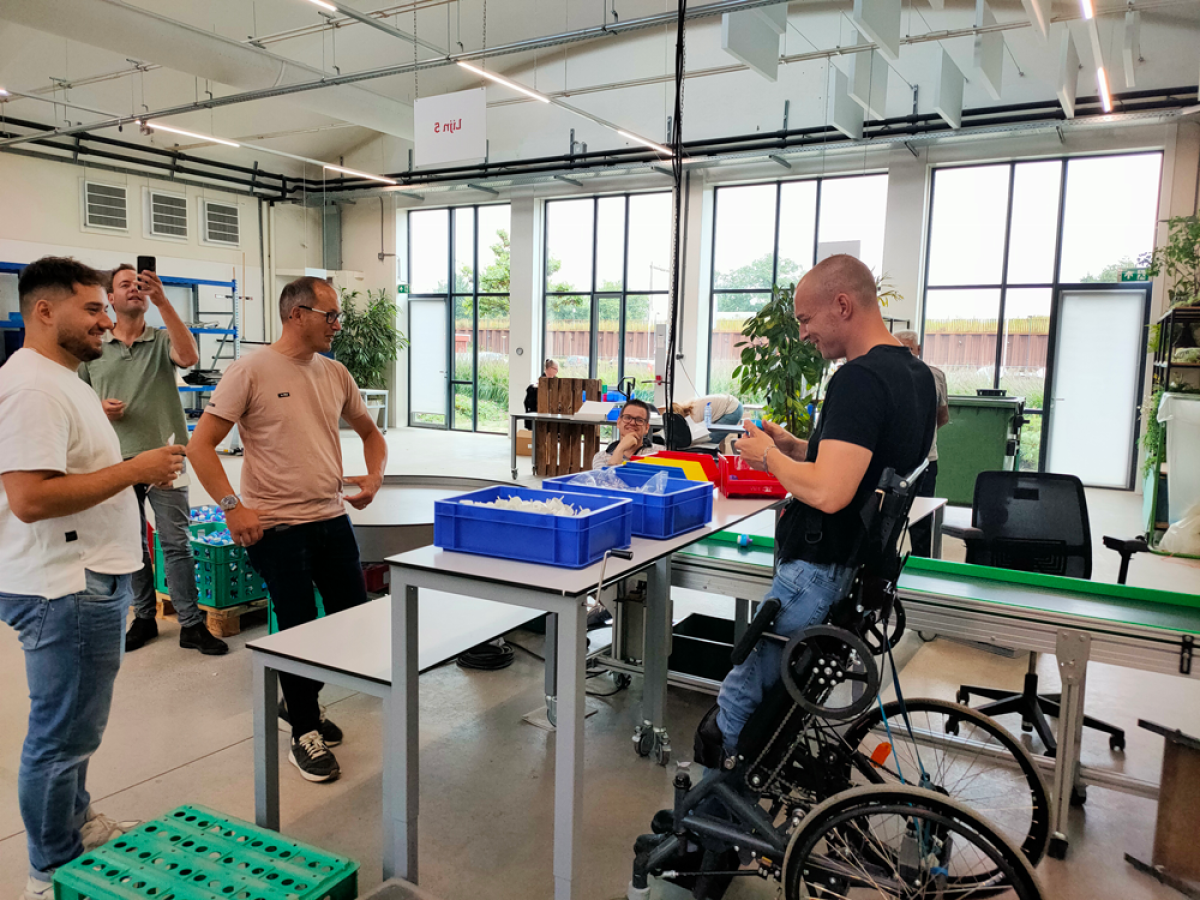
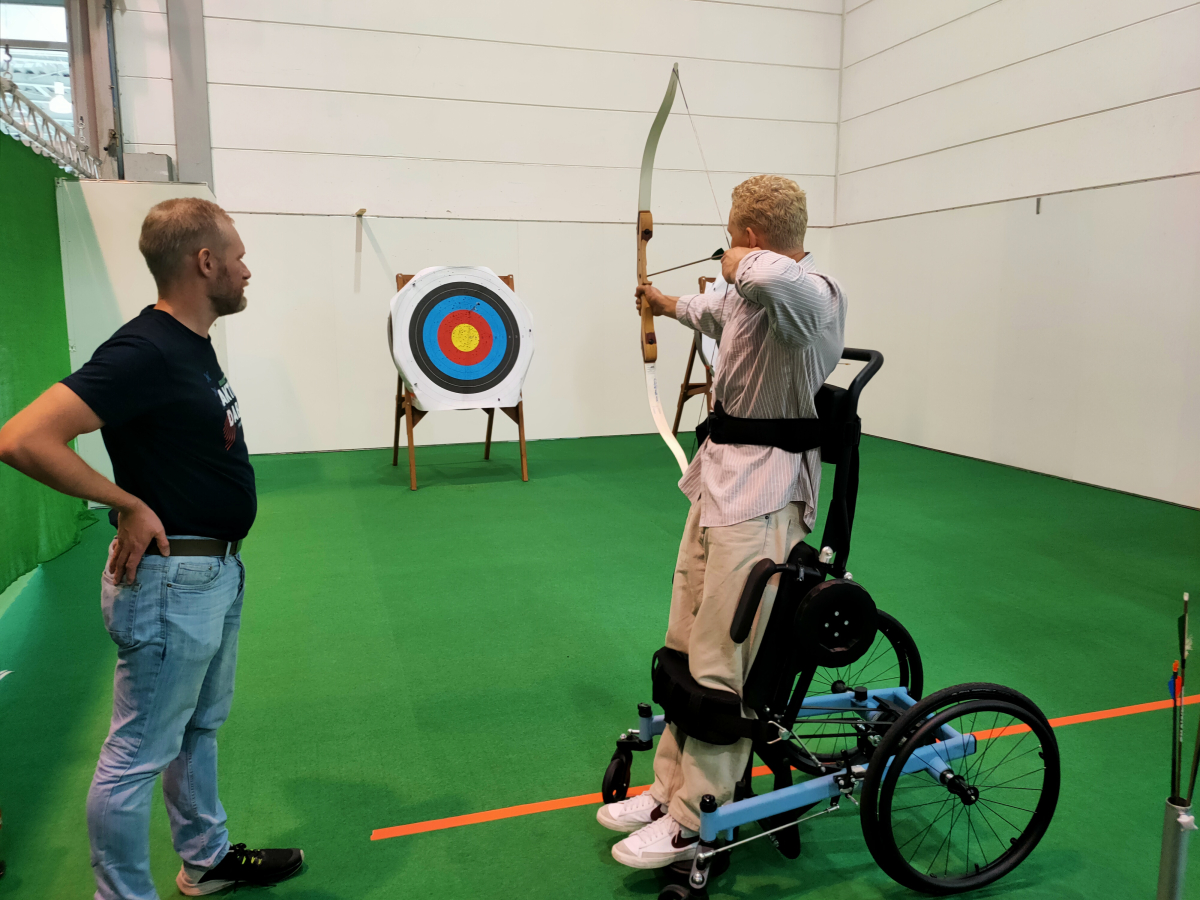
The Netherlands, and Twente in particular, is known for ecosystems where collaboration outweighs competition. Universities, startups, research institutes and established engineering firms work together across disciplines. In such an environment, J58 gained access to mentors, testing facilities, engineering expertise and a network of partners willing to pilot early prototypes.
This openness is a hallmark of Dutch innovation: people and organisations are accessible, practical, and motivated by societal benefit. The region’s entrepreneurial culture, especially around the University of Twente, accelerates ideas that serve a clear purpose. Here, health technology is not viewed as a product but as a shared responsibility.
When health innovation meets humanity
J58 is now preparing its first production run, with ambitions to bring the wheelchair to users worldwide. The Next Wheelchair shows what happens when engineering, care, and lived experience come together, guided by the Dutch belief that health innovation should be inclusive, practical, and centred on real people. In the Netherlands, we design health for everyone. That’s New Dutch!
Does #newdutch spark an interest or a golden idea with you? We love hearing from you! You can email us at newdutch@nlbranding.nl.


