
In the spotlight
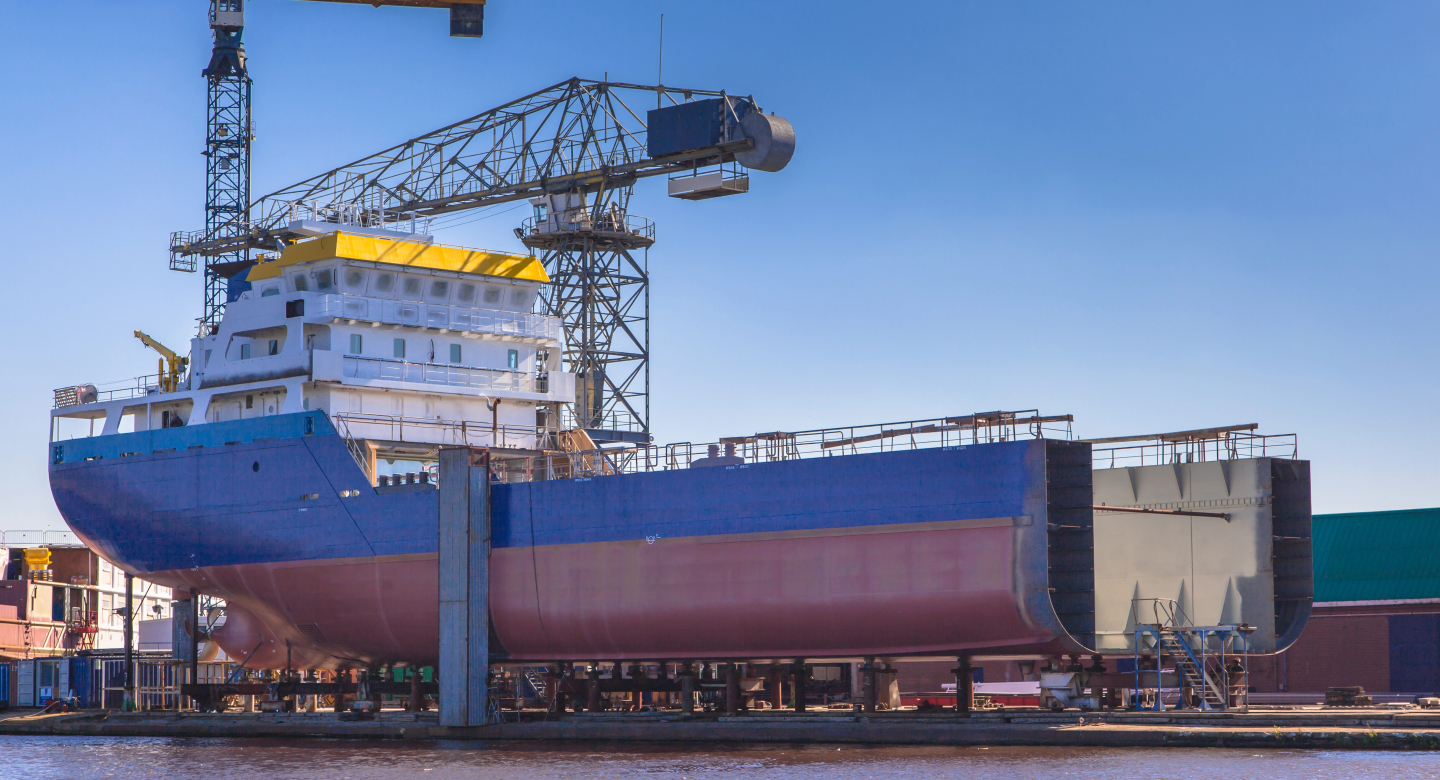
The maritime sector is developing rapidly in Southeast Asia. Singapore is one of the global hubs within the maritime sector and offers good access to other Southeast Asian countries. The focus is on sustainability, greening and digitisation and there is an increasing demand for innovative solutions and cooperation.
Dutch knowledge and expertise in shipbuilding and offshore engineering are well suited to this growing demand. That is why a Dutch trade mission will visit Singapore from 22 to 26 March 2026 and the Asia Pacific Maritime exhibition to exchange knowledge and explore further cooperation in Singapore and other countries in Southeast Asia.
We are looking forward to meeting you in Singapore!
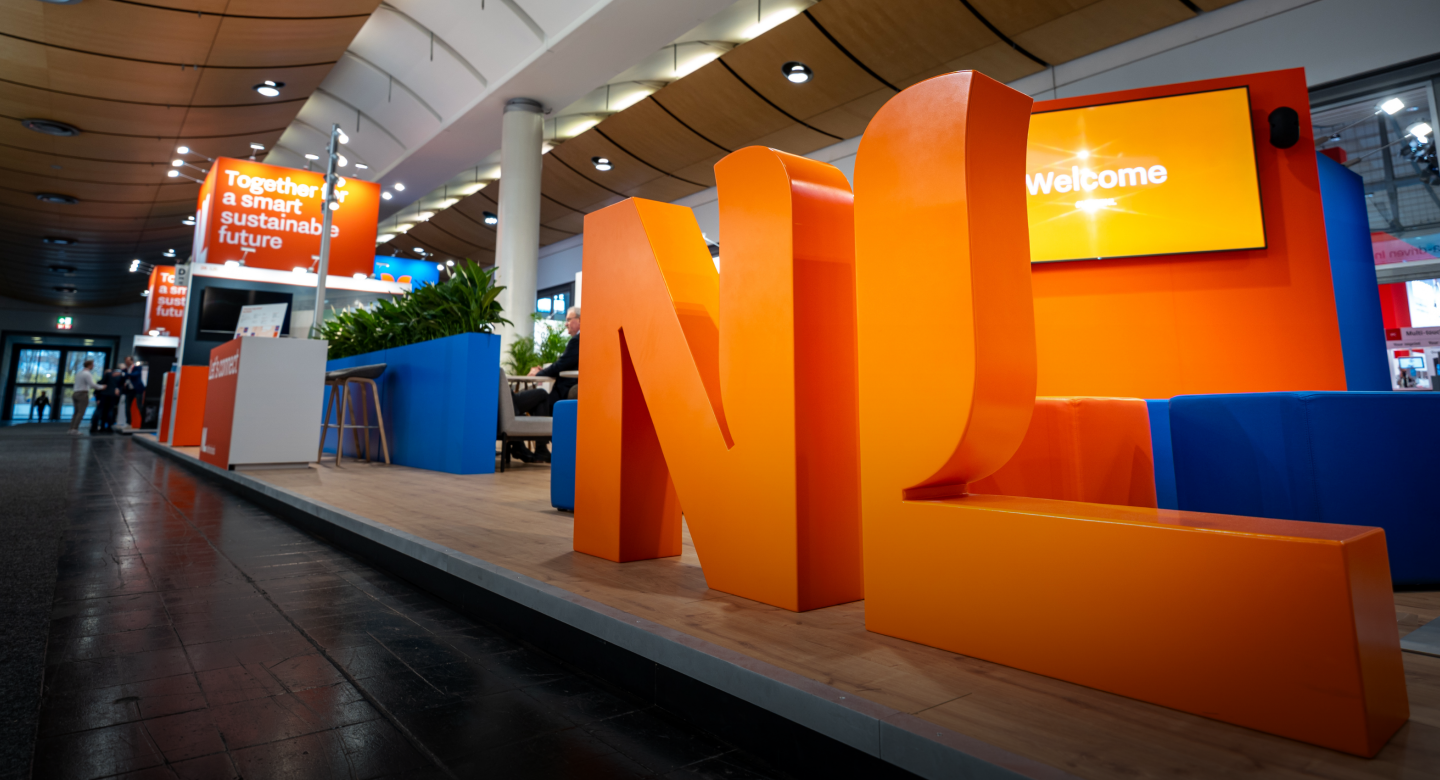
The Netherlands is once again presenting a strong delegation at Hannover Messe 2026, showcasing our expertise in smart industry, high-tech digital solutions, semiconductors, dual-use and security technologies, and advanced materials and chemistry.
Industries are transforming rapidly as digitalisation and technological innovation reshape production and supply chains, while geopolitical developments and strategic dependencies create new challenges for resilience and competitiveness. The Netherlands is committed to strengthening industrial innovation, secure and sustainable supply chains, and future-proof technologies, building a collaborative ecosystem where companies, knowledge institutions, and government organisations work together.
Hannover Messe offers an excellent opportunity to connect, exchange knowledge, and explore new business opportunities. We invite partners from Germany and around the world to join the Dutch delegation, discover our innovative solutions, and collaborate on building a resilient, sustainable, and secure industrial future.
Hannover Messe 2026 is the world’s leading trade fair for industrial technology, bringing together global innovators, businesses, and policymakers to shape the future of industry. The Netherlands showcases its strong ecosystem of companies, knowledge institutions, and government partners working together on smart industry, digitalisation, energy transition, and sustainable manufacturing. Throughout the event, the Dutch programme highlights collaboration, innovation, and international partnerships driving a smart, secure, and sustainable industrial future.
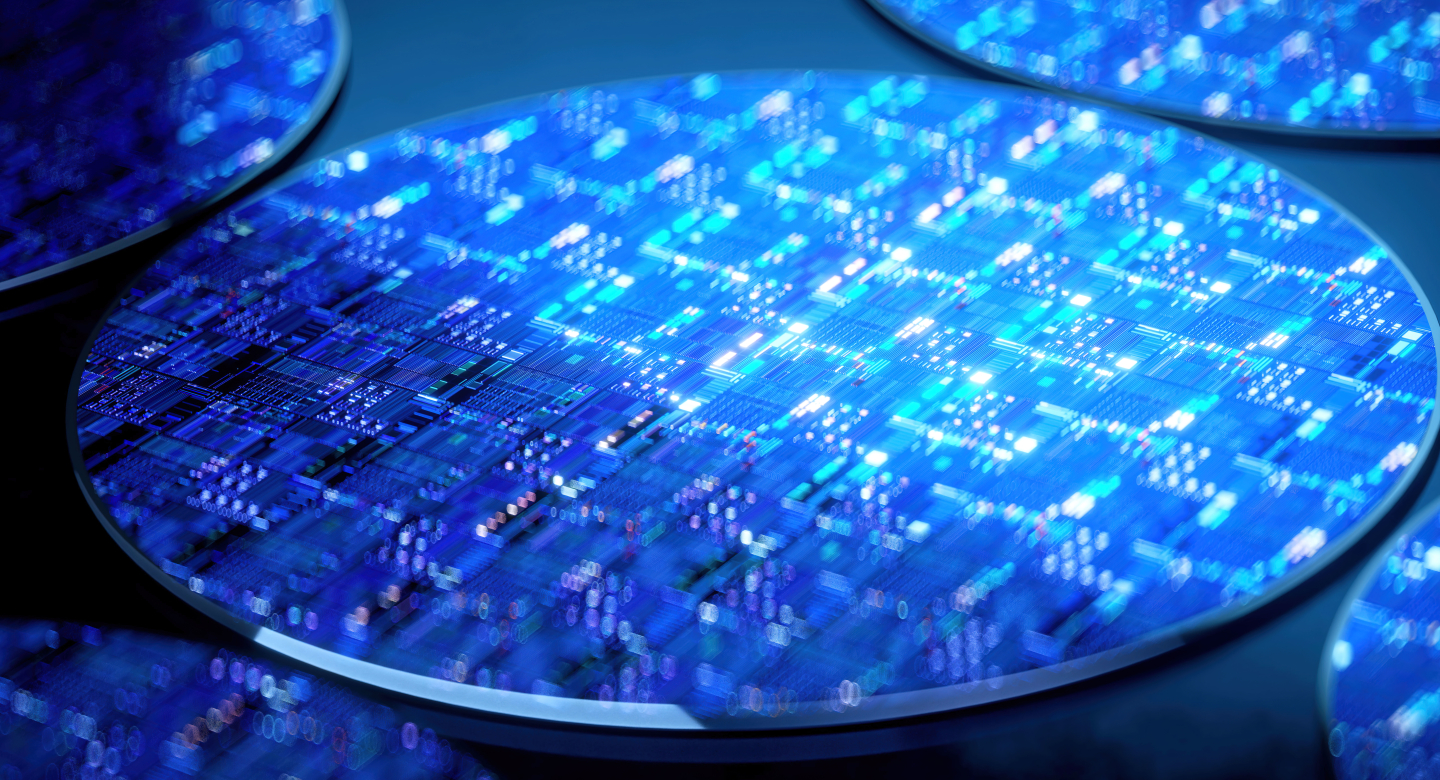
As global demand for smarter, faster, and more sustainable technologies grows, deep tech is becoming a key driver of innovation. Fields such as semiconductors, photonics, and quantum technologies are essential to advances in artificial intelligence, secure communication, and advanced manufacturing.
Japan and the Netherlands share more than 425 years of collaboration in trade, knowledge exchange, and innovation. Building on this foundation of trust, both countries are strengthening their partnership to accelerate deep tech development and address global challenges together.
The collaboration is built on complementary strengths. Japan’s technological depth, industrial scale, and long-term investment strategies combine naturally with the Netherlands’ expertise in advanced machinery, materials, and its culture of open innovation. A Memorandum of Cooperation signed in 2023 further reinforces this partnership, supporting joint public-private initiatives in semiconductor and related technologies.
The Netherlands offers a highly connected deep tech ecosystem where universities, research institutes, companies, and government collaborate closely in a quadruple helix model. This structure enables strong cooperation across semiconductors, photonics, and quantum technologies.
By combining expertise in research, industry, and innovation, Japan and the Netherlands are strengthening their ecosystems and accelerating the development of technologies that will shape the future and contribute to solutions for global challenges.


Greenhouse, High Tech Campus 27, Eindhoven
Within the PIB Deeptech Japan programme, we work on strengthening the collaboration between the Dutch and Japanese deep tech ecosystems. That collaboration is not only about technology, but also about the people who drive it.
That is why we organise a PIB Female Day Tech Seminar on Thursday 29 October in the Greenhouse, High Tech Campus 27 in Eindhoven, from 14:00 to 18:00.
More women (at the top) in High-Tech NL and Japan: What can we do?
During the event, we will look into what we, as High-Tech organisations in the Netherlands and Japan, can do to increase the representation of women (at the top). Supported by two external parties (We In Quantum Development and Connectify), we will learn about opportunities for optimising our decision-making processes, relevant for both recruitment and selection and internal promotions (during an interactive workshop). We will also hear about women’s experiences of reaching senior positions (panel discussion). Lastly, we will have the opportunity to bring everything together ourselves and think about what to drop, add, keep, and improve in our own everyday practices (DAKI).
Women in High-Tech in the NL & JPN
The High-Tech sector in both the Netherlands and Japan continues to grow, but women remain underrepresented, especially in technical and leadership positions. Increasing diversity is not only important for equal opportunities, but also helps organisations strengthen innovation, creativity and decision-making.
This event brings together professionals from both countries to exchange experiences, discuss challenges, and explore practical ways to attract, retain and promote more women in the High-Tech sector.
SEMICON Japan 2026 brings together the latest innovations, technologies and ideas shaping the future of the semiconductor industry. This year, the Netherlands Pavilion will showcase leading Dutch organisations from across the semiconductor value chain, creating a strong platform to connect, exchange expertise and explore new partnerships in Japan.
Conference Center The Strip HTC Eindhoven
Micha Tahar
Business Development & Project Manager High Tech NL Semiconductors
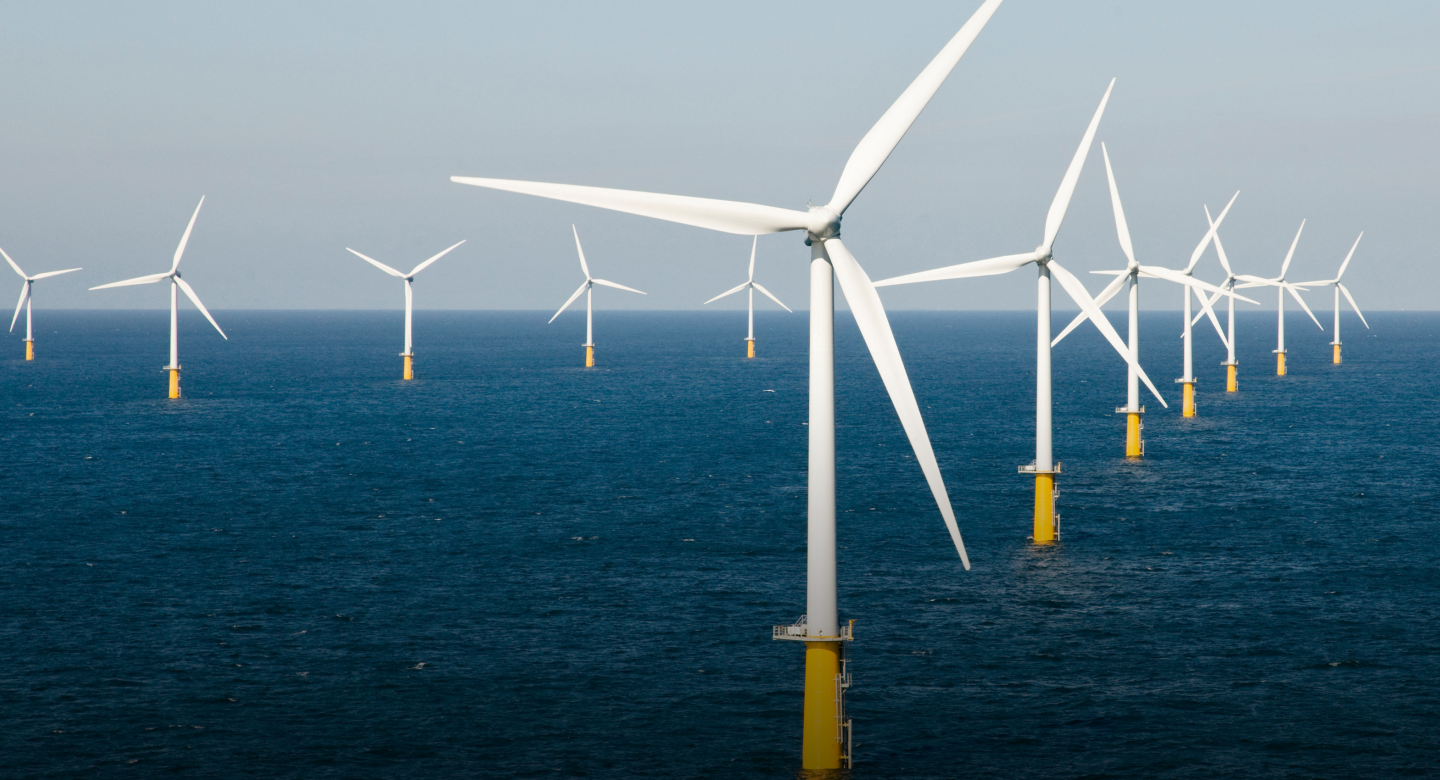
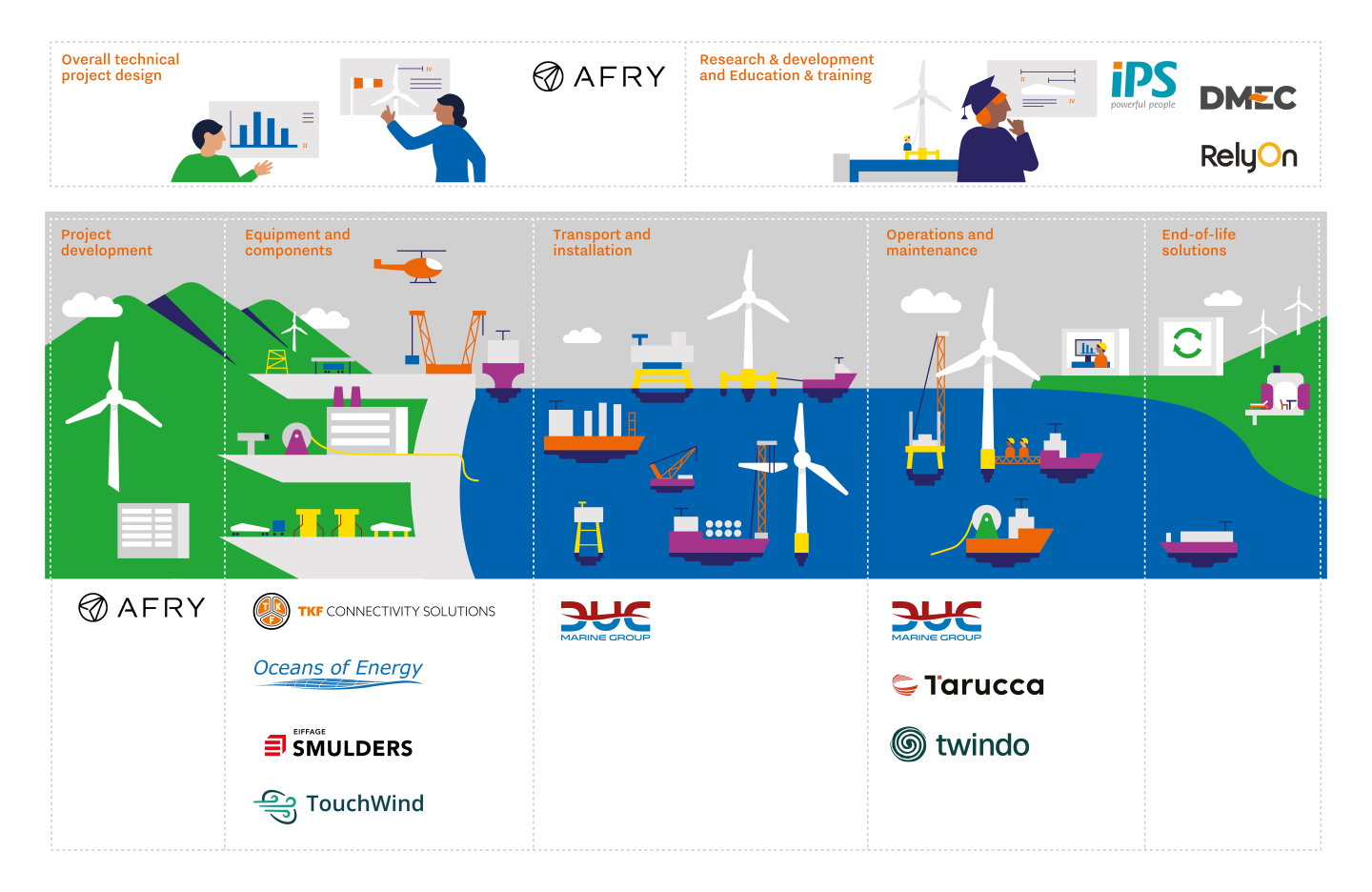
Spain and Portugal are advancing rapidly towards their renewable energy ambitions, with plans to deploy 4–5 GW of offshore wind by 2030. Much of this capacity will rely on floating technologies suited to the deep waters of the Atlantic coastline. As both nations build the foundations of a new offshore wind industry, the Netherlands offers a long-term partnership rooted in practical experience and shared ambition.
Over the past 25 years, the Netherlands has developed a mature and fully integrated offshore wind sector in the demanding conditions of the North Sea. Dutch companies, research institutions, and public authorities work across the full value chain: From floating components, engineering, and installation through to port infrastructure, ecology, digital systems, and circular design. This includes substantial policy experience in regulation, marine spatial planning, and nature-inclusive development.
Spain and Portugal have the opportunity to unlock one of Europe’s most promising energy frontiers. The Iberian Peninsula offers exceptional wind resources, strong industrial capabilities, and a strategic position to become a leader in floating offshore wind. Both nations are at a pivotal moment in the energy transition and the potential extends well beyond clean electricity. Scaling up offshore wind will strengthen energy independence, create high-skilled jobs, boost industrial competitiveness, and accelerate port modernisation.
The Partner For International Business (PIB) Offshore Wind in Spain and Portugal connects Dutch capabilities with this momentum. The programme supports collaboration across the full project lifecycle: From early site studies and port development to floating components, digitalisation, workforce training, and nature-inclusive design. It aims to create long-term opportunities for Spanish and Portuguese companies to access operational experience, while enabling Dutch companies to contribute to a competitive offshore wind market across the Iberian Peninsula.
Research, innovation, and capacity-building underpin this partnership. Knowledge-to-knowledge (K2K) cooperation between research institutes, innovation networks, and training providers supports joint studies, exchange missions, and expert dialogues. These efforts advance environmental modelling, digital solutions, skills training, and engineering capabilities across all three countries.
Workforce development is a shared priority. As Spain and Portugal scale their offshore wind sectors, local technicians and engineers will be needed at every stage. Dutch experience in offshore project execution, safety standards, and technical training can help build strong national talent pipelines.
In parallel, government-to-government (G2G) cooperation supports clear and predictable frameworks, including tender criteria, marine spatial planning, sustainability requirements, and nature-inclusive design, areas where Dutch models offer tested approaches.
Today, 4.5 GW of offshore wind capacity is installed or under construction in the Dutch North Sea. The national roadmap targets 21 GW by around 2033, roughly 75% of current electricity demand, and between 38 and 72 GW by 2050 to reach net zero. We are navigating similar challenges that Spain and Portugal face, from harsh sea environments to permitting and grid integration to supply chain development and ecological impact.
Plus, Dutch companies have substantial experience in vessel construction, components engineering and installation, turbine installation, safety training, and handling systems. We are keen to share this experience, and to learn from the experiences and innovations that Iberian partners bring to floating offshore wind in deeper, more exposed waters.
Spain, Portugal, and the Netherlands have the opportunity to drive the floating energy transition forward. The foundations for this partnership are in place. Together, we can develop offshore wind responsibly, efficiently, and for the long term.



Brennus van Os van den Abeelen
Manager Export Promotion & Internationalisation
Welcome to the Dutch Mission Booklet for the InCyber Forum 2026 in Lille. This forum brings together key players from across Europe to connect, exchange insights, and shape the future of cybersecurity together.
The Dutch delegation is here with a clear purpose: to engage with partners, share expertise, and explore concrete opportunities for collaboration. Representing a strong ecosystem of companies, researchers, and innovators, the Netherlands offers cutting-edge solutions and a forward-looking approach to digital security.
We are particularly keen to deepen cooperation with international partners, including our French counterparts, in areas such as secure digital technologies, resilient infrastructure, and emerging fields like AI and data. By working together, we can accelerate innovation and address the complex cybersecurity challenges we all face.
We invite you to connect with us, exchange ideas, and build partnerships that contribute to a safer and more resilient digital future.
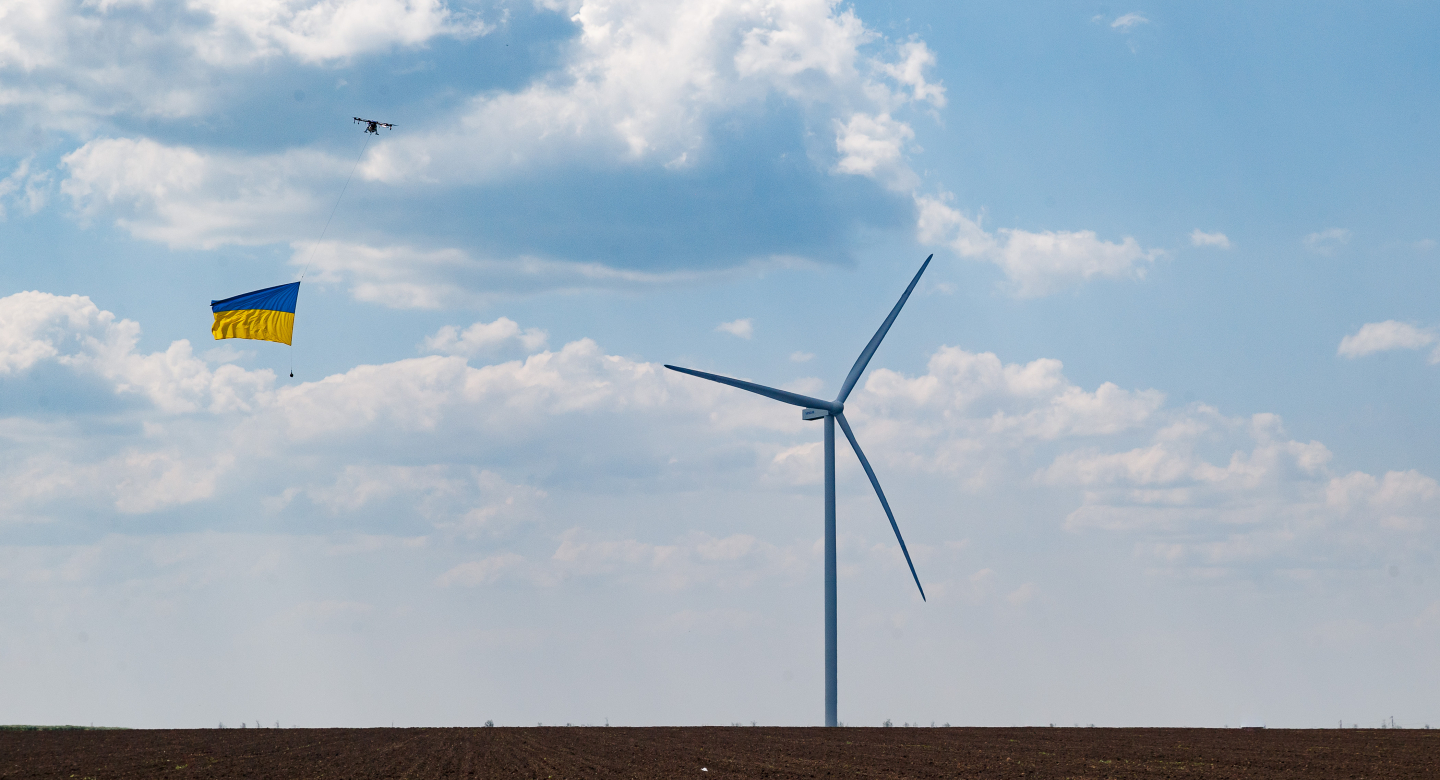
A reliable energy supply is essential for our homes, workplaces, healthcare services and industry. Yet climate change is accelerating, making the need for decisive action increasingly urgent. Shifting weather patterns, rising sea levels and growing resource scarcity require solutions that no country can deliver alone. At the same time, energy demand continues to rise and gas reserves are diminishing, requiring a rapid shift to alternative sources for transport, heating and industrial use.
Ukraine faces the triple challenge of repairing and rebuilding its energy system while accelerating its integration with the European energy market. Its strong dedication to renewable energy, particularly wind, solar and decentralised energy hubs, combined with deep technical and IT expertise, provides a solid foundation for modernisation. The Netherlands is well positioned to support this momentum and to contribute to Ukraine’s long-term clean-energy transition.
Sustainable energy security and long-term development can only be achieved through close collaboration. Ukraine’s renewable-energy potential is among the highest in Europe, creating significant opportunities for Dutch–Ukrainian partnerships in onshore wind, solar PV, battery storage, decentralised grids and, over time, the exploration of offshore wind in the Black Sea. Dutch companies bring extensive experience in system integration, digitalised grid solutions, refurbished wind technologies and modular engineering, expertise that can be adapted quickly and effectively to Ukraine’s evolving needs.
As Ukraine aligns its energy sector with EU standards, public authorities, utilities, agricultural and industrial firms, IT clusters and critical infrastructure operators are increasingly seeking reliable, low-carbon and resilient power solutions. By combining Dutch capabilities with Ukraine’s rapidly developing renewable-energy sector, this partnership supports energy independence, strengthens local skills and employment, and contributes to a modern, competitive and future-focused European energy landscape.



For four days, Hamburg will bring together trade visitors, decision-makers and young professionals from around the world to network and explore the latest solutions for onshore and offshore wind energy. In 2026, the new Energy Storage area, covering energy storage systems and intelligent energy management, will be a key focus as core technologies of the energy transition. Complemented by a high-quality conference program and the Recruiting Days on 24 and 25 September, WindEnergy Hamburg reinforces its position as the only global meeting place for the wind energy industry.
The 6th International Exhibition & Conference ReBuild Ukraine: Construction & Energy is an international event dedicated to Ukraine's recovery and reconstruction. It serves as an offline platform bringing together recovery projects, innovative materials, technologies, equipment and investment opportunities needed to rebuild the country's war-affected economy, with a particular focus on infrastructure, industry, energy and housing.
Wind is Europe’s greatest energy asset – and it’s vital that we tackle false narratives and come together to tackle to bottlenecks to further wind buildout. This year in Madrid we’ll be looking at the many ways wind delivers for Europe – and what we can do to ramp it up further.
The Lviv Conference and Business Forum is the second Ukrainian–Dutch Intergovernmental Conference, held this year in Breda, the Netherlands. It is a high-level meeting where the governments of Ukraine and the Netherlands discuss Ukraine’s progress towards EU accession, ongoing reforms, and priorities for economic recovery and energy resilience. Alongside the governmental discussions, a Business Forum brings together Dutch and Ukrainian companies, sector organisations and knowledge institutions to explore partnerships, investment opportunities and practical cooperation in key sectors such as renewable energy, infrastructure, agriculture, water management and defence-related technologies. The event aims to strengthen bilateral cooperation, support Ukraine’s reform and recovery efforts, and expand opportunities for Dutch and Ukrainian partners to work together.
Offshore Energy Exhibition & Conference (OEEC) is the leading international event in the offshore energy industry held each year in Amsterdam. OEEC serves as an essential gathering point for professionals, experts and companies active in the offshore energy sector and beyond. Covering a diverse spectrum, which includes offshore wind, hydrogen, oil & gas and marine energy. OEEC offers a platform for these industry stakeholders to come together, ignite innovation and shape the future of the energy transition. With expert speakers, interactive exhibits and unparalleled networking opportunities, this event is an opportunity to stay in the curve in the offshore energy game.
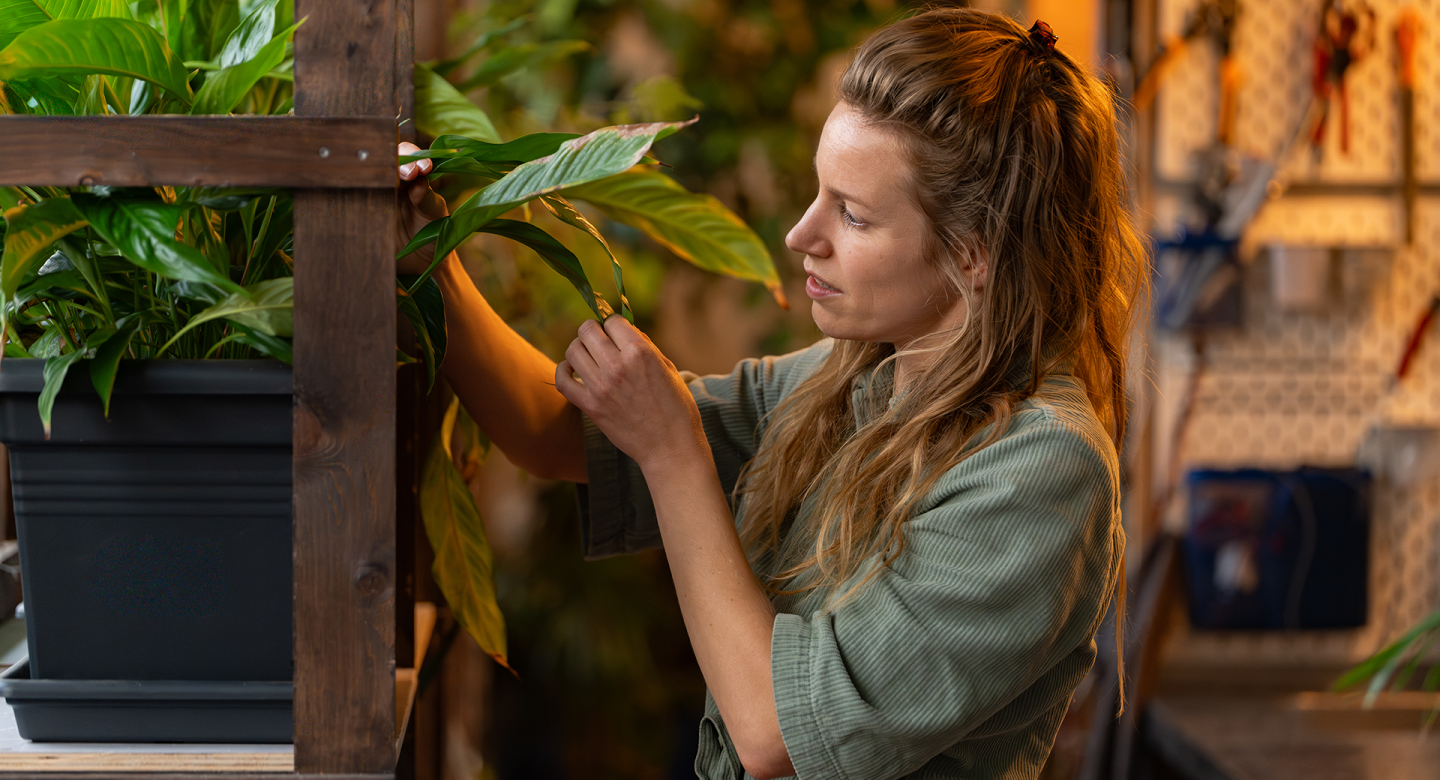
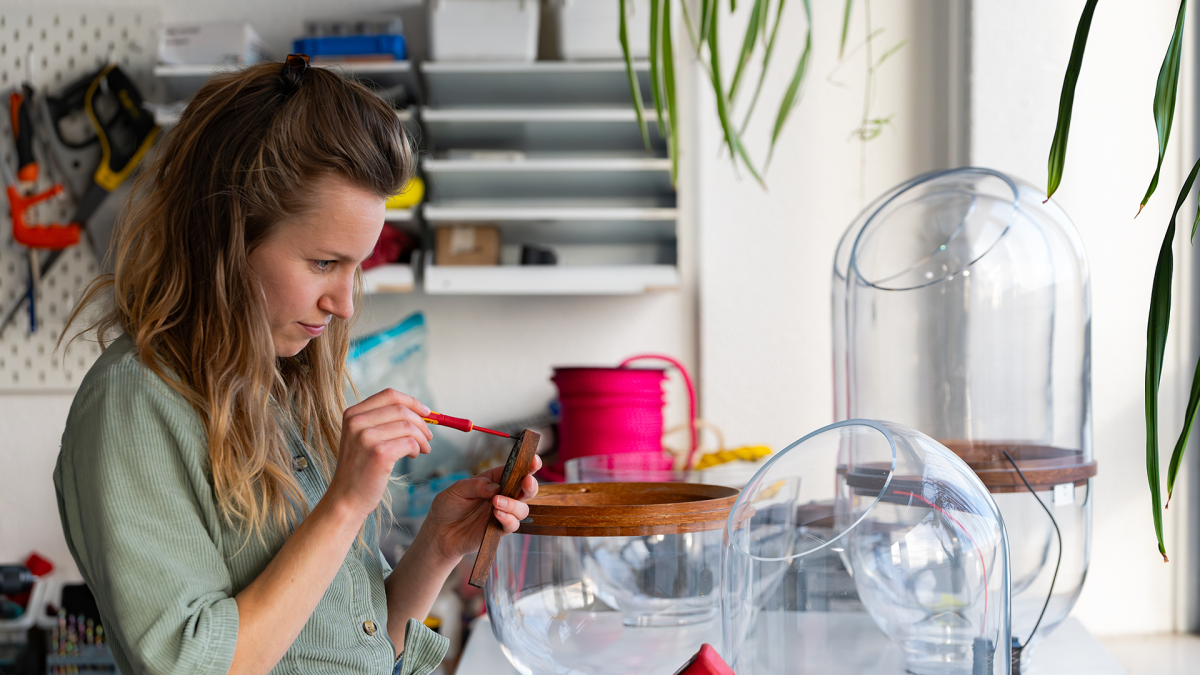
Walk through a beautiful park, and your senses catch only a fraction of what is truly happening around you. If you were a bee or butterfly, you’d see ultraviolet patterns on petals, hidden signals, entire worlds we humans rarely perceive. Designer and founder of the bio-tech studio Nova Innova, Ermi van Oers, has made it her mission to bring those stories to light. Stories we cannot see at first glance, yet bring us closer to the intelligence of nature. By blending science with design, she creates work that allows nature to speak about its state of mind. Her studio shows what happens when an ecosystem meets technology in ways that are both poetic and respectful of the natural world.
For years, Ermi van Oers has built a living lab where biological processes become sources of light, energy, and expression. Her breakthrough project, a lamp powered by a plant’s photosynthesis, proved that nature could power our world without harm or external energy sources. No external power source like batteries or cables, just the natural release of electrons captured through Microbial Fuel Cell Technology. This collaboration with the biotechnology company Plant-e later led to the world’s first public park lit entirely by the energy of plants: a magical space in Rotterdam-Zuid where, after sunset, the ground glows like a field of fireflies.
Now, through Nova Innova, Ermi van Oers is exploring a new frontier: extracting clean energy from water. Because water is a living organism too. It contains bacteria that break down organic matter, releasing electrons in the process. By embracing the constraints of natural systems, rather than forcing them, Nova Innova turns this microbial activity into electricity that can power sensors, lights, and artworks, all without disturbing the ecosystem itself.
When water tells us how it’s doing
The latest innovation, called Living Water - POND (Power of Nature-Based Design), once again makes the invisible visible. Developed over four years with the University of Southampton, POND is the world’s first floating network powered entirely by the microbes within the water it monitors. Floating domes drift gently on the surface, glowing in colours that reflect the water’s well-being. It functions autonomously, translating real-time water quality into a visual language that people can understand at a glance. Blue, green, pink; each hue a message. Through POND’s digital twin website, users can learn what each colour means. A green glow, for example, translates as: ‘My health is in balance. Fish and plants feel at home here’. They are developing it even further, so that it can even predict the likelihood of blue-green algae. For the first time in the world, water can ‘speak’ to us! Allowing us to know what it needs and how to care for it.
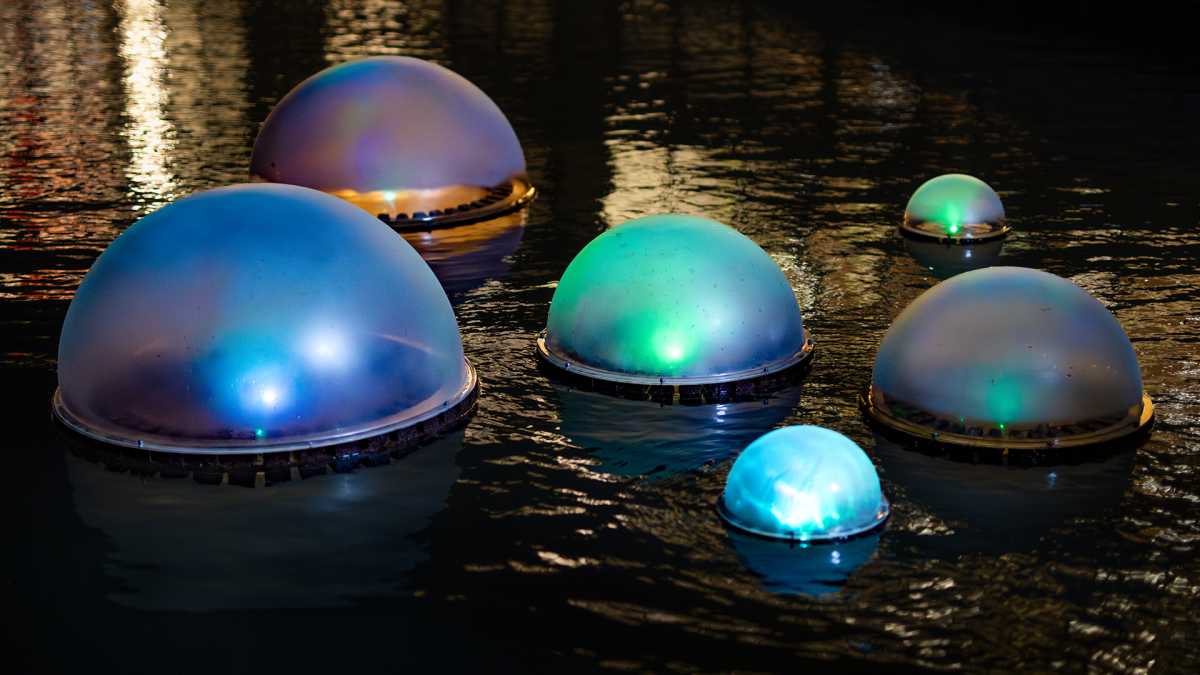
POND is now part of a growing consortium including Deltares, Waterschap Amstel, Gooi en Vecht, the municipalities of Rotterdam, Utrecht and Voorne aan Zee, Fieldlab Oostvoorne, In-lite and others. Current POND pilots can be found at the Deltares campus in Delft, Griftpark in Utrecht and Erasmus University in Rotterdam. Soon they will give water a voice as well in Amsterdam and Oostvoorne.
Globally, polluted water threatens both ecosystems and public health. Nova Innova approaches this challenge from a different perspective: what if nature could communicate its own needs, and we simply learned how to listen? Projects like POND show how this might work in practice, translating the health of water into signals people can understand and respond to.
Weaving design, technology, and science with the intelligence of nature
The studio’s work stands out because it is not speculative; it is scalable. By combining science, engineering, ecosystems, and design, Nova Innova creates solutions that can already be applied today. As founder Ermi van Oers puts it: we must treat water not as disposable, but as a living organism. Her hope is that future generations will see it as entirely normal that light can come from plants, electricity from bacteria, and that we build with nature rather than against it. By merging science, technology, and design, Nova Innova opens up a future where we form closer connections with the ecosystems around us. A future where humans and nature work in balance. Not just tomorrow, but for the generations that follow. And that’s what makes it truly New Dutch.
Does #newdutch spark an interest or a golden idea with you? We love hearing from you! You can email us at newdutch@nlbranding.nl.
Want to know more about how you can work together with the Netherlands to achieve your goals? Or how you can help contribute to or spread the word on campaigns, events and initiatives? Contact us directly at info@nlbranding.nl so we can help you connect to the right people.


