
In the spotlight
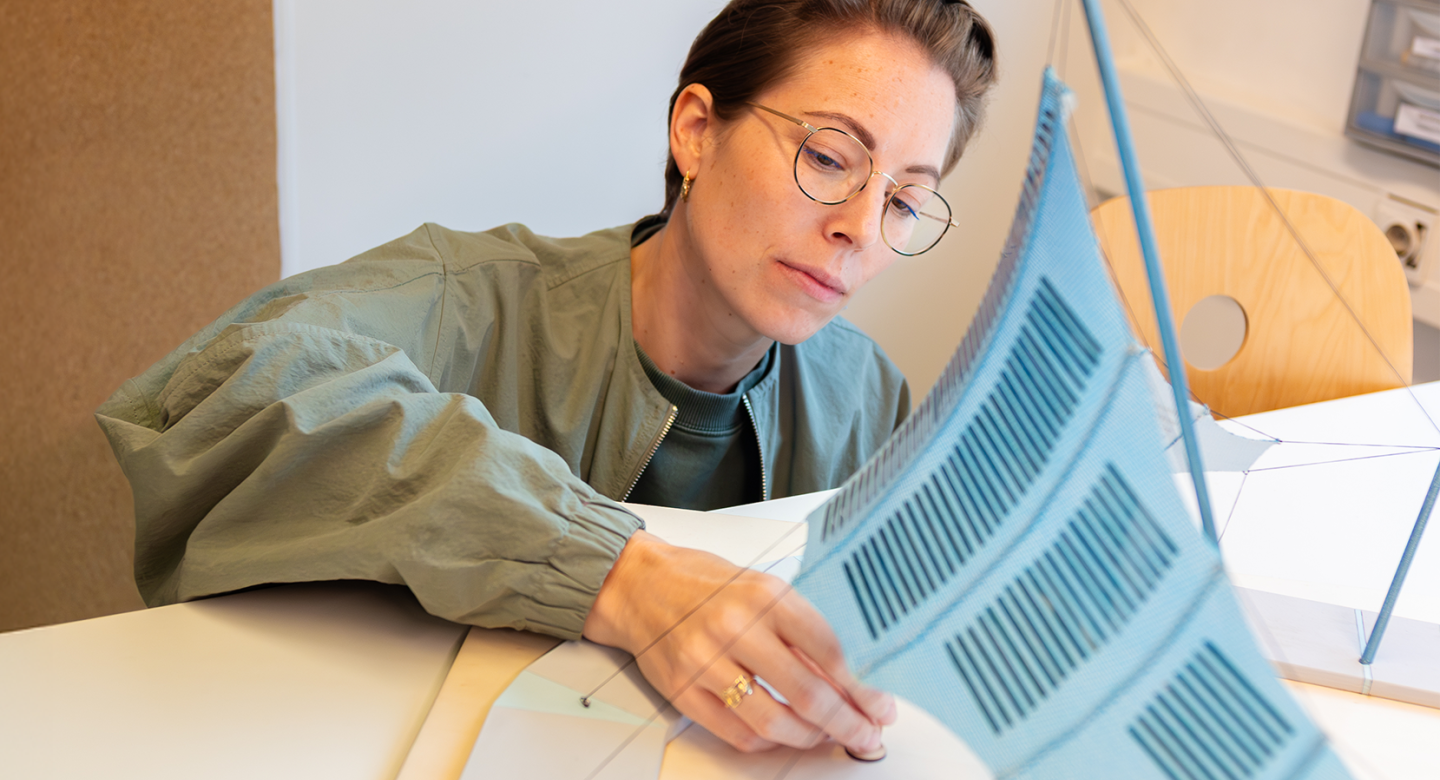
Dutch designer Pauline van Dongen is rethinking what solar energy can look like. Not as rigid panels fixed to rooftops, but as flexible fabrics woven directly into the spaces where we walk, live or work. In her design studio in Arnhem, she develops smart textiles that capture sunlight and transform it into a source of power. Her latest innovation, Heliotex, shows what happens when renewable energy meets material design; a lightweight textile that can shade streets, cover facades, or stretch across public spaces, while quietly generating electricity from the sun.
Fascinated by how textiles shape the way we move through the world, van Dongen began her career in fashion. Her curiosity expanded into technology, with thoughts on how fabrics could not only clothe us, but actively interact with our environment. Her studio focuses on what she calls material aesthetics; exploring how technology can enhance the sensory, emotional, and physical relationship between people, clothing, and the world around them. This thinking eventually led to solar textiles. When sunlight becomes part of the material itself, the role of the sun changes. It is no longer just light or warmth, it becomes clean energy.
Heliotex embodies this idea. Developed together with engineering partner Tentech, the textile integrates organic photovoltaic modules directly into the weave. Unlike traditional solar panels, which are mounted onto buildings, Heliotex becomes a flexible ‘second skin’ for architecture. The result is a material that is foldable, lightweight, and adaptable. It can be produced in different colours, shapes, and patterns, making it attractive to architects designing facades, awnings, or large-scale pavilions.
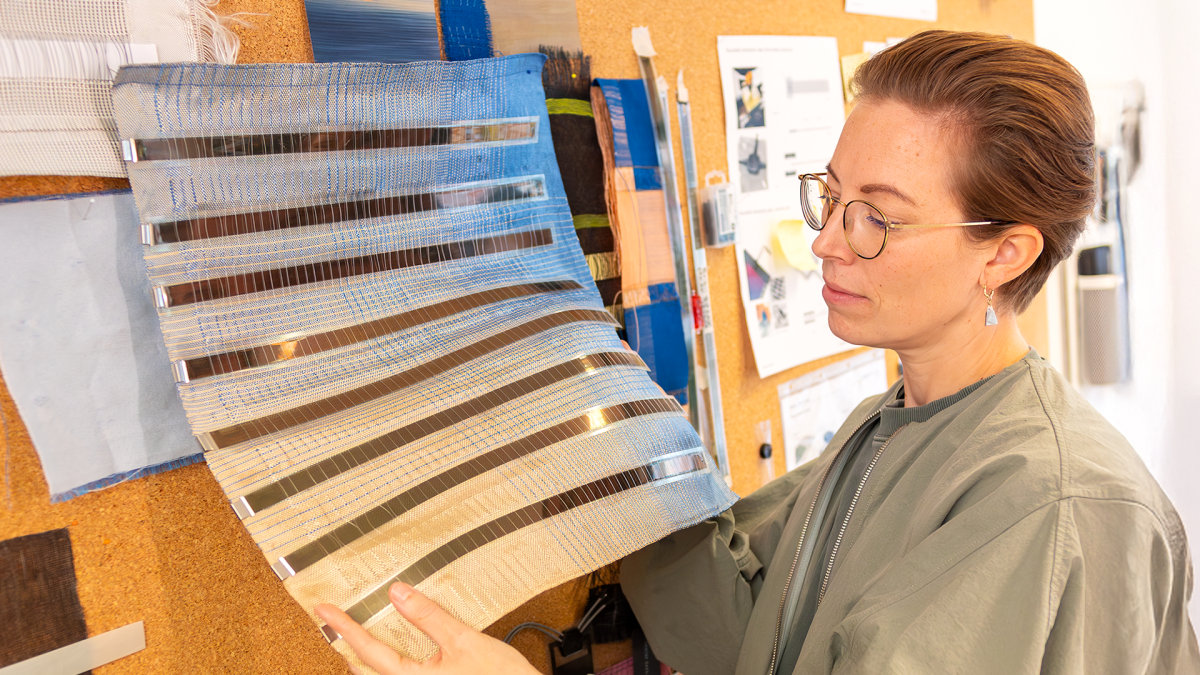
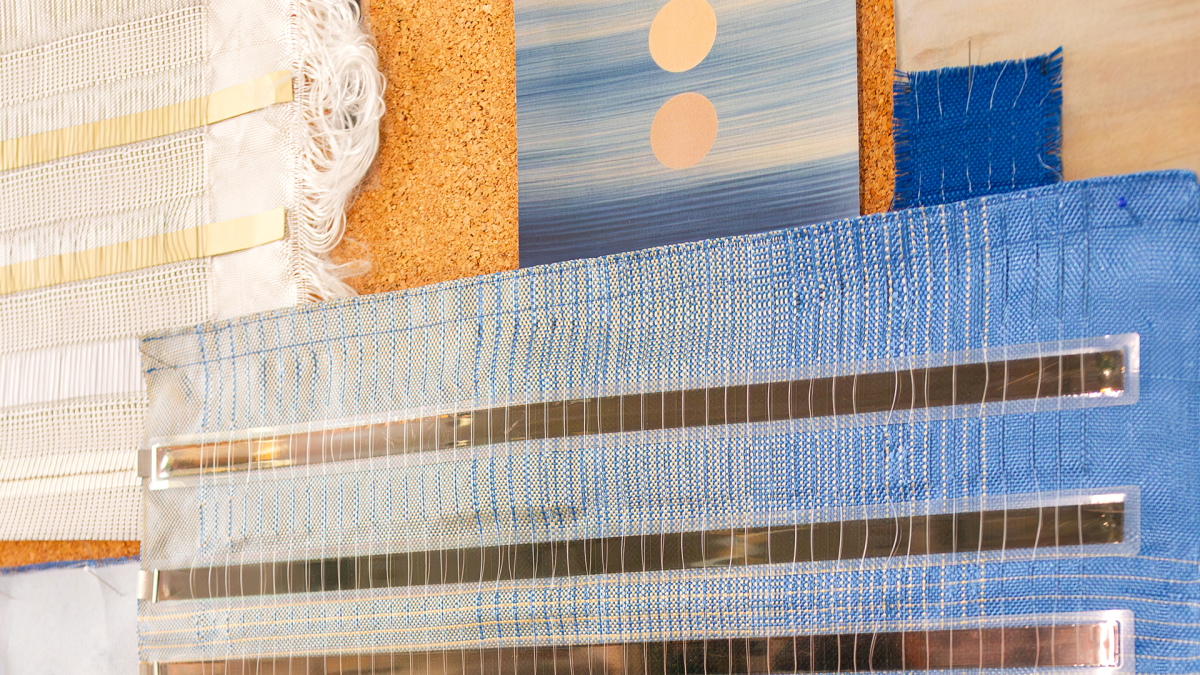
Heliotex does more than generate power. It also addresses another growing challenge in cities: heat. By functioning as a shading textile, the fabric helps cool urban environments while simultaneously harvesting solar energy. To demonstrate this potential, the installation The Umbra Pavilion was launched during Dutch Design Week. Located in Eindhoven’s Strijp-S district, this public-space structure spans around forty square metres. Heliotex is front and centre, shaped into an umbrella-like textile canopy that provides cooling shade while generating and storing roughly three kilowatt-hours of electricity, enough to power lighting in the evening. In this way, Heliotex connects two urgent transitions at the same time: climate adaptation and renewable energy. Design plays a crucial role in making that connection visible and tangible.
A Dutch ecosystem for solar innovation
The energy transition doesn’t need to be hidden on rooftops or technical infrastructure. It should be visible, accessible, and part of everyday life. This philosophy also led her to co-found initiatives such as The Solar Movement and The Solar Biennale, which bring designers, scientists, and the public together around solar innovation. Projects like Heliotex are also made possible by the collaborative environment in the Netherlands. According to Van Dongen, the country has become one of the most progressive solar innovation ecosystems in the world. Close cooperation between designers, engineers, universities, municipalities, and public institutions allows experimental ideas to move from concept to real-world pilots. Government support and partnerships with cities help turn design research into working infrastructure. Heliotex itself is partly supported through this network of public and private collaboration. It shows how design, technology, and policy can work together to accelerate the energy transition.
Designing a solar future
Looking ahead, Van Dongen believes solar energy will play an even larger role in the cities of tomorrow. As urban areas heat up and energy demand rises, materials that both cool and generate power could become essential parts of urban design. By weaving solar technology directly into textiles, Heliotex demonstrates a future where energy generation becomes part of the fabric of the city itself. A future where sunlight is not just something we feel, but something we design with.
Does #newdutch spark an interest or a golden idea with you? We love hearing from you! You can email us at newdutch@nlbranding.nl.
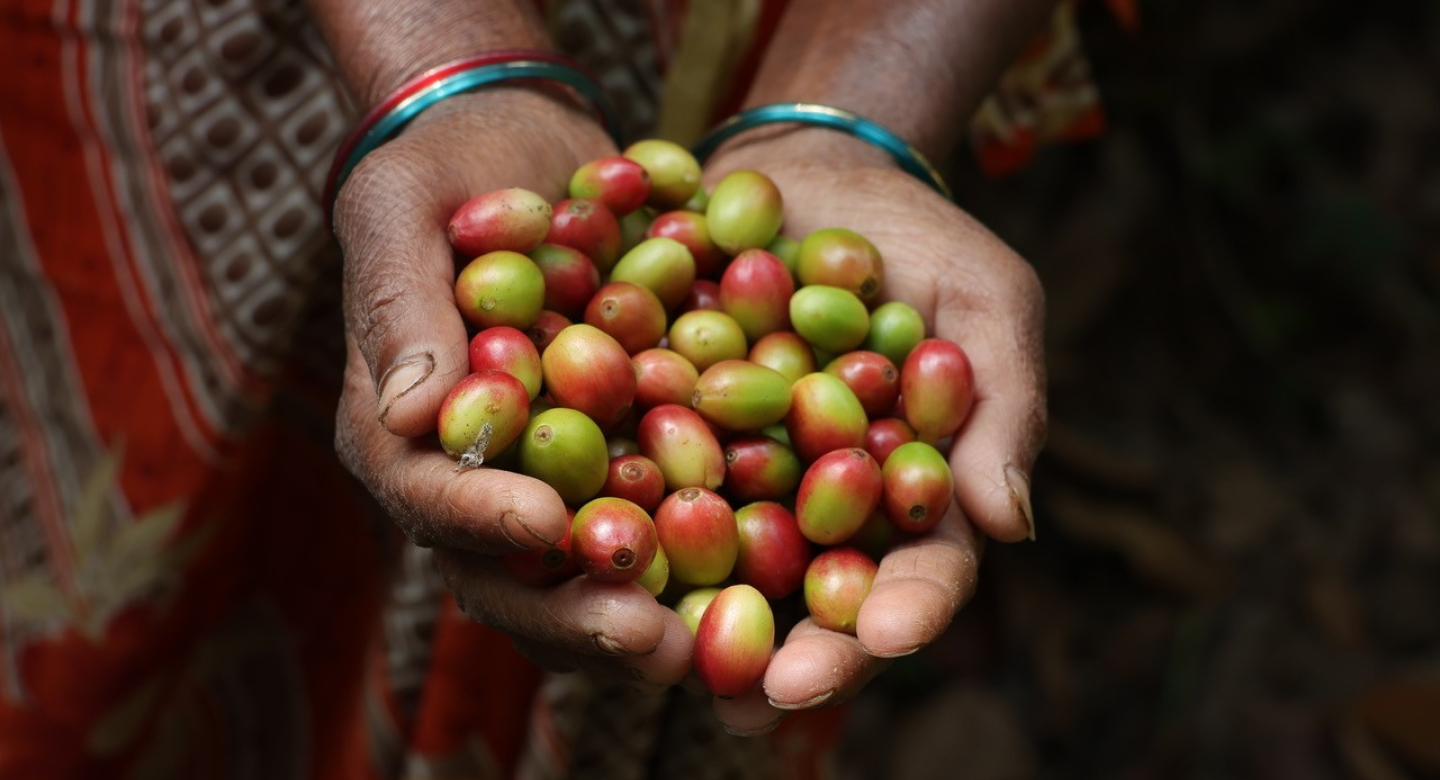
Across the tribal regions of Andhra Pradesh, farmers are adapting to changing rainfall patterns. They are testing new crops and refining practices shaped over generations. Far from standing still, these farming communities are evolving their agricultural heritage to meet the realities of a changing climate.
Farmers are responding to less predictable weather patterns and declining soil health. At the same time, global markets demand greater transparency. The pressure is mounting for the land, for livelihoods, and for the future of food and fibre production. One answer lies in a new partnership between India and the Netherlands.
“Regenerative agriculture restores soil, improves community health, and strengthens the ecosystems around it.”
- Dr.K.Sreenivasulu IAS
Director Horticulture and Sericulture, Government of Andhra Pradesh
The Global Regenerative & Circular Food & Fibre Landscapes initiative brings together organisations from India and the Netherlands, alongside international brands, public institutions, and knowledge organisations. This collaboration is centred around one shared question: how can food and fibre be produced in a way that is better for farmers, businesses, and the environment at the same time?
Rather than focusing on one isolated part of the system, the initiative connects the full chain, uniting those working on the land with those shaping supply chains, markets, research, and investment. In doing so, it nurtures trust, alignment, and meaningful collaborations, enabling true co-creation around a shared vision for the future.
At a recent gathering in The Hague, the collaboration moved from intention to commitment.
50 participants from more than 30 organisations came together to mark the launch of the Global Regenerative & Circular Food & Fibre Landscapes initiative. These organisations came from business, government, and knowledge institutions.
During the event, the first group of partners officially signed the partnership agreement. This included organisations such as ICRISAT, Control Union, Schijvens Corporate Fashion, Grameena Vikas Kendram, and RaddisCotton, which plays a key role in coordinating the group.
The partnership is supported by the Government of Andhra Pradesh, reinforcing a shared mission shaped by the visionary leader Chief Minister N. Chandrababu Naidu, and Dutch Ambassador to India, Marisa Gerards.
Together, they are building a platform to improve the living standards of small and marginal farming communities in Andhra Pradesh while building a reliable and sustainable supply of food and fibre for Dutch businesses.
During the event, the Ambassador shared her inspiring interactions with tribal women farmers in the Eastern Ghats - who are at the forefront of the regenerative movement, embodying optimism, courage, and a deep sense of stewardship for their landscapes. These remarks further highlighted the shared ambition to strengthen cooperation between India and the Netherlands.
Many partners have a role in this complex system. From finance and investment, Rabo Foundation, Invest International, the Common Fund for Commodities, and Elea, share their insights. Wageningen University & Research and Avans University of Applied Sciences, as well as partners working on innovation and value chains, such as Commonland and ACCESS Development Services, all contribute to these solutions.
Together, they form a growing partnership, brings together different expertise across the whole value chain. From farmers and local organisations to global companies, research institutions, and public partners. Each partner contributes in their own role, on equal terms.
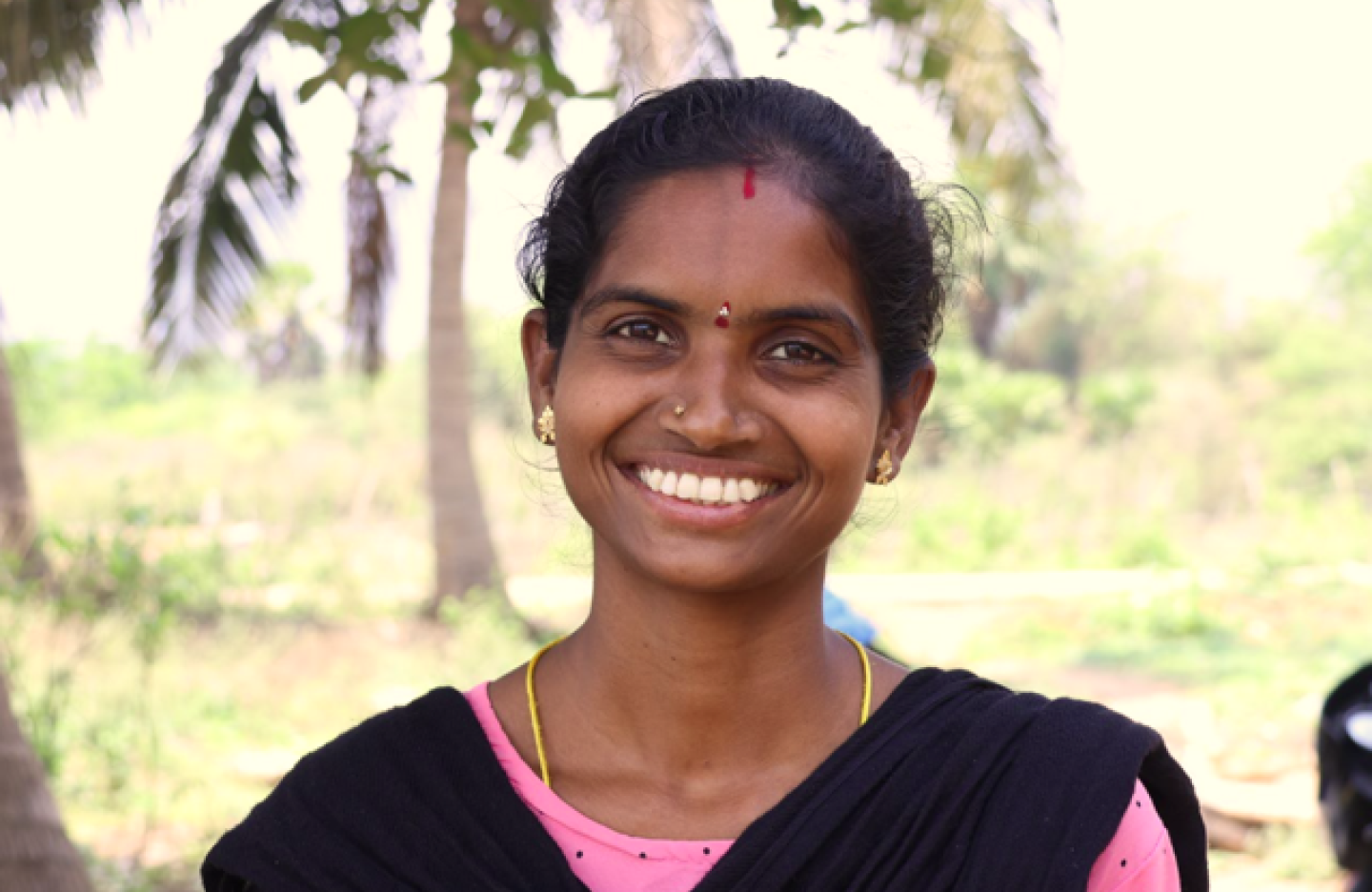
Farmers are increasingly applying agroecological principles, reducing reliance on chemical inputs and GMOs, and moving away from monocropping towards diverse systems that restore soil health and biodiversity. Healthy soils support more resilient crops and contribute to carbon sequestration. At the same time, businesses are rethinking supply chains, and researchers are developing new tools and insights. Many of these efforts are already delivering meaningful results.
Yet too often, they remain fragmented and disconnected. What is missing is not innovation, but alignment. The real opportunity lies in bringing these efforts together at landscape level, using nature-based solutions to harness ecosystem services and generate long-term economic, ecological, and social value.
This initiative begins from that awareness, not by replacing what exists, but by nurturing the relationships through which these diverse efforts can drive large scale systemic change.
It is easy, in conversations like these, to speak in terms of systems, supply chains, and markets, but these systems are ultimately shaped by people.
At the centre of this initiative are the farmers, whose needs, knowledge, decisions, and experience define what is possible on the ground. They are not seen as beneficiaries, but as experts in their own right. They are custodians of knowledge whose understanding of the land and nature is essential to building a better future.
Working in partnership with farmers means recognising that expertise is distributed, and that meaningful change depends on how different forms of knowledge come together. Through this collaboration, farmers can access high-value international markets alongside processing and certification opportunities that support better value realisation and diversified incomes.
The aim is to strengthen livelihoods, restore soil and biodiversity, and contribute to supply chains that are more transparent and resilient.
At the centre of the collaboration are two connected ideas.
The first is regenerative agriculture, which builds on farmers’ knowledge developed over generations, rooted in tradition and culture, while continuing to evolve through new insights. It asks what it means to work with natural processes in a way that restores soil health, strengthens biodiversity, and supports long-term productivity, rather than focusing only on short-term financial returns alone.
The second is the development of circular value chains, which extends the conversation beyond production and into what happens afterwards. How are materials processed, reused, and brought to market in ways that reduce waste and increase transparency?
Neither idea is new in itself. But when brought together, they begin to close a gap that has long existed between how something is produced and how it is valued.
The work unfolds gradually, beginning with pilot projects that create space to test ideas in real-world conditions.
These pilots allow partners to explore what works in practice, adjust where needed, and build on what proves effective. There is a shared understanding that transformation at this scale cannot be imposed or rushed. It must develop step by step, through iteration and continued collaboration. Over time, successful approaches can be expanded into new regions, new partnerships , and new markets.
What starts in Andhra Pradesh is already designed to scale globally, with ambitions to expand into Bangladesh, Sri Lanka, Turkey, Brazil, and countries across Africa. And to keep supporting smallholder farmers across crops including cotton, coffee, cashew, millets, pulses, and oranges.
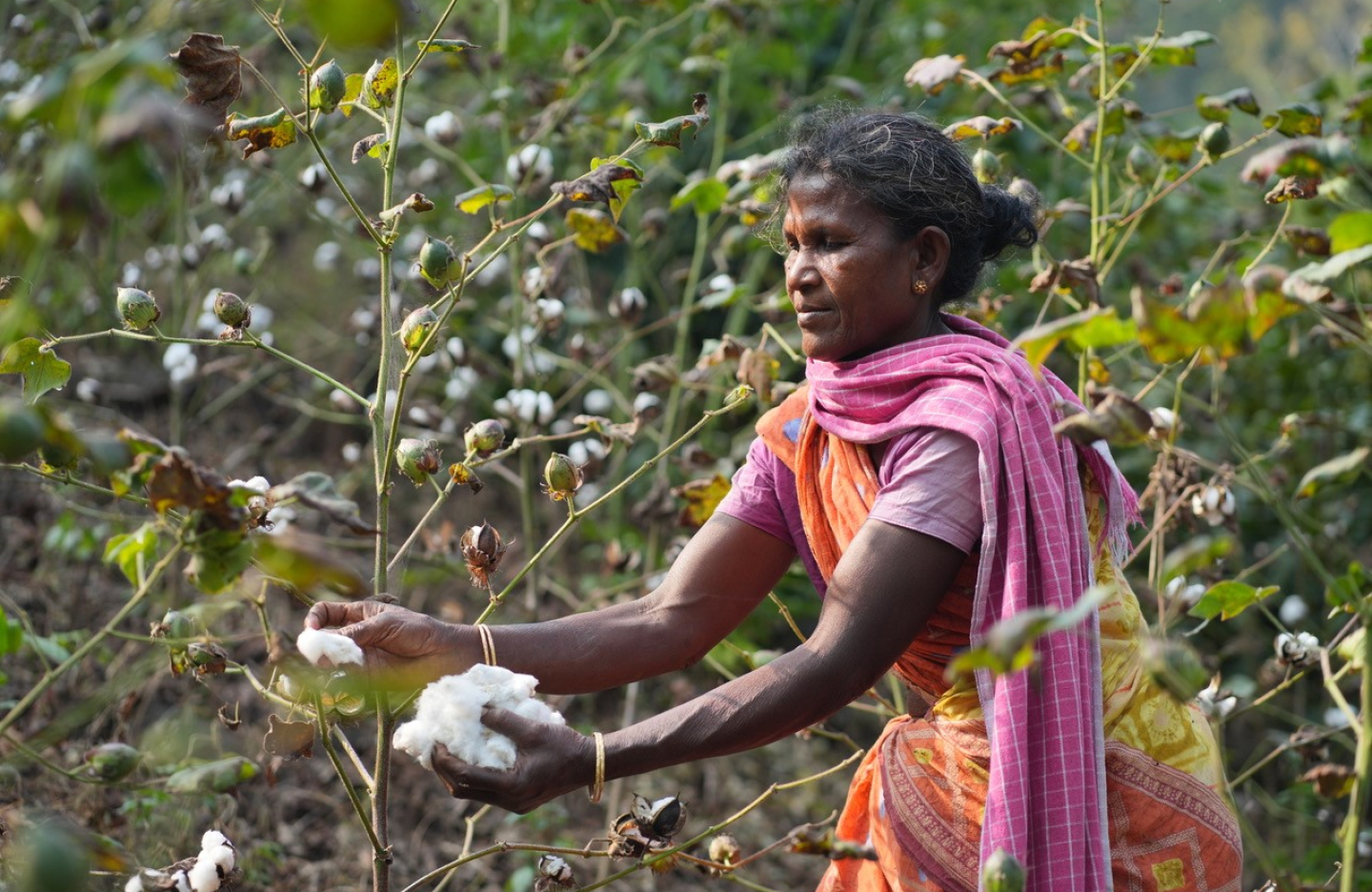
The collaboration between India and the Netherlands is grounded not in hierarchy, but in complementarity.
India brings scale, diversity, and a dynamic landscape. The Netherlands contributes experience in agricultural technology, water, logistics, and innovation, alongside a strong ability to connect knowledge institutions, businesses, and public partners.
What emerges is not a one-way transfer of knowledge, but a mutual exchange in which each context informs the other. The strength of the collaboration lies precisely in this balance.
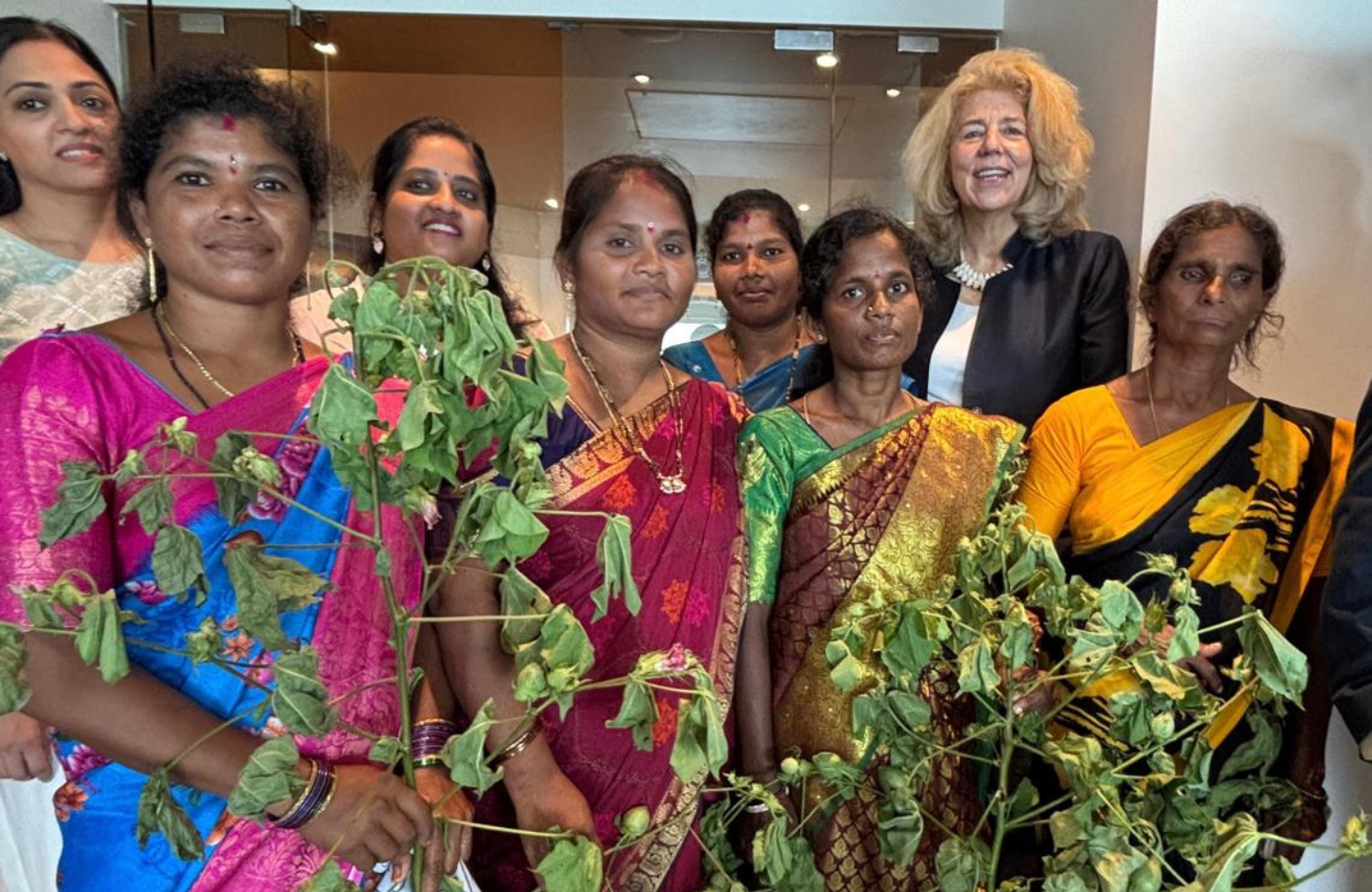
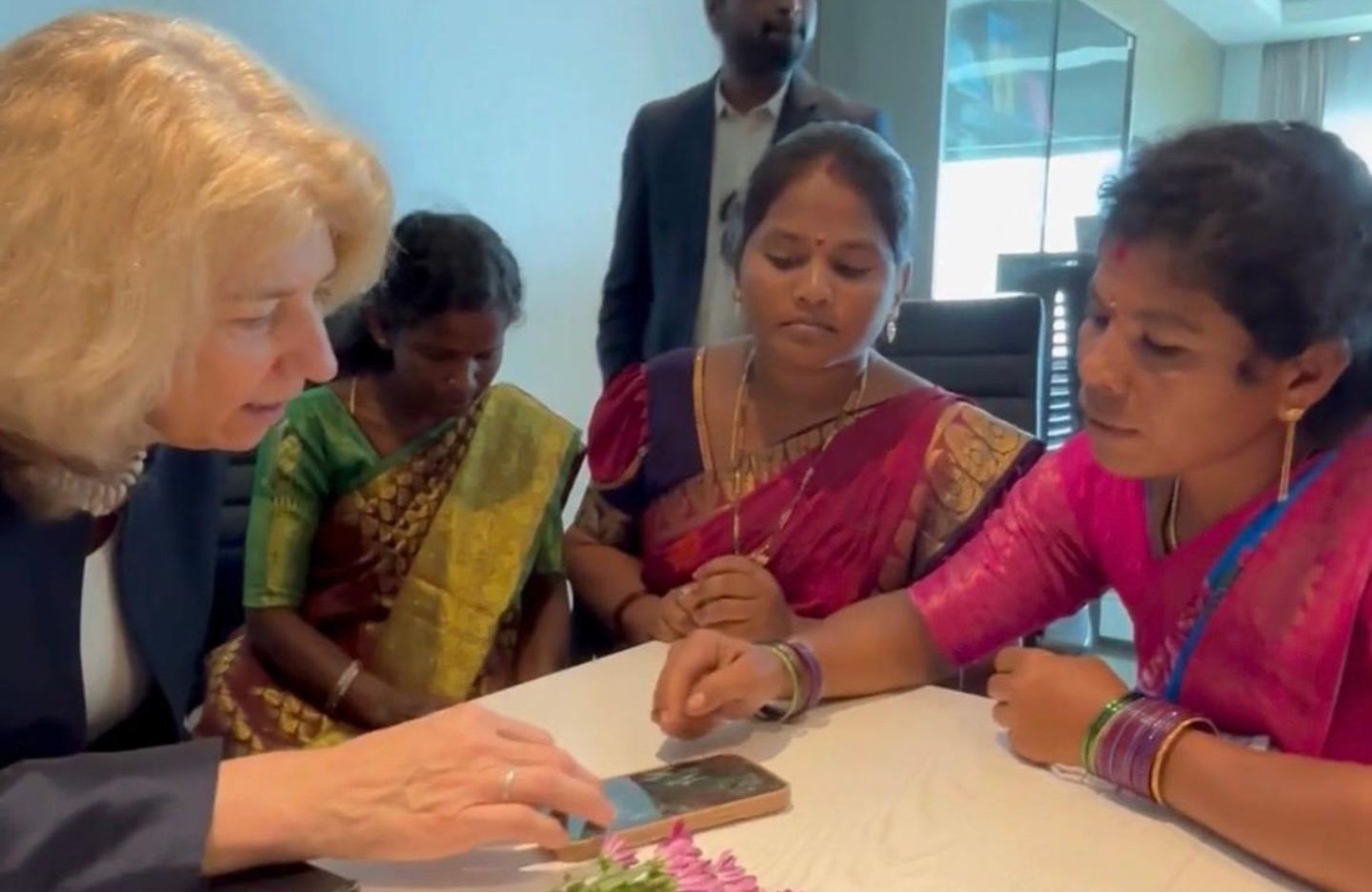
“What makes this collaboration truly meaningful is that it goes beyond technology or trade; it is about rethinking how we value food, fibre, and the people who produce them. India and the Netherlands each bring unique strengths, and by combining these in a spirit of partnership, we are helping to shape regenerative and circular systems that benefit farmers, ecosystems, and markets alike. This is the kind of international cooperation needed to address global challenges at scale.”
- Marisa Gerards
Ambassador of the Netherlands to India
What is emerging through this initiative is not a single solution, but a new way of working.
The future of food and fibre will not be shaped by isolated innovations alone, but by the quality of the relationships between those involved. Across countries, across sectors, and across different forms of expertise.
In that sense, what is being built here more than a set of projects. It’s a shared approach to addressing global challenges. One grounded in collaboration, shaped by practice, and defined by what can be achieved together.
What begins in Andhra Pradesh has the potential to reshape how the world grows food and fibre.
Within this landscape of collaboration, NLWorks plays a connective role.
As part of the Netherlands Enterprise Agency (RVO), NLWorks focuses on building international public-private partnerships that address global challenges while creating sustainable economic opportunities. Its work sits at the intersection of governments, businesses, and knowledge institutions, bringing these actors together where their interests align.
In practice, this means helping to identify opportunities for collaboration, structuring partnerships, and supporting the transition from initial ideas to concrete initiatives that can be implemented and scaled.
In doing so, NLWorks contributes to what it describes as building business with impact, creating partnerships that are both economically viable and socially relevant.
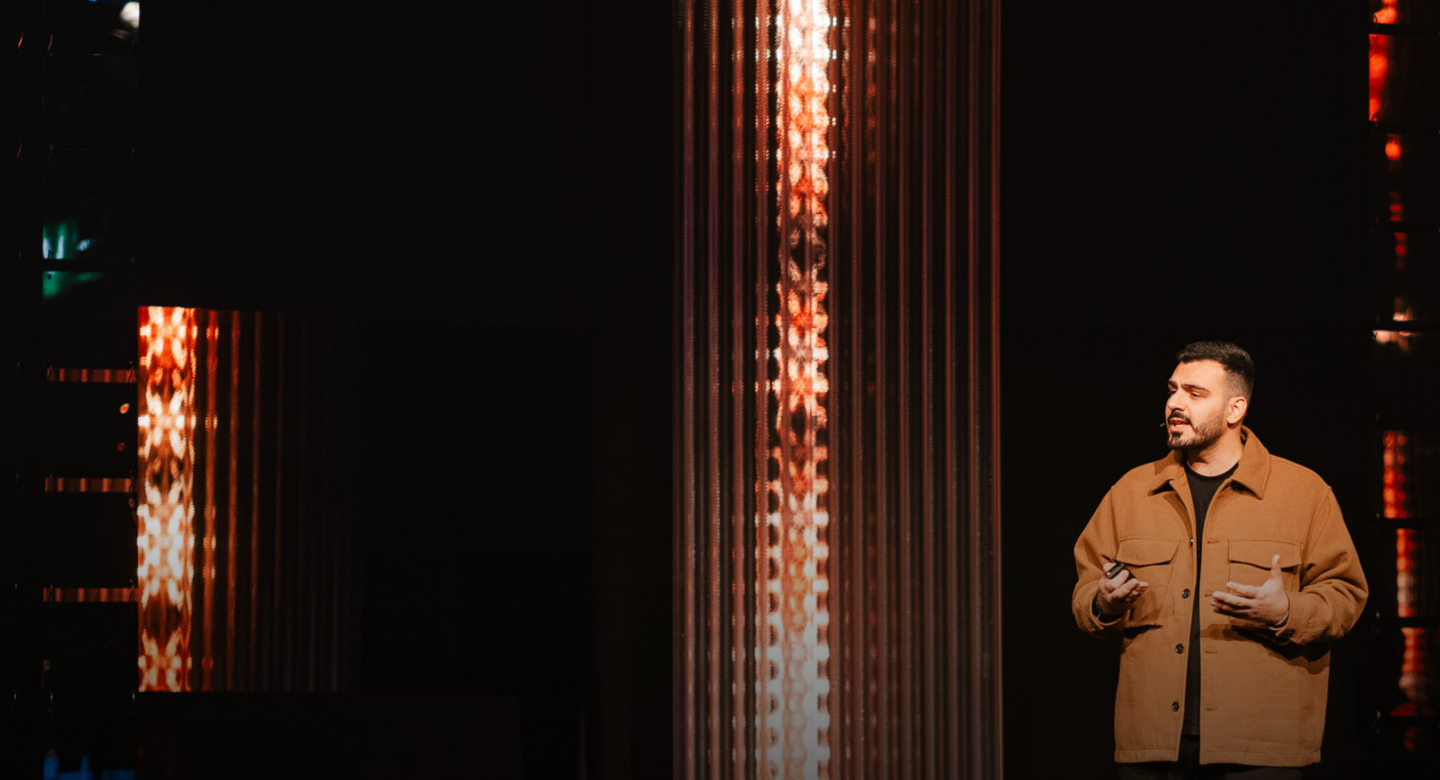
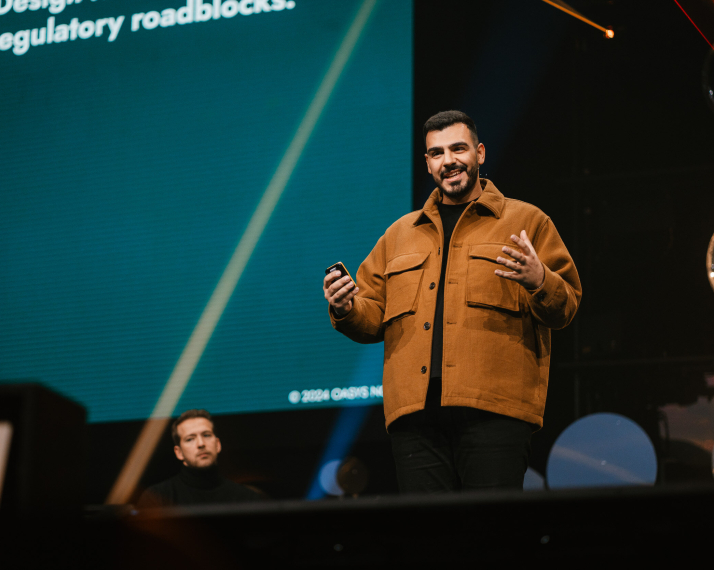
As the driving technologist behind OASYS NOW, Nima Salami is building a platform designed to radically accelerate how people with chronic and rare diseases discover new treatment options. By weaving together cutting-edge algorithms, secure data vaults, and patient-centric design, Salami is shaping a future in which personalised healthcare is not a privilege, but a universal standard. We’re speaking with him about that mission, the technology behind it, and the changing landscape of health innovation.
We are a health-tech company based in Delft that helps patients with chronic and rare diseases find new treatments fast. In many cases the treatment they have isn’t really effective, and they are not aware of other options, and therefore often just accept the situation. However there are a lot of new treatments everyday that have the potential to drastically improve patients’ quality of life. Of course, patients rely on their doctors to inform them of new advancement, however doctors have so many patients they understandably don’t have time to read every paper that gets published. We have this online platform that patients and their doctors can become a member of. They can input their diagnosis and other health data as well. You then create a profile that represents you. We use that data to match it to every new medication or treatment that’s available for your condition. When you become a member you enter a digital waiting room and once a treatment is available you get notified and your care team also gets notified so you can take the next steps in getting access.
My experience as a refugee is central to why I have created this platform. Together with my parents as refugees we had to travel from country to country so many times. And besides all the other challenges that come along with that, one thing that was especially difficult for my mom, who is a patient with a chronic disease, was not having access to her own health data. That meant that she wasn’t able to show that she was already diagnosed with a certain disease so that she could get access to medication in new places. That lack of access to her own health information was life threatening to her. She had to be re-diagnosed every time. So when I started studying computer science at TU Delft I asked myself “How come we don't have a social media platform for our health data. We have all our information online, but somehow not our health data?” It would be amazing if we were in control of it and when we travel it would be accessible to us. So as a second year student that was a passion, and a dream I worked towards building.
When I came up with this idea, I knew I didn’t have all the expertise, so I started joining forces with good friends who are now co founders and team members of OASYS NOW. Our long term mission is about building a platform where people world wide would be able to contribute and partner up. This is one of those fields where an innovation by itself isn’t enough; it requires collaboration. We want to be that platform that’s neutral ground where people can collaborate together, and help the patients. We are, at the end of the day, patient centric. We are not built around a hospital or company, it’s the patients data and they decide who they want to share it with. Enabling the patient and empowering the patient to decide who they want to go to.
We are data compliant within all of Europe. But every new country we enter needs to be open to collaboration. In NL we have already collaborated with different entities like Erasmus UMC and RadboudUMC. We make it easy for them since it’s plug and play, and we are excited to expand to even more partners.
"Global challenges demand collaboration; we’re building a neutral platform where patients and partners work together, with patients in control"
At SLUSH I met so many incredible founders and saw great products. So I had the idea that I would want to launch at SLUSH 2023. In the past we’ve done a lot of pivots, as a startup you are constantly learning and changing. It became clear to us that this was going to be a European solution for now, so SLUSH’s Europe centric approach was ideal. RVO has been really helpful in helping us prepare.
We made it into the SLUSH 100, but not the top 20 so we weren’t able to announce on the big stage. So we ended up announcing at the NL lounge, and there were so many people already there, so there was still quite an audience.
I had already informed a few people that we were gonna meet there so many of them also showed up from the launch moment. Investors, founders and ecosystem partners. It was great for them to see us on the stage launching. We were able to then talk to journalists and investors.
We showed people that we stick to our plans and make them happen. We met with Prince Constantijn van Oranje and we talked to him about our product. He was excited about our launch, and he introduced us to top shot investors. Normally getting such a conversation is extremely difficult, but to get Prince Constantijn van Oranje excited and get him pitching for you was such a big win.
Before our official launch, we already had some pilot users, but we have grown since launching. We now have over 200 users and 300 people on the waiting list.
For me, I had no business background. Neither from my upbringing or from studies. So how do you go from a computer science nerd to actually making a product out of it and having a business model? For me it started with attending incubator programs. They educate you and give you great resources. But attending workshops and conferences as well as competitions taught me so much. You have to fill out all these forms and explain what you want to do. It gets you thinking about sides of your business that you haven’t considered before. If you get picked for these competitions you get critiqued by a jury and all of those are very valuable insights. It might feel like they're shooting your idea down but actually they are trying to help you. It’s such a great resource for young founders. And then learning by failing, and learning in practice. I am still learning today.
What I've learned recently is that what we do as a company, as a startup is part of a story. We are writing different chapters. So we are going to focus on telling our story, and in doing so, gaining new partnerships with entities who want to be part of the next chapter of OASYS NOW.
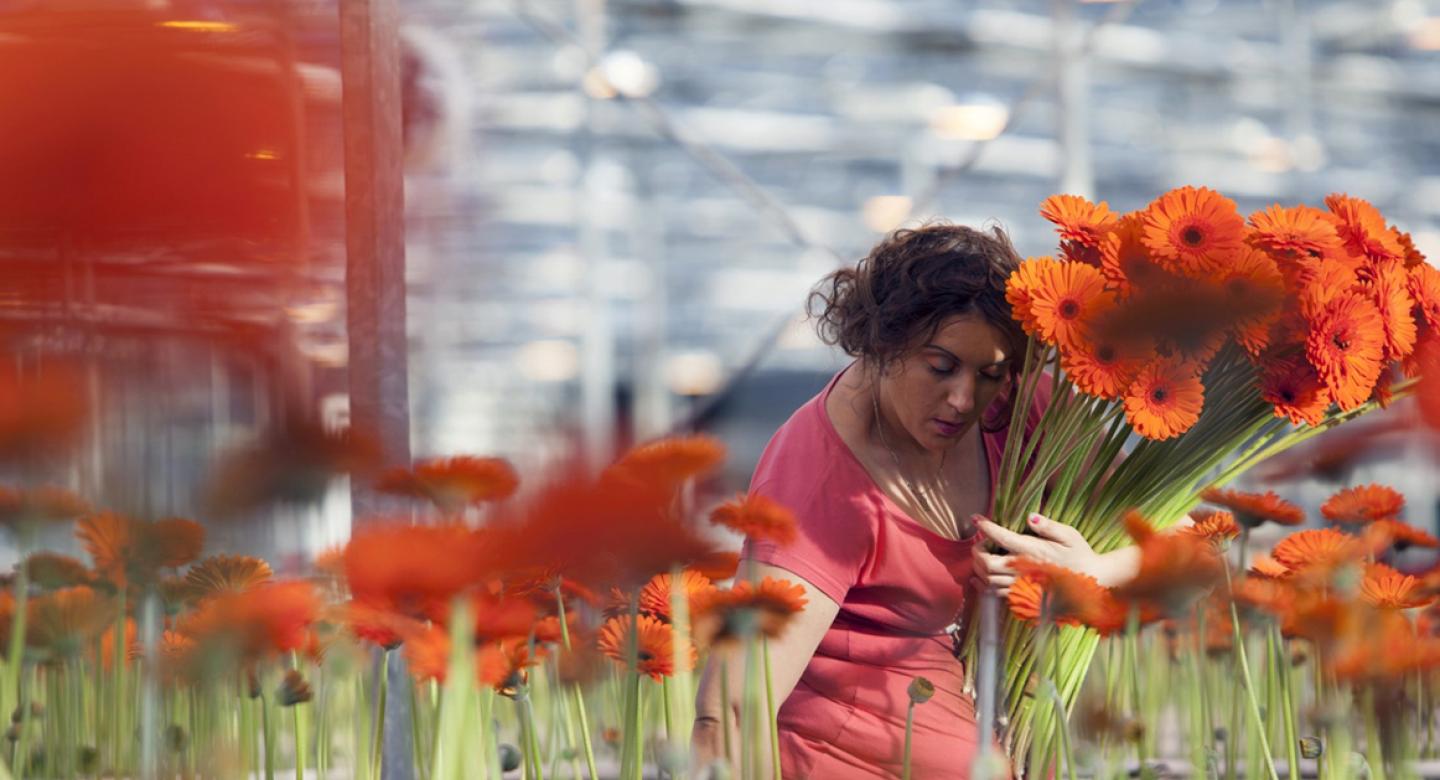
Egypt and the Netherlands have a long-standing partnership in agriculture, with a shared focus on innovation, sustainability and international collaboration. Horticulture plays an important role in both countries. It supports food security, drives economic growth and creates opportunities for farmers and businesses. Egypt is modernising its agricultural sector to meet the needs of a growing population and to respond to increasing pressure on natural resources. This creates new opportunities for cooperation.
Together, Egypt and the Netherlands see these developments not only as challenges, but as opportunities to innovate, invest and grow together. By combining Egypt’s local knowledge and ambitions with Dutch expertise in efficient and innovative horticultural systems, both countries can further strengthen their collaboration.
This economic mission brings together companies, knowledge institutions and policymakers. They explore concrete partnerships and investment opportunities. Through joint ambition, knowledge exchange and long-term cooperation, Egyptian and Dutch partners can accelerate the transition towards resilient food systems and sustainable agricultural growth.
For more information about this mission:
No image selected.
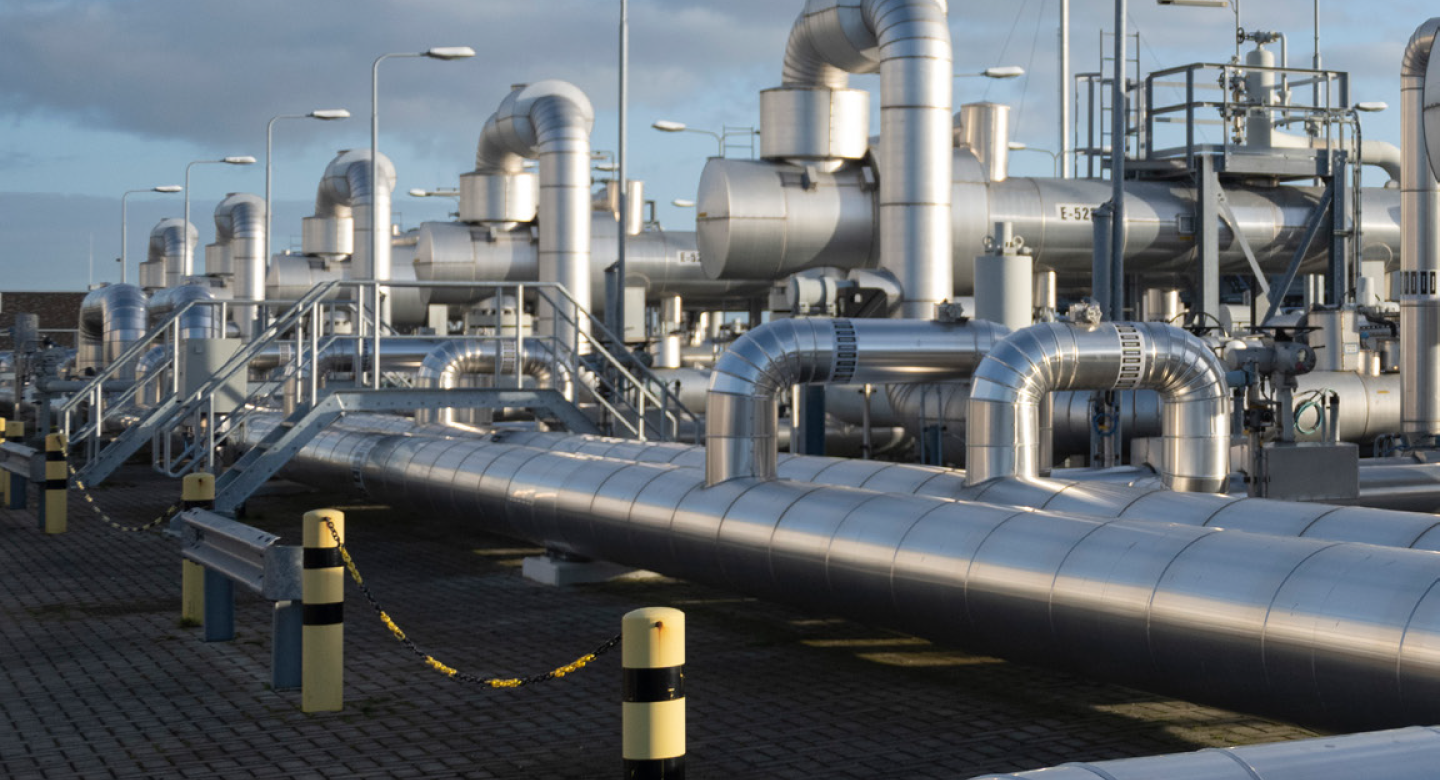
Hydrogen is becoming an essential pillar of the global transition to a fossil-free energy system. As countries seek reliable, renewable alternatives to decarbonise heavy industry, mobility, chemistry and heat, green hydrogen is emerging as an indispensable element of a future-proof energy mix. The Netherlands is approaching this transition with clear ambitions and extensive expertise: knowledge built over generations in the high-tech systems - and gas sector now underpins the development of a strong and innovative Dutch hydrogen value chain.
Germany is entering a decisive phase in its transition to a competitive, renewable hydrogen economy. Its rapidly rising demand; driven by the decarbonisation of steel, chemicals, heavy mobility, industrial heat and emerging maritime applications, positions the country to become one of Europe’s most influential hydrogen markets. As Germany strengthens its local-for-local and local-for-global production capabilities, the Netherlands offers complementary expertise, proven manufacturing excellence, complex high-tech systems expertise and supply-chain reliability that can accelerate this transformation. This collaboration connects Dutch innovation with Germany’s industrial momentum: from advanced electrolyser, fuel cell and LOHC technologies and component manufacturing to system integration, (testing) infrastructure and storage solutions, digitalisation, and operational know-how. This partnership creates long-term opportunities for German OEMs and end-users to access a coordinated ecosystem of Dutch suppliers, while enabling Dutch companies to support Germany’s scaling ambitions through practical experience and technology leadership.
For Germany, the development of a robust hydrogen manufacturing landscape delivers far more than green energy. It reinforces industrial competitiveness, strengthens supply-chain resilience, supports workforce development, enhances regional economic growth, and ensures the secure deployment of future hydrogen systems across the country.
The World's Largest Hydrogen & CCUS Trade Fair. Two co-located events.
The H2-Kolloquium Baden-Württemberg is a premier annual event that connects the regional and international hydrogen industry. Organised in part by the state agency e-mobil BW, it serves as a central platform for industry leaders, researchers, and policymakers to discuss the latest developments in the hydrogen economy.

HZwoDAYS 2026 is an international innovation event dedicated to hydrogen and fuel cell technologies, bringing together industry, research and government to accelerate the hydrogen economy. Hosted by Saxony's HZwo innovation cluster, the event showcases advances in green hydrogen, sustainable mobility and clean energy, while fostering cross-sector collaboration and strengthening Europe's future high-tech industries.

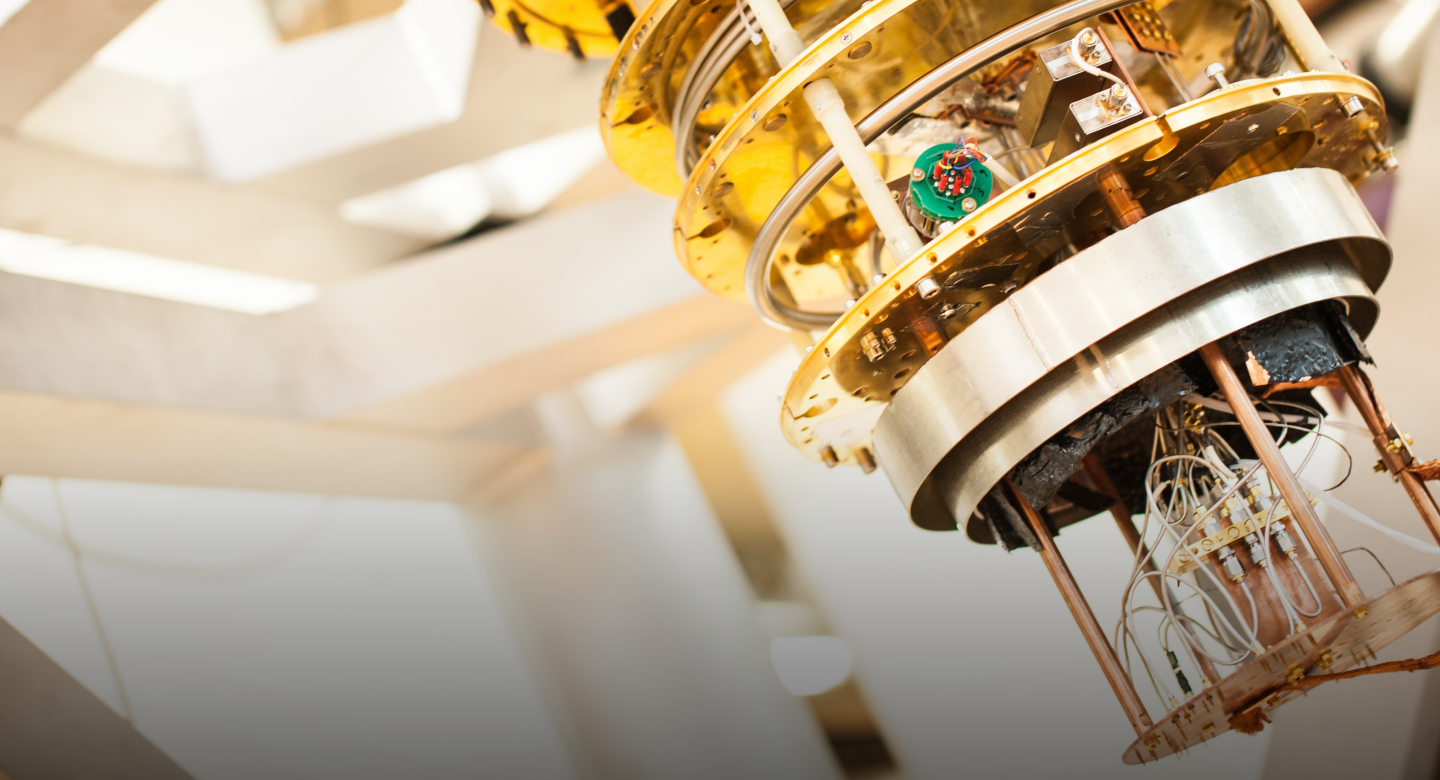
Quantum marks the next chapter in technological progress. By harnessing the fundamental principles of physics, such as superposition and entanglement, quantum systems can process and transmit information in ways that go beyond the limits of classical technologies. This allows us to tackle complex problems that were once out of reach.
The impact of quantum innovation is far-reaching. In healthcare, it accelerates medical research, drug discovery, and advanced diagnostics, contributing to better health outcomes and wellbeing (SDG 3). At the same time, quantum technologies strengthen industry, innovation, and infrastructure by enabling next-generation computing, secure communication, and advanced research capabilities (SDG 9).
Quantum also plays a key role in driving more responsible production. By enabling more efficient computing, supporting the development of advanced materials, and optimising industrial processes, it contributes to more sustainable and resource efficient systems (SDG 12). In this way, quantum technology helps industries transition towards smarter and more responsible ways of operating.
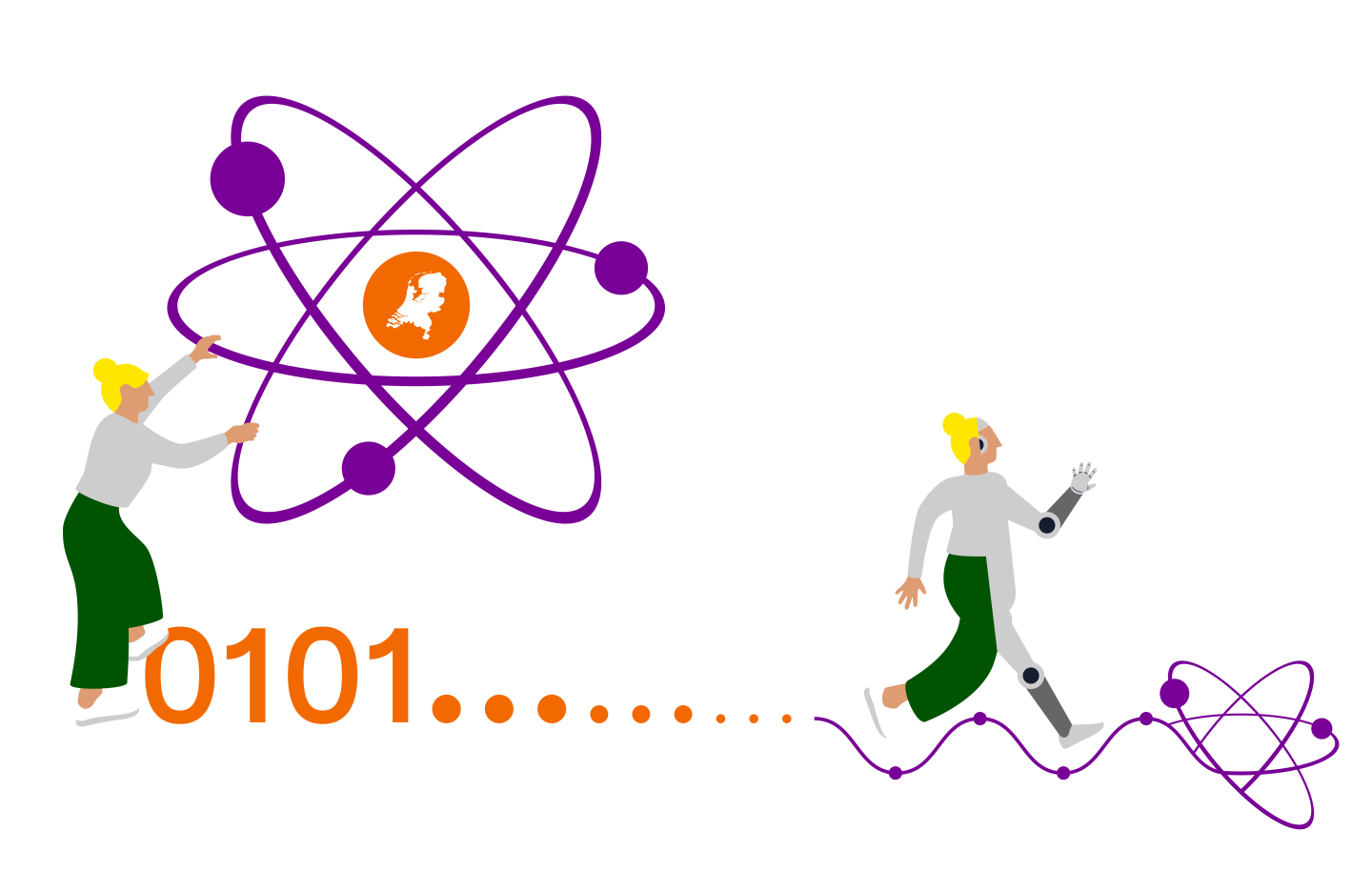
Did you know the Netherlands is among the global leaders in quantum research and innovation? According to Quantum Delta NL (2025)
In the Netherlands, a strong and connected ecosystem brings together research, industry, and government to accelerate quantum innovation. Through open collaboration and an inventive mindset, ideas move quickly from research to real-world application. This ensures that technological breakthroughs translate into solutions that benefit both industry and society.
By working together with international partners, we can unlock the full potential of quantum technology. None of us has all the answers, but together we can accelerate innovation, strengthen industries, and build a future that is healthier, more resilient, and more sustainable.
The Netherlands invites partners around the world to co-create this future, from advancing quantum computing and secure networks to developing next-generation sensing technologies.
Want to know more about how you can work together with the Netherlands to achieve your goals? Or how you can help contribute to or spread the word on campaigns, events and initiatives? Contact us directly at info@nlbranding.nl so we can help you connect to the right people.


