
In the spotlight
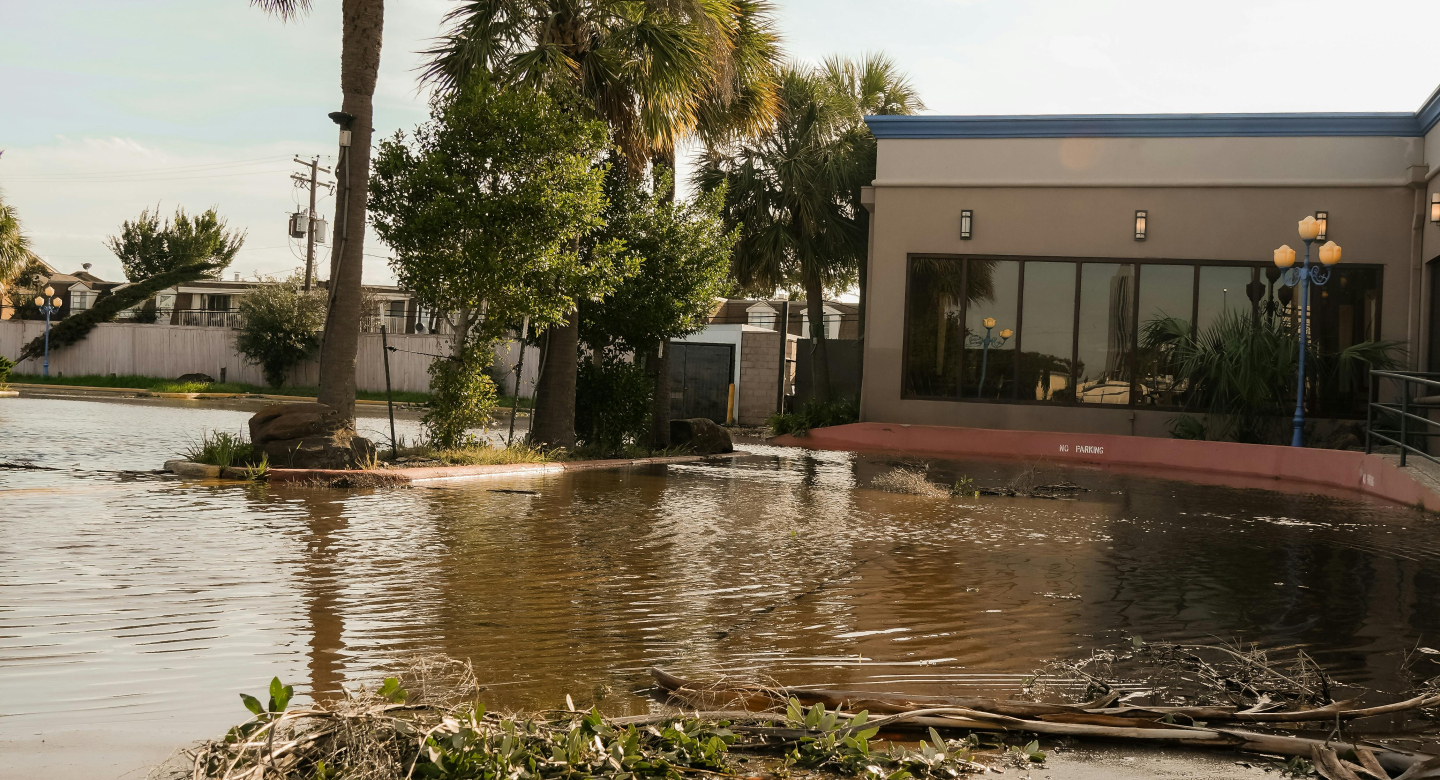
Florida and Texas know firsthand what it means to live with water. From hurricanes and storm surge to inland flooding and extreme rainfall, flood risk is a constant challenge that threatens communities, infrastructure, and economic continuity. As these risks grow more frequent and complex, businesses and governments need solutions that are practical, proven, and ready to deploy. The Dutch Flood Resilience Solutions partnership brings together the Netherlands’ world-leading flood expertise with U.S. local knowledge to deliver exactly that. Built as a public-private partnership of innovative companies, research institutions, and government agencies, the collaboration focuses on working side by side with U.S. partners to reduce risk, protect investments, and keep cities and businesses running, before, during, and after flood events.
Our partnership offers a comprehensive, one-stop approach to flood resilience, based on the Dutch principle of multi-layered safety. Solutions span the full timeline of flood risk: short-term emergency response, medium-term monitoring and early warning, and long-term planning, design, and adaptation. From predictive modeling and data-driven early warning systems to rapidly deployable flood barriers, pumping solutions, and resilient infrastructure design, every solution is tailored to local conditions and backed by globally recognized expertise, including TU Delft and Deltares. With a strong focus on collaboration, innovation, and scalability, we invite stakeholders to work together to build stronger, safer, and more flood-ready communities across the southern United States.


Miami, Houston, San Antonio
From 13 to 17 April, the PIB Dutch Flood Resilience Solutions will be visiting stakeholders and counterparts in Miami, Texas, and San Antonio to explore collaboration and business opportunities. The visit will also include showcase and demonstrations sessions, and plenty of chances to show what the Dutch water sector is capable of.
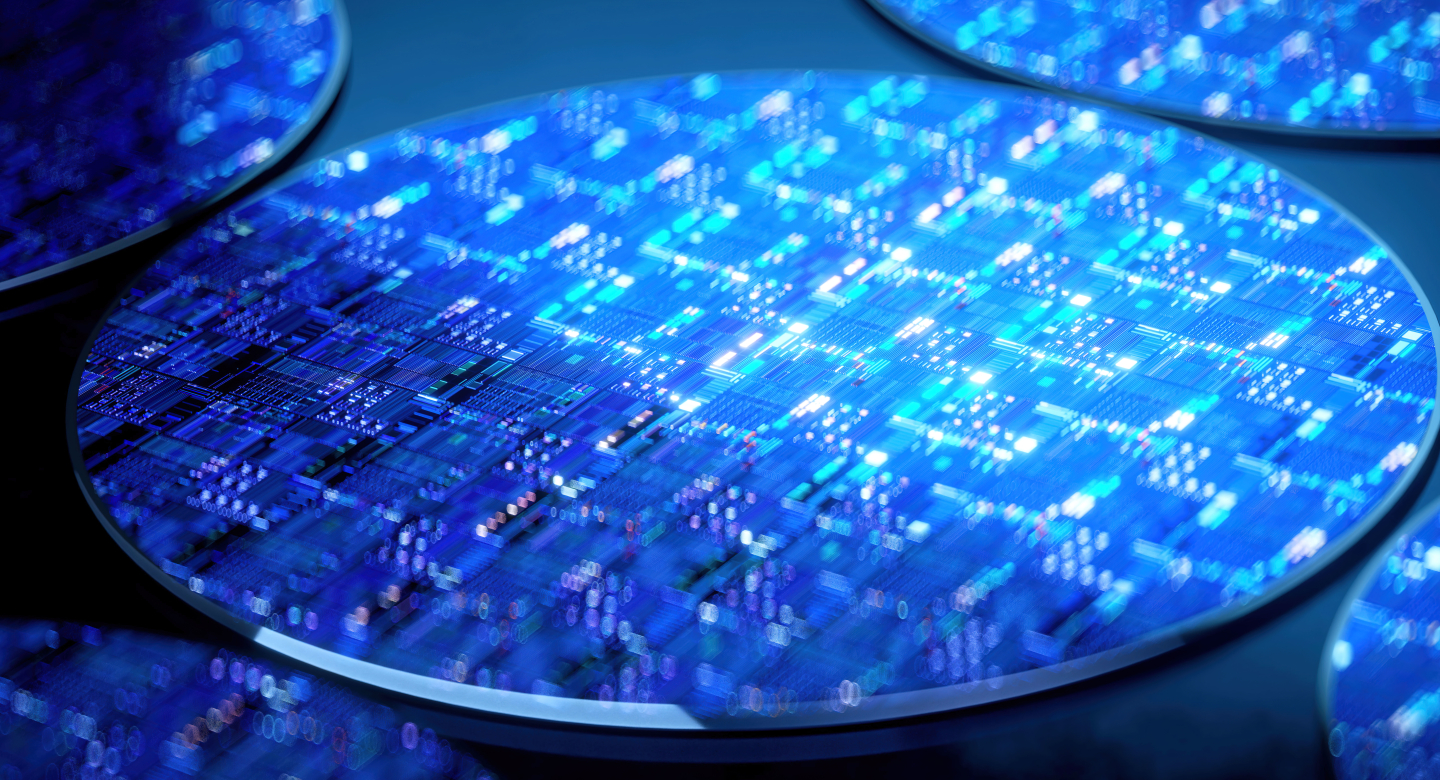
Digital transformation in 2026 is no longer about chasing the next breakthrough technology. It is about how different technologies come together and how countries turn that convergence into something that lasts. Artificial intelligence, quantum, cyber security, semiconductors, connectivity, and life sciences are increasingly shaping one another. Together, they are redefining how societies innovate, how economies stay resilient, and how people experience the impact of digital change in everyday life.
This article explores that convergence through two key lenses: SURF Tech Trends 2026, which maps the technological shifts ahead, and the Dutch National Technology Strategy, which outlines how the Netherlands is building the foundations to respond. By looking at these technologies not in isolation, but as part of a connected system, we dive into how digital transformation is evolving from a collection of trends into a shared, strategic capability.
Artificial intelligence sits at the centre of today’s digital transformation, but by 2026, it is no longer about experimentation or efficiency alone. AI is increasingly used to support complex decisions, accelerate scientific discovery, and improve how systems work in practice. In the Netherlands, this shift is shaped by an ecosystem that brings together researchers, startups, and public partners around a shared question: how do we make AI powerful and trustworthy? The answer lies in close collaboration between software, specialised hardware, and energy-efficient computing, connecting digital innovation directly to the country’s strengths in semiconductors and high-tech systems.
As digital systems grow more complex, trust becomes a defining condition for transformation. Cyber security in 2026 is no longer an add-on, but a foundational layer. AI-driven attacks, geopolitical tensions, and emerging quantum threats are reshaping how organisations think about risk. In response, Dutch innovation ecosystems, particularly those clustered around high-tech campuses and research institutions, are working on integrated approaches where security, hardware, and software are designed together. This integrated approach reflects a broader national priority: safeguarding digital trust as a prerequisite for innovation, economic stability, and international collaboration.
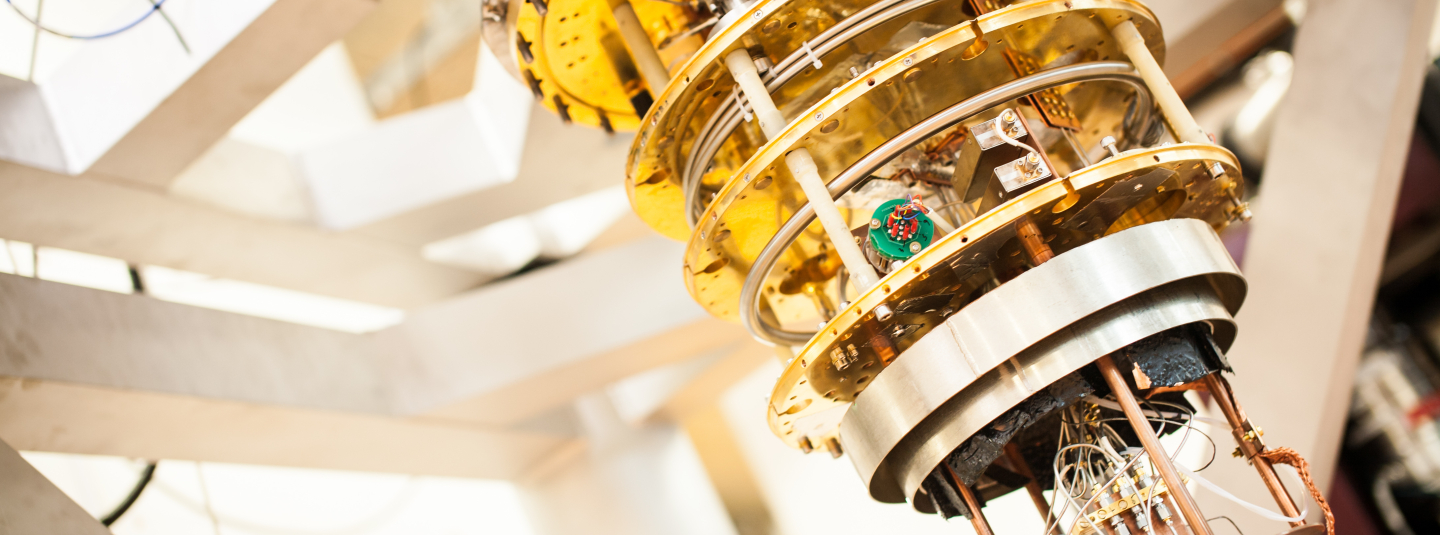
Quantum technologies mark another transition point. If the past decade was about proving what quantum could do, 2026 is about preparing for where it fits. Hybrid classical quantum systems begin to appear in research, quantum sensing opens new doors in healthcare and materials science, and quantum-safe security moves from concept to reality. Through national initiatives and closely connected regional hubs, the Netherlands is asking a bigger question: what happens when quantum moves out of the lab and into the system? The answer is taking shape as quantum capabilities are deliberately embedded into the wider digital infrastructure.
Beneath the quantum hype lies a foundation too often taken for granted. Semiconductors and photonics form the backbone of digital transformation, enabling everything from AI acceleration to high-speed data transfer. As global demand increases and supply chains come under pressure, these technologies have become strategic assets rather than industrial commodities. Dutch clusters in photonics and chip design demonstrate how deep-tech innovation, talent development, and industrial collaboration can reinforce Europe’s technological resilience while remaining globally connected.
Behind every digital breakthrough is a simple requirement: connection. Reliable networks allow researchers to collaborate across continents, enable industries to operate in real time, and support healthcare systems that increasingly depend on data. For the Netherlands, connectivity is not just infrastructure, it is the backbone of international cooperation and shared innovation. Investing in connectivity means ensuring that ideas, data, and expertise can move freely, turning local innovation into global impact.
Nowhere is this convergence more visible than in life sciences and health. Here, digital transformation directly impacts people’s lives. AI-driven diagnostics, data-intensive research, and personalised medicine rely on advanced computing, secure data sharing, and interdisciplinary collaboration. Dutch life-science hubs bring together universities, hospitals, startups, and industry partners, illustrating how digital infrastructure and human-centric innovation reinforce one another. A win-win for everyone.
And beneath all these technologies lies another strategic layer: raw materials and advanced materials research. From semiconductors to quantum devices, innovation depends on access to scarce resources and sustainable supply chains. Research institutes and public-private collaborations in the Netherlands are increasingly focused on circularity and material efficiency, recognising that digital transformation cannot be separated from physical and environmental realities.
What emerges from the 2026 outlook is not a collection of trends, but a connected system. Artificial intelligence depends on computing infrastructure. Cyber security underpins trust across individual, societal and infrastructure layers. Quantum reshapes what is computable. Semiconductors and photonics enable performance and efficiency. Connectivity ensures scale. Life sciences translate technology into societal value. Materials secure long-term resilience.
The Netherlands’ strength lies in embracing this systems approach. By aligning technological innovation with national strategy, ecosystem collaboration, and long-term responsibility, the country is not only adapting to digital transformation, it is actively shaping its direction.
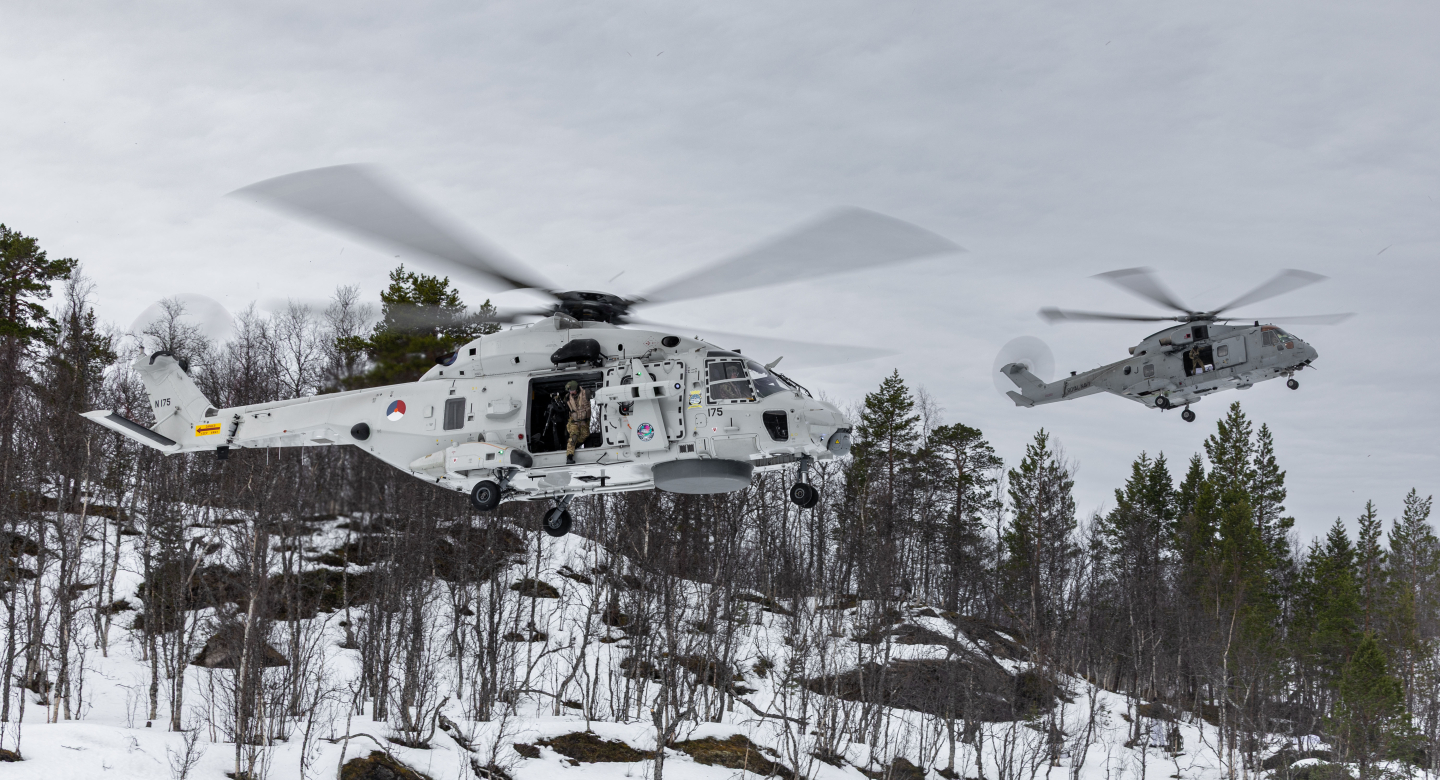
This public-private partnership (PIB) aims to strengthen defence and security collaboration between Finland and the Netherlands, focusing on innovation, interoperability, and long-term resilience. By connecting industry, knowledge institutions, and government, the partnership supports the development and application of advanced technologies that contribute to European security and stability.
Finland and the Netherlands share strong democratic foundations and a recognition that today’s security challenges transcend borders and domains. Guided by openness, inclusiveness, and inventiveness, both countries invest in societal resilience and collaborative capability development. Finland’s leadership in total defence and high-readiness forces, combined with the Netherlands’ expertise in high-tech systems, dual-use technologies, and public-private collaboration, creates a complementary basis for forward-looking cooperation.
Together, partners explore opportunities across maritime and naval systems, land and aerospace domains, cyber security, surveillance, logistics, and applied research. Through joint innovation, knowledge exchange, and industrial partnerships, the collaboration strengthens operational readiness and future-proof capabilities.
Through the Dutch Coalition for Defence and Security (DCDS) in Finland, government, industry, and knowledge institutions come together in a structured public-private partnership under the Partners for International Business (PIB) programme. Supported by the Netherlands Enterprise Agency (RVO), the Embassy of the Netherlands in Finland, the Ministry of Foreign Affairs, Ministry of Defence, Ministry of Economic Affairs and coordinated by NIDV, this three-year collaboration creates space for long-term engagement, matchmaking, and joint innovation.
Over the coming years, Finnish and Dutch partners will work side by side to build trusted relationships, contribute to NATO interoperability, and develop solutions that are inclusive, sustainable, and scalable. This cooperation is not only an investment in technology or industry, but in shared security, stability, and strong institutions across Europe.
The Netherlands is committed to being open, inventive and inclusive partners, shaping defence and security solutions that respond to today’s challenges and prepare for tomorrow’s uncertainties. Together, Finland and the Netherlands are investing in trusted partnerships, resilient capabilities and a safer, more secure Europe.

Details of the Finland Trade Mission are currently being finalised. Further information on the programme, focus areas and registration will be available soon. Please check the link for updates.
SecD-Day Conference & Exhibition is a leading Nordic event for the defence, security, aerospace and aviation sectors, bringing together industry, government and international stakeholders. Further information about our participation will be published at a later date.
Interested? Get in touch with the Cluster Coordinator.
The Sustainable Development Goals (SDGs), also known as the Global Goals, were adopted by the United Nations in 2015 as a universal call to action to end poverty, protect the planet, and ensure that by 2030 all people enjoy peace and prosperity. The Dutch cluster for Defence and Security Finland, as part of this programme contributes to the achievement of the following sustainable development goals:

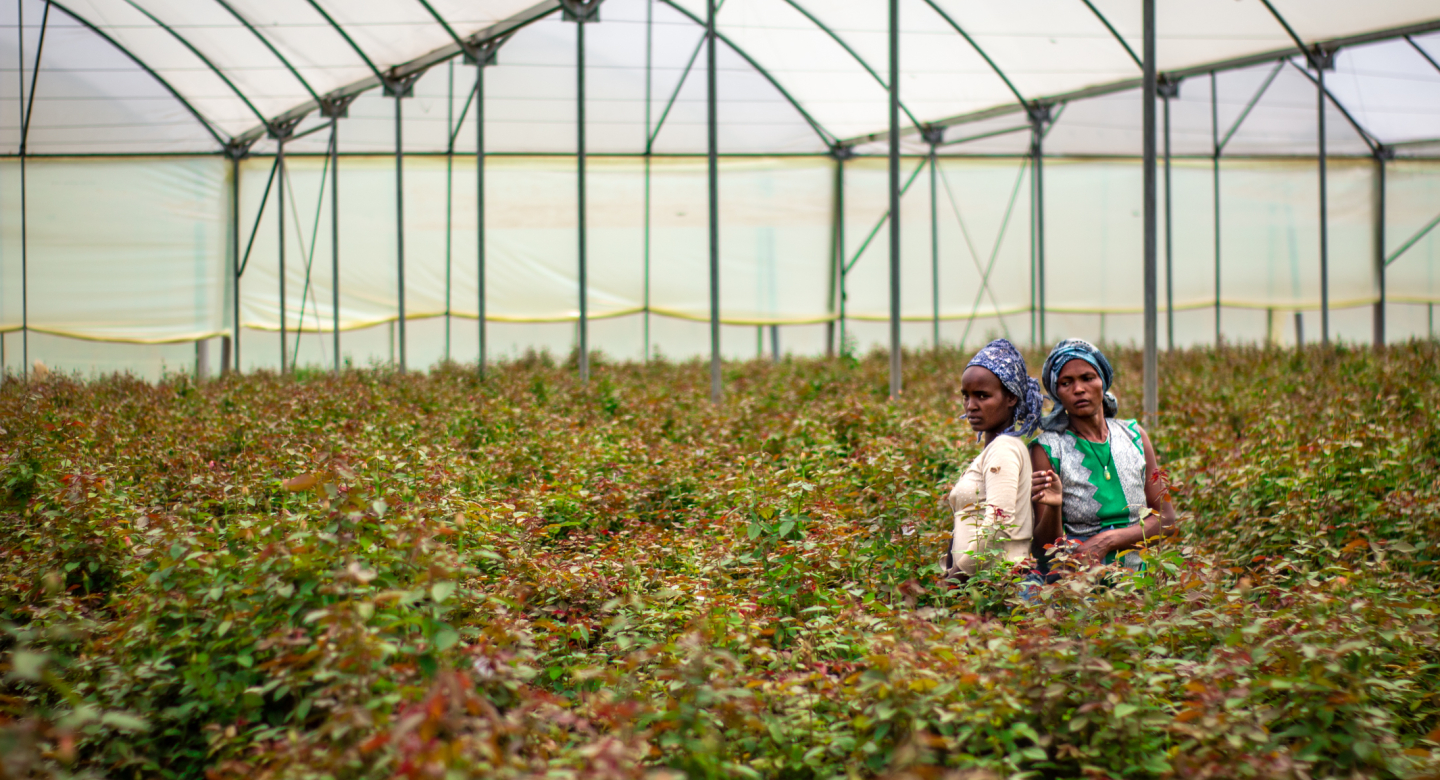
Food systems around the world are under pressure. Climate change, water scarcity, rising costs, and population growth make sustainable food production more urgent than ever. These challenges require international cooperation and practical solutions.
In Ethiopia, horticulture is a fast-growing sector that creates jobs and drives economic development. At the same time, there are opportunities to strengthen greenhouse production, irrigation, seed systems, cold chain development, and agrologistics.
The Netherlands is committed to working with international partners to support sustainable and resilient food systems. With experience in greenhouse horticulture, water management, seeds, and logistics, we aim to connect knowledge and business communities from both countries.
This mission builds on the strong relationship between Ethiopia and the Netherlands. By combining local expertise with practical experience, we can improve productivity, reduce post-harvest losses, and support efficient and sustainable value chains.
Let us take this opportunity to listen, share, and invest in long-term partnerships. And let’s continue farming the future together!
Images credits: Rachel Ecclestone. Provided by Techleap.
This article looks at collaboration through the State of Dutch Tech 2026 report, which maps what the ecosystem needs most, and the priorities chosen by over 500 founders, investors, policymakers, and industry leaders who gathered to tackle them. Their goal? Move from talking about what's possible to actually making it happen. That's where LEAPs come in (Leading Ecosystem Action Projects), working groups turning ecosystem-wide conversation into concrete action.
Academic excellence sits at the heart of Dutch innovation. But in 2026, brilliant research alone won't keep us competitive. The Netherlands has built one of Europe's most research-powered innovation engines, generating breakthrough discoveries across AI, quantum computing, sustainability, and life sciences. With over 11,000 verified tech companies and €2.64 billion in venture capital deployed in 2025, we've proved we can create. The real question now: how do we turn world-class research into companies that scale globally?
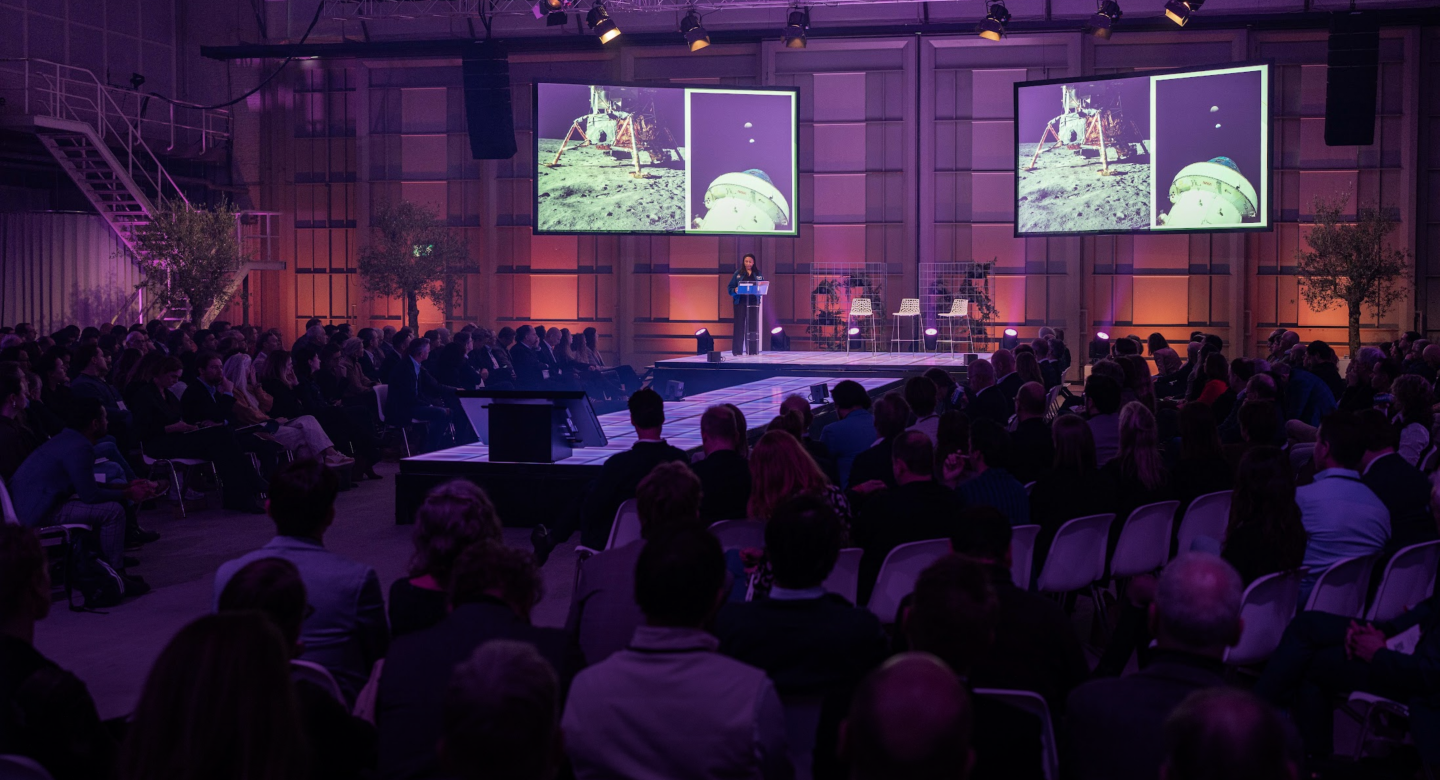
The answer started taking shape in The Hague at the State of Dutch Tech 2026. This wasn't your typical sender-receiver style conference. Over 500 people, including founders, investors, policymakers, industry leaders, spent the day in working sessions, voting on what matters most. The top priority that emerged: the Netherlands can become the definitive spinoff factory of Europe. We need to build an academic entrepreneurial ecosystem, complete with education infrastructure that consistently turns lab breakthroughs into scaled companies.
TNO CEO Tjark Tjin-A-Tsoi puts it plainly: the Netherlands is a world champion in knowledge with genuinely valuable collaborations. "To truly capitalise on our lead, we must now take action. Only if lab breakthroughs evolve into large-scale applications and true unicorns will we create the impact and the economic engine our country needs."
This shift reflects something bigger happening across Dutch innovation hubs, technical universities, and research institutions. Excellence in discovery must now be matched by excellence in commercialisation, entrepreneurial education, and founder support. We're good at the science. Now we need to get equally good at the business.
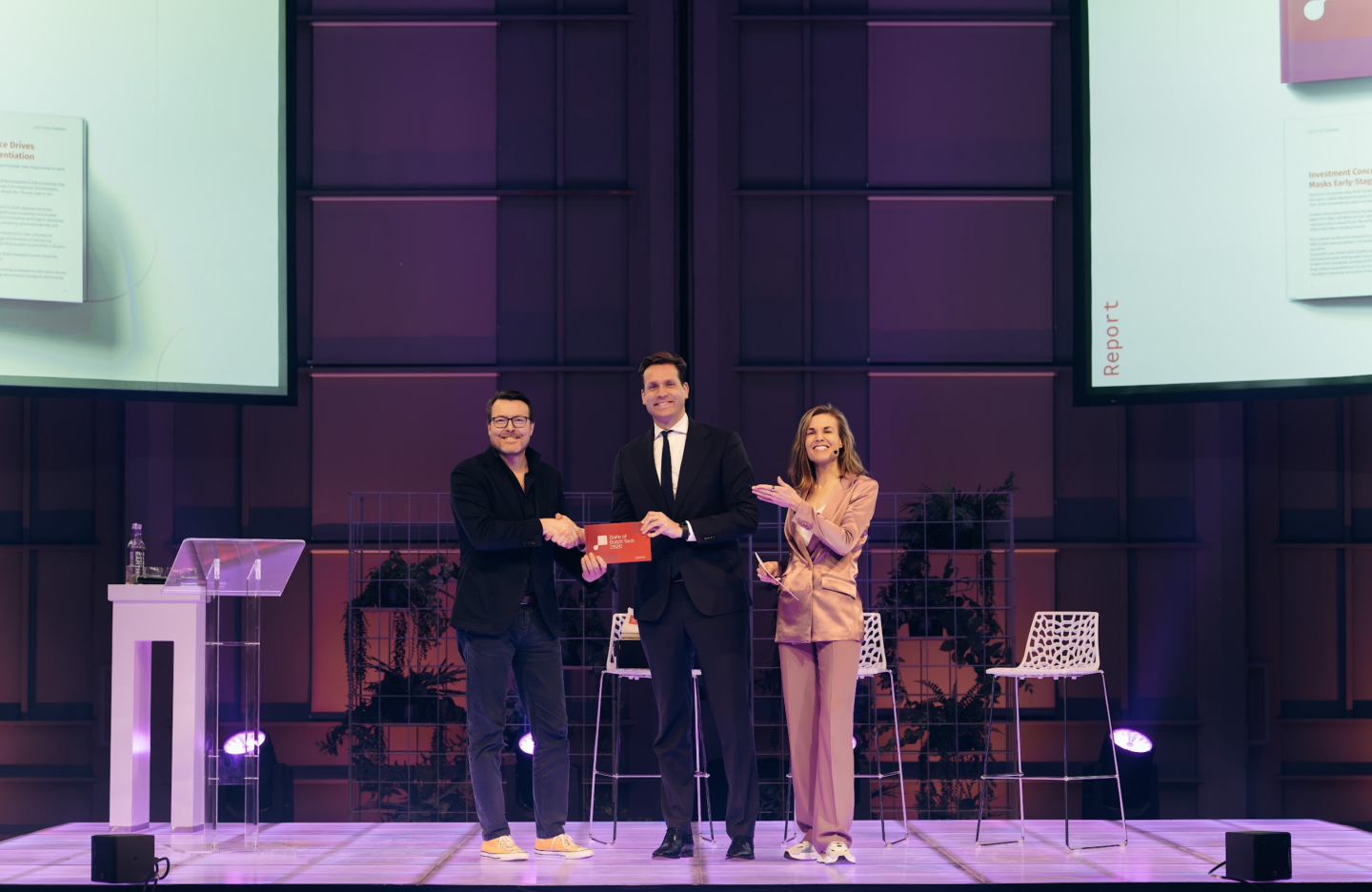
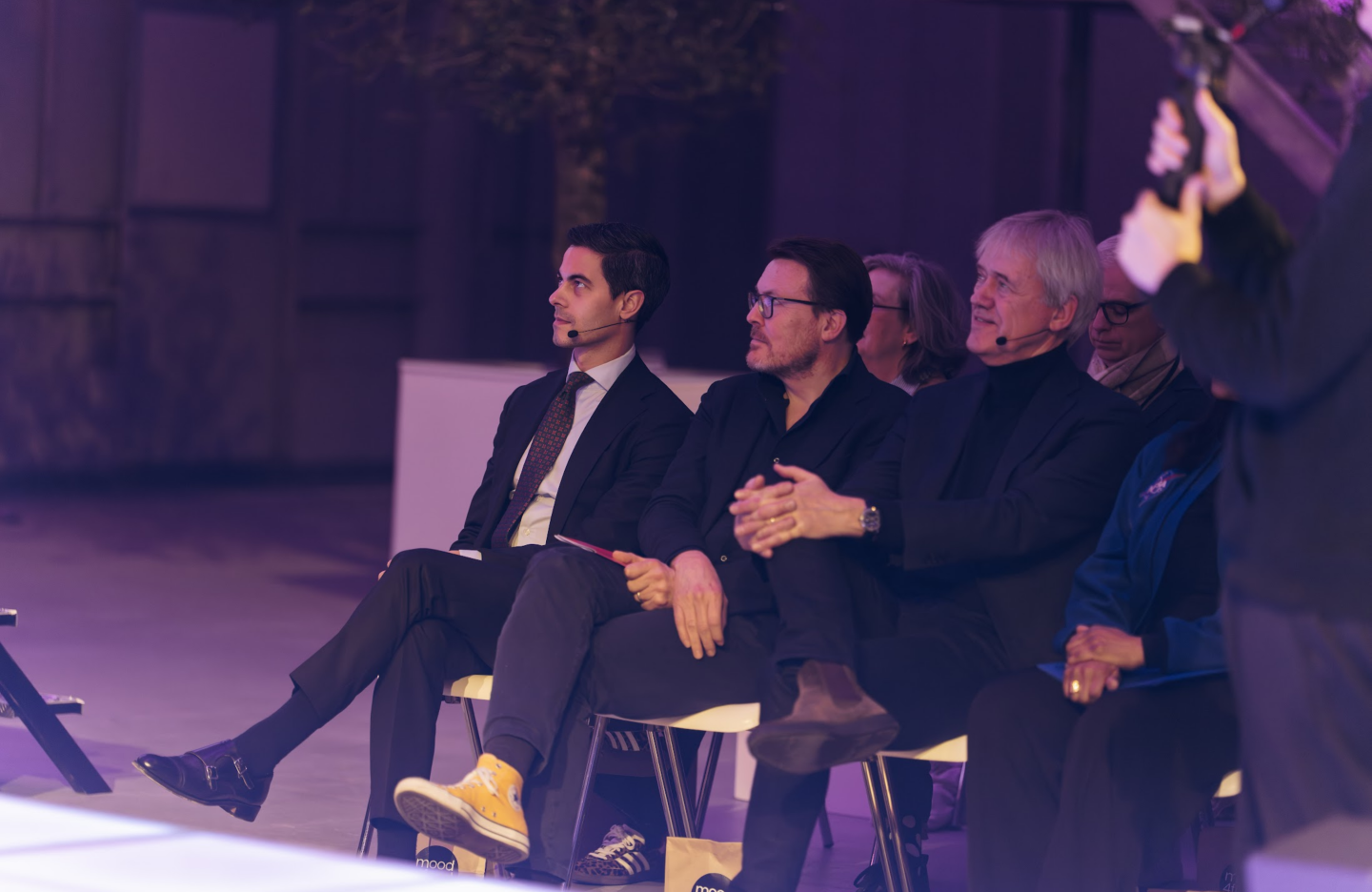
Images credits: Rachel Ecclestone. Provided by Techleap.
Great academic spinoffs are the foundation. But what comes next? Dutch deeptech consistently outperforms the rest of Europe, and we have the continent's highest concentration of AI talent. Yet turning exceptional startups into scaleups that stay in Europe means solving problems no single country can tackle alone.
The second priority that emerged from the State of Dutch Tech event tackles this head-on: European growth strategy. We need to ensure Dutch startups get maximum value from European markets, capital, and cross-border opportunities by dismantling the regulatory barriers that make growing across Europe so difficult. This reflects a pragmatic truth: Dutch success doesn't come from going it alone. It comes from shaping how Europe works as one innovation market.
Through organisations like Techleap, Invest-NL, and regional development agencies, we're building infrastructure that enables growth and removing roadblocks. Fast-track programmes, favourable regulatory environments for emerging tech, and active facilitation of cross-border partnerships show how collaborative ecosystems create the conditions for companies to scale globally while staying rooted in European values and markets.
Behind academic spinoffs and European scaling sits something even more fundamental: the next generation of builders. The third priority puts education front and centre. Not as a nice to have, but as a strategic imperative. Education will determine whether the Netherlands stays competitive in 2035 and beyond.
To secure the future, we need to inspire and equip the next generation of entrepreneurs and technical talent. This means empowering the entire educational system, from primary school through university and beyond, to place technology and entrepreneurship at the heart of the curriculum. Dutch innovation hubs know that today's educational investments determine whether we have the talent to sustain our knowledge advantages two decades from now.
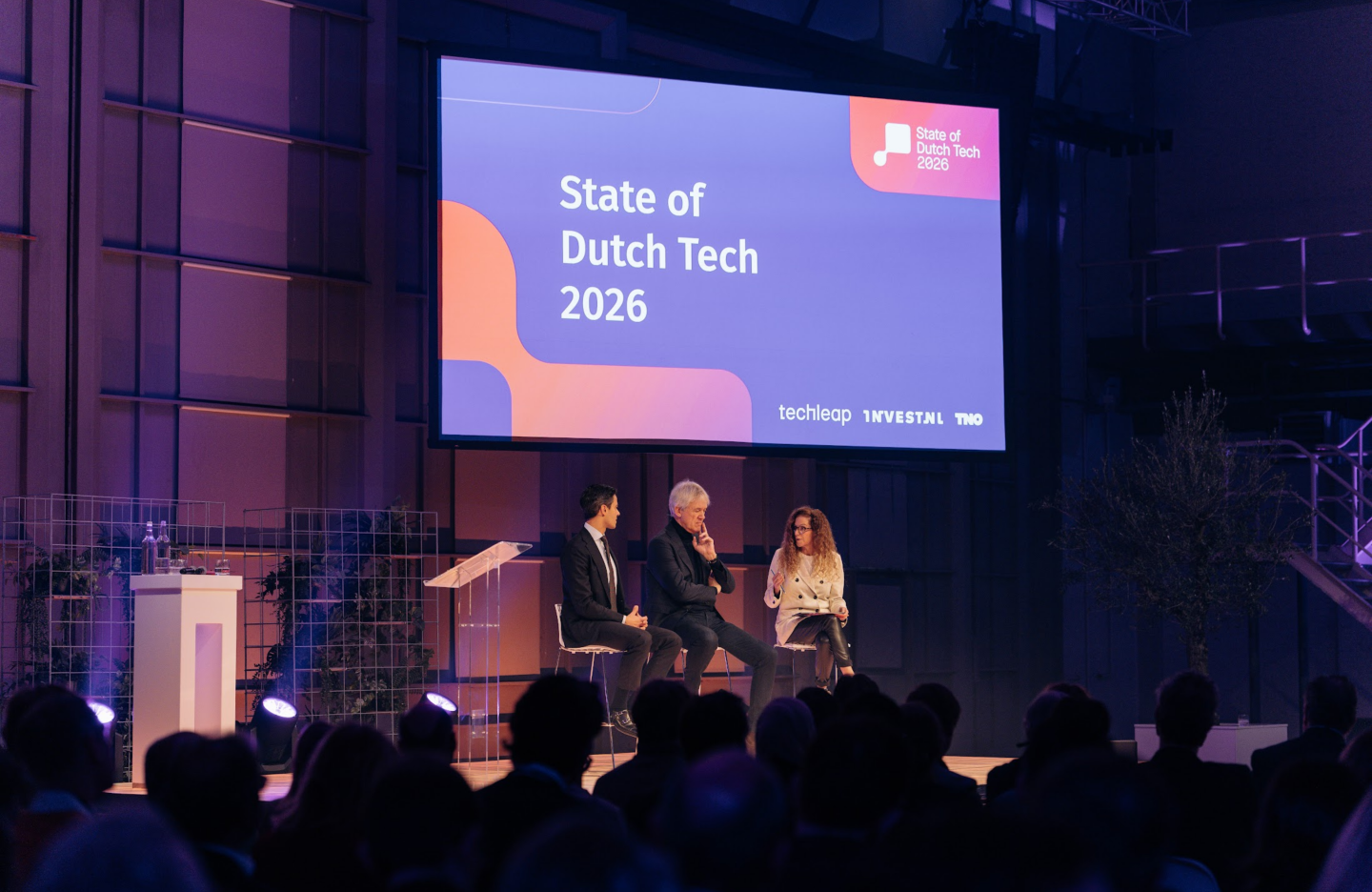
The State of Dutch Tech 2026 aimed to build momentum around the ecosystem’s strategic priorities. Using an open-space format, 500 participants spent the afternoon in breakout groups tackling 40 proposed friction points, narrowing these down to 15 critical issues holding the ecosystem back. The community voted on three priorities, then established LEAPs as continuing spaces where founders, investors, and policymakers translate shared understanding into coordinated action.
This approach reflects both opportunity and necessity. As Prince Constantijn van Oranje, Special Envoy at Techleap puts it: "Despite progress, structural bottlenecks persist, whilst AI and geopolitical developments are changing everything. Entrepreneurs, investors, businesses, universities, and the government must now work together to develop concrete solutions." The State of Dutch Tech gathering showed that the Netherlands has both the convening power and the collaborative discipline to operate this way at scale.
Treating innovation as an ecosystem requires active maintenance. It’s not something that you can just say or something that just happens. By aligning research excellence, venture capital deployment, policy frameworks, and educational investment around shared objectives, we're actively shaping how the Dutch tech ecosystem can deliver commercial impact. The infrastructure exists. The talent is here. The collaborative culture works. What we're building now is the execution layer. One rooted in collaboration; ensuring that Europe's research-powered innovation engine consistently produces companies that scale globally.
Read the full State of Dutch Tech 2026 report at Techleap.nl.
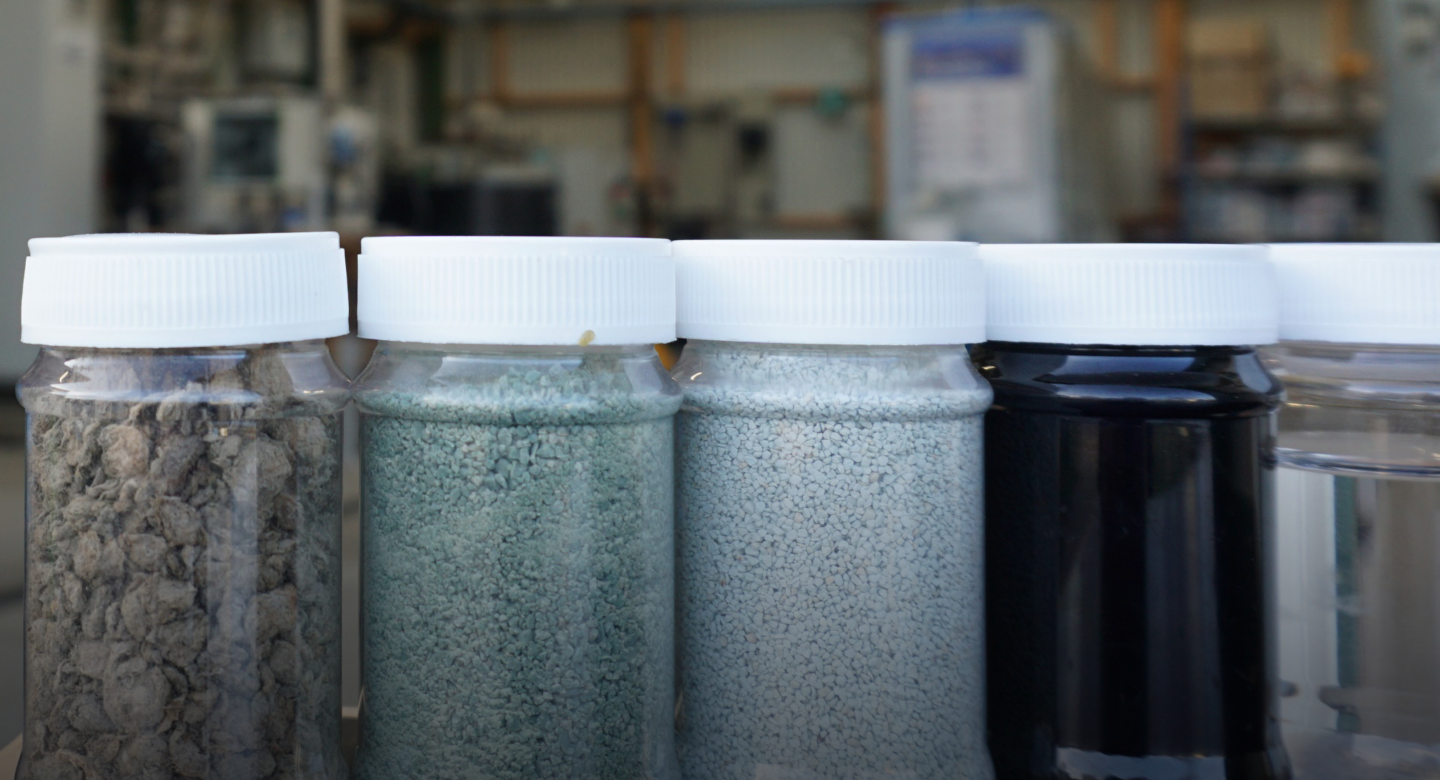
The Netherlands and Canada share a strong commitment to building a sustainable future. As partners in innovation and trade, both countries recognise that secure and responsible access to critical raw materials is vital for the technologies that drive the global energy transition and digital transformation.
From 1 to 4 March 2026, a Dutch delegation will take part in the Prospectors & Developers Association of Canada (PDAC) conference in Toronto. The mission highlights how the Netherlands contributes to developing circular, transparent and resilient critical raw materials value chains, and seeks to strengthen collaboration with Canadian partners in this field.
Dutch participants bring expertise in responsible sourcing, recycling technologies, circular design and innovative business models that support a climate-neutral and competitive economy. By combining Dutch innovation with Canada’s resource leadership, both countries can accelerate progress towards sustainable and secure supply chains that benefit society as a whole.
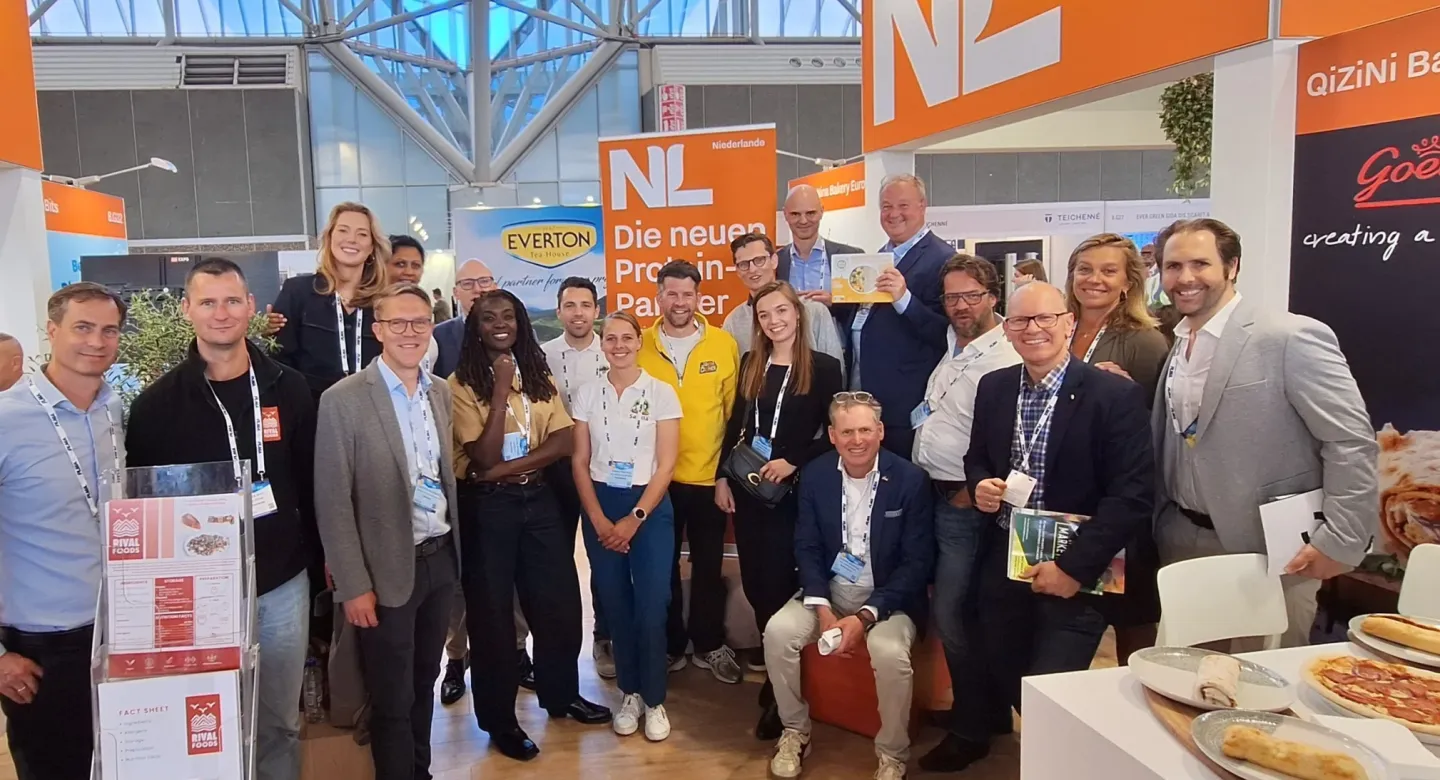
The Netherlands and Germany are strengthening their collaboration in alternative proteins, creating new opportunities for Dutch companies in one of Europe’s fastest-growing plant-based markets. The initiative, supported by the Netherlands Enterprise Agency, connects Dutch innovators with strong demand in Germany for sustainable, meat-free alternatives. Germany’s rising number of vegetarians and flexitarians, combined with government support for climate-friendly food solutions, makes it a strategic market for the Dutch protein transition.
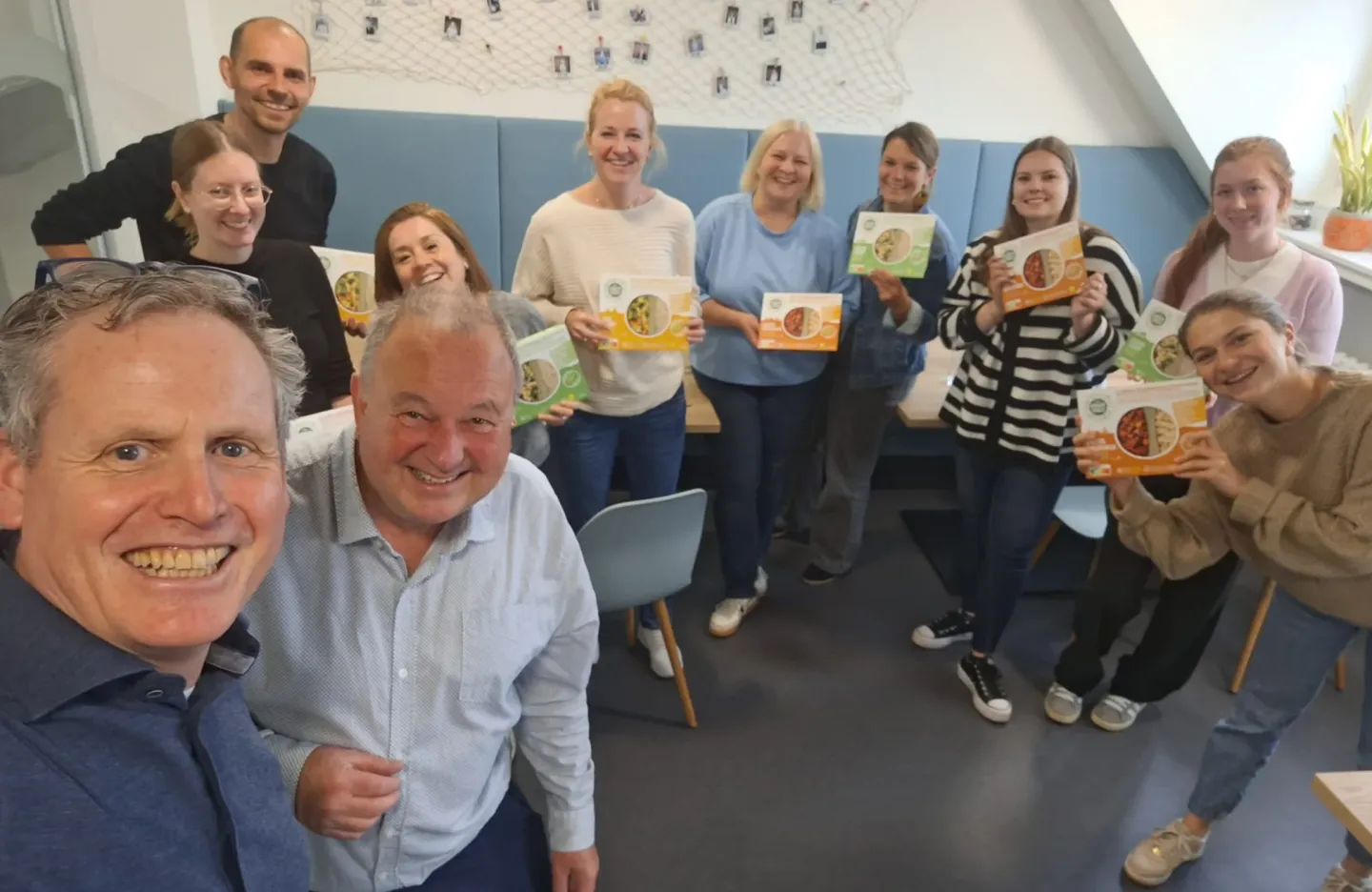
Under the Partners for International Business (PIB) programme, a group of Dutch companies joined forces in the cluster Die Neuen Protein NL Partner für Deutschland. Together, they present a broad offering, from plant-based end products to ingredients and processing technologies, giving German partners a complete solution in alternative proteins.
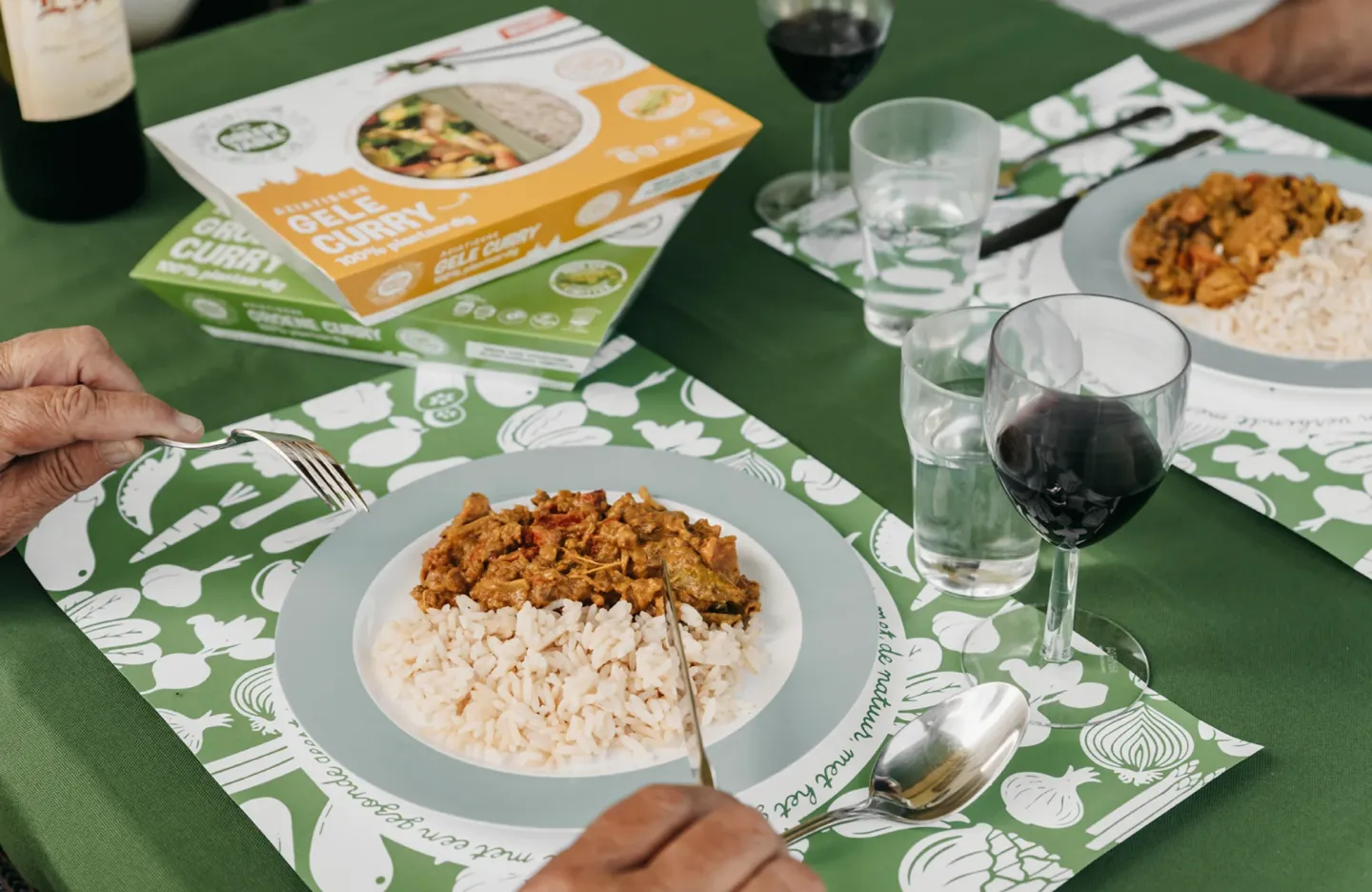
One participating company, The Green Table, develops convenient, long-shelf-life plant-based meals tailored to international markets. By working collectively and with support from the Dutch Embassy in Berlin, companies gain valuable market insights, local connections, and visibility.
The cluster is already showcasing Dutch innovation at leading trade fairs such as ANUGA in Cologne, strengthening the Netherlands’ position as a trusted partner in sustainable food solutions. By combining Dutch expertise with German market demand, this partnership is accelerating the shift toward a more sustainable European food system.
Want to know more about how you can work together with the Netherlands to achieve your goals? Or how you can help contribute to or spread the word on campaigns, events and initiatives? Contact us directly at info@nlbranding.nl so we can help you connect to the right people.


