In the spotlight
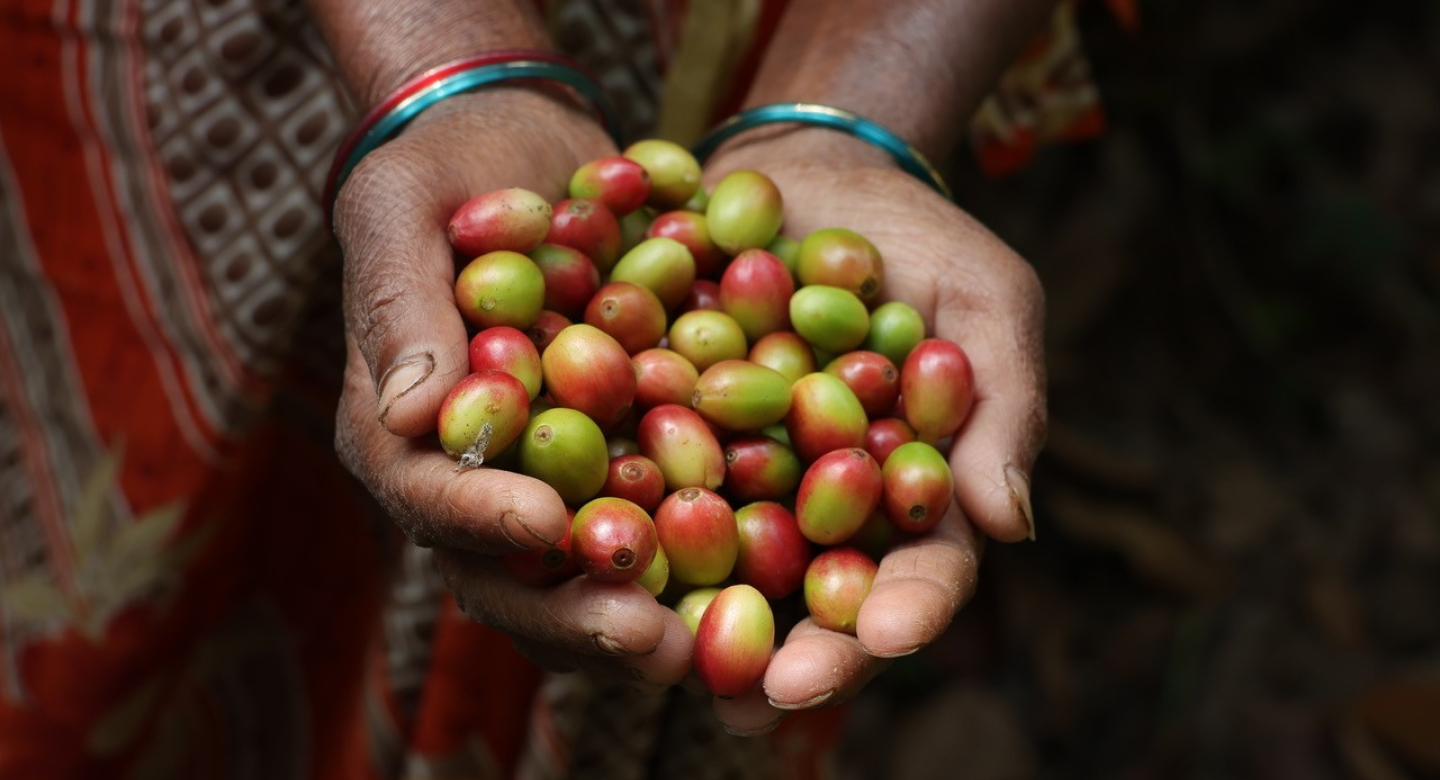
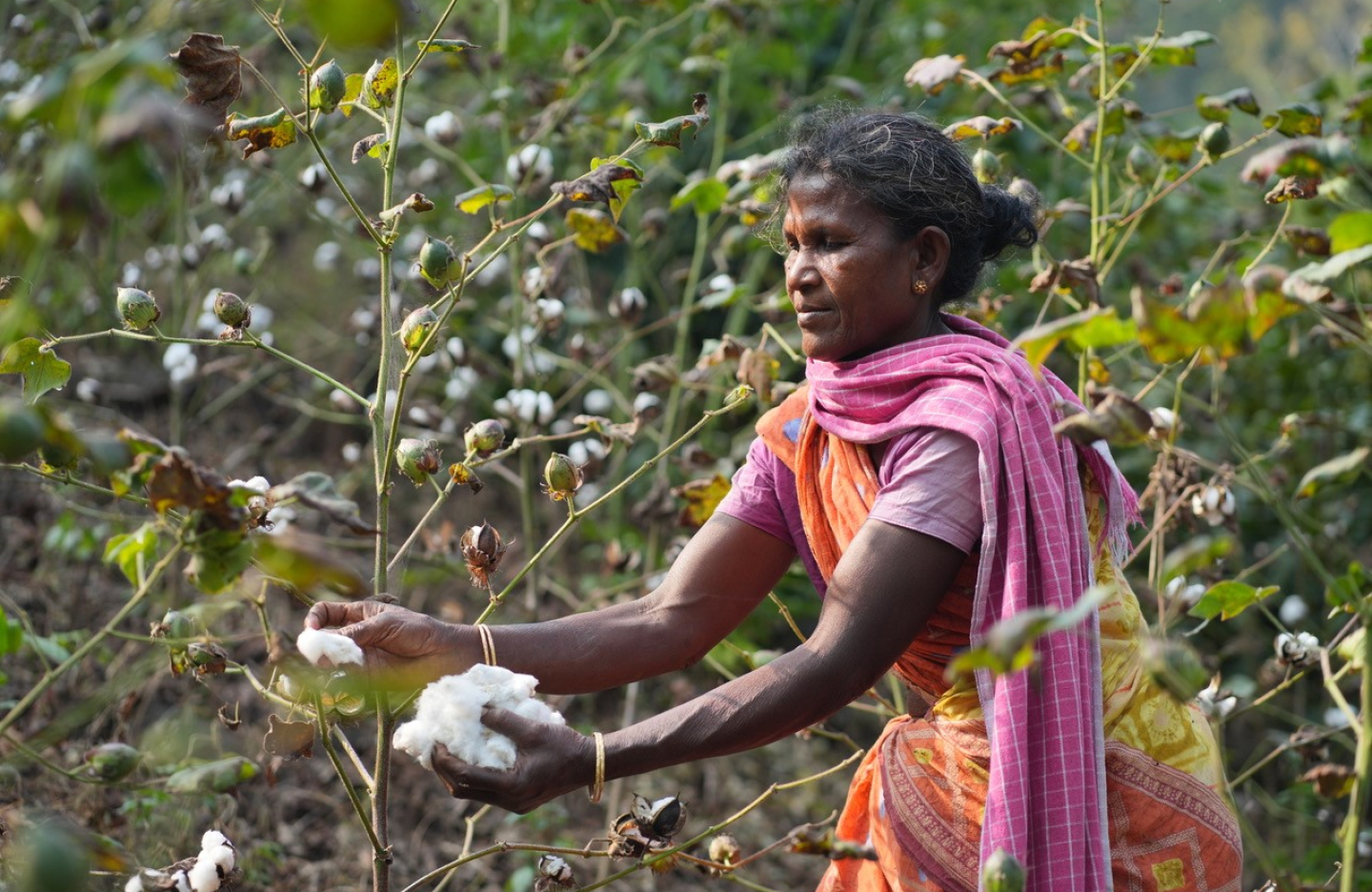
Across the tribal regions of Andhra Pradesh, farmers are adapting to changing rainfall patterns. They are testing new crops and refining practices shaped over generations. Far from standing still, these farming communities are evolving their agricultural heritage to meet the realities of a changing climate.
Farmers are responding to less predictable weather patterns and declining soil health. At the same time, global markets demand greater transparency. The pressure is mounting for the land, for livelihoods, and for the future of food and fibre production. One answer lies in a new partnership between India and the Netherlands.
“Regenerative agriculture restores soil, improves community health, and strengthens the ecosystems around it.”
- Dr.K.Sreenivasulu IAS
Director Horticulture and Sericulture, Government of Andhra Pradesh
The Global Regenerative & Circular Food & Fibre Landscapes initiative brings together organisations from India and the Netherlands, alongside international brands, public institutions, and knowledge organisations. This collaboration is centred around one shared question: how can food and fibre be produced in a way that is better for farmers, businesses, and the environment at the same time?
Rather than focusing on one isolated part of the system, the initiative connects the full chain, uniting those working on the land with those shaping supply chains, markets, research, and investment. In doing so, it nurtures trust, alignment, and meaningful collaborations, enabling true co-creation around a shared vision for the future.
At a recent gathering in The Hague, the collaboration moved from intention to commitment.
50 participants from more than 30 organisations came together to mark the launch of the Global Regenerative & Circular Food & Fibre Landscapes initiative. These organisations came from business, government, and knowledge institutions.
During the event, the first group of partners officially signed the partnership agreement. This included organisations such as ICRISAT, Control Union, Schijvens Corporate Fashion, Grameena Vikas Kendram, and RaddisCotton, which plays a key role in coordinating the group.
The partnership is supported by the Government of Andhra Pradesh, reinforcing a shared mission shaped by the visionary leader Chief Minister N. Chandrababu Naidu, and Dutch Ambassador to India, Marisa Gerards.
Together, they are building a platform to improve the living standards of small and marginal farming communities in Andhra Pradesh while building a reliable and sustainable supply of food and fibre for Dutch businesses.
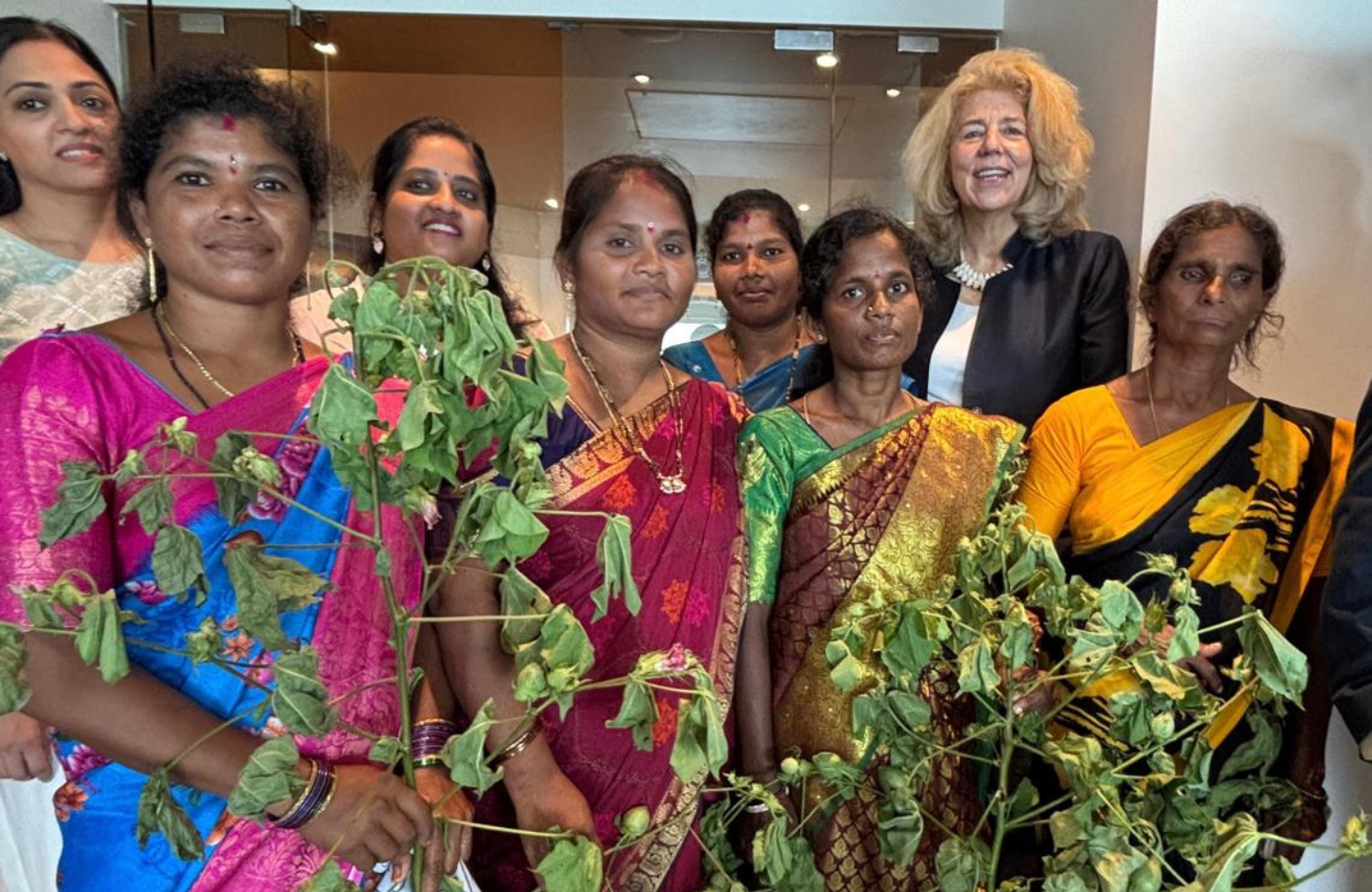
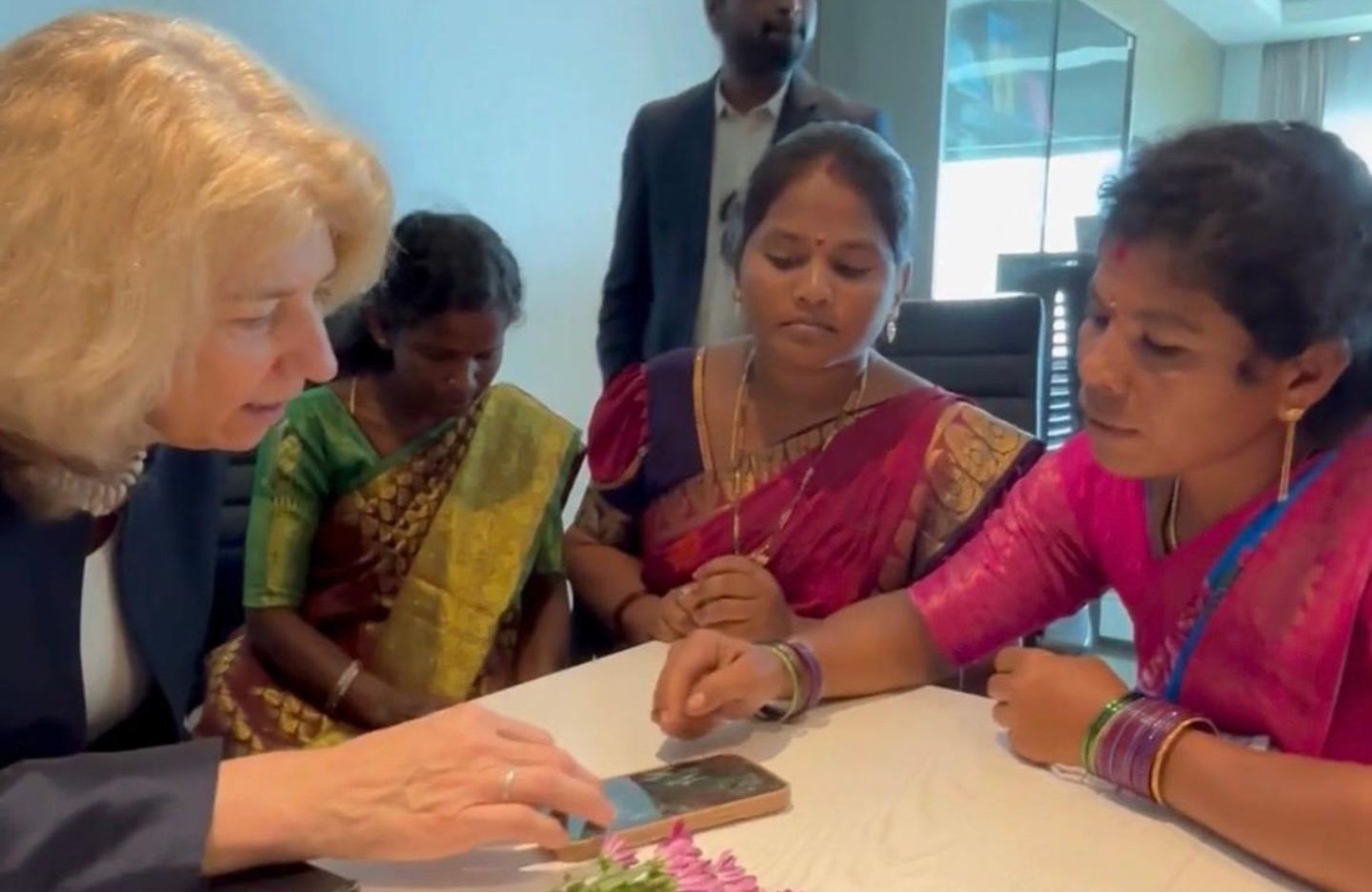
During the event, the Ambassador shared her inspiring interactions with tribal women farmers in the Eastern Ghats - who are at the forefront of the regenerative movement, embodying optimism, courage, and a deep sense of stewardship for their landscapes. These remarks further highlighted the shared ambition to strengthen cooperation between India and the Netherlands.
Many partners have a role in this complex system. From finance and investment, Rabo Foundation, Invest International, the Common Fund for Commodities, and Elea, share their insights. Wageningen University & Research and Avans University of Applied Sciences, as well as partners working on innovation and value chains, such as Commonland and ACCESS Development Services, all contribute to these solutions.
Together, they form a growing partnership, brings together different expertise across the whole value chain. From farmers and local organisations to global companies, research institutions, and public partners. Each partner contributes in their own role, on equal terms.
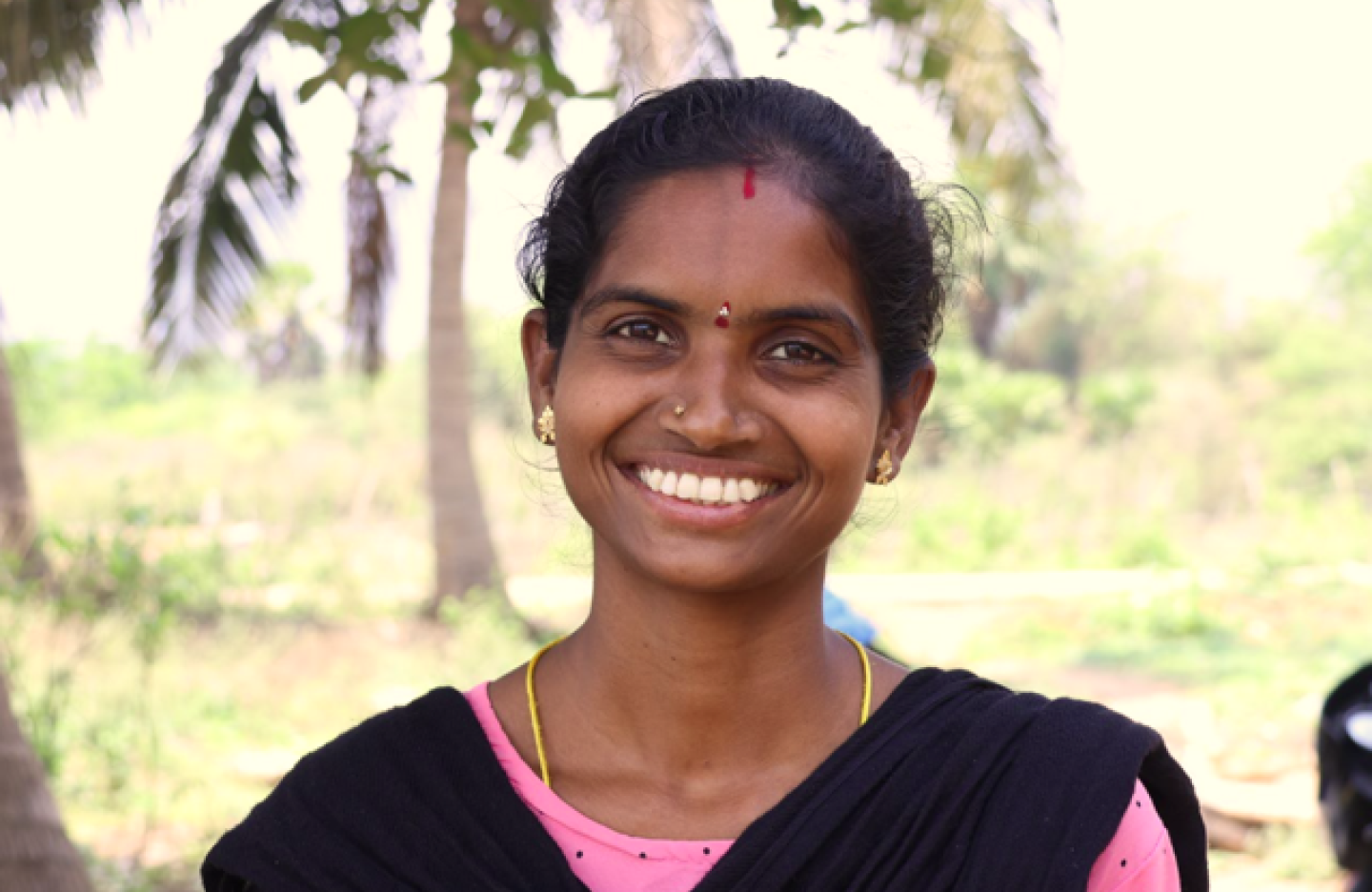
Farmers are increasingly applying agroecological principles, reducing reliance on chemical inputs and GMOs, and moving away from monocropping towards diverse systems that restore soil health and biodiversity. Healthy soils support more resilient crops and contribute to carbon sequestration. At the same time, businesses are rethinking supply chains, and researchers are developing new tools and insights. Many of these efforts are already delivering meaningful results.
Yet too often, they remain fragmented and disconnected. What is missing is not innovation, but alignment. The real opportunity lies in bringing these efforts together at landscape level, using nature-based solutions to harness ecosystem services and generate long-term economic, ecological, and social value.
This initiative begins from that awareness, not by replacing what exists, but by nurturing the relationships through which these diverse efforts can drive large scale systemic change.
It is easy, in conversations like these, to speak in terms of systems, supply chains, and markets, but these systems are ultimately shaped by people.
At the centre of this initiative are the farmers, whose needs, knowledge, decisions, and experience define what is possible on the ground. They are not seen as beneficiaries, but as experts in their own right. They are custodians of knowledge whose understanding of the land and nature is essential to building a better future.
Working in partnership with farmers means recognising that expertise is distributed, and that meaningful change depends on how different forms of knowledge come together. Through this collaboration, farmers can access high-value international markets alongside processing and certification opportunities that support better value realisation and diversified incomes.
The aim is to strengthen livelihoods, restore soil and biodiversity, and contribute to supply chains that are more transparent and resilient.
At the centre of the collaboration are two connected ideas.
The first is regenerative agriculture, which builds on farmers’ knowledge developed over generations, rooted in tradition and culture, while continuing to evolve through new insights. It asks what it means to work with natural processes in a way that restores soil health, strengthens biodiversity, and supports long-term productivity, rather than focusing only on short-term financial returns alone.
The second is the development of circular value chains, which extends the conversation beyond production and into what happens afterwards. How are materials processed, reused, and brought to market in ways that reduce waste and increase transparency?
Neither idea is new in itself. But when brought together, they begin to close a gap that has long existed between how something is produced and how it is valued.
The work unfolds gradually, beginning with pilot projects that create space to test ideas in real-world conditions.
These pilots allow partners to explore what works in practice, adjust where needed, and build on what proves effective. There is a shared understanding that transformation at this scale cannot be imposed or rushed. It must develop step by step, through iteration and continued collaboration. Over time, successful approaches can be expanded into new regions, new partnerships , and new markets.
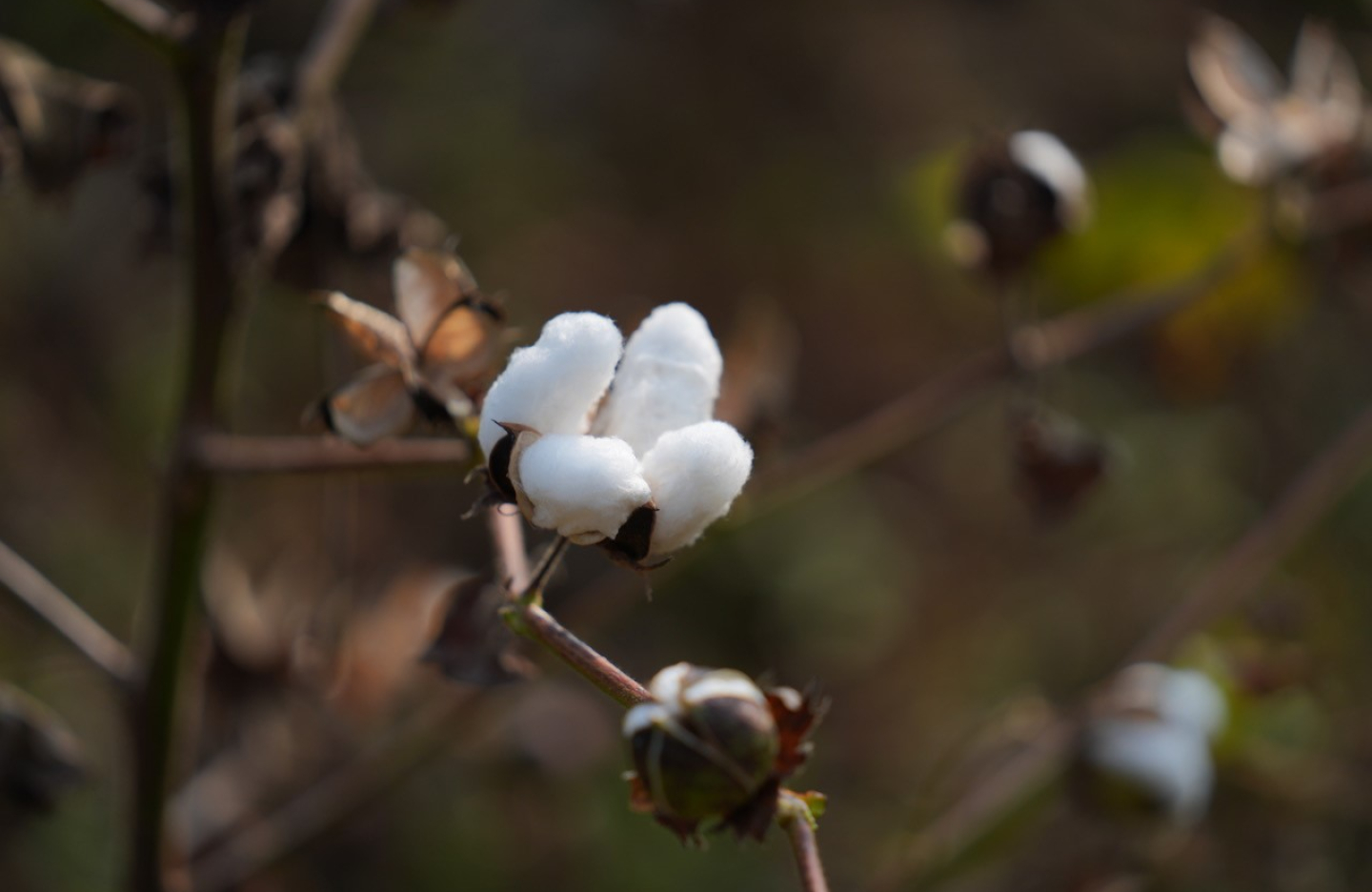
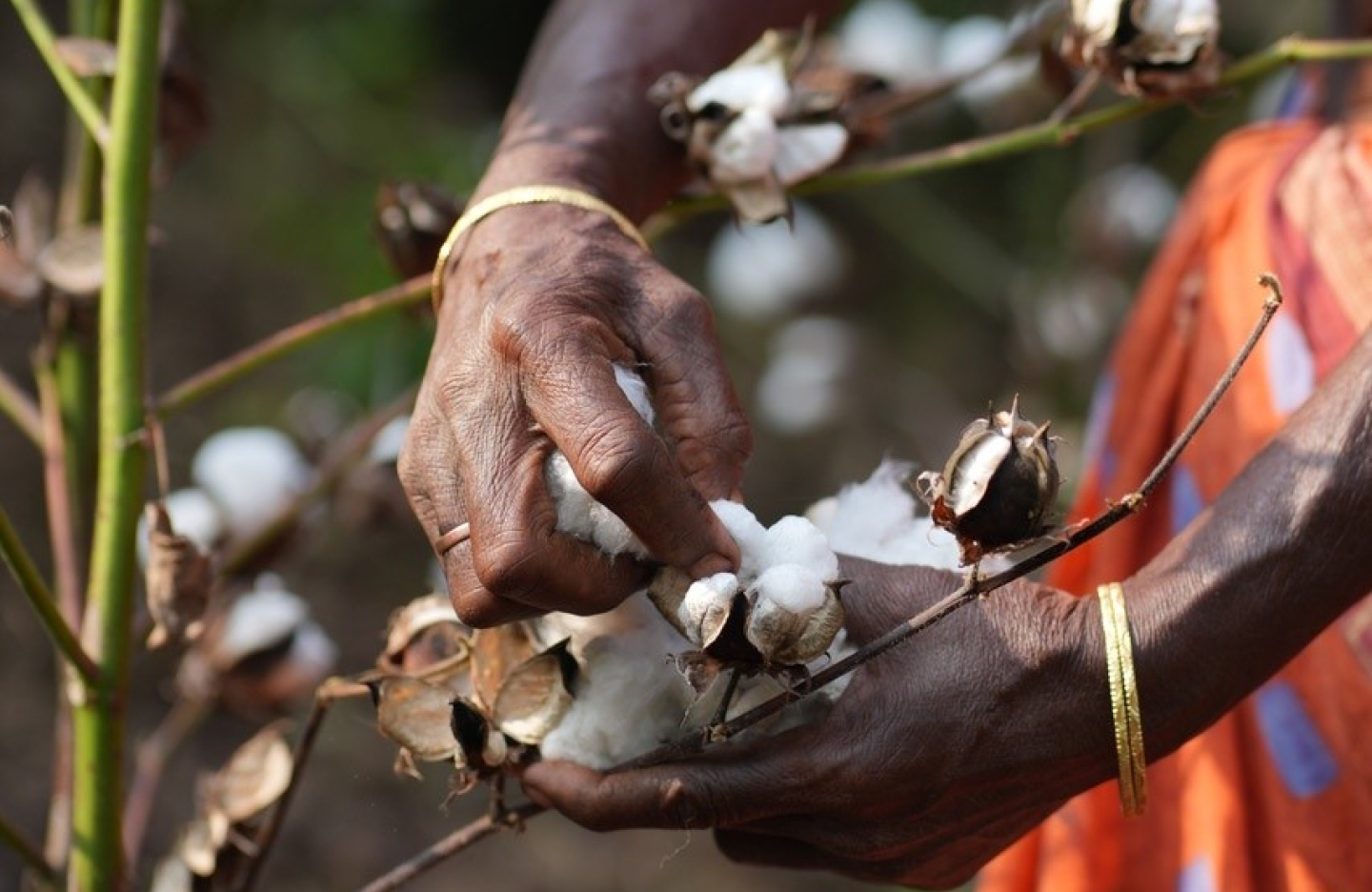
What starts in Andhra Pradesh is already designed to scale globally, with ambitions to expand into Bangladesh, Sri Lanka, Turkey, Brazil, and countries across Africa. And to keep supporting smallholder farmers across crops including cotton, coffee, cashew, millets, pulses, and oranges.
The collaboration between India and the Netherlands is grounded not in hierarchy, but in complementarity.
India brings scale, diversity, and a dynamic landscape. The Netherlands contributes experience in agricultural technology, water, logistics, and innovation, alongside a strong ability to connect knowledge institutions, businesses, and public partners.
What emerges is not a one-way transfer of knowledge, but a mutual exchange in which each context informs the other. The strength of the collaboration lies precisely in this balance.
“What makes this collaboration truly meaningful is that it goes beyond technology or trade; it is about rethinking how we value food, fibre, and the people who produce them. India and the Netherlands each bring unique strengths, and by combining these in a spirit of partnership, we are helping to shape regenerative and circular systems that benefit farmers, ecosystems, and markets alike. This is the kind of international cooperation needed to address global challenges at scale.”
- Marisa Gerards
Ambassador of the Netherlands to India
What is emerging through this initiative is not a single solution, but a new way of working.
The future of food and fibre will not be shaped by isolated innovations alone, but by the quality of the relationships between those involved. Across countries, across sectors, and across different forms of expertise.
In that sense, what is being built here more than a set of projects. It’s a shared approach to addressing global challenges. One grounded in collaboration, shaped by practice, and defined by what can be achieved together.
What begins in Andhra Pradesh has the potential to reshape how the world grows food and fibre.
Within this landscape of collaboration, NLWorks plays a connective role.
As part of the Netherlands Enterprise Agency (RVO), NLWorks focuses on building international public-private partnerships that address global challenges while creating sustainable economic opportunities. Its work sits at the intersection of governments, businesses, and knowledge institutions, bringing these actors together where their interests align.
In practice, this means helping to identify opportunities for collaboration, structuring partnerships, and supporting the transition from initial ideas to concrete initiatives that can be implemented and scaled.
In doing so, NLWorks contributes to what it describes as building business with impact, creating partnerships that are both economically viable and socially relevant.