
E-waste compensation - tested, proven and safe
/sites/default/files/styles/aspect_ratio_16_9/public/articles/image/e-waste_0.png?h=f91ca3e4&itok=Yk4BGJA5
The rapid development of technology makes ‘e-waste’ one of the fastest-growing waste streams. E-waste compensation addresses this market mismatch, providing a great starting point towards more sustainable use of technology.
gray
4 minute read
What if we could vacuum the sky?
What if we could vacuum the sky?
What if we could vacuum the sky?
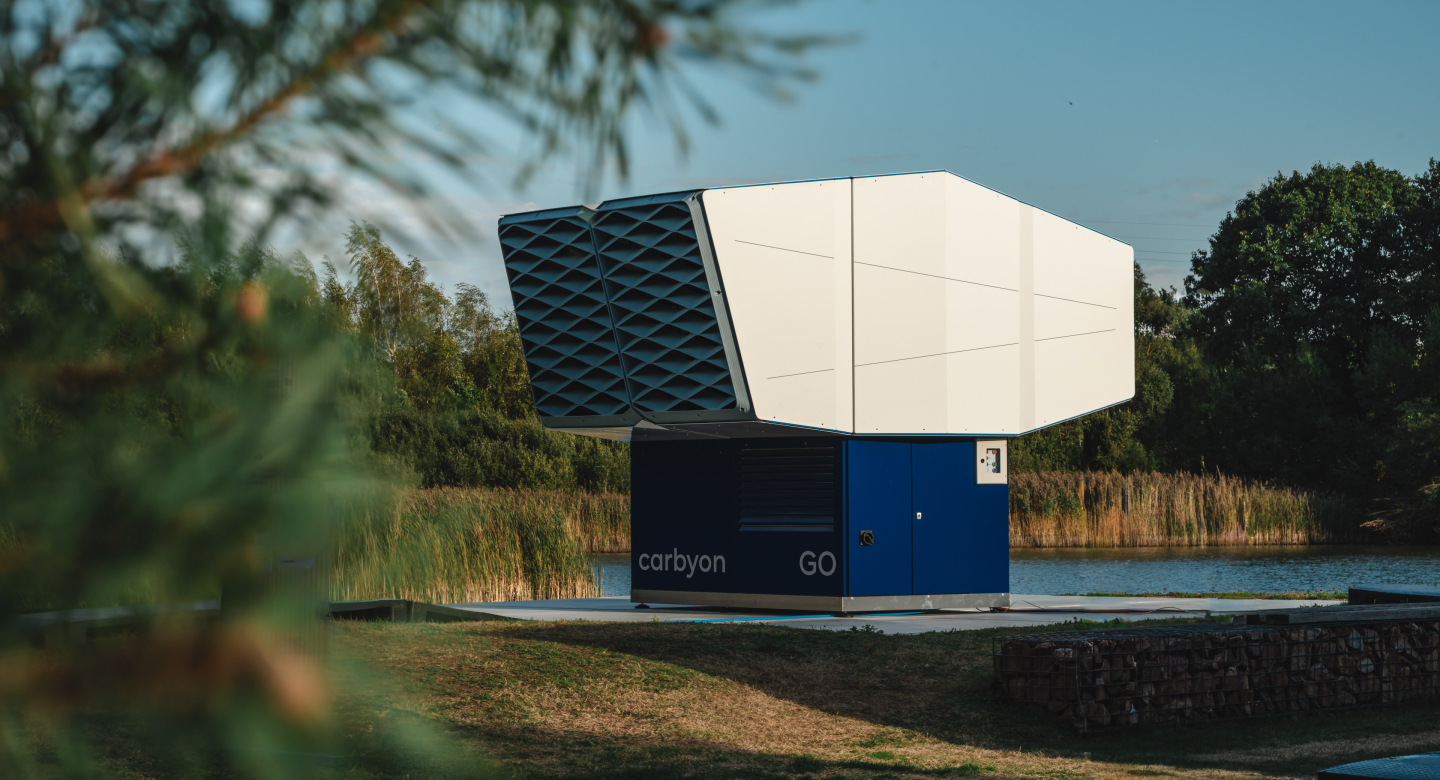
The Carbyon GO works much like a high-powered vacuum.
Imagine a machine that can clean the air around us, much like a vacuum cleaner on the floor. That’s exactly what Carbyon has unveiled with the Carbyon GO, a breakthrough device that could transform how we remove CO₂ from the atmosphere. The Carbyon GO works much like a high-powered vacuum. But instead of dust, it pulls CO₂ molecules directly from the air using a special filter material. Just one kilogram of this material can capture up to three tonnes of CO₂ a year; that’s the same as around 150 trees! Most impressive of all is its speed. The filter can fill up to 90% with CO₂ in just 100 seconds, a pace that traditional DAC systems can’t match.
Carbyon’s laboratory is based at the High Tech Campus in Eindhoven, in the southern part of the Netherlands. This is one of the world’s leading centres for research and innovation. Here, engineers and scientists study how the sorbent materials absorb and release CO₂, while also testing the precision components that make the machine run efficiently. In 2025, Carbyon will launch its first outdoor system at a dedicated test site, marking the next step toward bringing this technology out of the lab and into the world.
The next steps in carbon capture
Carbyon’s innovation is a promising step toward cleaner air. But while the technology is exciting, it’s only part of a much bigger picture. To truly tackle climate change, our first priority must be to reduce the amount of CO₂ we emit in the first place. At the same time, we need effective ways to remove the CO₂ that is already in the air. Solutions that can balance what remains and gradually help to restore the planet’s natural systems.
Image
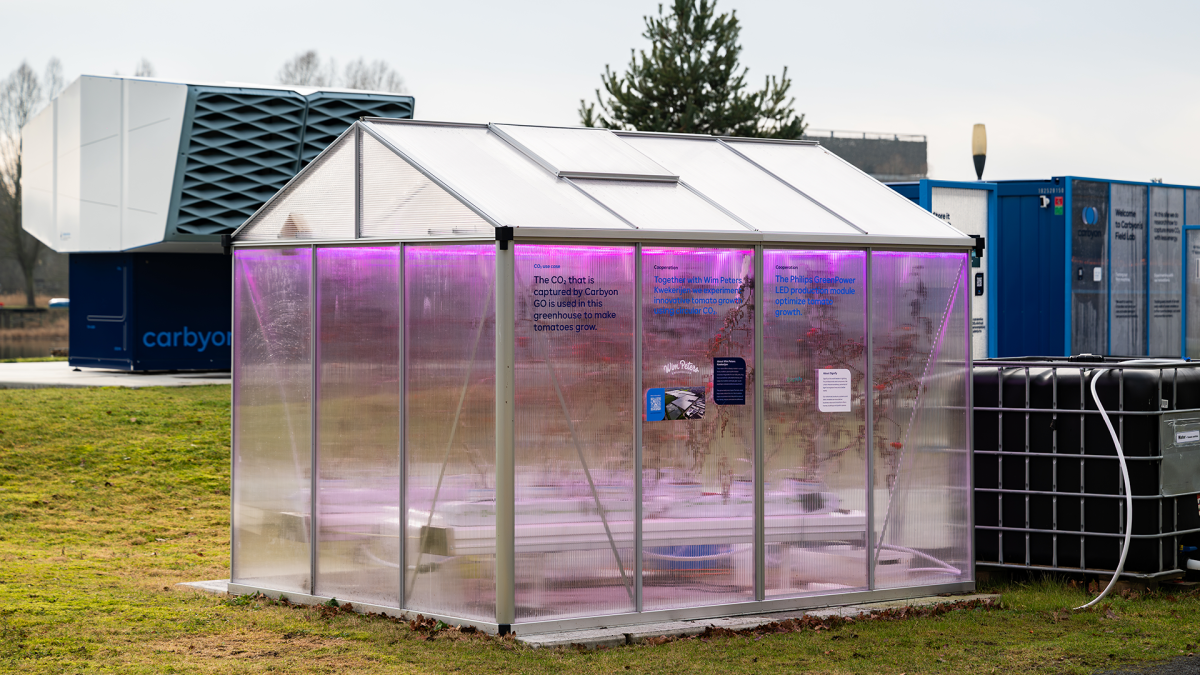
Carbyon’s primary outdoor test and demonstration locations are situated at the High Tech Campus (Outdoor Field Lab) in Eindhoven, a dedicated outdoor field lab for their Direct Air Capture (DAC) systems. In addition their technology is tested at Wim Peters Kwekerijen, as an agricultural pilot.
Image
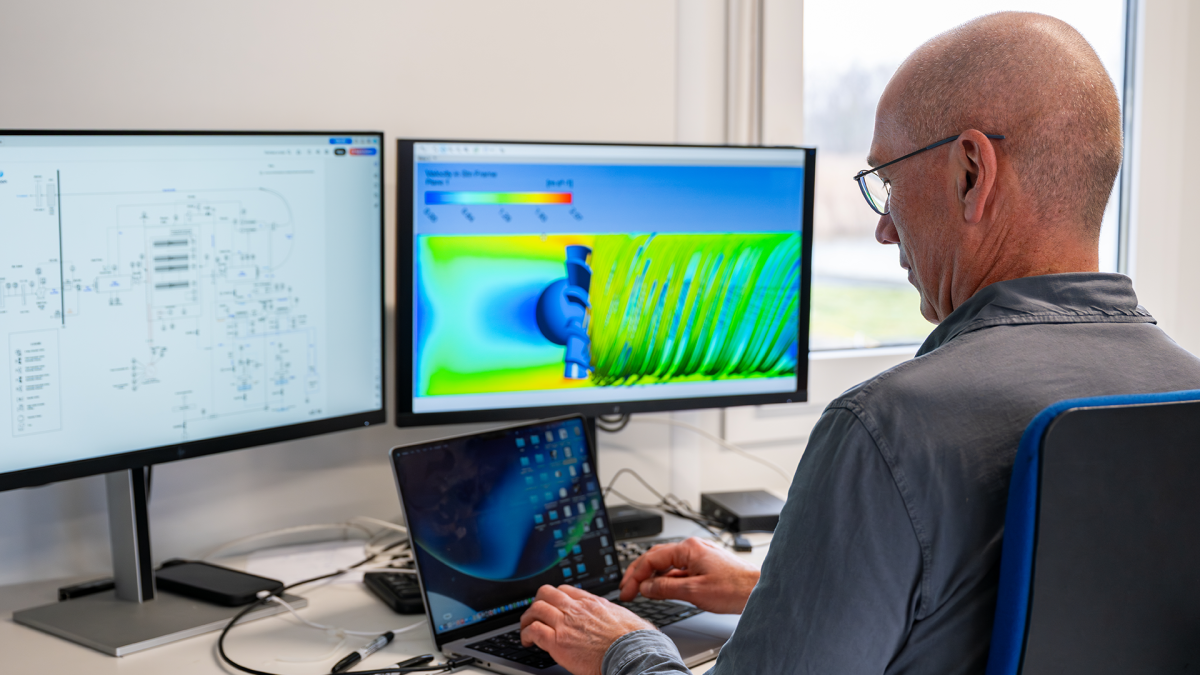
Testing dashboards: Equipment measuring wind speed, power consumption, climate shifting, and CO₂ saturation rates.
Right now, one major challenge is energy use. Many current machines require more power to operate than the amount of CO₂ they can capture, especially if that energy comes from fossil fuels. In other words, this early ‘vacuum cleaner for the sky’ is not yet a full climate solution. That’s why Carbyon’s next prototype is such an important step. The team aims to cut energy use by up to three-quarters and eventually power the systems entirely with renewable energy. Calculations made together with Radboud University show that under those conditions, the total climate impact, even when including the production of steel and other materials, will be positive.
Turning pollution into possibility
So this is just the beginning. The Carbyon GO is a first-generation machine designed to prove that the concept works. It will be deployed in locations around the world with the greatest potential for renewable energy, for example desert regions where deep geothermal heat can be harnessed, and clean energy can be generated efficiently. By 2032, Carbyon aims to roll out these machines worldwide, in regions rich in renewable energy like geothermal hotspots. Capturing greenhouse gases will always be a challenge, but research is crucial. And Carbyon is making remarkable strides. That’s #newdutch!
Learn more about Carbyon
Learn more about Carbyon
Discover more New Dutch stories


Does #newdutch spark an interest or a golden idea with you? We love hearing from you! You can email us at newdutch@nlbranding.nl.
Measuring the gravity of the universe in Maastricht
Measuring the gravity of the universe in Maastricht
Measuring the gravity of the universe in Maastricht
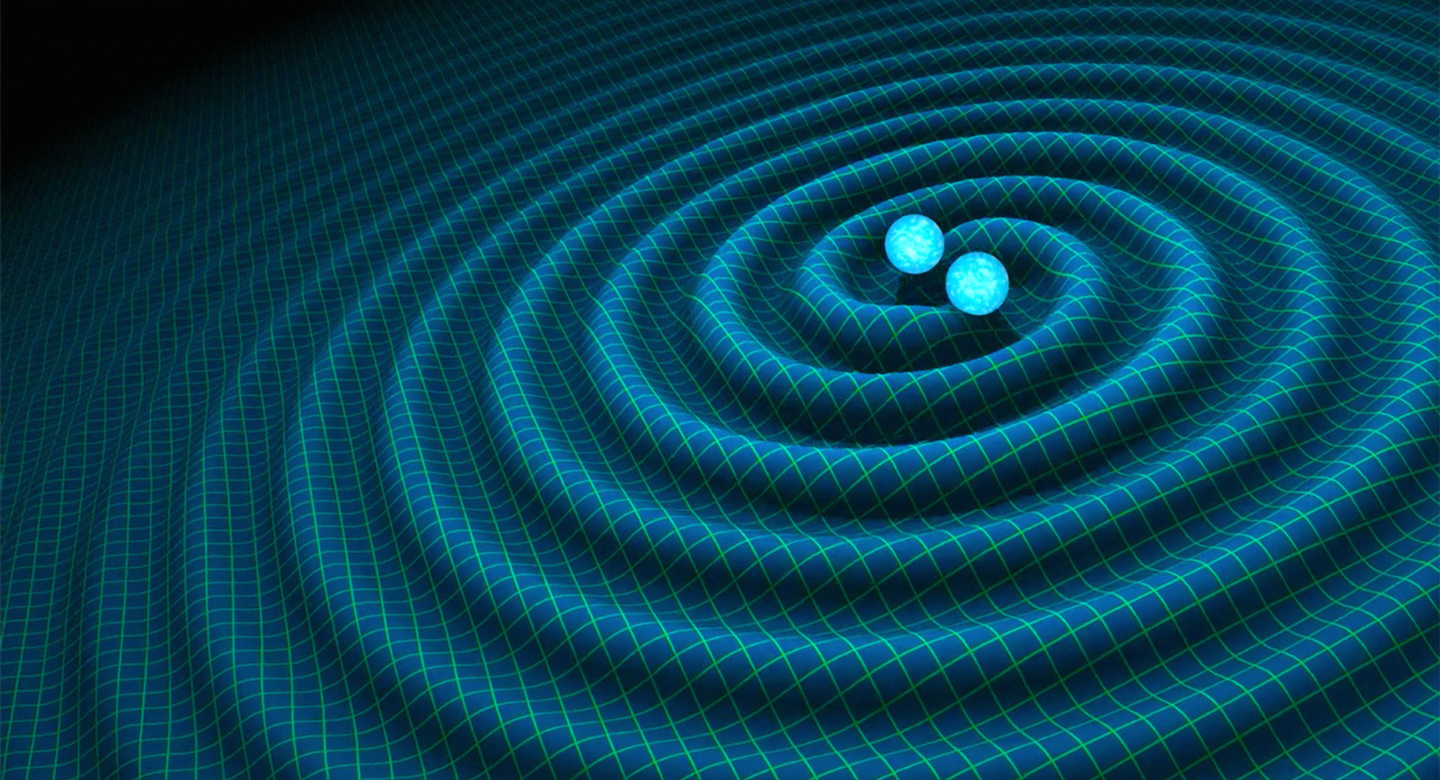
Ultra-precise instruments and sensors that will allow humanity to ‘listen’ to the universe.
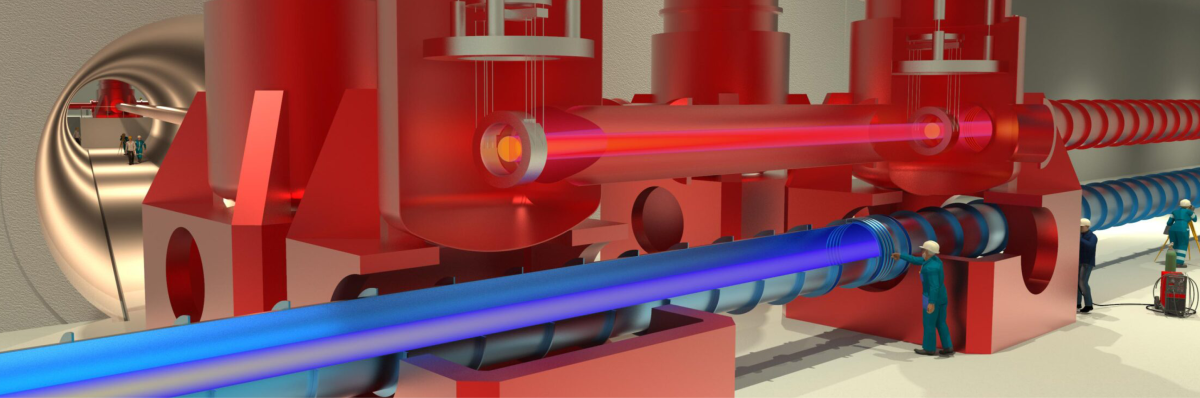
In Maastricht, a unique research hub is reshaping how we understand the cosmos. ETpathfinder is the testing ground for the Einstein Telescope, Europe’s next-generation underground gravitational wave observatory.
Here, researchers are developing the ultra-precise instruments and sensors that will allow humanity to ‘listen’ to the universe itself. And that isn’t science fiction. Every mirror, every laser, every sensor at ETpathfinder must operate at unimaginable precision; some so sensitive they measure distortions smaller than the diameter of a proton. To achieve this, ETpathfinder pioneers cryogenic technology, cooling silicon mirrors to near absolute zero to silence even the tiniest vibrations. Only then can the faintest whispers of gravitational waves be detected.
Image
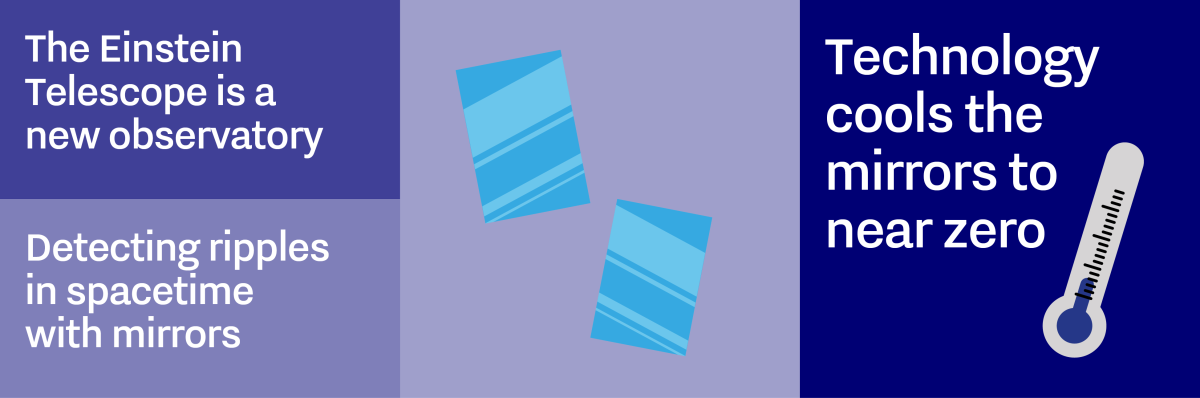
Giving the universe a voice
ETpathfinder is a bridge between Earth and space. The expertise developed here is shaping next-generation space missions, including ESA and NASA’s LISA telescope, designed to detect ripples in spacetime across the galaxy. The cryogenic systems, ultra-stable optics, and quantum-enhanced measurements tested in Maastricht are setting the stage for instruments that will explore the universe in ways previously unimaginable. Dutch institutes like Nikhef, Maastricht University, SRON, and TNO bring decades of expertise in laser communication, precision optics, and quantum technology together under one roof.
Image
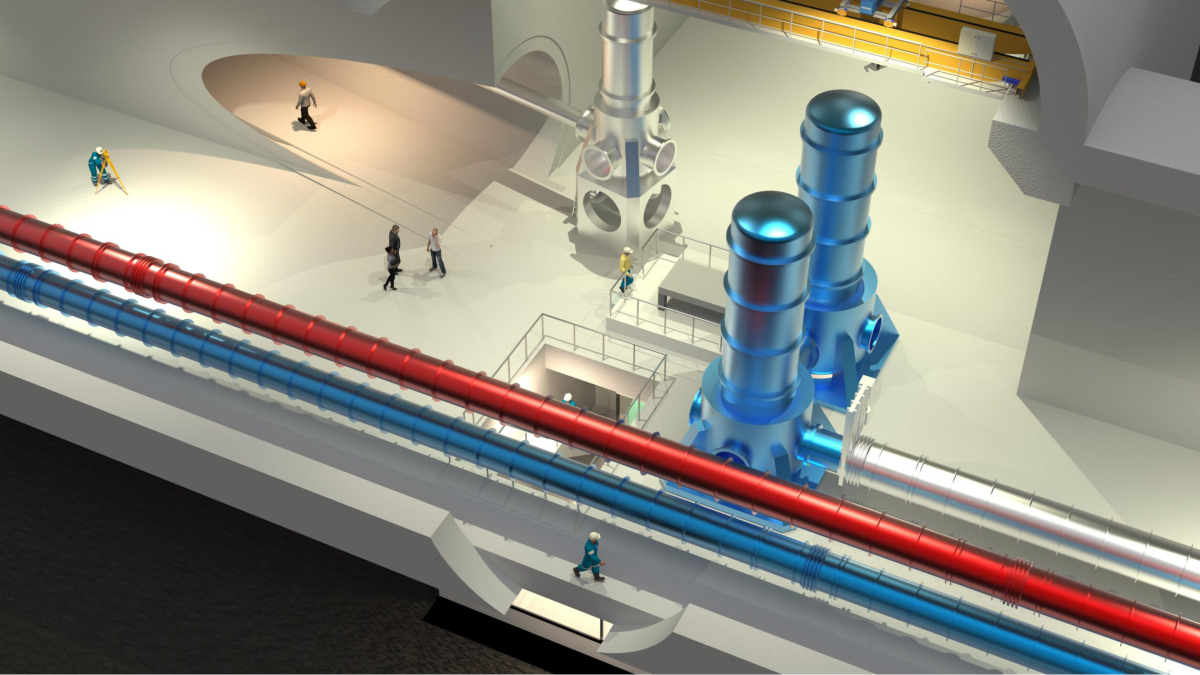
A render of the Einstein Telescope. ©Marco Kraan/Nikhef
Image
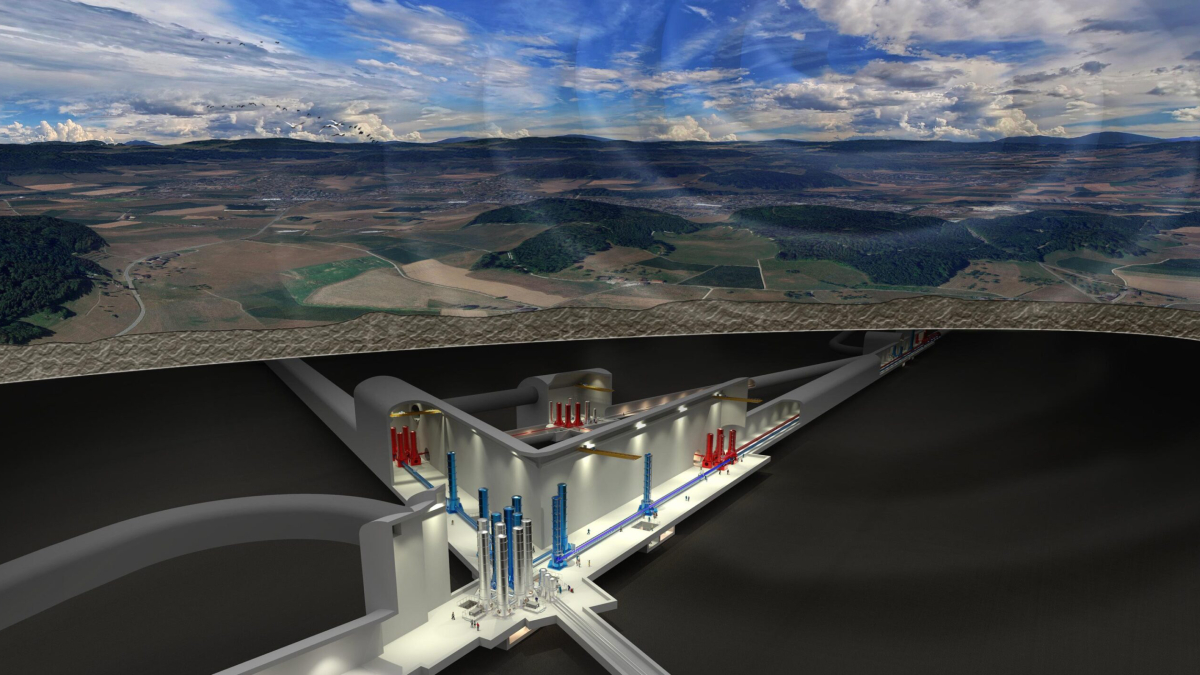
Render of the placement and workings of the Einstein Telescope. ©Marco Kraan/Nikhef
When quantum meets space
International partners join forces here to prototype and refine the innovations that will make the Einstein Telescope a reality. Quantum squeezing, low-noise sensors, and advanced cryogenic shields, every technology is tested in ETpathfinder’s ultra-quiet environment before being deployed on a global stage. ETpathfinder demonstrates how Dutch know-how is indispensable to high-tech science worldwide. From fundamental physics to space exploration, this living laboratory is pushing the boundaries of what is physically possible.
Image
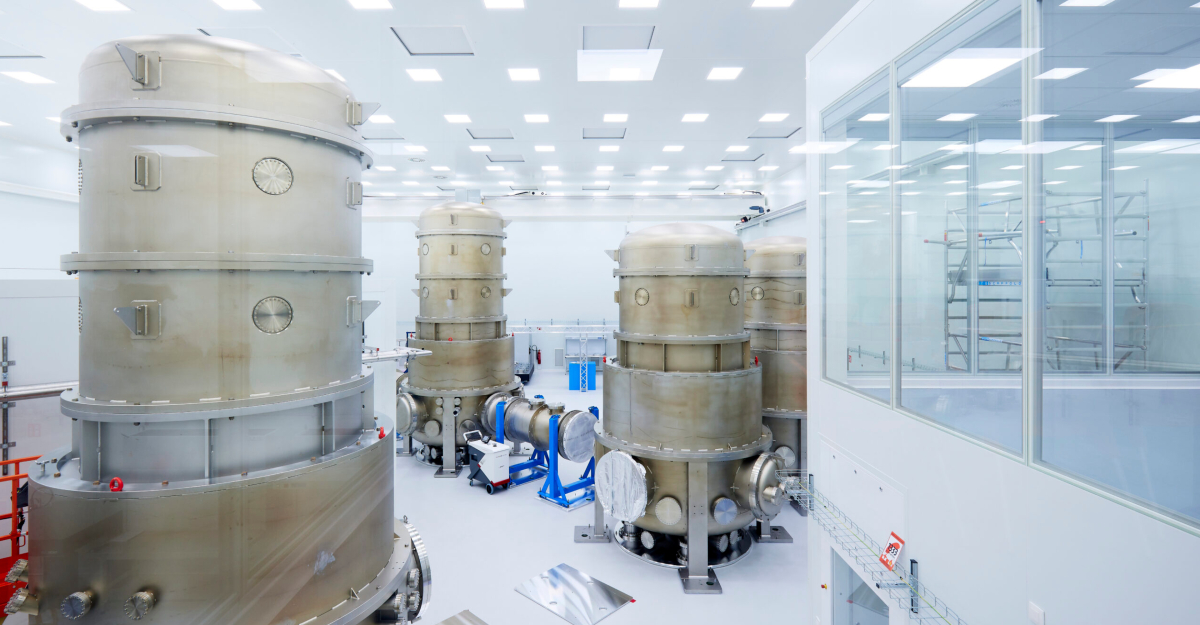
The ETpathfinder in Maastricht. ©ETpathfinder
From Maastricht to the cosmos
In Maastricht, the test hub brings together fundamental physics, quantum technology, and space engineering, making it far more than ‘just’ a physics experiment. Over the past year, ETpathfinder has grown into the nerve centre of European gravitational-wave technology. This demonstrates how the Netherlands, far from the traditional centres of space exploration, has become indispensable to high-tech science on a global scale. From this place, researchers are shaping the next era of cosmic discovery, from black holes to the origins of the universe. That’s New Dutch!
Image
Learn more about the ETpathfinder
Learn more about the ETpathfinder
Check out other New Dutch stories
Check out other New Dutch stories

Does #newdutch spark an interest or a golden idea with you? We love hearing from you! You can email us at newdutch@nlbranding.nl.
Marker Wadden: when dead water meets new life
Marker Wadden: when dead water meets new life
Marker Wadden: when dead water meets new life
Artificial islands and reusing local materials to restore natural habitats.
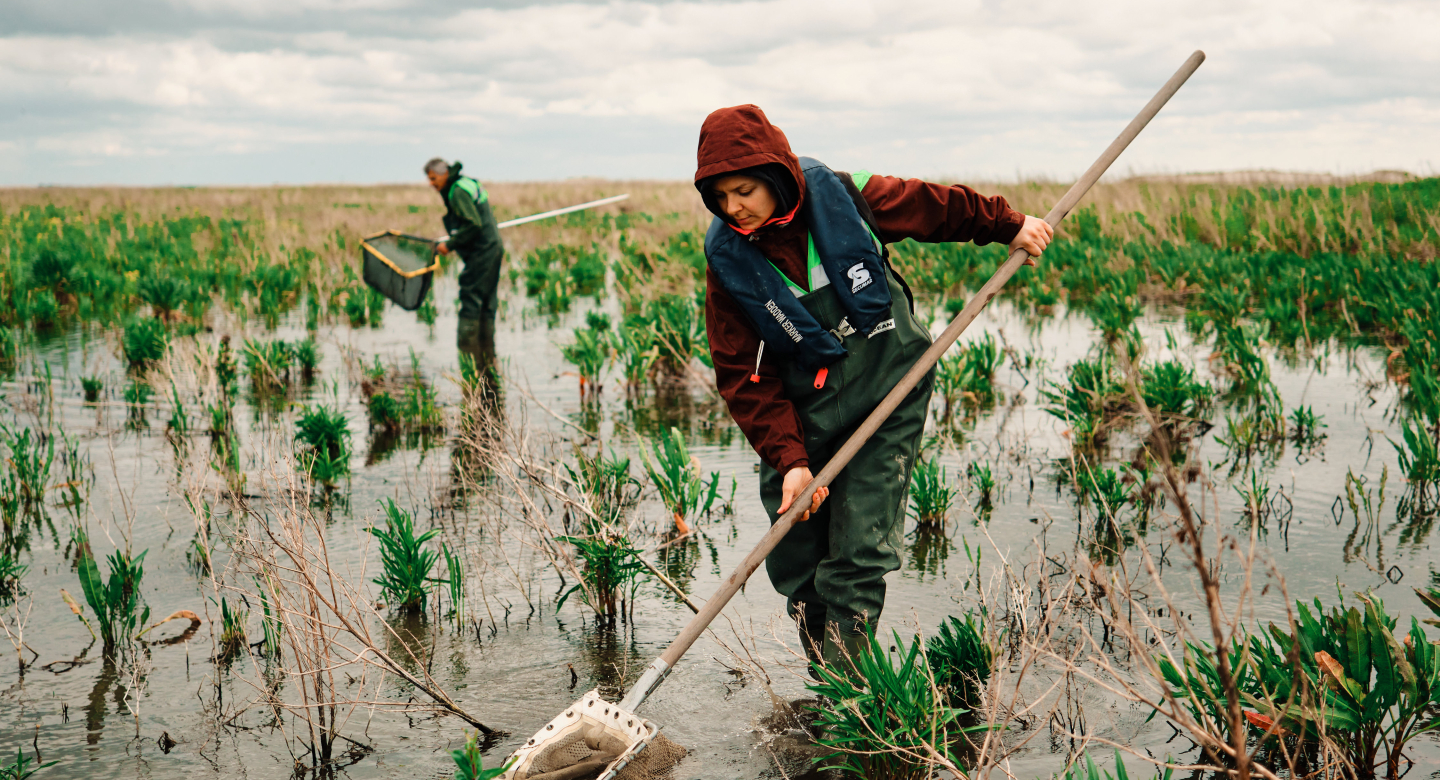
Marker Wadden is a modern icon of Dutch hydraulic engineering, showcasing innovation with global appeal. Like Flevoland, which was once built from scratch on the bottom of the former Zuiderzee, Marker Wadden embodies the progressive spirit of the Netherlands, in Nieuw Land National Park. A group of artificial islands built from the lake’s own materials is revitalising a once-dying lake. With its extensive land-water transitions, new habitats emerge, creating vital spaces that support aquatic life and restore the ecological health of the Marker Lake.
Made from locally sourced sand, clay, and silt, these islands are designed to sustain a dynamic natural balance, blending human ingenuity with natural processes. A core aspect of this innovation is improving water quality through the sedimentation of silt. Silt floating in the Markermeer is transferred to Marker Wadden and stabilised there, leading to clearer water in the rest of the lake. This clearer water promotes the growth of aquatic plants, which in turn provide habitat for fish and invertebrates. Marker Wadden is both a tribute to Dutch hydraulic tradition and a model for a sustainable future.
Increased biodiversity
Increased biodiversity
Marker Wadden has already become a haven for bird biodiversity, hosting large populations of species like the avocet, common tern, and great tern. It also serves as a critical stopover for migratory birds, while fish species such as pike and perch benefit from the new habitats. This thriving food chain strengthens the ecosystem’s resilience. An important part of the project is the “living lab” concept: Marker Wadden operates as an expansive field for ecological research. The Marker Wadden Knowledge and Innovation Programme (KIMA) oversees ecological and technical studies here, in collaboration with 10 partners, including Natuurmonumenten, Wageningen Marine Research, and the University of Amsterdam. The programme aims to increase the social added value of Marker Wadden and make the knowledge gained applicable worldwide. Ecological developments are closely monitored by leading Dutch universities and research institutions, generating valuable data on ecosystem restoration.
Image
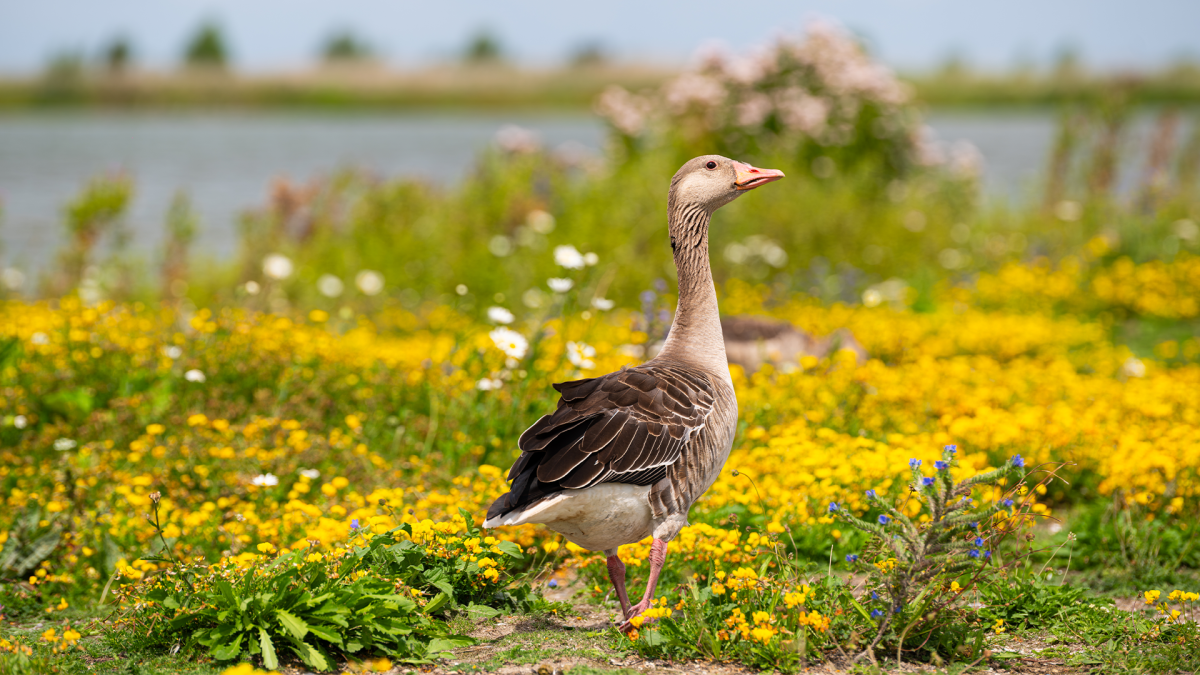
The Greylag Goose (Grauwe Gans) is the primary goose species that nests and breeds on the Marker Wadden.
Image
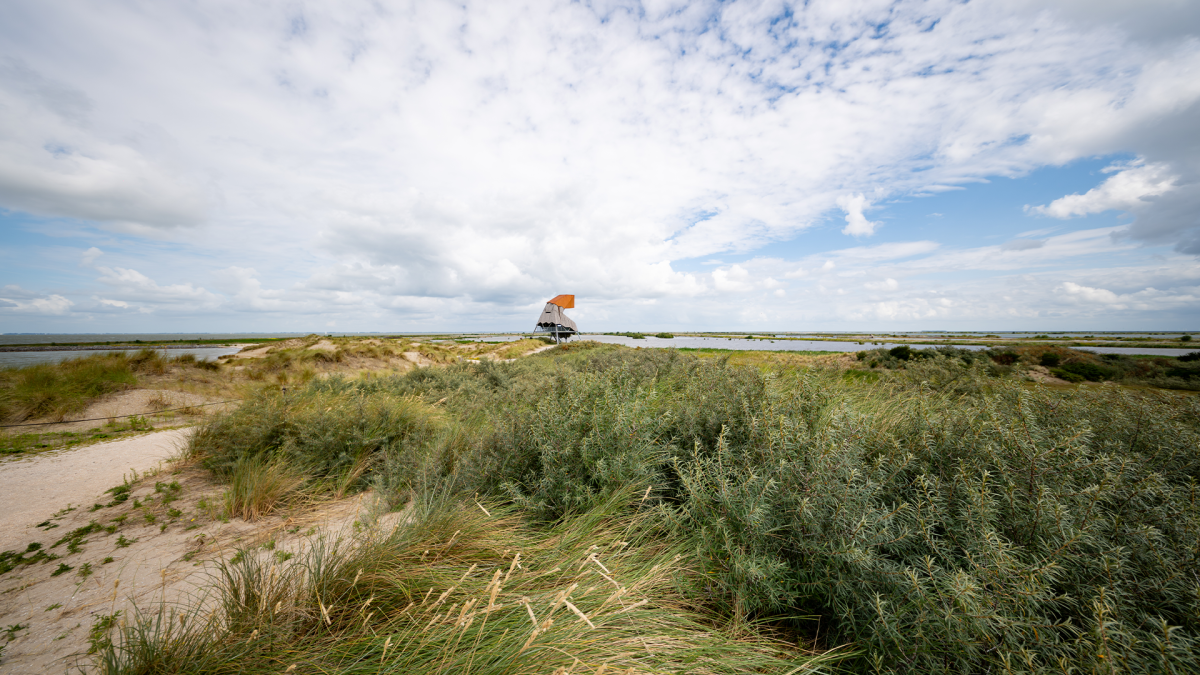
The observation tower at the Marker Wadden is called De Steltloper (meaning 'The Stilt'), the highest point on the island.
A global solution
A global solution
Marker Wadden offers a model with global relevance, addressing widespread issues like sedimentation, water quality decline, and biodiversity loss. The innovative approach of creating artificial islands and reusing local materials to restore natural habitats sets a standard other countries can adopt. Visitors can experience the pioneering Marker Wadden project firsthand; a 45-minute boat ride from Lelystad brings you to one of the islands open for exploration. Guided tours by Natuurmonumenten reveal the ecological and technical marvels behind the project. Marker Wadden’s blend of natural beauty and environmental innovation makes it a must-see. By improving water quality, creating new habitats and promoting a healthy ecosystem, this project exemplifies how local efforts can tackle global environmental issues, proving that collaborative, innovative ecological engineering is essential for a sustainable future. Marker Wadden stands as a testament to this approach, with lessons to share worldwide.
Learn more about Marker Wadden
Learn more about Marker Wadden
Check out these other New Dutch cases
Check out these other New Dutch cases


Does #newdutch spark an interest or a golden idea with you? We love hearing from you! You can email us at newdutch@nlbranding.nl.
The tear doctor: when tear meets insight
The tear doctor: when tear meets insight
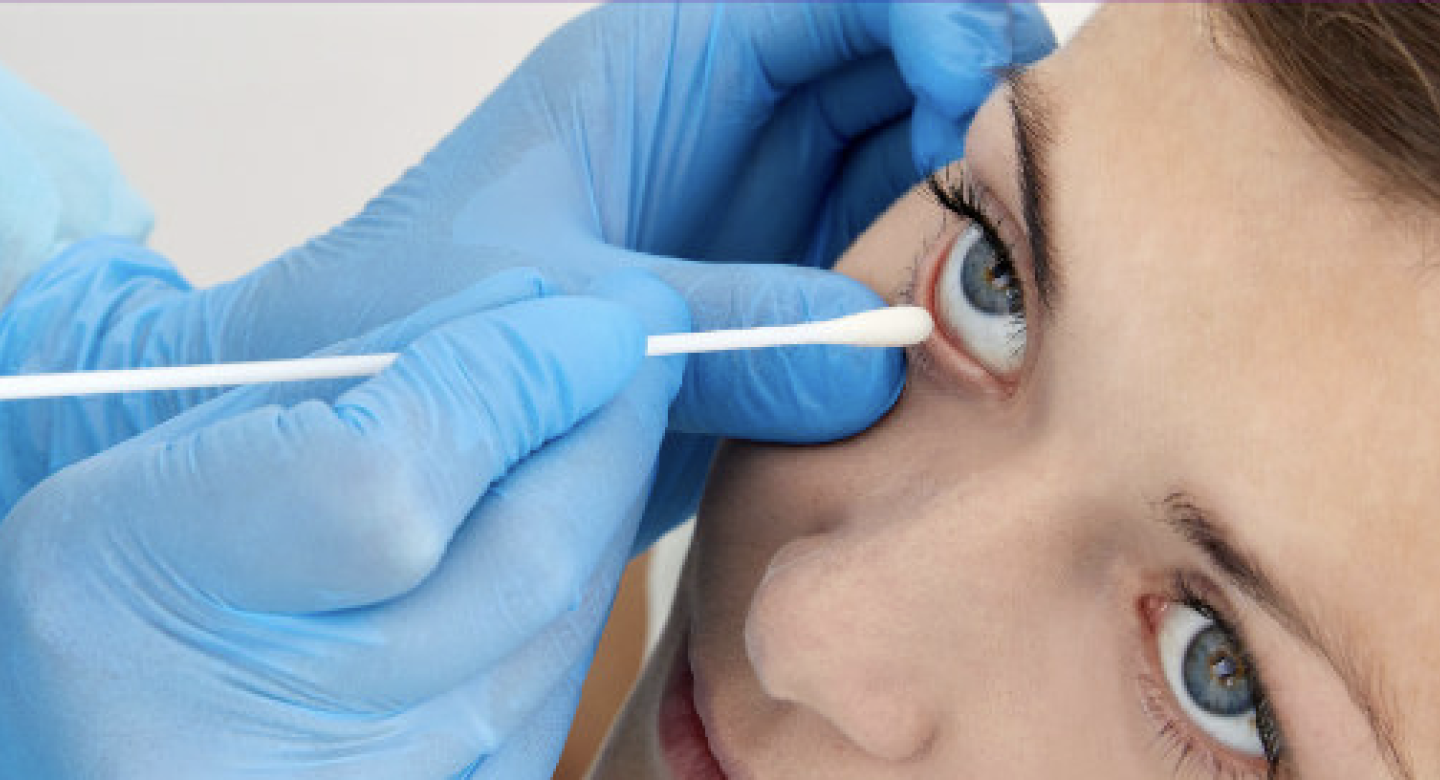
The tear doctor: when tear meets insight
A new approach to diagnosing disease.
A single tear can reveal more than just emotions - it can hold the key to diagnosing diseases. Dr. Marlies Gijs, a biochemist at Maastricht UMC+ and known as ‘the tear doctor,’ is uncovering the hidden potential of tears as a diagnostic tool. Her world-first research focuses on using tear fluid to detect diseases like Alzheimer’s and Huntington’s, offering a new, non-invasive alternative to procedures like spinal taps.
Tears as a source of medical insight
Tears as a source of medical insight
Tears, which have long been associated with emotions, are now emerging as a valuable source of medical insight. Gijs's team has identified two biomarkers, amyloid and tau, in tear fluid - proteins that are usually found only in spinal fluid and are key indicators of Alzheimer’s disease. This discovery has the potential to change how we diagnose neurological conditions, making early detection easier and less invasive.
Image
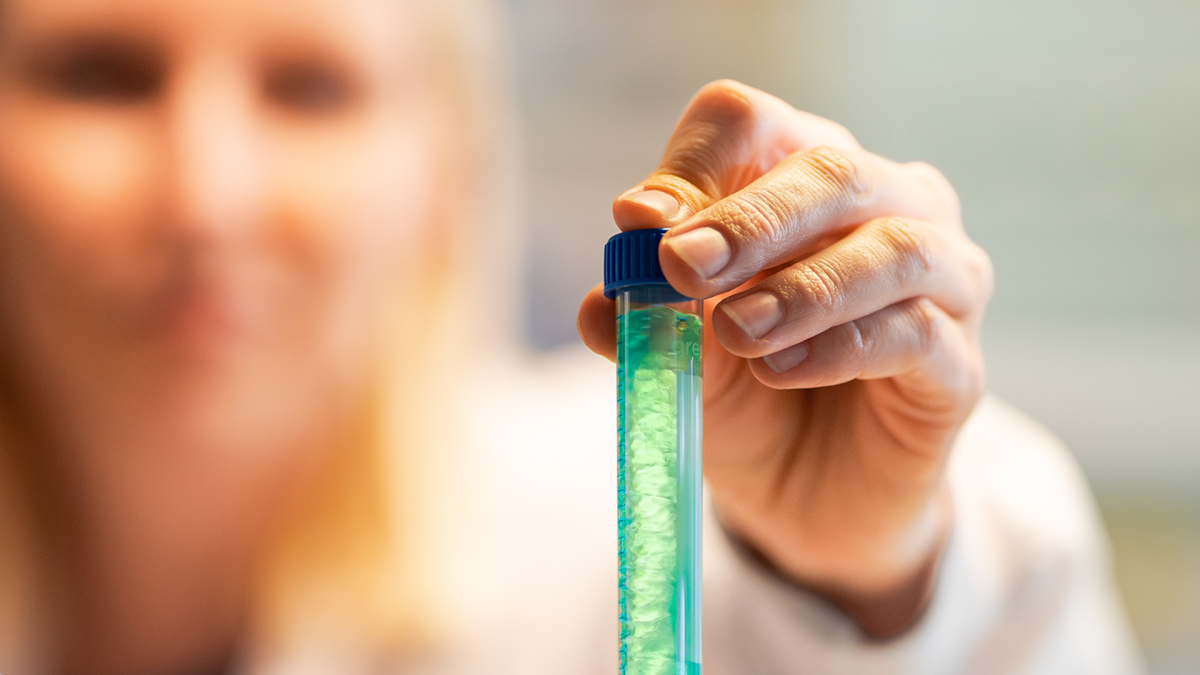
A tear-fluid sample used in diagnostic research.
Image
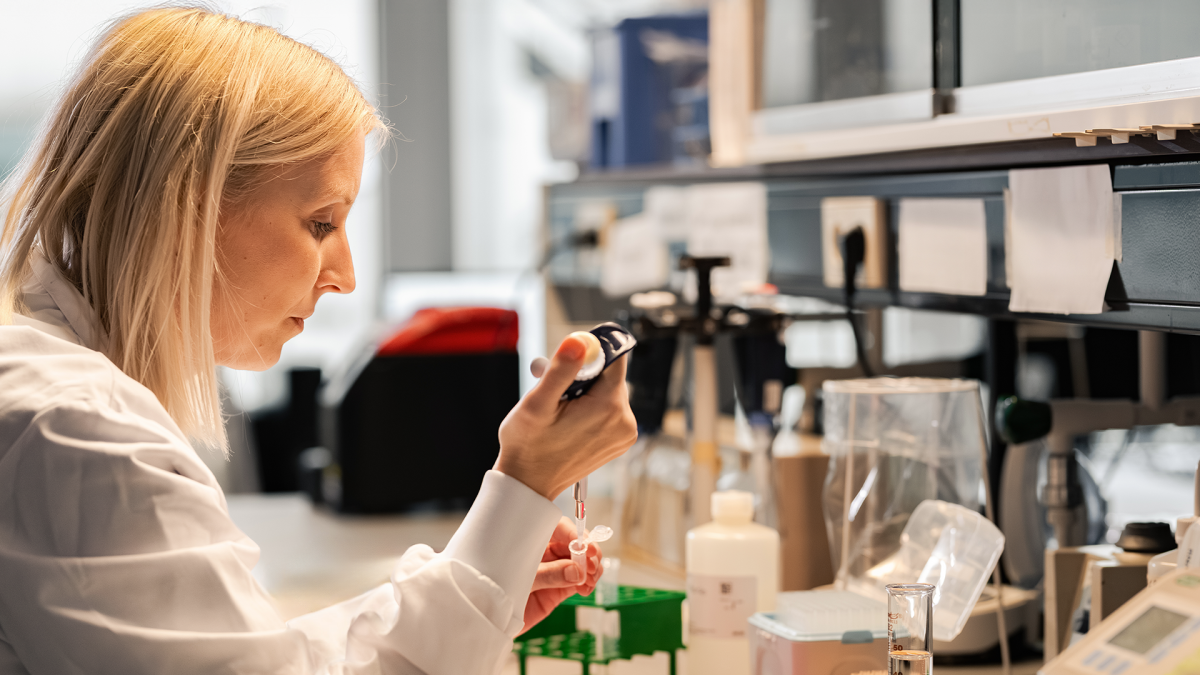
Dr. Gijs preparing tear-fluid samples for analysis at Maastricht UMC+.
A worldwide applicable test kit
A worldwide applicable test kit
The research team at Maastricht UMC+ is also exploring new applications, including the detection of viral infections. During the COVID-19 pandemic, they discovered that the virus could be detected in tears, highlighting the versatility of this diagnostic approach. Looking ahead, the team envisions a future where diagnostic strips, similar to pregnancy tests, could be used to analyse tear fluid for a variety of health conditions, making medical (home) testing faster, simpler, and more accessible.
The research of Dr. Gijs is part of the Tear Research Network, a collaborative effort bringing together scientists from around the world to push the boundaries of what we can learn from tear fluid. What started as an exploration into eye health is now becoming a powerful tool for understanding and diagnosing diseases, all through something as simple as a tear - and for that reason, applicable to people worldwide.
Learn more about the Tear Research Network
Learn more about the Tear Research Network
Discover more New Dutch stories
Discover more New Dutch stories


Does #newdutch spark an interest or a golden idea with you? We love hearing from you! You can email us at newdutch@nlbranding.nl.
When dusk meets discovery
When dusk meets discovery
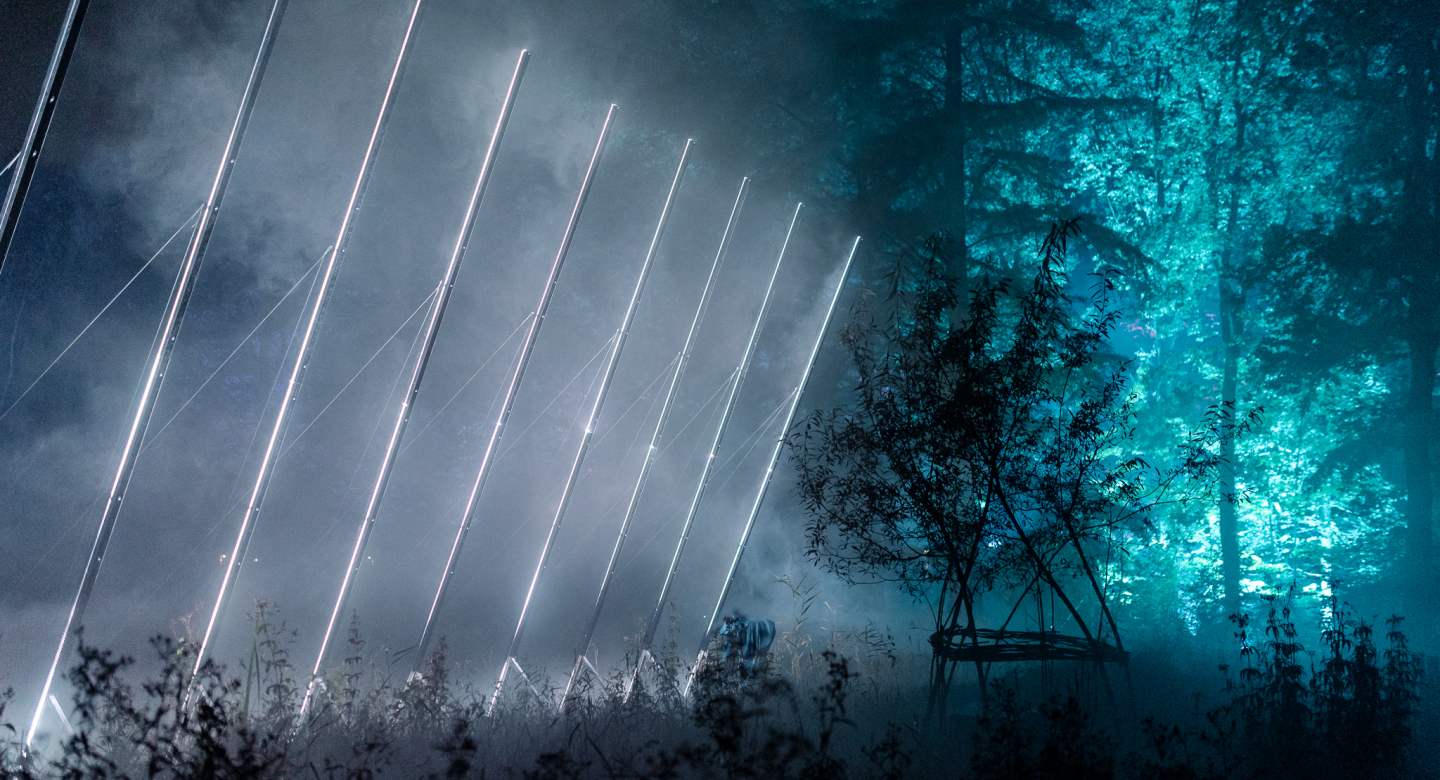
When dusk meets discovery
Creating a space where scientific research and artistic creativity inform and inspire one another.
In the heart of Nijmegen’s Goffertpark, Schemerlich Lab organises the annual festival, blending art, science, and nature. The Schemerlicht festival offers visitors the chance to see the world through a new lens, highlighting complex global issues. A journey through light and insight.
Each autumn, Schemerlicht Lab transforms the Goffertpark into an immersive outdoor exhibition. Visitors explore a series of thought-provoking installations. These artworks, created with scientists and artists, dive into themes like climate change, space exploration, and ecological awareness.
The works illustrate how the Schemerlicht Lab blends scientific inquiry with artistic expression to make complex topics accessible and engaging. The festival is centred around a specific theme each year. In a previous year, for example, Space Voyagers featured twelve installations that challenged perceptions of space and our place within it. One notable work, ‘The Abyss of the Scorching Sun’, used mirrors and lenses to create a visual representation of a black hole, accompanied by a hypnotic soundscape. And pieces from the theme ‘In the Eyes of the Animal’ offered a 3D experience of how different creatures perceive the world. This all makes us curious to see what this year’s theme will bring.
Driving change through cooperation
Driving change through cooperation
At the heart of Schemerlicht Lab's success is its collaborative spirit. By bringing together scientists, artists, and technologists, their annual festival fosters interdisciplinary dialogue. This approach not only enhances the depth of the installations but also encourages visitors to think critically about the challenges facing our world.
The Schemerlicht Festival’s commitment to inclusivity is evident in its growing audience. It attracts over 10,000 visitors each year, drawing a broad audience from children to adults, reflecting the event's appeal across generations. Such engagement underscores the power of art and science to unite communities in addressing global issues.
Image
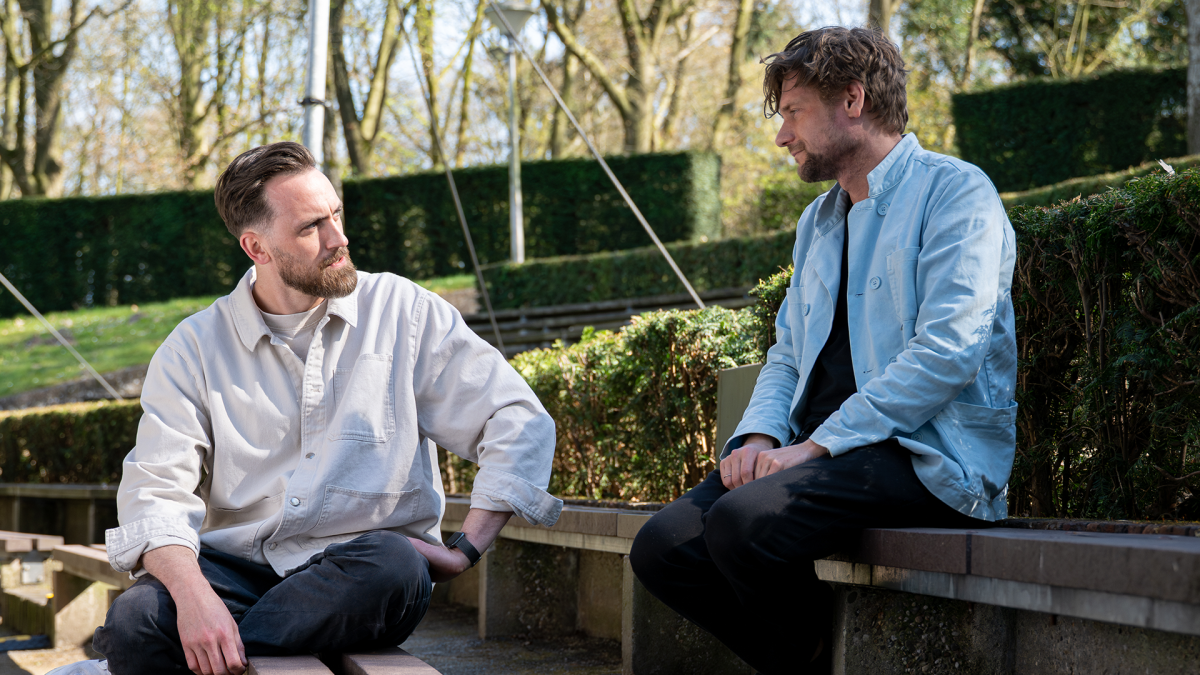
Boris Acket (r), contemporary artist and composer, co-founder and artistic director of Schemerlicht, and Hilmer Thijs (l), New Dutch ambassador.
Image
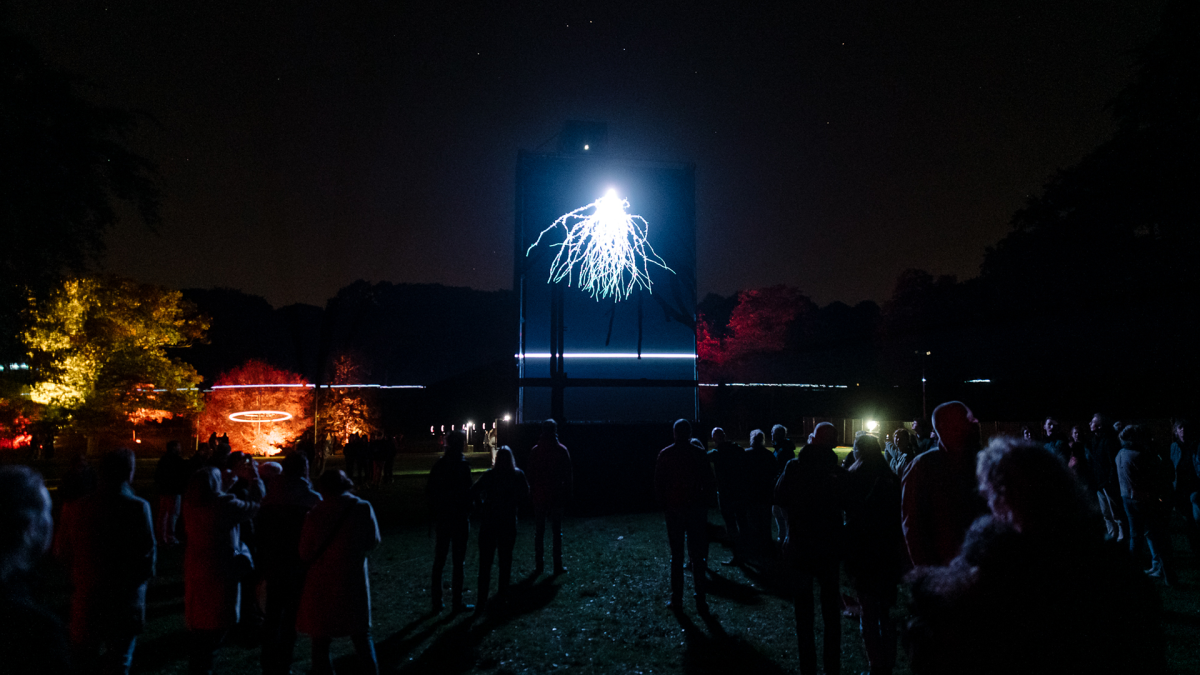
Artwork 'Arbor', by Vincent Rang. A generative visual system that simulates organic growth processes through custom-built software. ©Stef van Oosterhout
A model for global collaboration
A model for global collaboration
Schemerlicht Lab channels the innovative and outward-looking spirit of New Dutch culture. Through its work, it highlights how creative expression can become a catalyst for awareness and change. By making science and environmental issues tangible through art, Schemerlicht Lab educates and inspires action. What sets this project apart is its ability to seamlessly integrate cutting-edge scientific research with artistic creativity, by creating a space where both fields can inform and inspire one another. This fusion of disciplines sparks new ways of thinking, making complex issues more relatable and engaging for a diverse audience.
As the world faces complex problems like climate change and biodiversity loss, Schemerlicht Lab offers a model for how creativity and collaboration can drive meaningful change. It reminds us that when dusk meets discovery, new perspectives emerge. Lighting the way toward a more sustainable and connected future.
Stay tuned for this year’s edition of Schemerlicht Festival, where even more thought-provoking installations and groundbreaking collaborations await! schemerlichtfestival.nl.
Learn more about Schemerlicht festival
Learn more about Schemerlicht festival
Check out other New Dutch stories
Check out other New Dutch stories


Does #newdutch spark an interest or a golden idea with you? We love hearing from you! You can email us at newdutch@nlbranding.nl.
When harvest meets high-tech
When harvest meets high-tech
When harvest meets high-tech
What if you flip the growing process, quite literally, upside down?
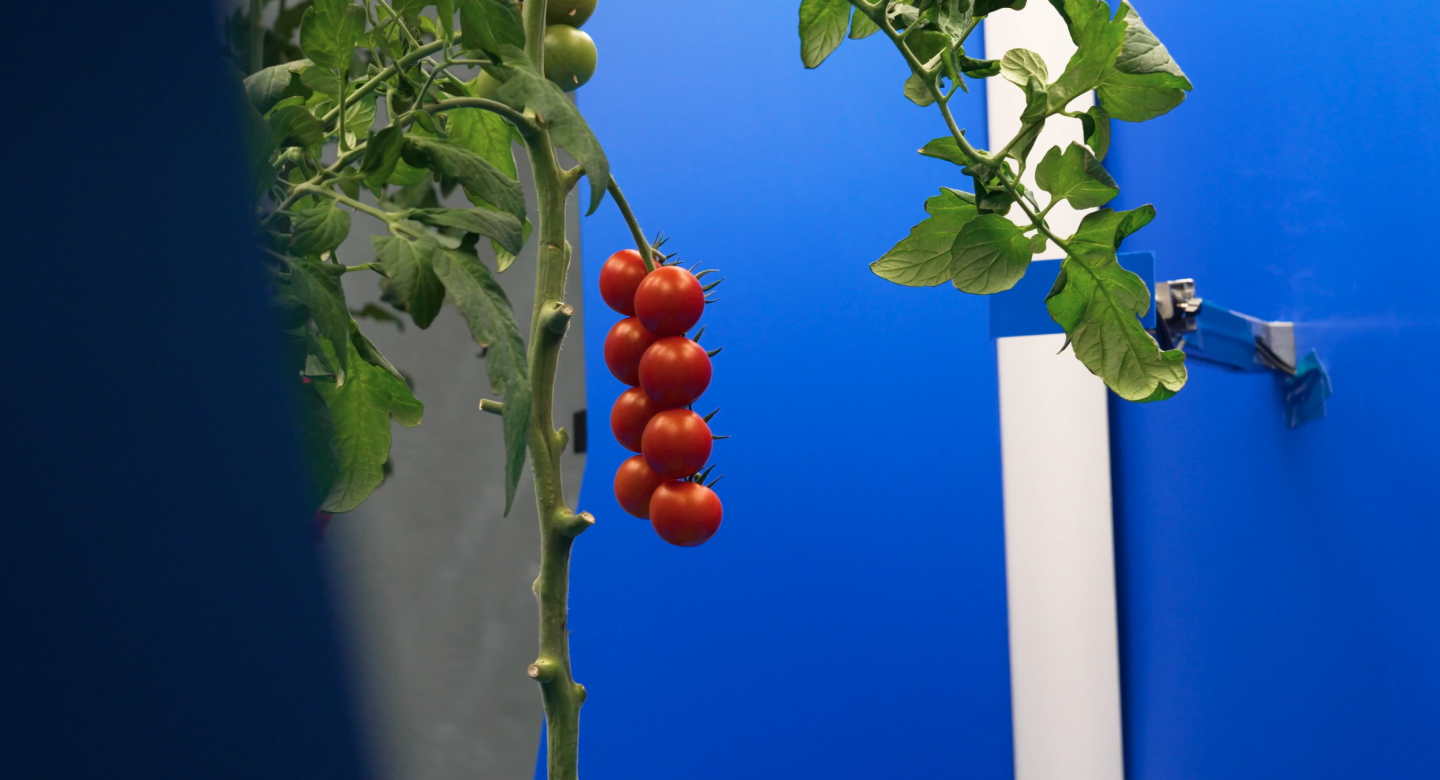
At SAIA Agrobotics, tomato plants don’t grow from the ground up, but from the top down. Hanging from above on moving tracks, every single plant travels through the greenhouse like a living production line.
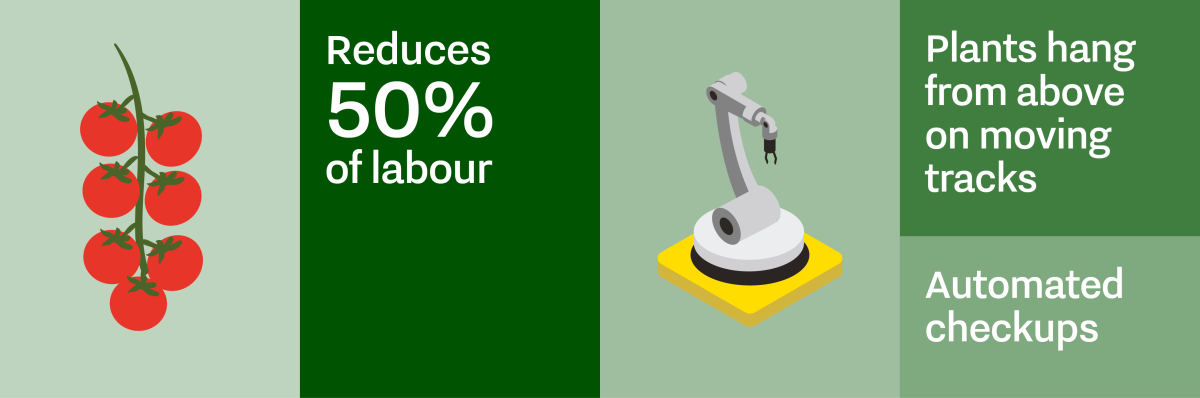
Like a car through a wash, each plant passes sensors and robotic arms, its health, growth and ripeness are checked automatically. The result: each plant receives exactly what it needs, at precisely the right moment. This isn’t just a clever trick, it’s a revolution in how we grow food. Because by reducing manual work and making every movement count, SAIA cuts labour by half, while improving yields and consistency.
Image
Growing a smarter future
Growing a smarter future
Across the world, the demand for fresh fruit and vegetables is rising. But extreme weather, water scarcity and labour shortages are putting traditional farming under pressure. Indoor farming offers the solution, controlled environments, higher productivity, but to make it truly scalable, we need automation that works in harmony with nature. That’s where SAIA steps in. Their patented vertical growing system makes each plant moveable, visible and measurable from all sides.
Image
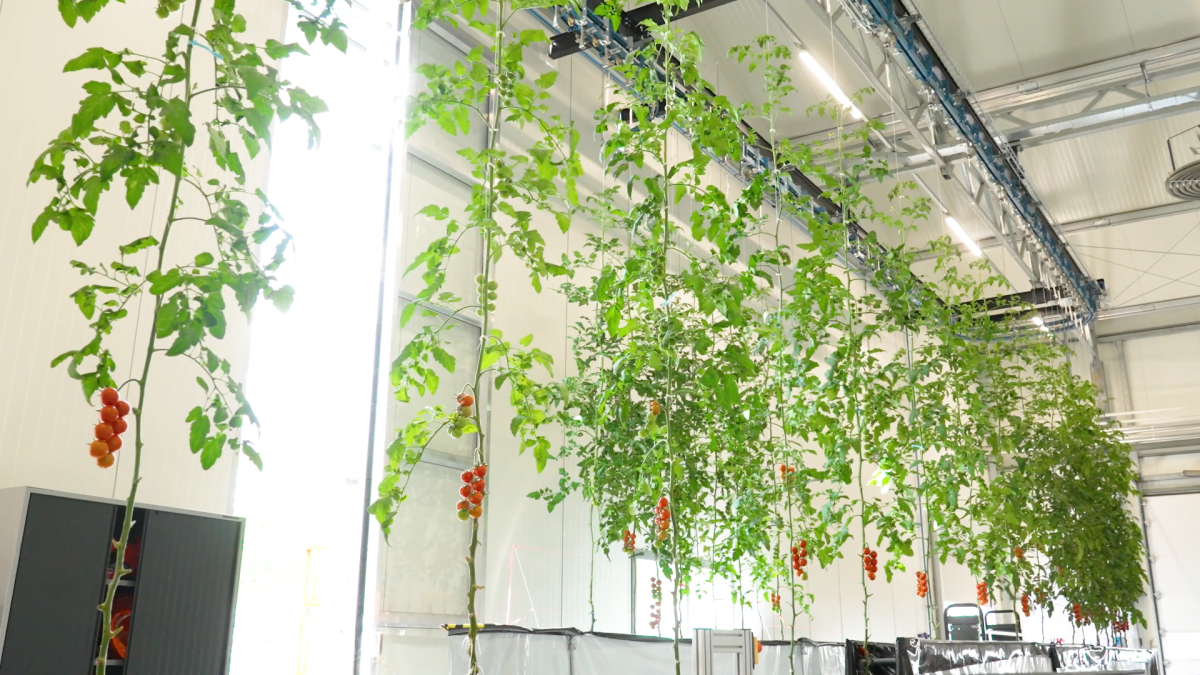
The tomatoes hang from above on moving tracks.
Image
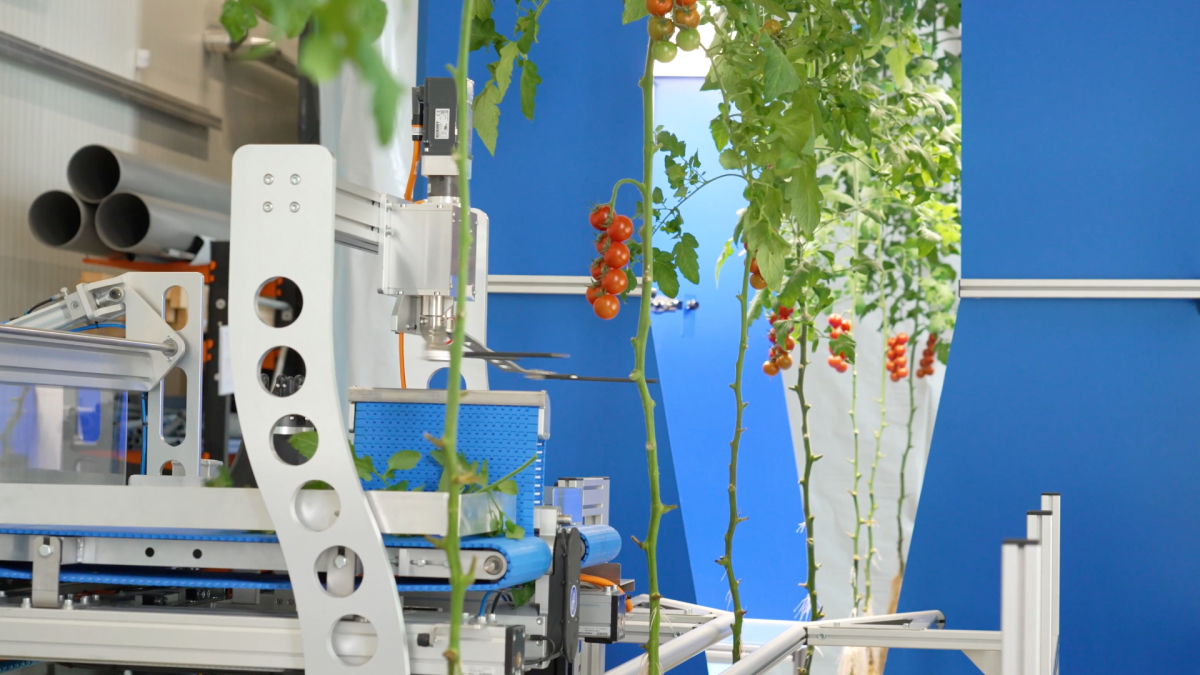
Robotic arms and sensors perform automated checks.
SAIA’s approach is more than robotics, it’s a new production paradigm. By combining a patented vertical growing method with mobile plant carriers, AI-driven crop insight and the world’s fastest robotic harvester, the system automates repetitive, labour-intensive tasks. Results? Labour savings of around 50% today, with scope to exceed 80% once the platform scales. That makes high-tech greenhouse growing possible and affordable in more places, from family farms to large commercial growers.
SAIA champions a transition to data-driven, autonomous ‘food factories’ - modular greenhouses where plants move, data drives every decision, and robots harvest with millimetre precision. Born from Wageningen University & Research know-how, proven in a test greenhouse in the Netherlands, SAIA is moving indoor farming from promise to practice. Feeding more people sustainably means rethinking how we grow. Because feeding a growing world isn’t just about producing more, it’s about producing better.
Image credits: SAIA Agrobotics.
Learn more about SAIA
Learn more about SAIA
Image
Check out these other New Dutch cases
Check out these other New Dutch cases


Does #newdutch spark an interest or a golden idea with you? We love hearing from you! You can email us at newdutch@nlbranding.nl.