Quantum
Unlocking the potential of quantum technologies
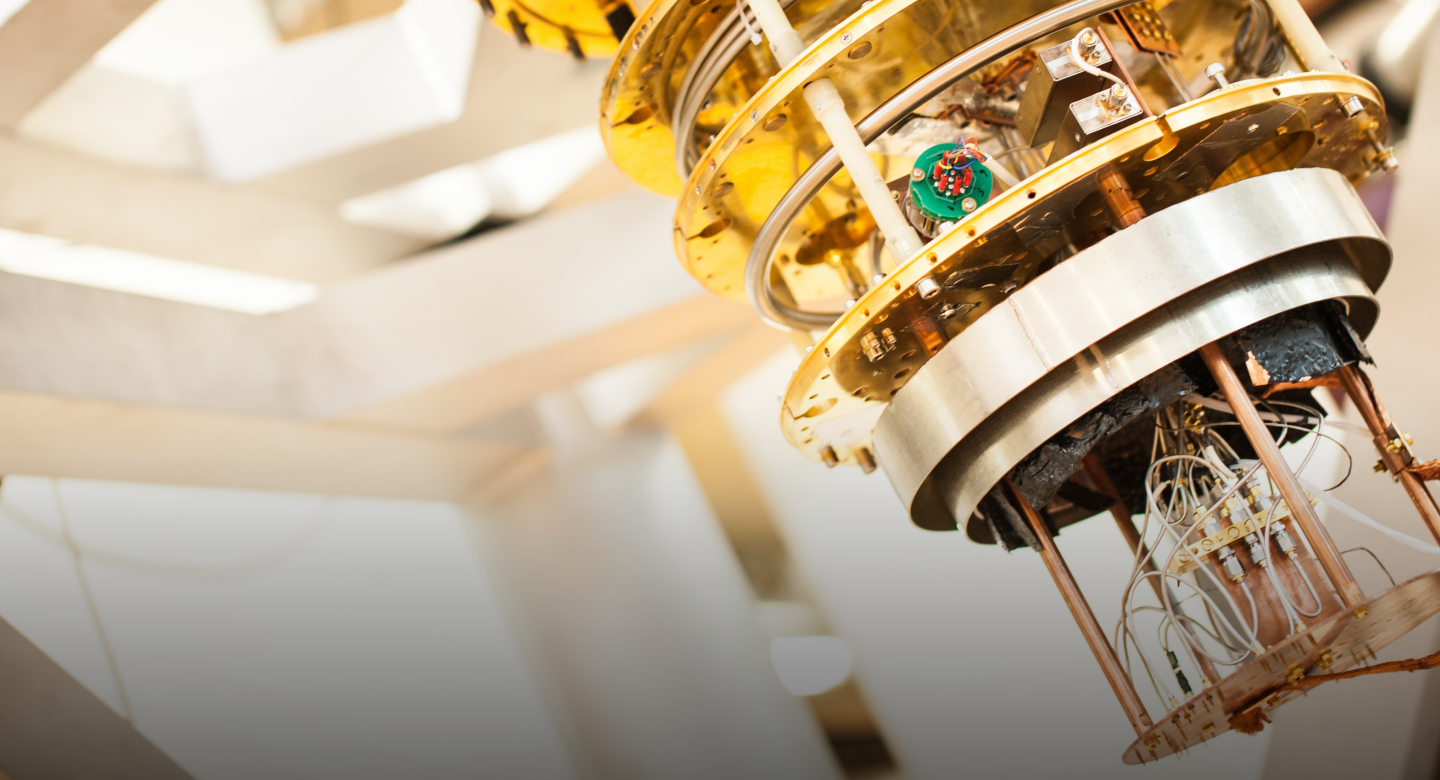
Unlocking the potential of quantum technologies
In solving today’s societal and economic challenges, breakthrough technologies are essential. From accelerating the energy transition and strengthening digital security to advancing healthcare and climate research, quantum technology offers entirely new ways to understand and shape the world around us.
Quantum marks the next chapter in technological progress. By harnessing the fundamental principles of physics, such as superposition and entanglement, quantum systems can process and transmit information in ways that go beyond the limits of classical technologies. This allows us to tackle complex problems that were once out of reach.
The impact of quantum innovation is far-reaching. In healthcare, it accelerates medical research, drug discovery, and advanced diagnostics, contributing to better health outcomes and wellbeing (SDG 3). At the same time, quantum technologies strengthen industry, innovation, and infrastructure by enabling next-generation computing, secure communication, and advanced research capabilities (SDG 9).
Quantum also plays a key role in driving more responsible production. By enabling more efficient computing, supporting the development of advanced materials, and optimising industrial processes, it contributes to more sustainable and resource efficient systems (SDG 12). In this way, quantum technology helps industries transition towards smarter and more responsible ways of operating.
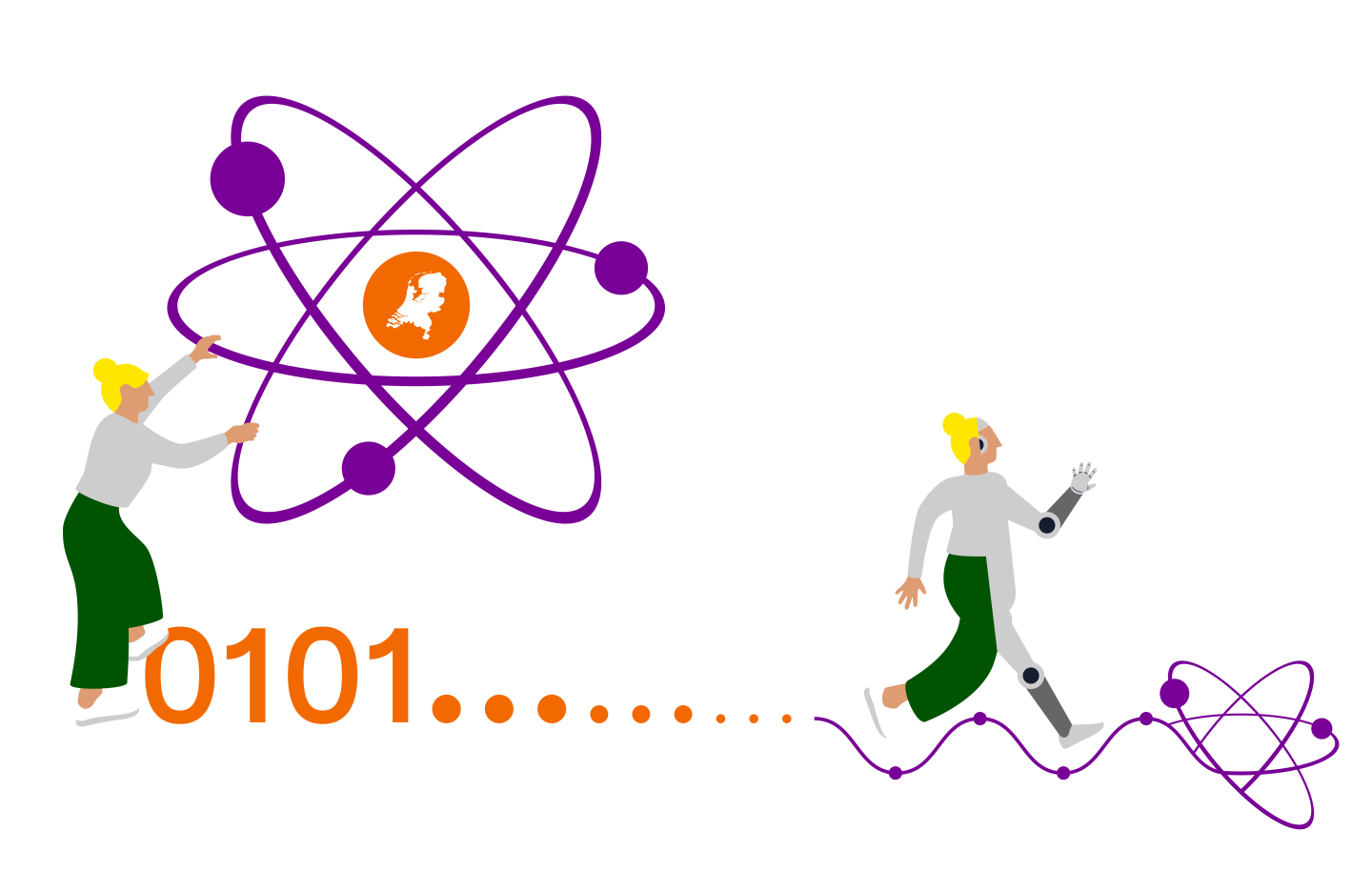
Did you know the Netherlands is among the global leaders in quantum research and innovation? According to Quantum Delta NL (2025)
Our ecosystem
In the Netherlands, a strong and connected ecosystem brings together research, industry, and government to accelerate quantum innovation. Through open collaboration and an inventive mindset, ideas move quickly from research to real-world application. This ensures that technological breakthroughs translate into solutions that benefit both industry and society.
By working together with international partners, we can unlock the full potential of quantum technology. None of us has all the answers, but together we can accelerate innovation, strengthen industries, and build a future that is healthier, more resilient, and more sustainable.
The Netherlands invites partners around the world to co-create this future, from advancing quantum computing and secure networks to developing next-generation sensing technologies.
Let’s shape the quantum future together


Learn how Quantum Delta NL is building the Dutch quantum ecosystem
HortiRoad2Japan
HortiRoad2Japan
HortiRoad2Japan
Text
Text
Text
Partners
Partners




Collaborative partners
Collaborative partners

Coordinated by
Coordinated by
Contact
Contact

Contact
Economic mission to Spain
Economic mission to Spain
Economic mission to Spain
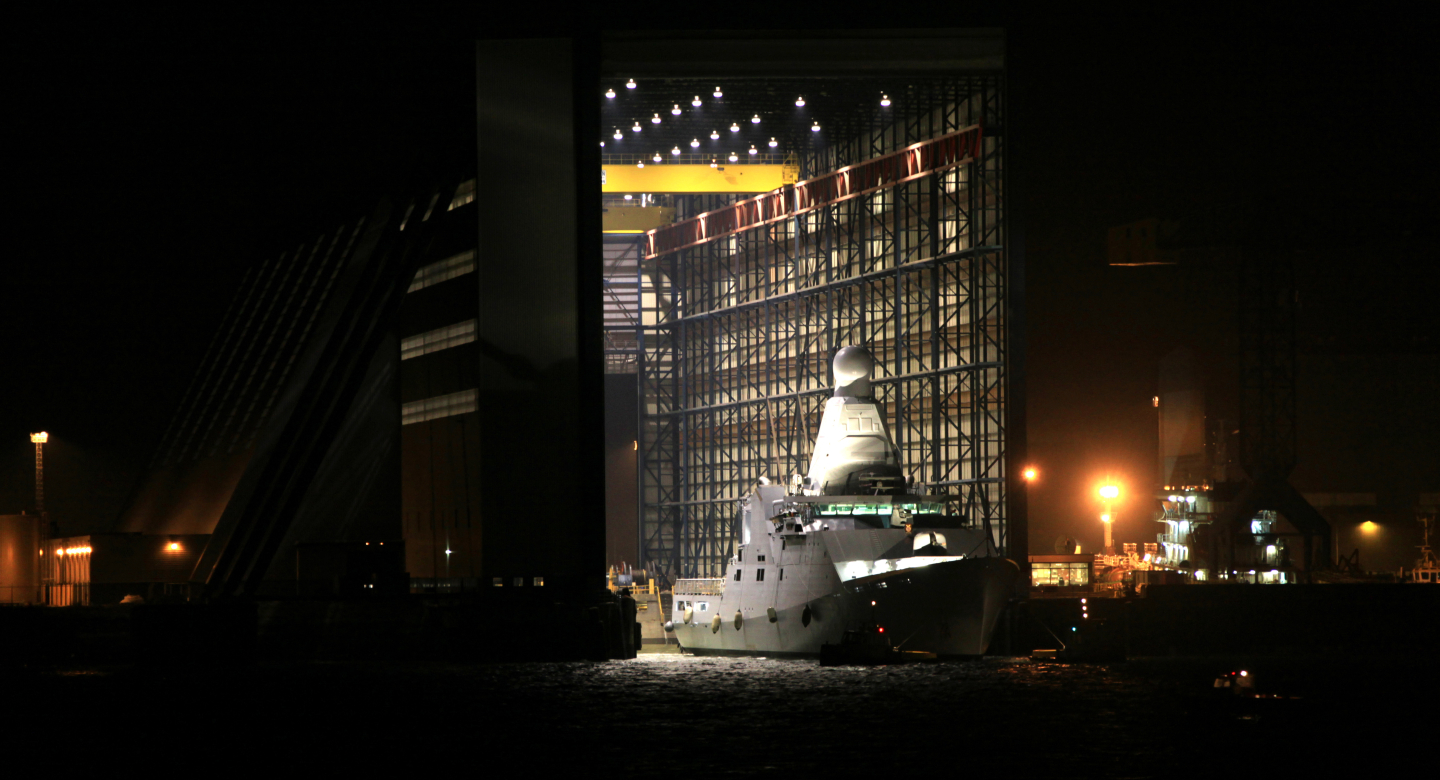
The Netherlands and Spain are both dynamic, outward-looking economies with a strong commitment to innovation, technological advancement and sustainable industrial development. As European partners, we share a collaborative approach to strengthening strategic industries: combining technological expertise with practical application, and fostering cooperation between government, business and knowledge institutions.
Spain’s strong position in aerospace, defence, and maritime industries aligns closely with the Netherlands’ strengths in high-tech systems, smart engineering, and integrated solutions. Both countries play an important role in European value chains and actively contribute to strengthening Europe’s technological resilience and strategic autonomy.
This economic mission brings together Dutch and Spanish partners to explore opportunities for collaboration in two key areas: aerospace & defence, and the maritime manufacturing industry. By connecting complementary ecosystems, we aim to accelerate innovation, enhance industrial capabilities, and contribute to a more resilient and future-proof Europe.
Strengthening high-tech industries together
For more information about this mission:
How the Dutch are taking regenerative agriculture to a new level
How the Dutch are taking regenerative agriculture to a new level
How the Dutch are taking regenerative agriculture to a new level
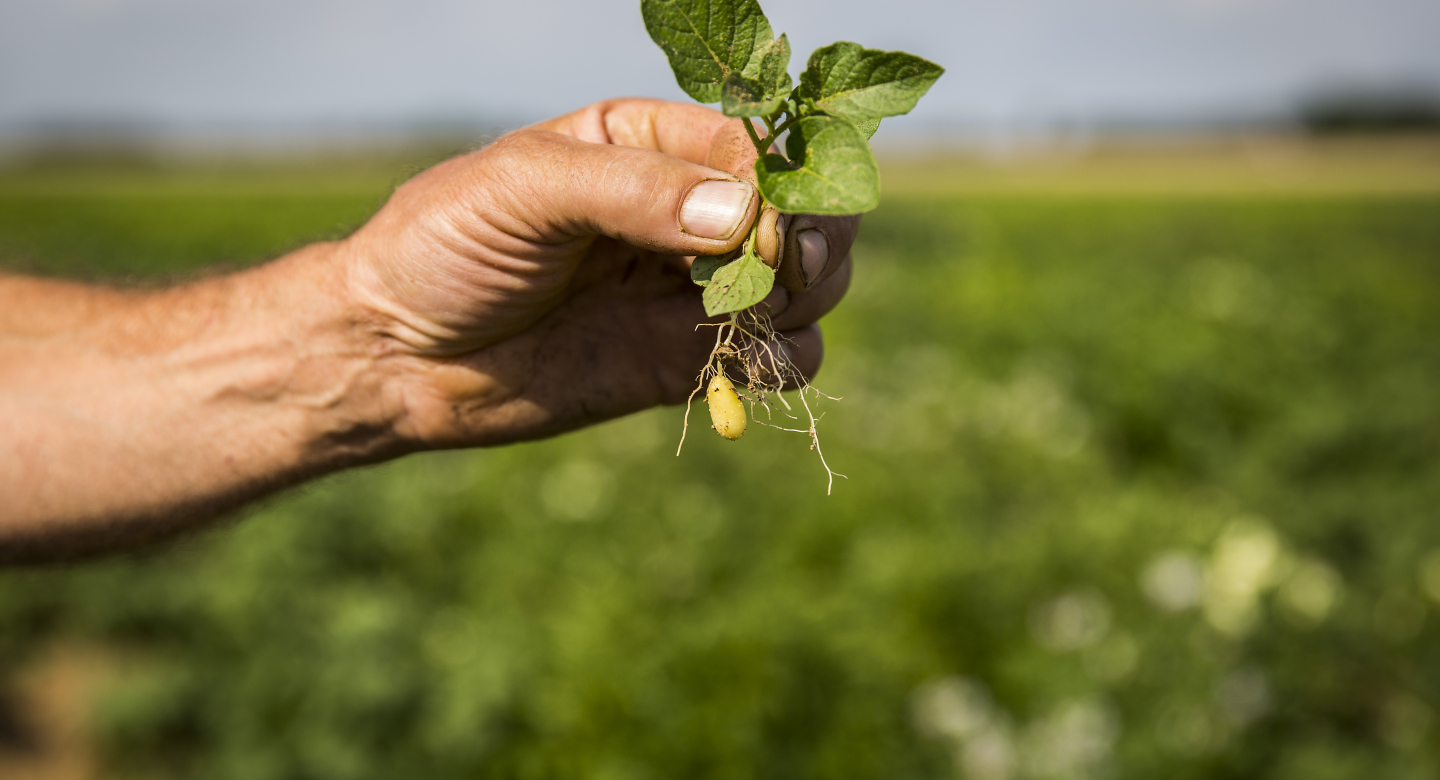
Around the world, agriculture is under pressure. Soils are degrading, weather patterns are becoming more extreme, and biodiversity continues to decline. At the same time, with a growing world population, the demand for food is only increasing. So, how do we produce enough food without exhausting the systems that sustain it? We sat down with Loekie Schreefel (Wageningen University & Research), Alex Datema and Gea Bakker (Rabobank), and farmer Anne van Leeuwen (‘t Gagel) to get their take on regenerative farming, a way of growing food that is drawing more interest lately, and that is seen as part of the solution.
As Alex Datema, Director Food & Agri at Rabobank, says: “In the Netherlands, basically every sustainability issue you can think of is at play.” Therefore, farmers, researchers, and companies are experimenting with how this approach can work in practice, and what it takes to make it viable at scale.
“We are in the midst of multiple crises, such as the climate crisis and the biodiversity crisis,” – Loekie Schreefel, Researcher Farming Systems Ecology at Wageningen University & Research (WUR).
One of the solutions to this sustainability challenge lies in regenerative agriculture. This is a holistic, nature-based approach to farming, focusing on strengthening the soil, increasing biodiversity, and maintaining natural processes. Its benefits go beyond just farming ecosystems and trickle into communities and economies, contributing to a long-term vision for resilient and future-proof food systems.
How it works in practice
How it works in practice
Anne van Leeuwen, a farmer at a 45-hectare farm called ‘t Gagel, works with regenerative practices on a daily basis. Having seen regenerative farming in Sweden and Spain, she emphasises that this approach is highly context-specific: “In every region we should ask ourselves, what is possible with this climate, this type of soil, and the space available? Because what works, differs.” She also sees regenerative agriculture as an ongoing learning process: “Ideally, there is an inclusive path that different types of farmers can follow and that creates harmony in the diversity of farmers and their practices.”
That flexibility, however, also comes with a risk. As Loekie Schreefel warns, the term regenerative agriculture can easily become diluted. “Anyone can currently call themselves ‘regenerative’ without an obligation to be accountable.” With countries using different definitions, developing clearer frameworks for monitoring is becoming increasingly important.
From a financial perspective, this lack of clarity also poses challenges. Gea Bakker, Sector Manager Food & Agri at Rabobank, says that “Without a uniform KPI system, the results of regenerative farming remain fragmented and subjective. For the bank, regenerative agriculture is not a standalone sustainability ambition, but part of a broader approach to support supply chain resilience and long term value creation.”
The Netherlands as a learning environment
The Netherlands as a learning environment
The Netherlands is becoming a learning environment in regenerative agriculture, and funds for testing and research are becoming increasingly available. Experimentation and innovation are part of the Dutch approach. Paired with the Netherlands’ interdisciplinary way of working, we’re known for our out-of-the-box thinking in developing innovative solutions.
“Precisely because we work with intensive cropping plans here, we can demonstrate how you can take steps within existing frameworks and business operations towards more regenerative agriculture,” – Alex Datema, Rabobank.
Lessons learned are finding their way to all types of farmers in the Netherlands, as they are actively looking for practices that improve their weakened soils. According to Bakker (Rabobank), that change almost always starts with the same foundation: “Awareness first; only then does perspective for action grow. And it always starts with the soil.” In arable farming, for example, Rabobank sees a clear increase in cover crops, as they enhance soil health, reduce erosion, and promote biodiversity.
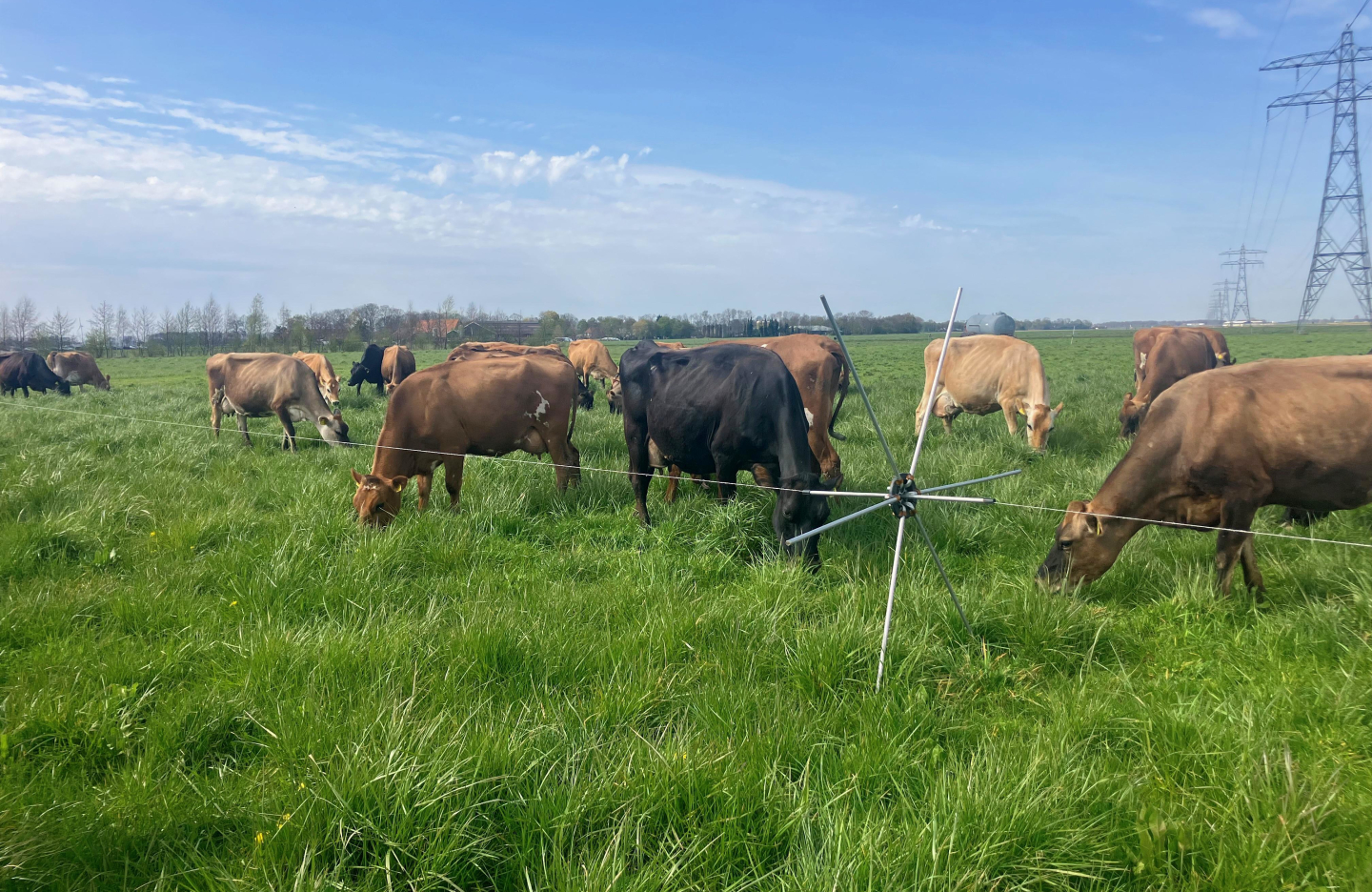
Attention is also shifting in livestock farming, Datema (Rabobank) adds: “For years, we focused on achieving the highest possible yield from grassland, and now you see increasing attention for the value that herb-rich grassland has.” This often means more vitamins and minerals for a healthier cow, providing a better taste to meat and milk. Herb-rich grassland also stimulates biodiversity and is more resilient against extreme weather conditions such as droughts and floods.
Opportunities and uncertainties
Opportunities and uncertainties
Despite the fact that regenerative farming brings advantages and proven solutions, it remains a relatively new way of farming that also brings uncertainties. The transition to regenerative agriculture requires courage. “The effects on soil quality and biodiversity are not always immediately visible; it takes time,” says Schreefel (WUR).
At the same time, “the extremes of too wet and too dry are becoming more prominent, so the urge to do something to alleviate the consequences increases,” adds van Leeuwen (‘t Gagel). Farmers do see partial solutions and long-term benefits in high soil quality and biodiversity and are therefore increasingly prepared to take steps towards regenerative farming.
According to van Leeuwen (‘t Gagel), key factors in the future success of regenerative farming are outcome-based thinking and the acknowledgement that the ownership of implementing regenerative practices has to be with the farmer. “This creates the space to be an entrepreneur and to experiment, using your own expertise to get the desired results. It brings back the joy in the work.”
Technology, data and knowledge sharing
Technology, data and knowledge sharing
While regenerative agriculture stands for farming in harmony with nature, it is also explicitly linked to innovative technologies and data, especially in the Netherlands.
Regenerative agriculture is not anti-technology. On the contrary, we need technology.” – Loekie Schreefel, WUR.
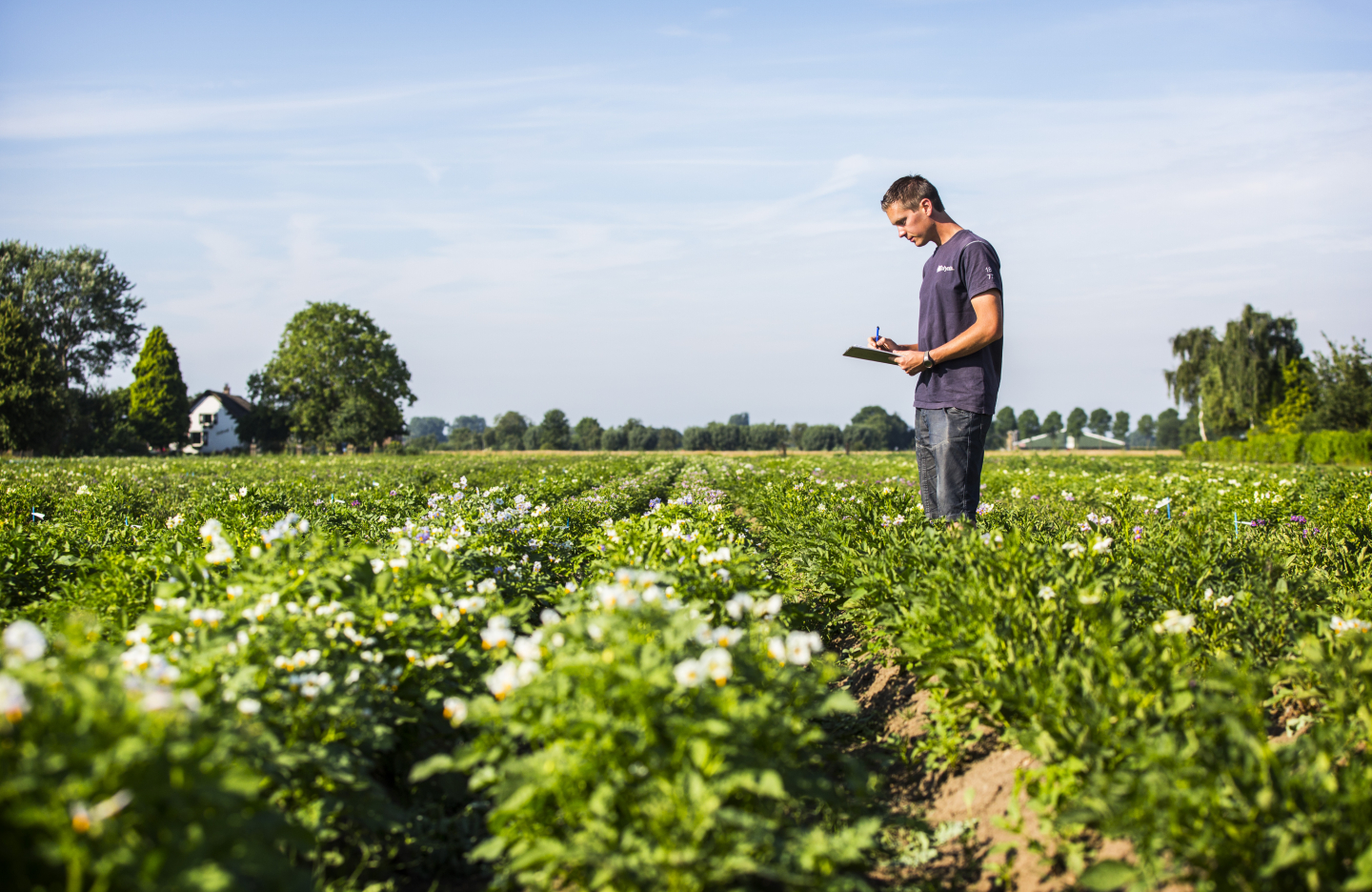
For Rabobank, measurability and monitoring the data of what is happening in the field are essential in order to develop sustainable business models and to share knowledge, also internationally. “If you really want to make an impact, you must be able to validate what you do with data,” explains Datema (Rabobank).
A shared responsibility across the value chain
A shared responsibility across the value chain
We all know that a sustainable food system only works if the entire chain participates and takes its share of responsibility. As Bakker (Rabobank) says, “You cannot place the transition towards regenerative agriculture solely on the farmer’s plate; the entire food chain must be involved.” The risks must also be shared: “You cannot shift the risks entirely onto the party at the beginning of the chain,” adds Datema (Rabobank).
Van Leeuwen (‘t Gagel) fully agrees, as her aim is to contribute to the social-ecological awareness amongst consumers. The ideal is a food culture that shifts the focus to community, enjoying good food, and awareness of the connections between humanity and nature. Ultimately, this is a win-win for everyone.
“We need to learn to eat differently, to focus on quality rather than quantity, and to appreciate where our food comes from.” - Anne van Leeuwen, ‘t Gagel
Collaborating in an international context
Collaborating in an international context
International collaboration and forward-thinking are at the core of the Dutch approach when it comes to innovation. This is also essential for Rabobank: “If you are active worldwide as a bank, it cannot be the case that you work according to a sustainability agenda in the Netherlands while the rest of the world is moving in the opposite direction. Food systems are globally connected,” states Datema (Rabobank). A key part of collaboration is knowledge exchange. “Projects that originate in the Netherlands and have proven to be a success are further developed internationally together with local partners for their specific context.”
“In the Netherlands, we may be one or two steps ahead on some themes compared to what is happening in the rest of the world, but on other themes we can learn a lot from other countries,” – Alex Datema, Rabobank.
Researchers at Wageningen University & Research often see international collaboration in their day-to-day work. As Schreefel (WUR) tells us, “there’s an extensive international network that we also learn from. If a project succeeds, other countries can learn from it, not only from what goes well, but especially from what goes wrong.” It is precisely this mutual learning that makes international collaboration so valuable.
Working together for a sustainable future
Working together for a sustainable future
Want to learn more? Stay tuned for our next article on regenerative agriculture, where we dive deeper into how the Netherlands works together with foreign partners.
Trade mission to South-East-Asia: Sustainable Horticulture
Trade mission to South-East-Asia
Trade mission to South-East-Asia
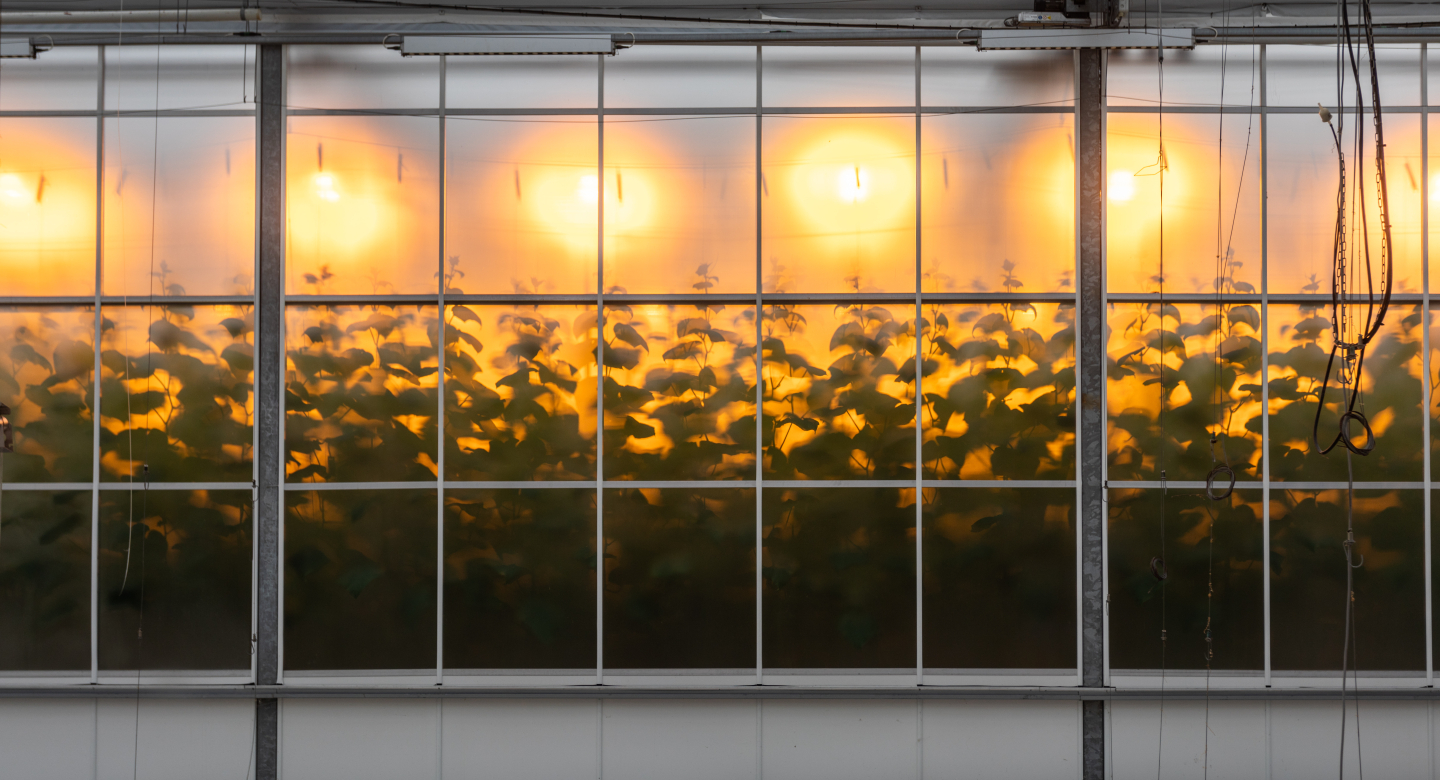
The ASEAN-5 region — Indonesia, Malaysia, Singapore, Thailand and Vietnam — offers major opportunities for Dutch horticulture and agrifood companies. With more than 500 million consumers, rapidly developing markets and strong regional trade connections, South-East Asia is an important gateway to wider Asian growth markets. Through the ASEAN-5 collaboration, the Dutch Ministry of Agriculture, Fisheries, Food Security and Nature, together with regional partners, supports Dutch companies in strengthening their position in the region and showcasing Dutch expertise in sustainable agriculture, climate and nature solutions.
This horticulture trade mission provides participants with valuable insights into the diverse ASEAN-5 markets, while recognizing the cultural, economic and political differences between the countries. At the same time, the mission emphasizes one key success factor shared across the region: the importance of building personal relationships and trust. Through company visits, networking opportunities and collaboration with local stakeholders, participants can explore new business opportunities, expand their regional network and establish a strong foundation for long-term cooperation in South-East Asia.
Read more about the Netherlands trade mission to South-East-Asia:
Organ-on-a-chip
Organ-on-a-Chip
Organ-on-a-Chip
From inventions like the microscope to today's advanced therapies and exceptional healthcare systems, the Netherlands has always been at the forefront of medical innovation technology. Meet MIMETAS, one of the leading companies at the Bioscience Park in Leiden - recreating human organ systems in miniature with cells in the chips of their OrganoPlate® platform.
Groundbreaking therapies.
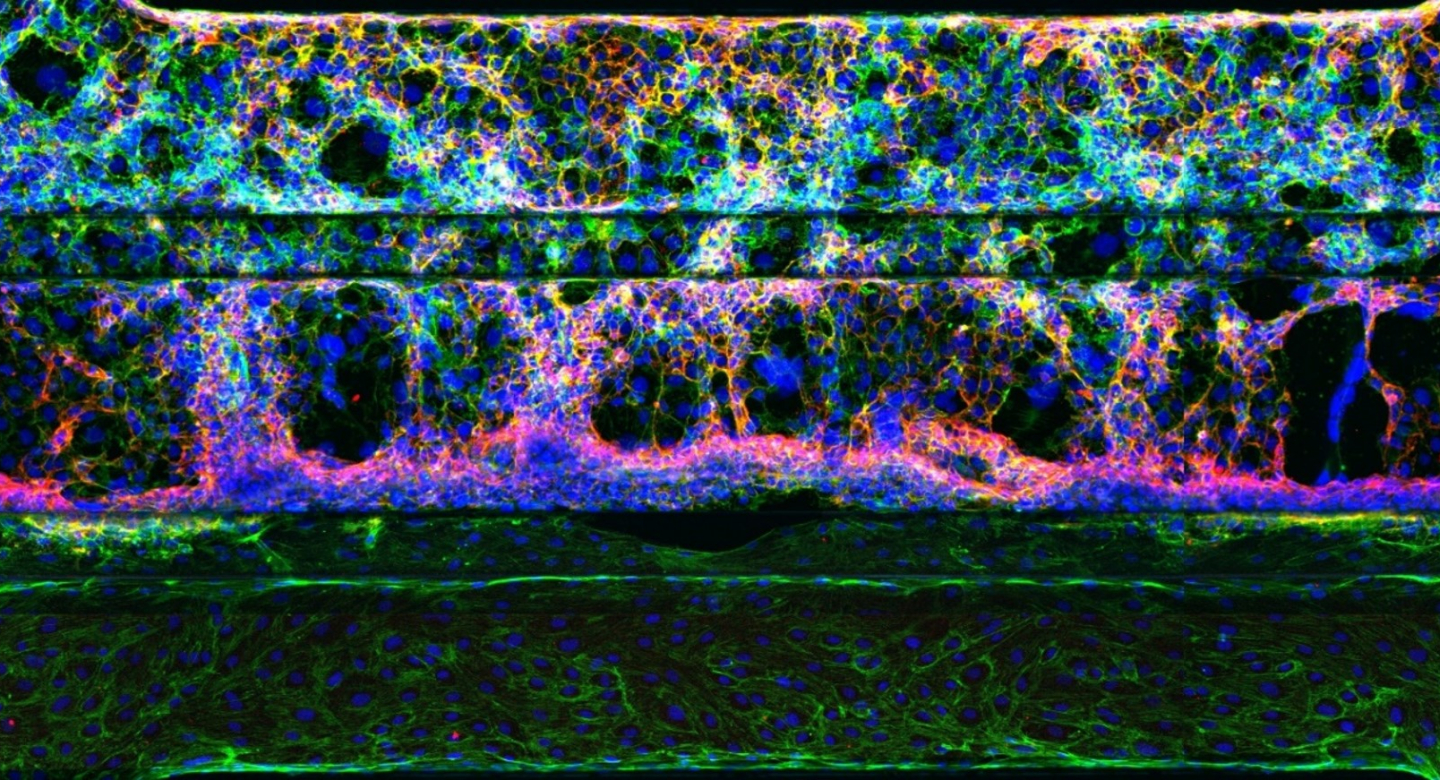
'Organ-on-a-chip' is the name of their latest advanced and sustainable technology: small living models of human organs – both in diseased and healthy states – that enable advanced drug development.
By creating organ-on-a-chip models, MIMETAS places drugs in a translatable environment to actual human biology. This model enables pharmaceutical researchers to discover much earlier in the drug development pipeline whether a medicine can be safe and successful in humans and decide whether to continue. It also results in less use of animal testing in research.
In the Biopartner 5 building on the Oegstgeest segment of the Bio Science Park, MIMETAS is hard at work developing three-dimensional (3D) human tissue and disease models to contribute to groundbreaking therapies. The team, led by Co-CEOs Dr. Jos Joore and Dr. Paul Vulto, along with 110 dedicated employees, meticulously constructs miniature human organ systems within the confines of their OrganoPlate platform. Carefully selected cells grow in a way that collectively forms tissues resembling organs found in the human body.
Strategic partnerships
Jos Joore thought the traditional way of finding medicines was cumbersome and expensive. In an interview in Leidsch Dagblad, Joore said: "Nineteen of the twenty drugs in development do not reach the finish line. The traditional medicine development model is bankrupt. We thought that there has to be a smarter way and are very fortunate that we started with this technology at the right time."
In July 2021, MIMETAS achieved a significant milestone by partnering with the Swiss pharmaceutical behemoth Roche. This partnership extends beyond typical collaborations. Together, they are actively searching for the most promising molecules for inflammatory bowel disease (IBD) and hepatitis B virus infections (HBV), seamlessly integrating the research and testing phases. More recently, in March 2023, MIMETAS announced another strategic partnership with global pharmaceutical company Astellas Pharma Inc. to devise novel immuno-oncology therapies based on MIMETAS' comprehensive tumour models.
Image
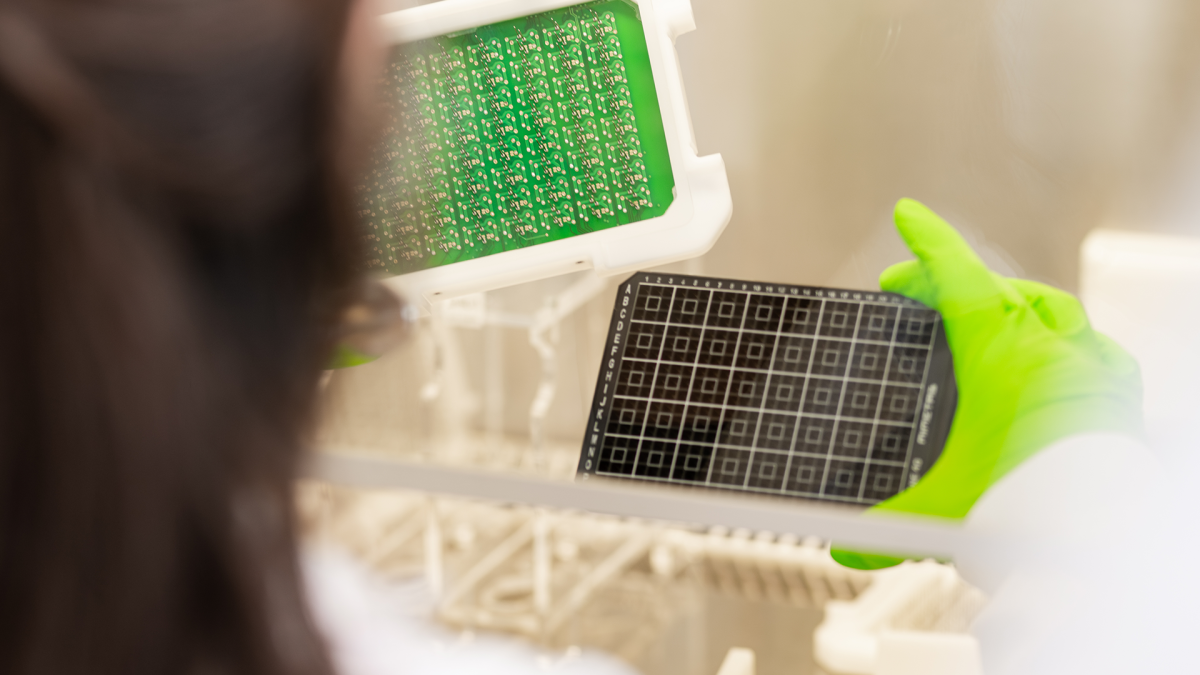
The world’s most advanced human tissue and disease models using MIMETAS' OrganoPlate® technology.
Image
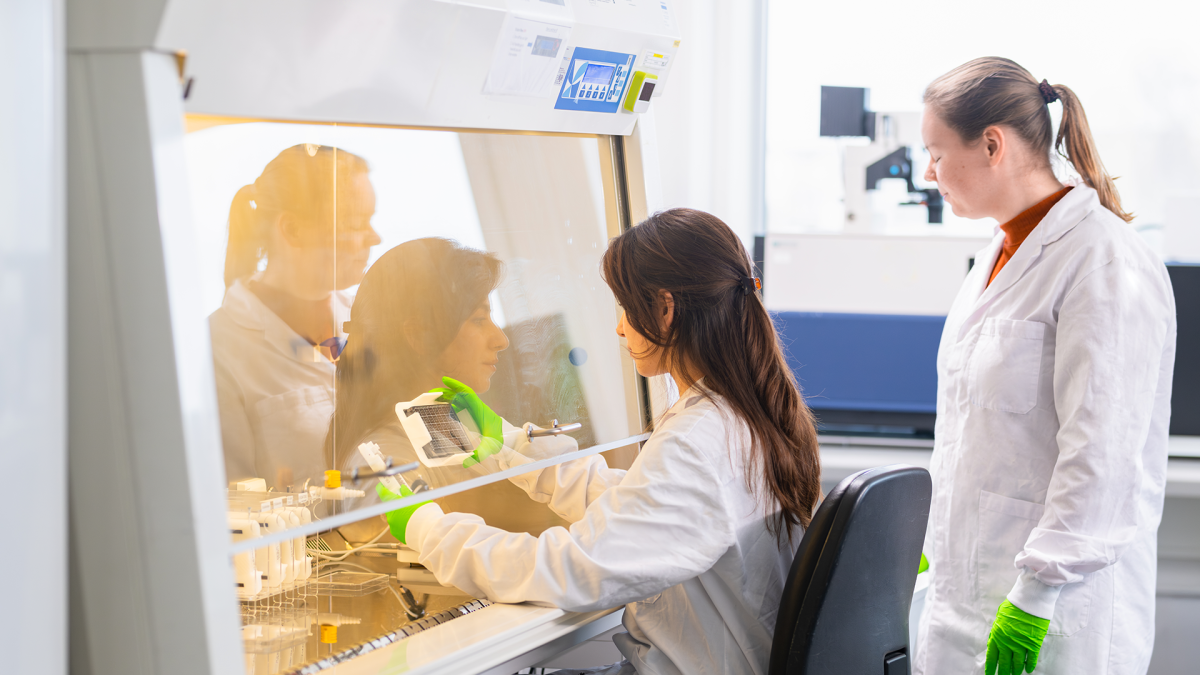
MIMETAS envisions a future where every new medicine is developed and tested using advanced 3D human tissue and disease models.
Learn more about organ-on-a-chip
Learn more about organ-on-a-chip
Discover more New Dutch stories


Does #newdutch spark an interest or a golden idea with you? We love hearing from you! You can email us at newdutch@nlbranding.nl.
Netherlands water mission to Colombia
Netherlands water mission to Colombia
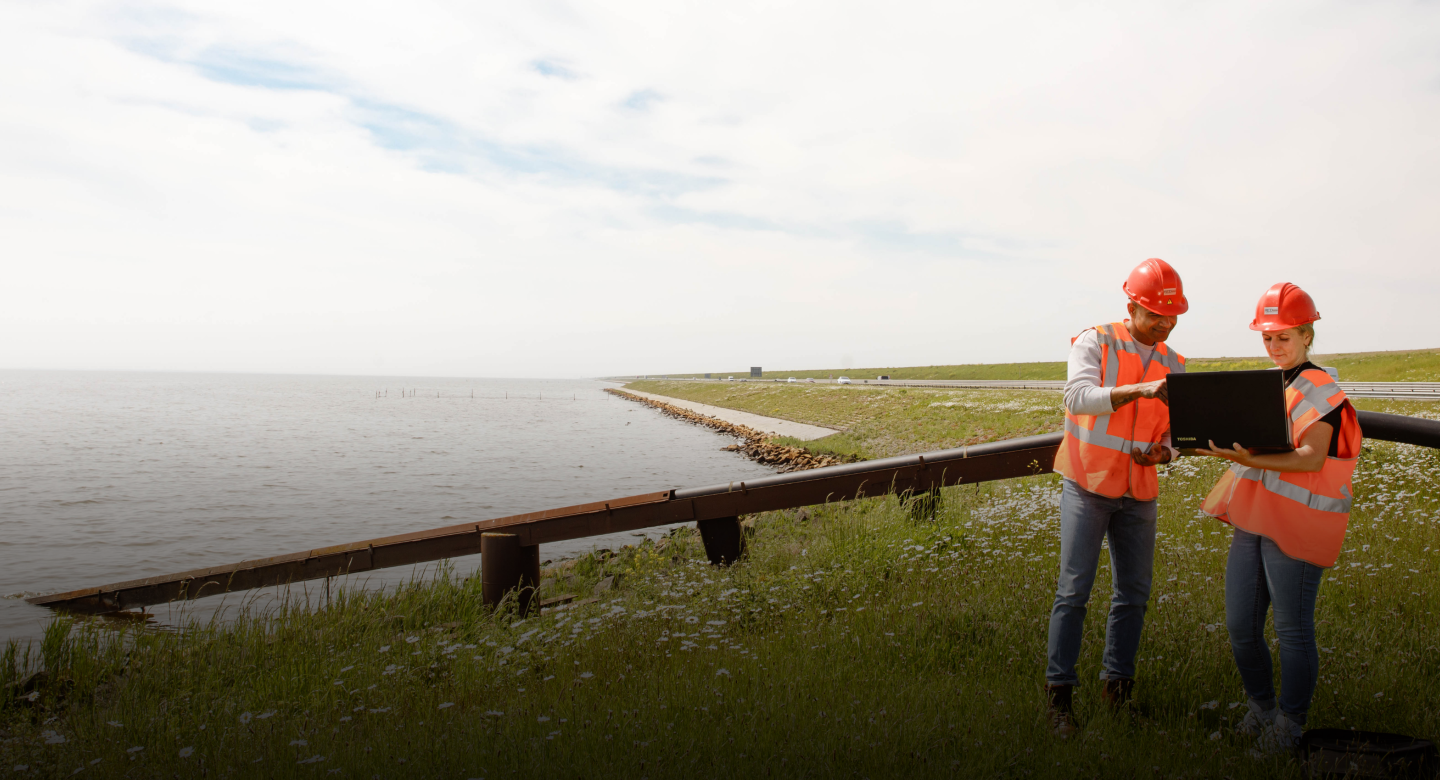
Netherlands water mission to Colombia
Colombia and the Netherlands share a growing partnership in water management, driven by a common ambition to address climate challenges and support resilient economic development. Both countries recognise the critical role of effective water systems in ensuring climate adaptation, environmental protection and inclusive growth.
Colombia is actively advancing its efforts to strengthen water resilience in the face of climate change, urbanisation and increasing pressure on natural resources. From flood risk management to water quality and availability, these challenges call for innovative and integrated solutions. This creates valuable opportunities for collaboration, knowledge exchange and investment.
Through the Netherlands water mission to Colombia, both countries build on their complementary strengths. By combining Colombia’s local expertise and ambitions with Dutch knowledge in water technology, delta management and climate adaptation, new pathways for sustainable water solutions can be unlocked.
This mission brings together a focused group of companies, knowledge institutions and government representatives within the water sector. Together, they explore concrete partnerships, share expertise and identify opportunities for long-term cooperation. Through joint ambition and practical collaboration, Colombian and Dutch partners can contribute to resilient and future-proof water systems.
Partnering for resilient water solutions
For more information about this mission: