
Building resilient cities from the ground
Building resilient cities from the ground up
Building resilient cities from the ground up
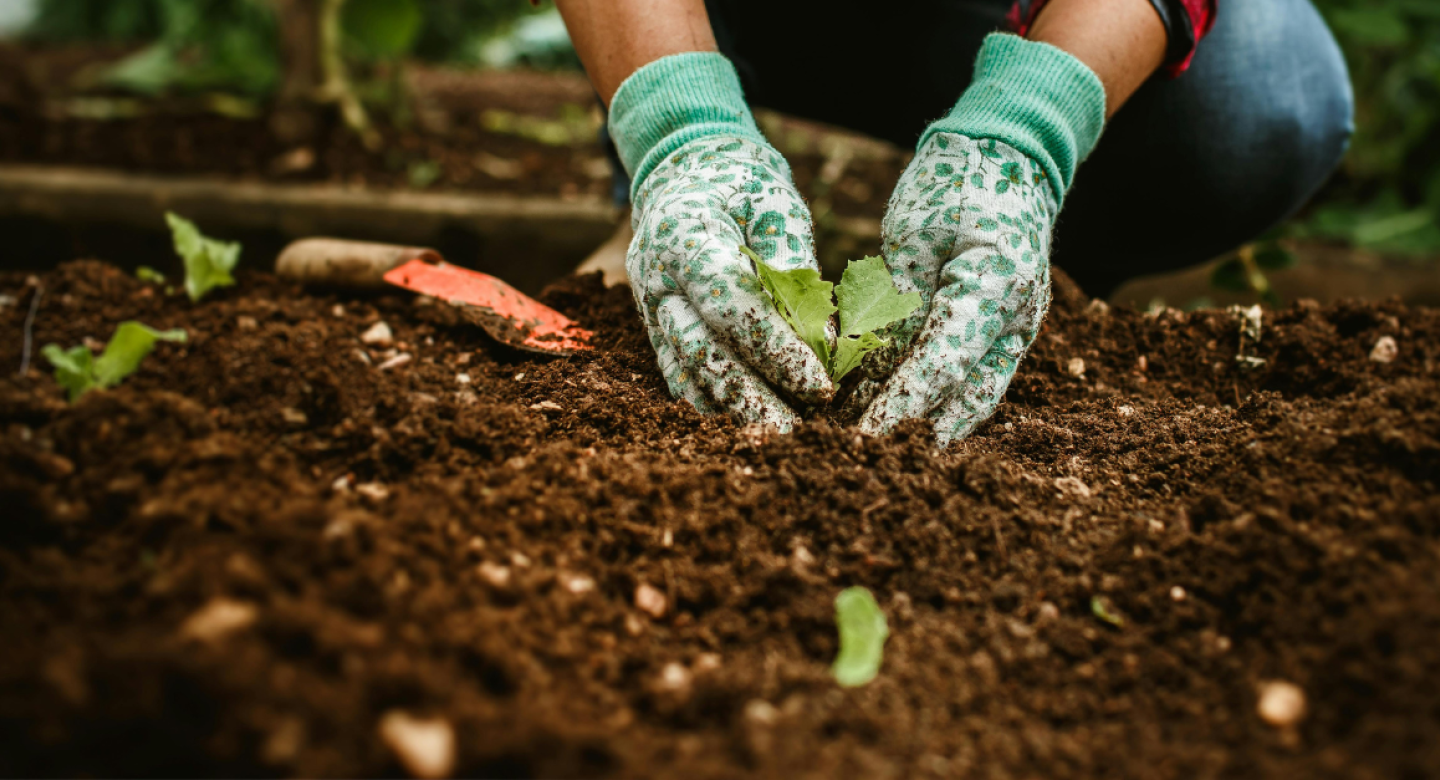
Life in cities depends on what happens underground. Health soil cools our streets, absorbs excess water, supports plants and trees, stores carbon, and filters pollution. But when soil is damaged, cities become hotter, wetter and less liveable. As urbanisation accelerates and soil sealing continues to spread, safeguarding urban soils is no longer optional, it is essential for climate resilience, biodiversity, and public health. That message takes centre stage this year on World Soil Day, a global moment to reflect on the role soil plays not only in agriculture, but also in ecosystem health, food security, and the future of our cities.
Dutch soil solutions around the world
The Netherlands has long understood that the quality of its soil underpins everything from flood protection to food production. Today, that experience is being translated into international action, from farmlands and deltas to fast-growing urban regions around the world.
From climate adaptation and water management to urban resilience and food security, Dutch soil solutions are being applied worldwide. Drawing on centuries of experience in living with water and working with complex soils, the Dutch approach combines cutting-edge research with practical, scalable solutions.
Through international partnerships, field projects, and knowledge exchange, Dutch experts are helping regions restore soil health, strengthen ecosystems, and build long-term resilience. One key driver of this global cooperation is the Dutch Agricultural Network, which connects researchers, policymakers, farmers, and urban planners across borders.
As the Dutch Agricultural Network, we work with partners, researchers, farmers and city planners to improve soil health through shared learning and practical solutions.
In Poland, a public-private soil improvement project shares Dutch expertise, runs field trials, and offers a Polish language e-learning module on soil structure, organic matter, pH and sustainable fertilization. Poland is now a leading example of applying regenerative principles that improve soil health and yields.
Thousands of kilometres east in Thailand, the Netherlands supports nature-based agriculture, together with Dutch agribusinesses and experts from Wageningen University & Research (WUR). Through hands-on work with farmers, we promote regenerative practices, crop improvement, and soil care training that support long-term food security.
Meanwhile across Nordic countries, WUR and Aarhus University organised an event that used footage from Planet Soil to show citizens what happens beneath their feet and why soil matters. This helped spark public understanding and engagement with soil health.
In Serbia, we contributed to the Greening the City project in Belgrade, offering expertise to integrate green spaces into major development plans. The WUR Lighthouse farm LoginEKO shows how regenerative and organic agriculture can restore soil and biodiversity at scale.
Across West Africa, we support programmes that restore soil fertility, such as Soil Values, and promote partnerships with organisations like Safisana. We also raise awareness among policymakers and the public through activities including screenings of Planet Soil.
From innovation to everyday impact
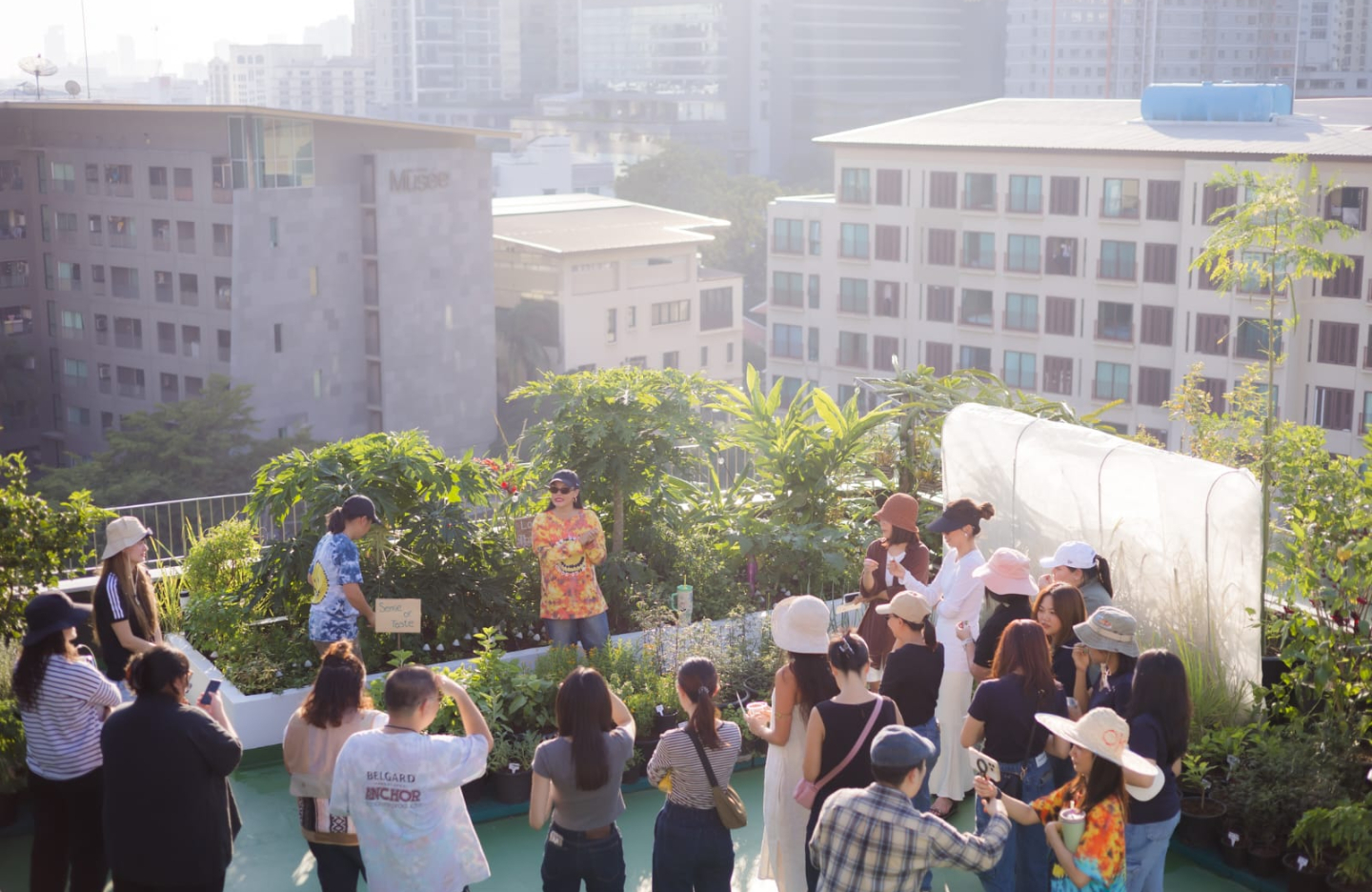
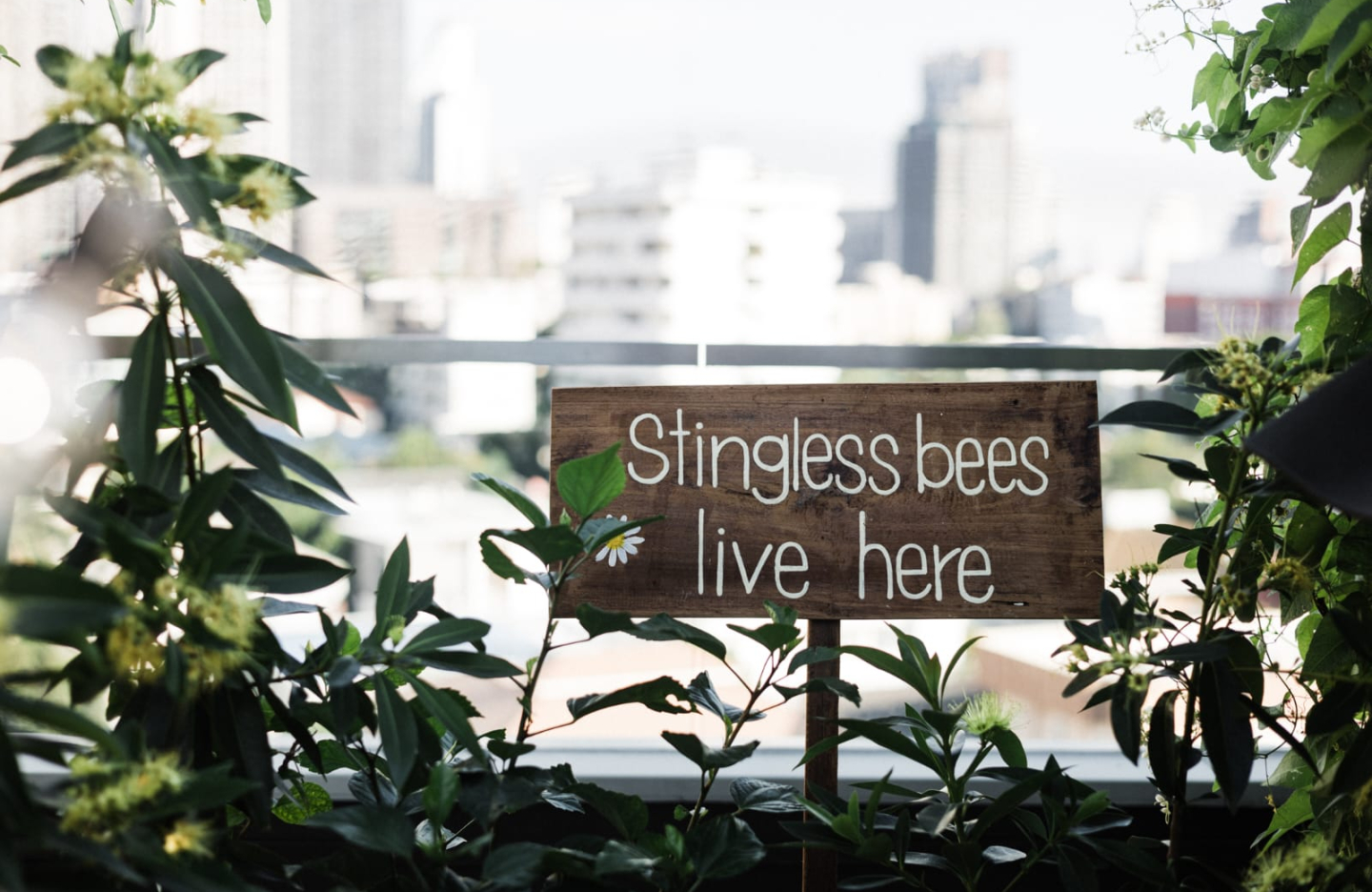
High above the streets of Bangkok, rooftop farms are transforming food waste into rich compost that restores depleted soils and feeds fresh produce back into the city. What began as a small-scale solution has become a powerful circular model for urban areas around the world, showing how waste can become the foundation for renewal.
Closer to home, the Green Denmark agreement brings together farmers, nature organisations, government, and citizens to improve water quality, biodiversity, and soil health. The collaborative approach shows how shared responsibility can tackle complex food system challenges.
In Ghana, farmers rely on simple, locally applied methods, proving that improving soil health does not always require expensive technology. In North America, Dutch partners support collaborative research, advanced soil measurement technologies, regenerative farming, and climate-smart grazing demonstrate, straightforward practices that rebuild soil quickly while strengthening farm resilience.
Healthy soils for healthy cities
Healthy cities begin with healthy soil. It cools our streets, supports green spaces, absorbs rainfall, filters pollution, and enables food production in and around urban areas. As climate risks intensify and cities continue to grow, soil is emerging as one of the most powerful, and yet overlooked, tools for urban resilience.
From rooftop gardens to regenerative farms and green infrastructure projects, Dutch expertise shows that living soils are not just an environmental asset, they are the foundation of resilient, liveable cities worldwide.
On this World Soil Day, and beyond, the message is clear: protecting soil is not only about what we grow, it’s about how we live.
Trade mission to the United Kingdom
Trade mission to the United Kingdom
Trade mission to the United Kingdom
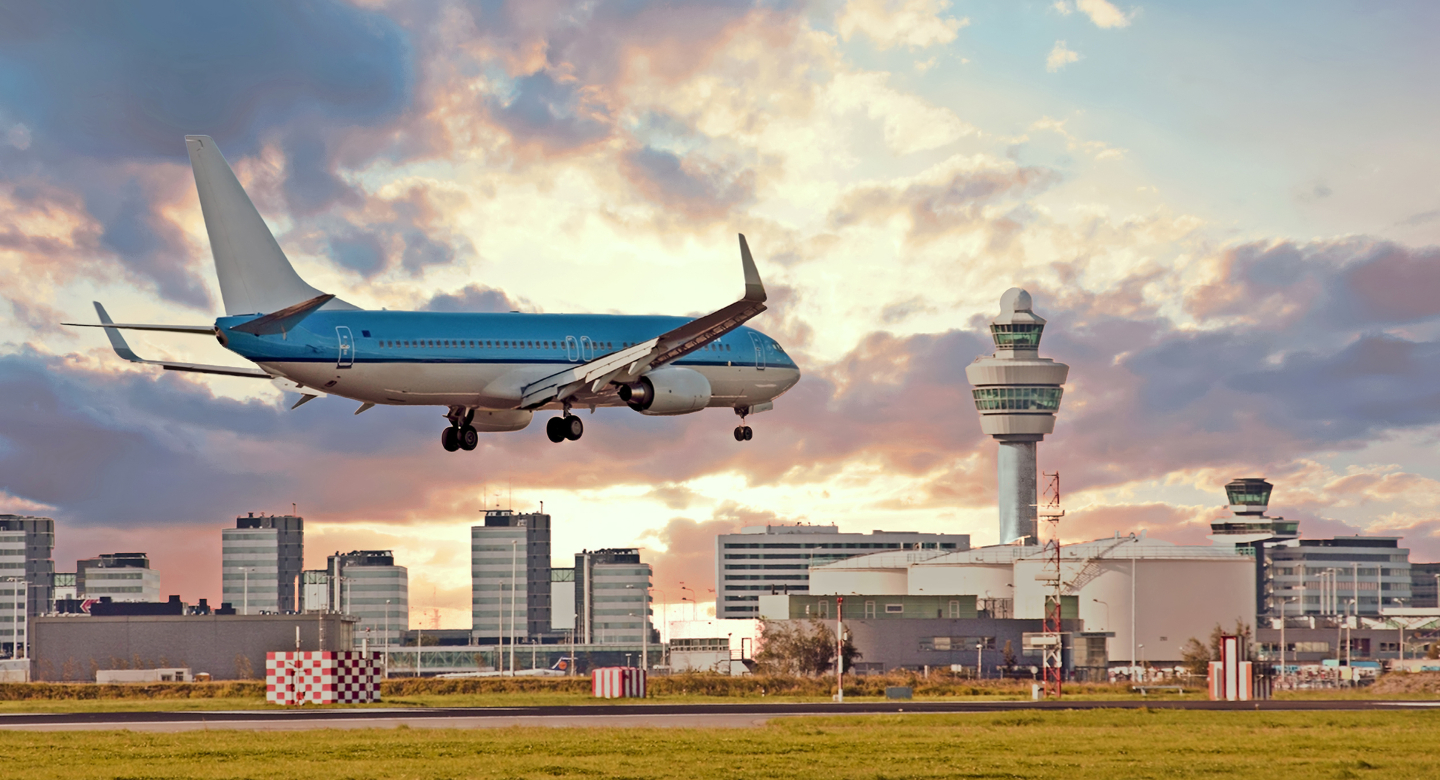
The United Kingdom and the Netherlands are natural partners in aviation innovation. By working together, we can accelerate the transition to sustainable aviation and help shape a low-carbon future for the global aerospace sector.
This economic mission brings together Dutch and British companies, start-ups, scale-ups, and knowledge institutions across the aviation value chain. From sustainable aircraft manufacturing and maintenance to innovative propulsion systems (electric, hybrid, and hydrogen) and green fuels, the programme creates opportunities to collaborate, innovate, and scale solutions.
Curious to learn more and see who’s taking part? Click below to open the mission booklet and discover how this partnership is driving the next generation of sustainable aviation.
Elevating sustainable aviation together
.
For more information about this mission:
Waterproof: Global stories of water resilience
Waterproof: Global stories of water resilience
Waterproof: Global stories of water resilience
Water shapes our world. From the food we grow to the cities we live in. Yet rising sea levels, droughts, flooding, pollution and water scarcity are putting increasing pressure on communities across the globe. How can we respond to these challenges in a way that is sustainable, inclusive and future-proof?
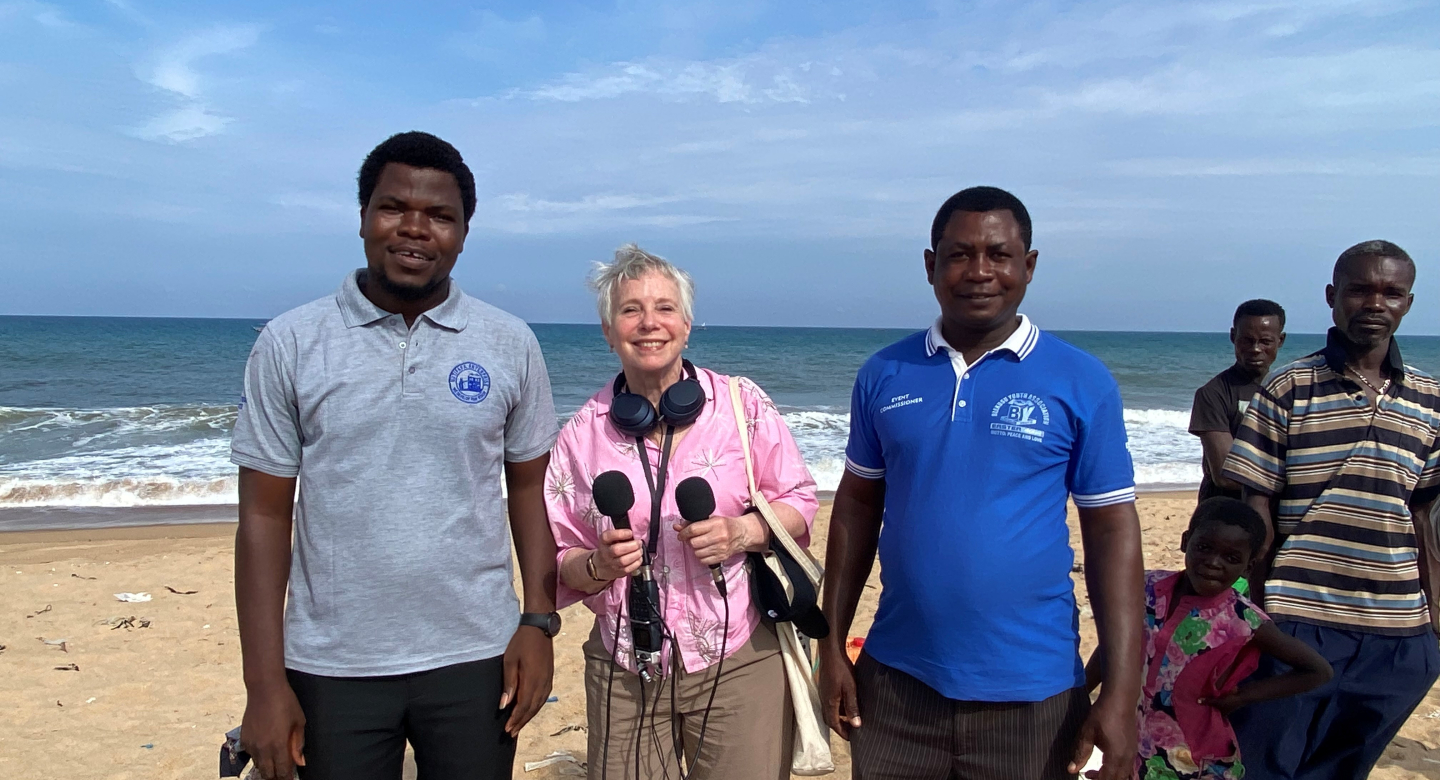
In the podcast series Waterproof, Partners for Water explores these urgent questions through conversations with water experts, researchers, policymakers and local changemakers from around the world. Hosted by journalist and water expert Tracy Metz, the series offers a thoughtful and engaging look at how innovative water solutions are being developed, and what we can learn from them.
Stories from the frontlines of water resilience
Each episode of Waterproof focuses on a different theme within the global water landscape. Listeners are taken on a journey from coastal regions and river deltas to urban environments and rural farmlands, where water challenges are deeply connected to climate change, biodiversity, food security and social equity.
Rather than offering abstract theory, the podcast highlights real-world experiences and practical solutions. Topics include nature-based approaches to water management, dealing with salinisation in agriculture, maintaining water infrastructure, the role of local communities, and the importance of indigenous knowledge alongside scientific expertise.
What makes Waterproof stand out is its emphasis on collaboration, showing how partnerships between governments, local organisations, businesses and communities are essential for creating lasting impact.
Why listen to Waterproof?
- Insightful conversations with international water professionals and innovators
- Global perspectives combined with local stories
- Clear explanations of complex water and climate issues
- Inspiration for anyone working in, or interested in, water, sustainability and climate adaptation
Whether you are a water professional, policymaker, student or simply curious about how water connects us all, Waterproof offers valuable insights and fresh perspectives on one of the most critical challenges of our time.
Discover and listen to all episodes of the Waterproof podcast series here:
https://partnersforwater.nl/news/waterproof-podcast/

BIOFACH 2026
BIOFACH 2026
BIOFACH 2026
Together, we can shape a more organic future. To face global food challenges, our food systems must become sustainable, resilient, and practical. Organic farming offers an important way forward. It supports biodiversity, protects soil health, cares for animals, and strengthens ecosystems.
At the same time, organic food must also work in daily practice. That is why this year’s programme focuses on the organic business case. Many organisations see the value of organic food, but costs, higher prices, and availability can slow progress. With this programme, we explore solutions, share best practices, and show how organisations can make organic choices clearer and more effective.
The Netherlands and Germany share similar ambitions. Both countries invest in organic farming, from new markets and business models to more organic options in supermarkets, healthcare, and public spaces. By learning from each other and working together, we can improve availability, grow demand, and build a stronger organic market.
At BIOFACH 2026, we highlight connection, cooperation, and shared learning. Join us to discover how we can co-create practical, sustainable solutions for a future-proof organic food system.
Shaping an organic future together!
.
Learn more about the Netherlands’ presence at BIOFACH 2026:
Economic mission to South Korea
Economic mission to South Korea
Economic mission to South Korea
The Republic of Korea and the Netherlands are both advanced, outward-looking economies with a strong focus on innovation, technology and sustainable growth. As highly developed knowledge economies, we share a pragmatic approach to innovation: combining research excellence with real-world applications. Both countries value long-term collaboration between government, business and knowledge institutions as a driver of economic and societal progress.
This economic mission brings together partners from both countries to explore collaboration in two key sectors: horticulture and semiconductors. By connecting complementary expertise, we aim to contribute to resilient food systems, digital transformation and sustainable economic growth, together.
By deepening collaboration in horticulture and semiconductors, this mission contributes to sustainable growth, technological leadership and resilient systems, benefiting both countries and the global economy.
Advancing horticulture and semiconductor solutions together
-
Read more about the Netherlands economic mission to South Korea:
GreenTech Amsterdam
GreenTech Amsterdam
GreenTech Amsterdam
GreenTech 2026 is coming to Amsterdam!
From 9–11 June, discover the future of horticulture!
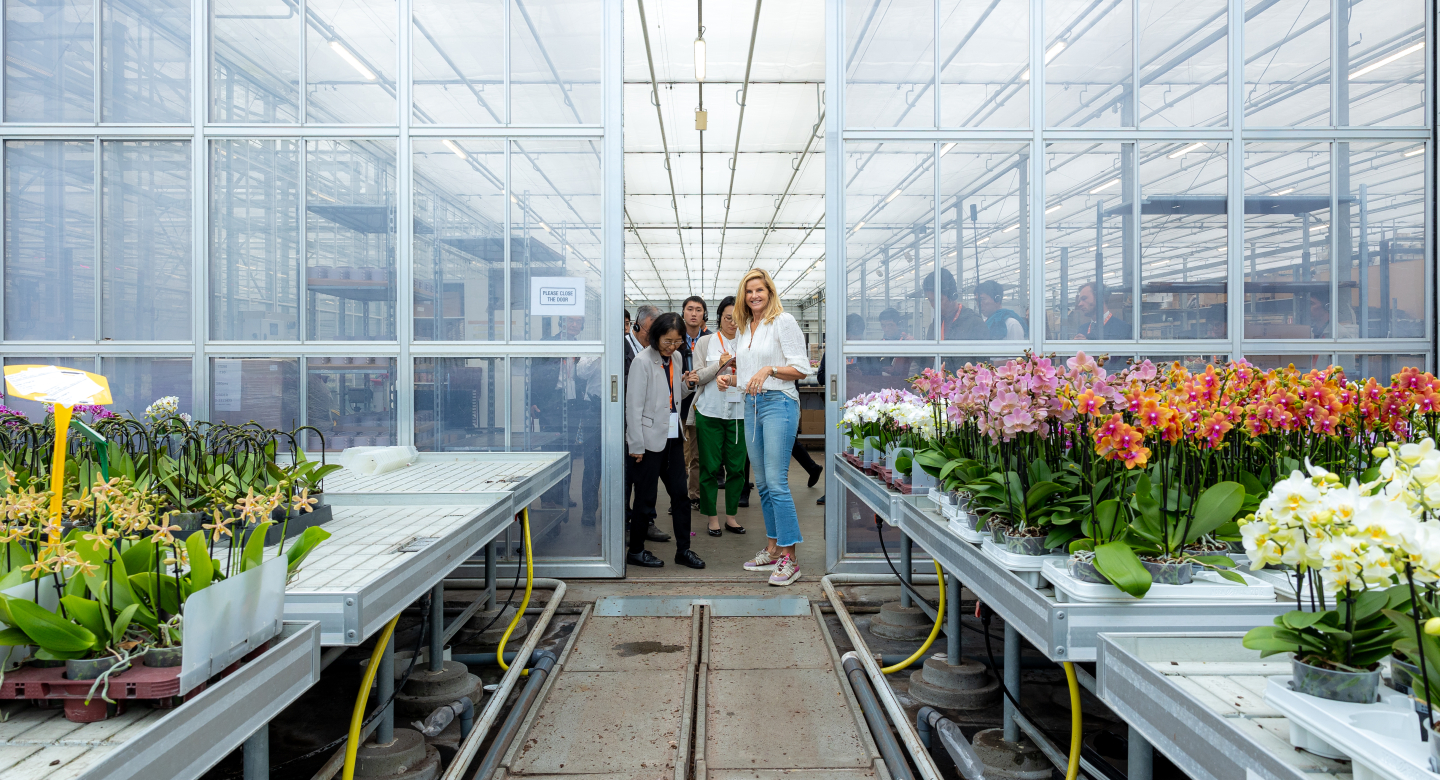
GreenTech is coming to Amsterdam, the Netherlands. This international event is the place to see the latest innovations in horticulture and sustainable technology.
Visitors can explore new products, attend inspiring talks, and connect with experts from around the world.
Whether you are a professional, a student, or just curious about green technology, GreenTech 2026 has something for everyone.
Don’t miss this chance to experience the future of horticulture. Plan your visit and join us in Amsterdam!
.
Curious about the programme at the NL Lounge at GreenTech?
Curious about the programme at the NL Lounge at GreenTech?
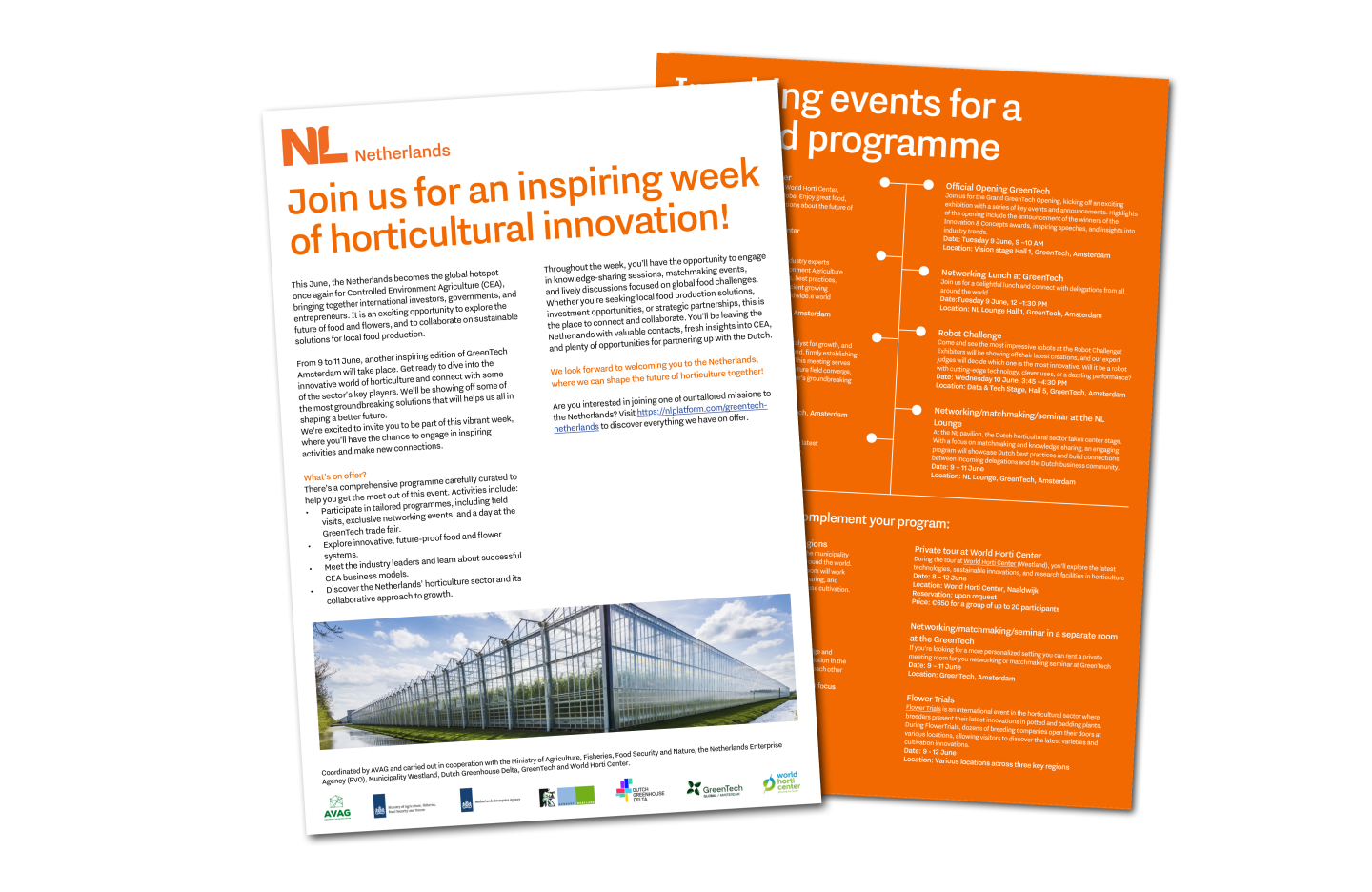
Download our guide to see all events and highlights during the week!
Download our two-page programme guide to see all events and highlights!
Let's get in touch!
Let's get in touch!
Trade mission to the RSAC 2026
Trade mission to the RSAC 2026

Trade mission to the RSAC 2026
The world is more interconnected than ever before. Our daily lives are increasingly digital, with personal data stored on devices and in the cloud, and the products that we use (and their production processes) becoming more and more interconnected. Alongside these developments, cyber threats, such as phishing, ransomware, and malware attacks, are becoming increasingly prevalent. In response, cybersecurity has become critical in safeguarding our data, protecting critical processes, and supporting a resilient global economy. In the Netherlands, cybersecurity is a top priority, and we are dedicated to accelerating digital resilience, reducing cybercrime, and ensuring a safe digital environment.
The diplomatic relations the USA and the Netherlands share is among the oldest continuous bilateral relationships in the United States. More than just long-time allies, the Netherlands and the USA share a rich history of collaboration on digital innovation. This mission offers business opportunities for companies innovating in the field of cybersecurity. The Netherlands knows how vital cybersecurity is to meeting demands of the present and future. From the 22nd to the 27th of March, we will come together to exchange knowledge and new business opportunities.
Innovating for a more cyber-secure world
Past events
RSAC 2026 Conference
The RSAC Conference 2026 in San Francisco is one of the world’s premier cybersecurity events, bringing together global experts, innovators, and leaders to explore emerging threats, technologies, and best practices. The conference features keynotes, interactive sessions, and an extensive exhibition, offering opportunities to showcase solutions, exchange knowledge, and strengthen international collaboration. Dutch cybersecurity companies will participate to highlight their expertise, engage with global partners, and explore transatlantic opportunities in securing critical infrastructure, digital systems, and enterprise environments.