Hydrogen guide
Hydrogen guide
Hydrogen guide
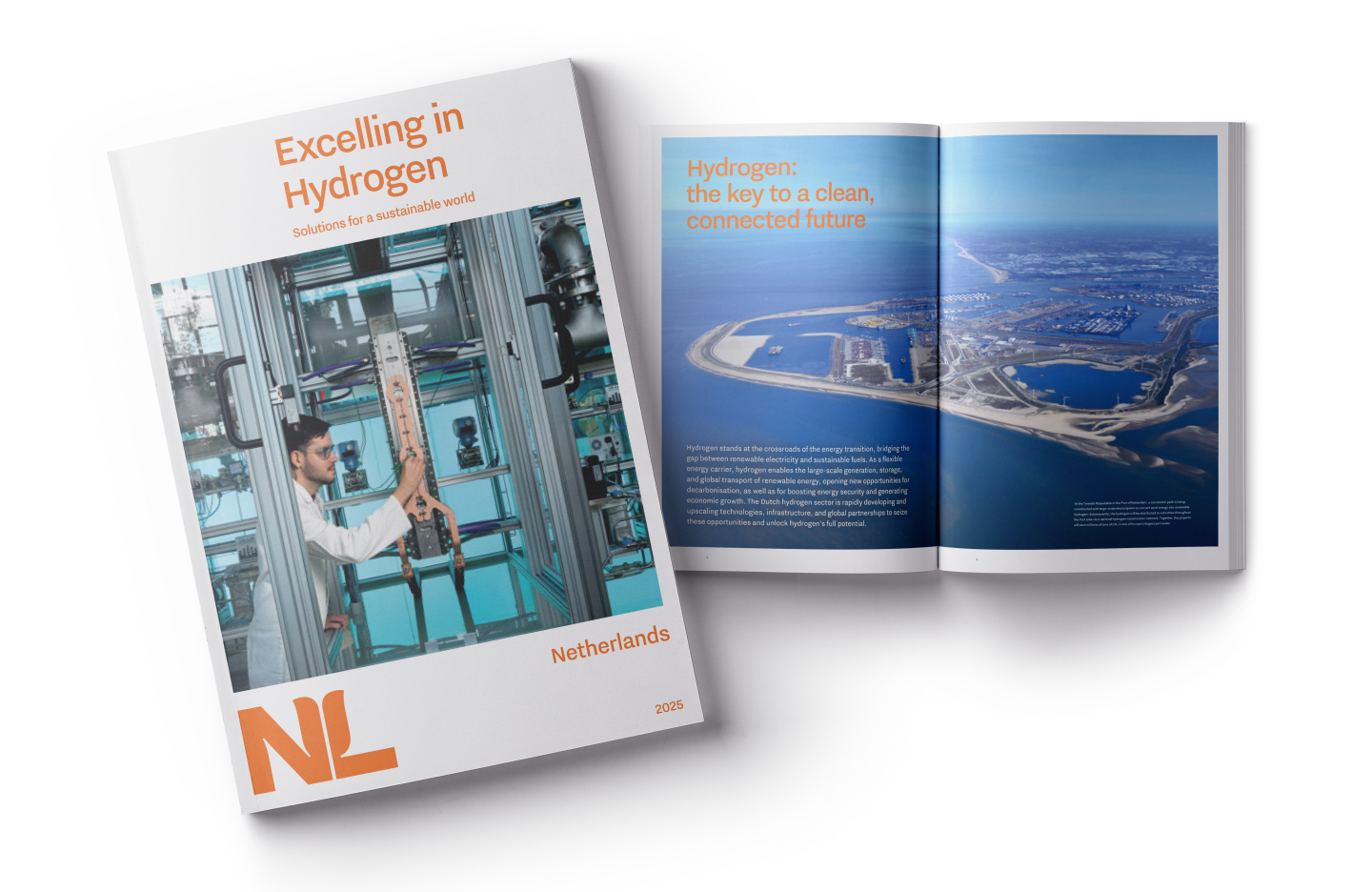
Download the latest hydrogen guide, which highlights innovative solutions from the Dutch hydrogen sector and features ambitious Dutch companies and flagship projects ready to drive the European and global hydrogen market forward.
Curious about Dutch hydrogen companies?
Curious about Dutch hydrogen companies?
Or
Or
Offshore wind guide
Offshore wind guide
Offshore wind guide
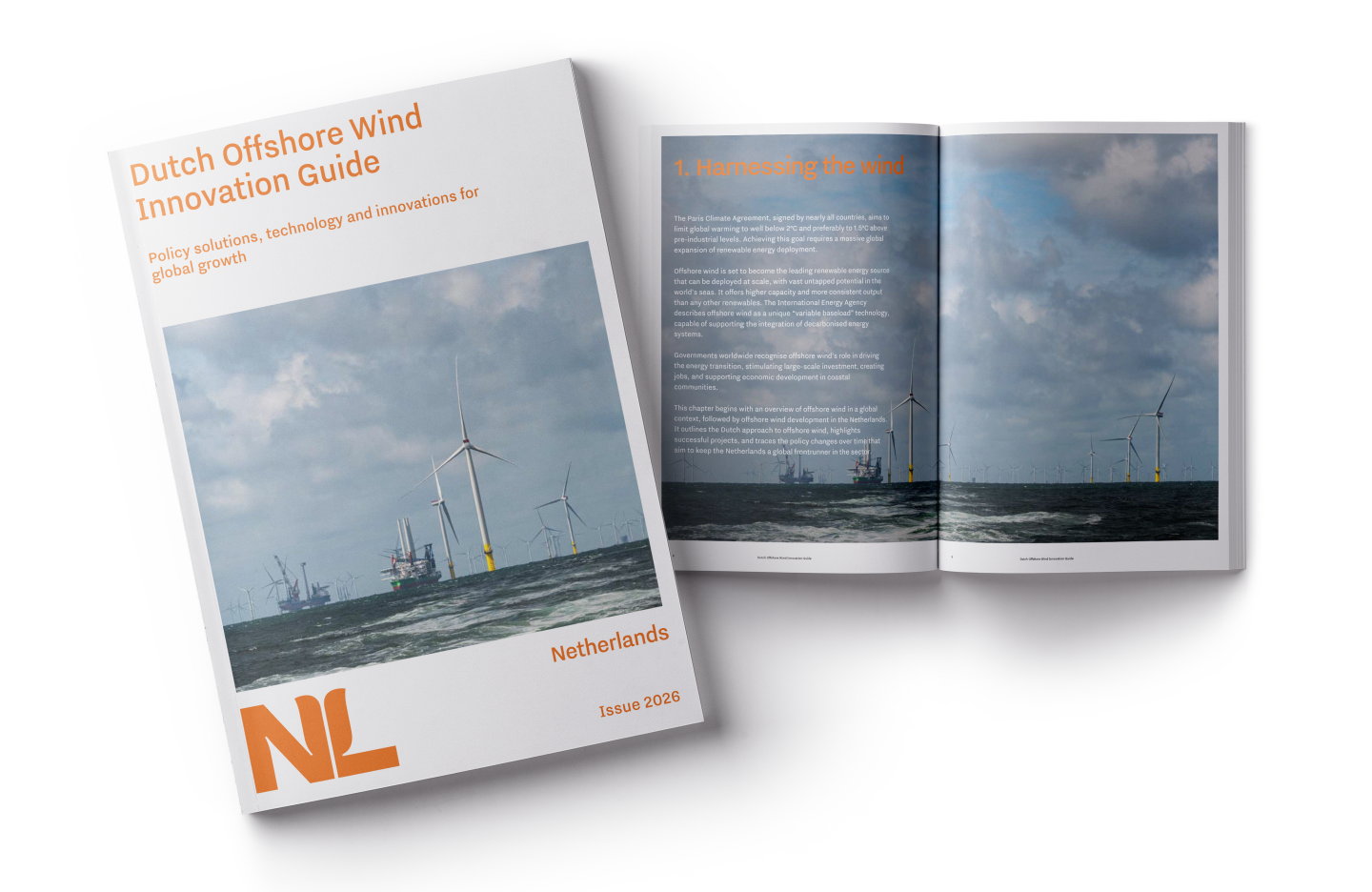
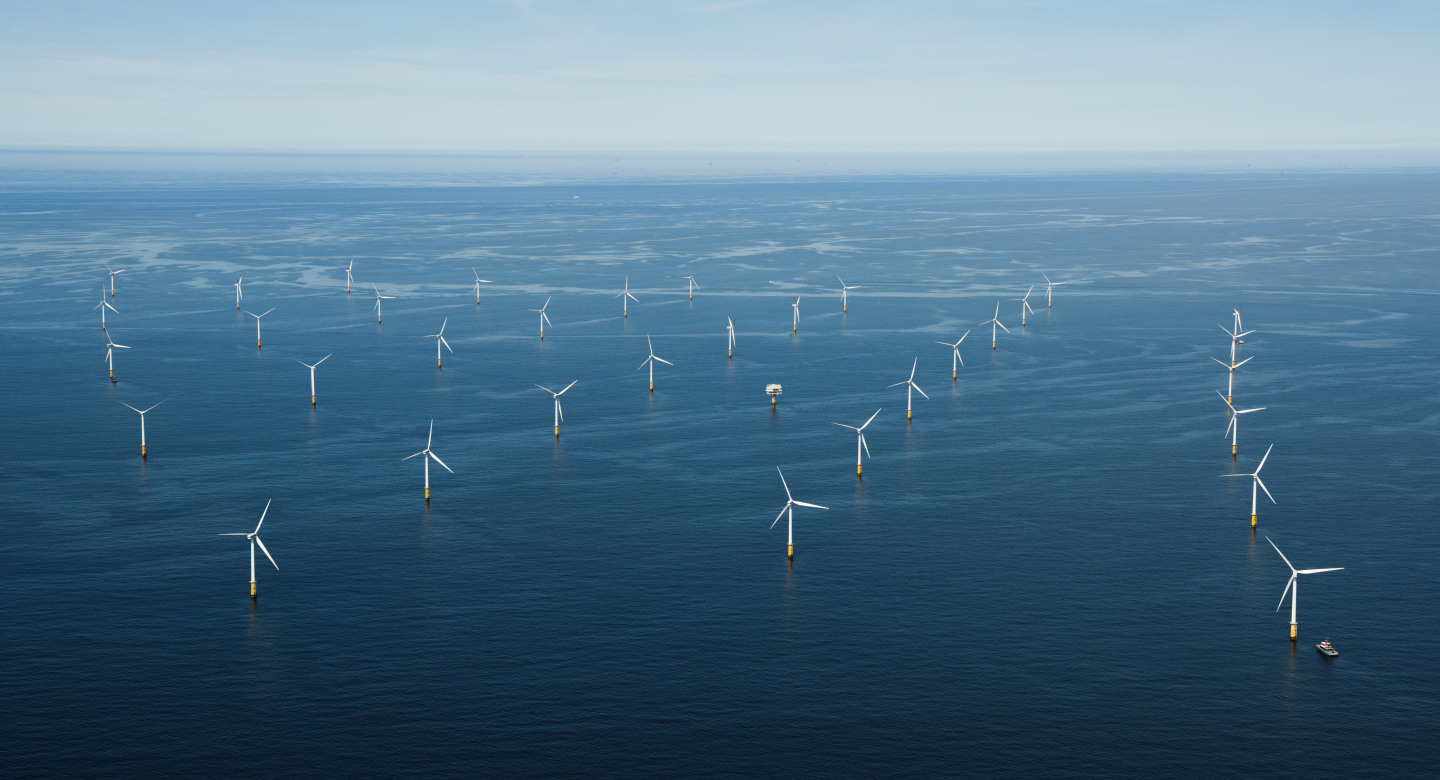
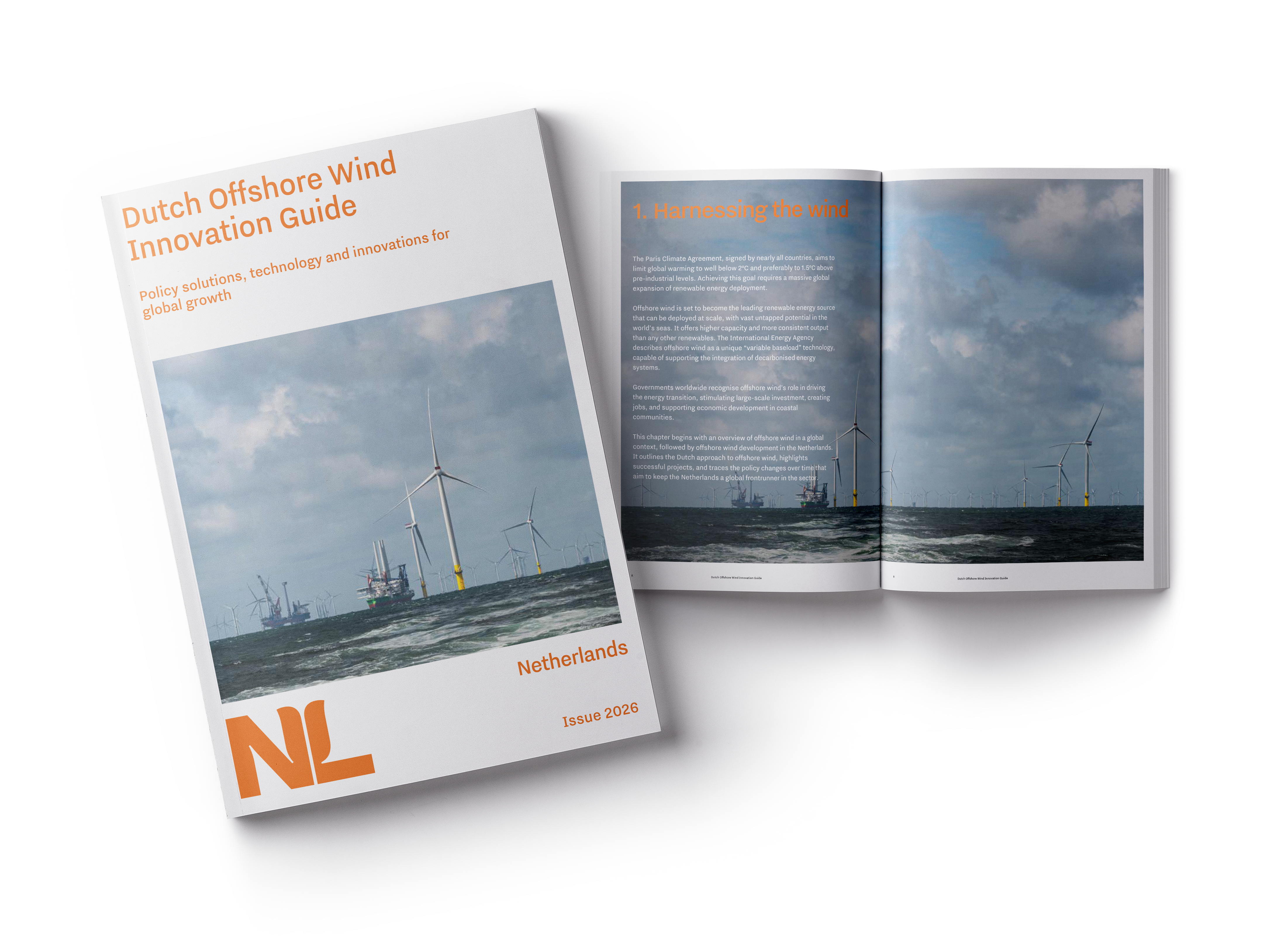
Download the Dutch Offshore Wind Innovation Guide 2026, which highlights innovative solutions from the Dutch offshore wind sector and features ambitious Dutch companies and flagship projects ready to drive the European and global offshore wind market forward.
New Dutch campaign article Human material loop
When haircut meets future fibre
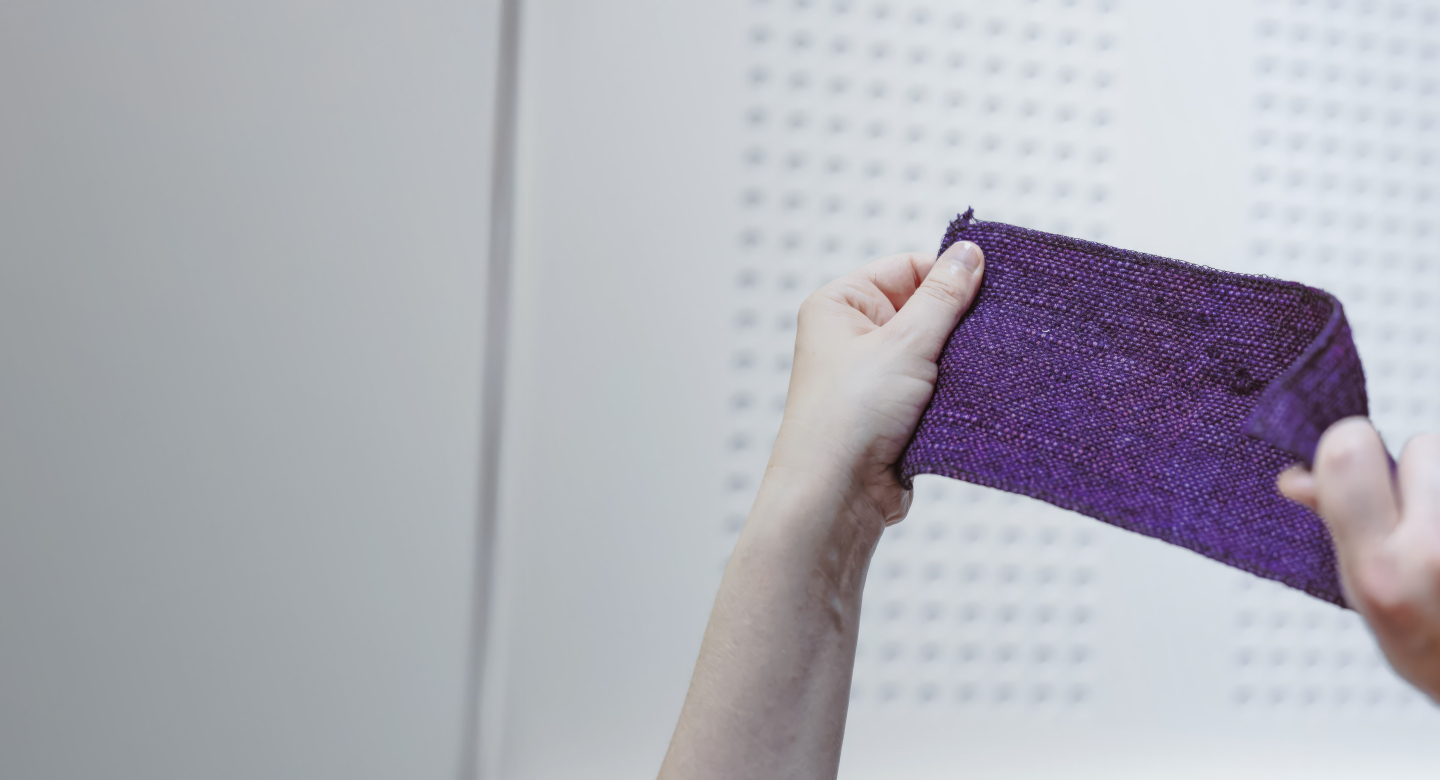
When haircut meets future fibre
It’s time for something cleaner, fairer, and smarter. The answer? Hair.
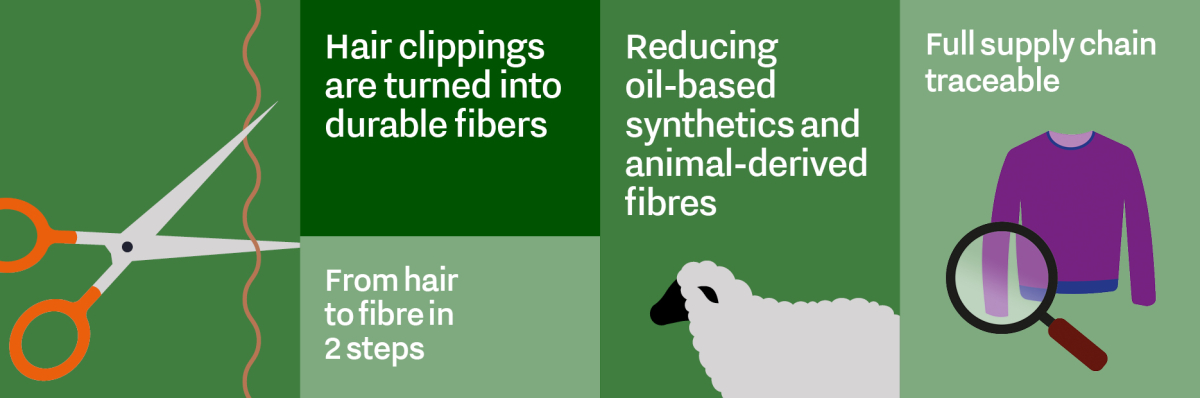
The textile industry is ready for a transformation. For decades, it has leaned on oil-based synthetics and animal-derived fibres, materials that cost the planet more than they should.
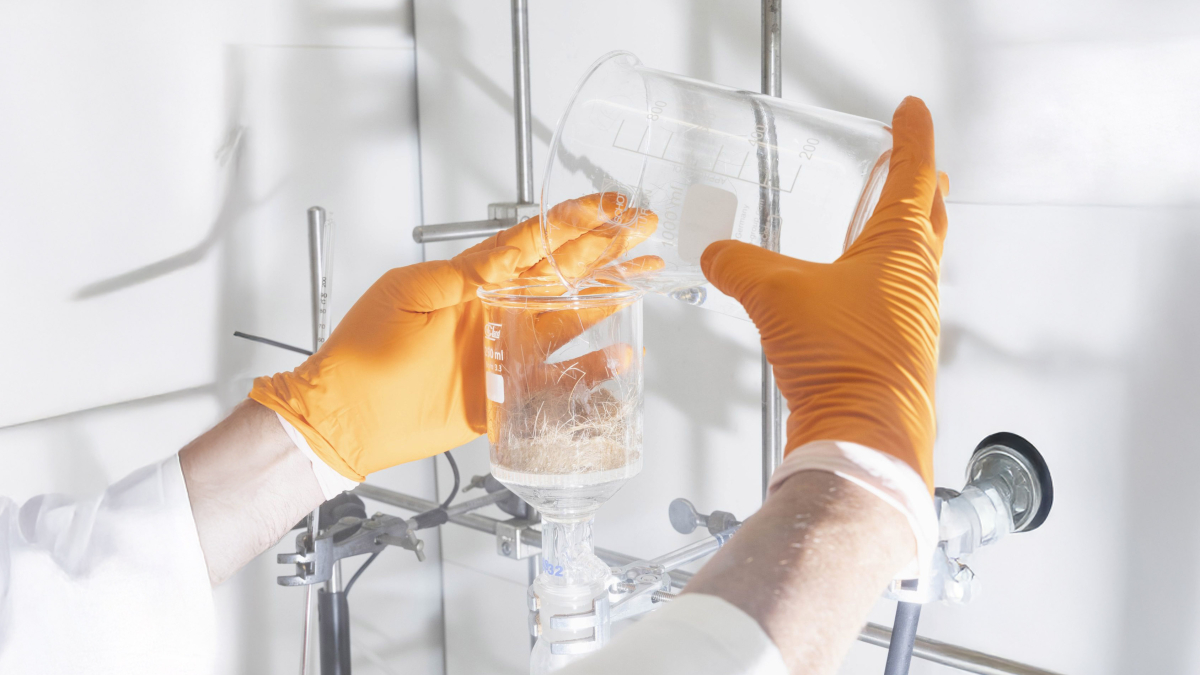
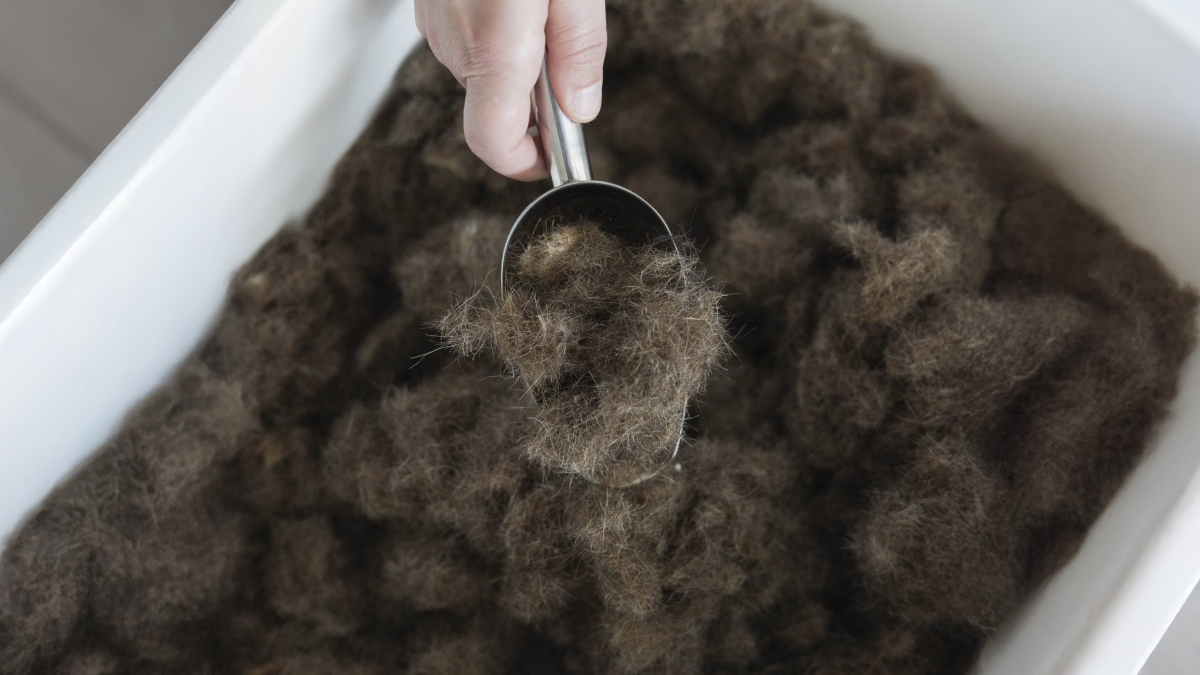
Every day, hairdressers sweep away kilos of hair that could be something more. Strong, renewable, and full of keratin, the same protein found in wool, human hair is one of the most underused biomaterials on Earth. We collect these clippings, clean and process them using gentle, low-energy methods, and spin them into ādara®, the first commercial fibre of the Human Material Loop.
Image
Durable, traceable, and kind to the planet
Durable, traceable, and kind to the planet
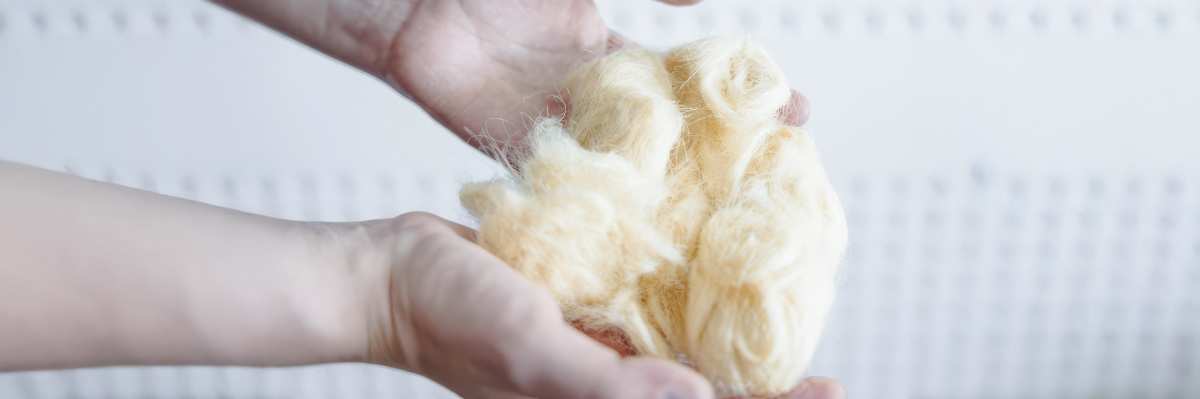
Made entirely from upcycled human hair, ādara® offers the warmth and softness of wool without the cruelty, plastics, or allergens. It’s naturally fire-retardant, antibacterial, and hypoallergenic. It regulates temperature and moisture, making it ideal for interiors and textiles that feel as good as they do good. Each strand of ādara® is fully traceable, from the salon floor to the final fabric roll. By collaborating directly with hairdressers, The Human Material Loop builds a transparent and ethical supply chain.
Image
The fibers can be transformed into everything from felt to woven fabrics.
Image
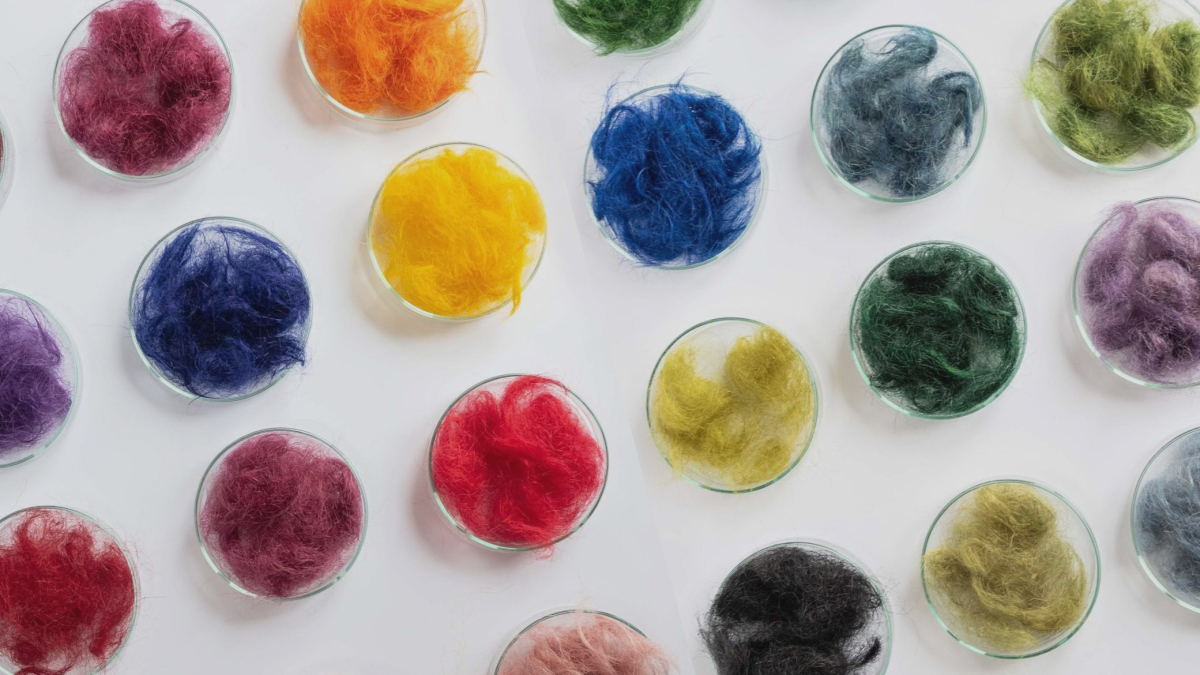
ādara® is a 100% biobased protein fiber created for interiors.
The Human Material Loop process uses mild salts and low temperatures, reducing energy use while keeping the natural strength of keratin intact. No toxins, no microplastics, just a clean loop of human material turned into high-performance textiles. Every step is tracked, and a digital product passport is in the works to show the complete journey of their material.
Image
It's not just rethinking fibres, The Human Material Loop is rethinking responsibility. How they source, produce, and value materials in design. With ādara®, it offers architects, interior designers, and textile innovators a tangible path toward a circular future. The Human Material Loop shows their innovation at Architect@Work, Workspace Design Show, Heimtextil, and more. If you’re a designer seeking sustainable materials, or an investor ready to back a radical, scalable solution, take a look and join them. Because the next revolution in textiles isn’t synthetic. It’s human.
Learn more about Human Material Loop
Learn more about Human Material Loop
Image
Image
#newdutch is a mentality, a movement, and an international platform for Dutch innovation.
Check out these other New Dutch cases
Check out these other New Dutch cases


Get in touch
Get in touch
Does #newdutch spark an interest or a golden idea with you? We love hearing from you! You can email us at newdutch@nlbranding.nl
Urban mobility trade mission to Northern France
Urban mobility trade mission to Northern France
Urban mobility trade mission to Northern France
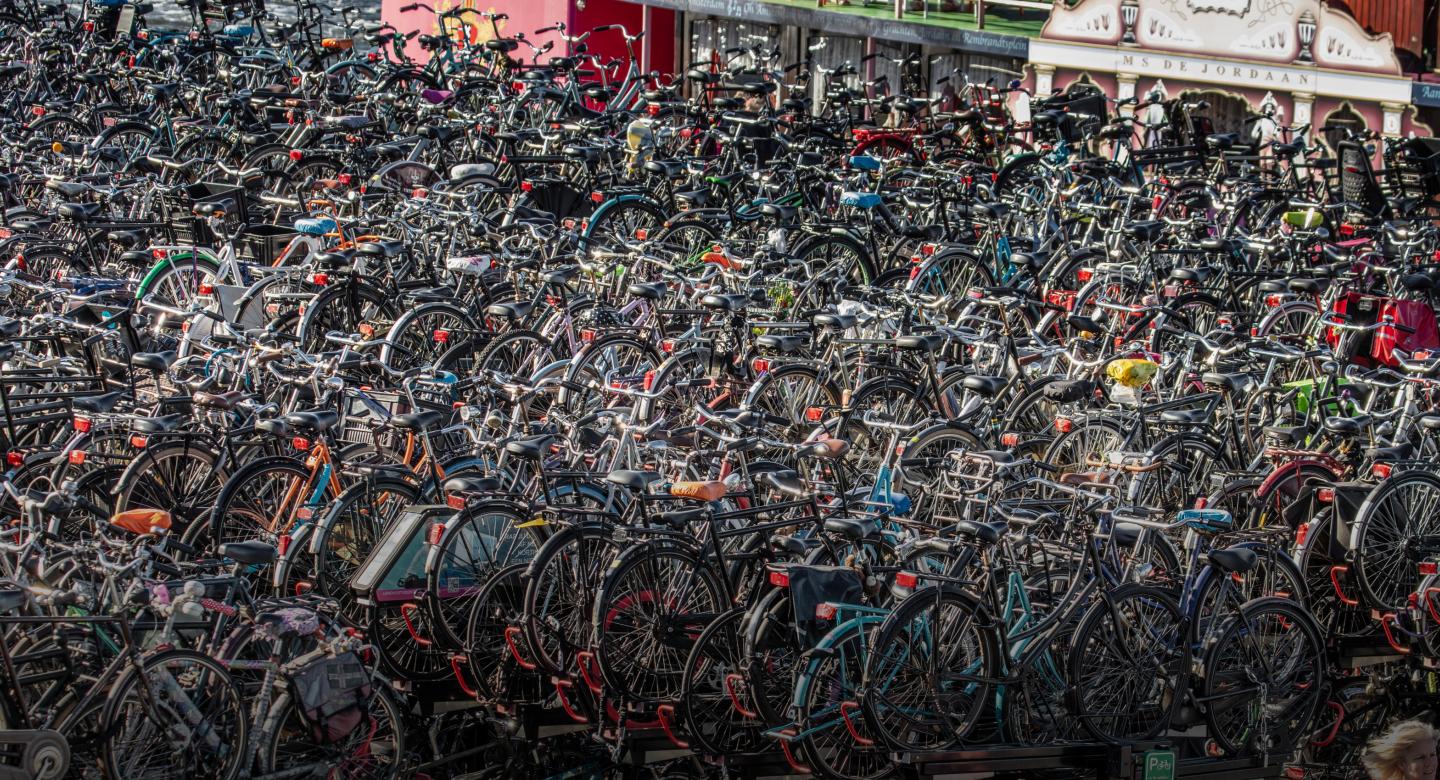
The Netherlands and Hauts-de-France are natural partners for smarter, more sustainable urban mobility. In 2025, our countries have committed to deepening economic ties, and Northern France, is investing in transformation: Lille is scaling sustainable mobility with EU support, while rapid industrial growth around Dunkirk will generate tens of thousands of jobs, raising urgent questions about infrastructure capacity, accessibility, and liveability.
Given the surge in transport demand in coming decades, fast‑growing areas like Dunkirk and Lille believe that existing infrastructure will not be sufficient without systemic upgrades. The Netherlands, as one of the most densely populated and industrialised countries in Europe, has dealt with many of these challenges in one form or another.
The Dutch mobility system today integrates innovative multimodal transport networks, emphasizing sustainability through electrification and zero-emission vehicles, supported by public transport, cycling, and urban logistics solutions. Deepening our partnership will accelerate smart and sustainable mobility, standardise data and infrastructure, strengthen European value chains, and create high-quality jobs. All while delivering cleaner air, safer streets, and better access for citizens and businesses.
Additional resouces
Trade mission to Morocco
Trade mission to Morocco
Trade mission to Morocco
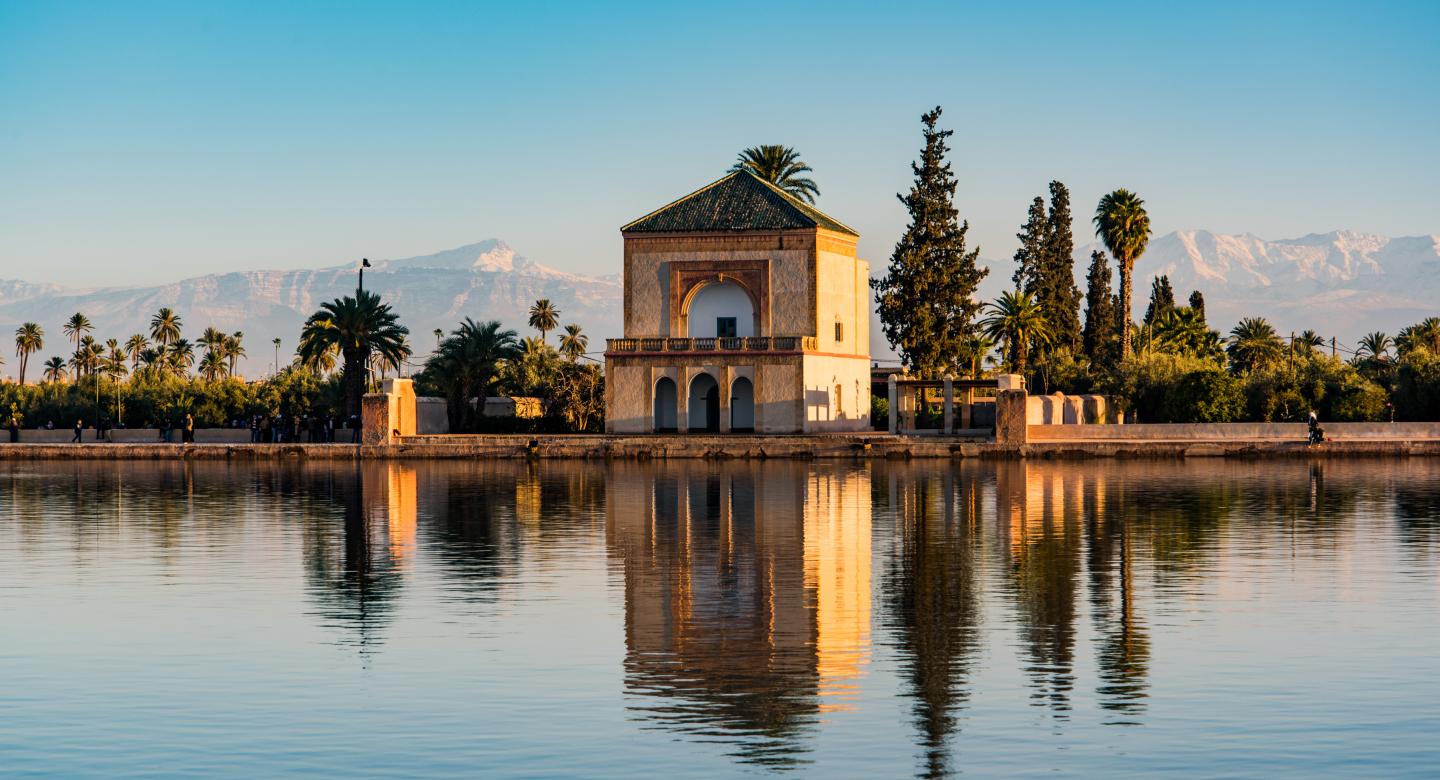
Morocco and the Netherlands are working together to strengthen sustainable water management. Both countries have developed valuable experience in using water efficiently, reusing water, and implementing smart irrigation and treatment solutions. Bringing together practical know-how and creative approaches, both countries are shaping smarter and more sustainable ways to manage water.
This mission brings Dutch and Moroccan partners together to exchange knowledge and create new opportunities for collaboration. From efficient irrigation and water reuse to desalination and sustainable water management in agriculture, the mission opens new avenues for cooperation and long-term partnerships.
By combining strengths and ambition, both countries aim to drive forward a water sector that is innovative, resilient, and sustainable. United in purpose, Morocco and the Netherlands are building a future that supports water security, economic growth, and environmental responsibility.
Partnering for a water-secure future!
.
For more information about this mission:
Reversing desertification through innovation
/sites/default/files/styles/aspect_ratio_16_9/public/articles/image/201907-Zambia-Tree%20Monitoring-LandLifeCompany.jpg?h=2b41a90b&itok=PAuFlwFO
An estimated 2 million people live in areas susceptible to desertification. Desertification is largely a man-made problem caused by urbanisation, overfarming, deforestation and climate change. Reforestation is the most natural way to halt the process and replenish depleted soil. Trees also absorb CO2, thus slowing down climate change. Together with its partners, the Dutch Land Life Company is on a mission to reforest the world’s 2 billion hectares of degraded land.
blue-light
3 minute read
Offshore wind United Kingdom
Offshore wind in the United Kingdom
Offshore wind in the United Kingdom
The Netherlands aims to share knowledge and expertise with the United Kingdom businesses in the energy sector. By actively collaborating with our local partners in the supply chain, focusing on teamwork, collaboration, and innovation across the board, we ensure every wind farm has an economical, safely operating, and sustainable future. Together, we can prove that offshore wind is a powerful solution to achieve climate goals while effectively contributing to economic opportunities from renewable energy. Ultimately, this leads to high certainty for project developers, increased investor confidence, and lower overall costs. Do you want to work together with us? We are happy to meet you!
Coordinator
Contact
Contact