
In the spotlight
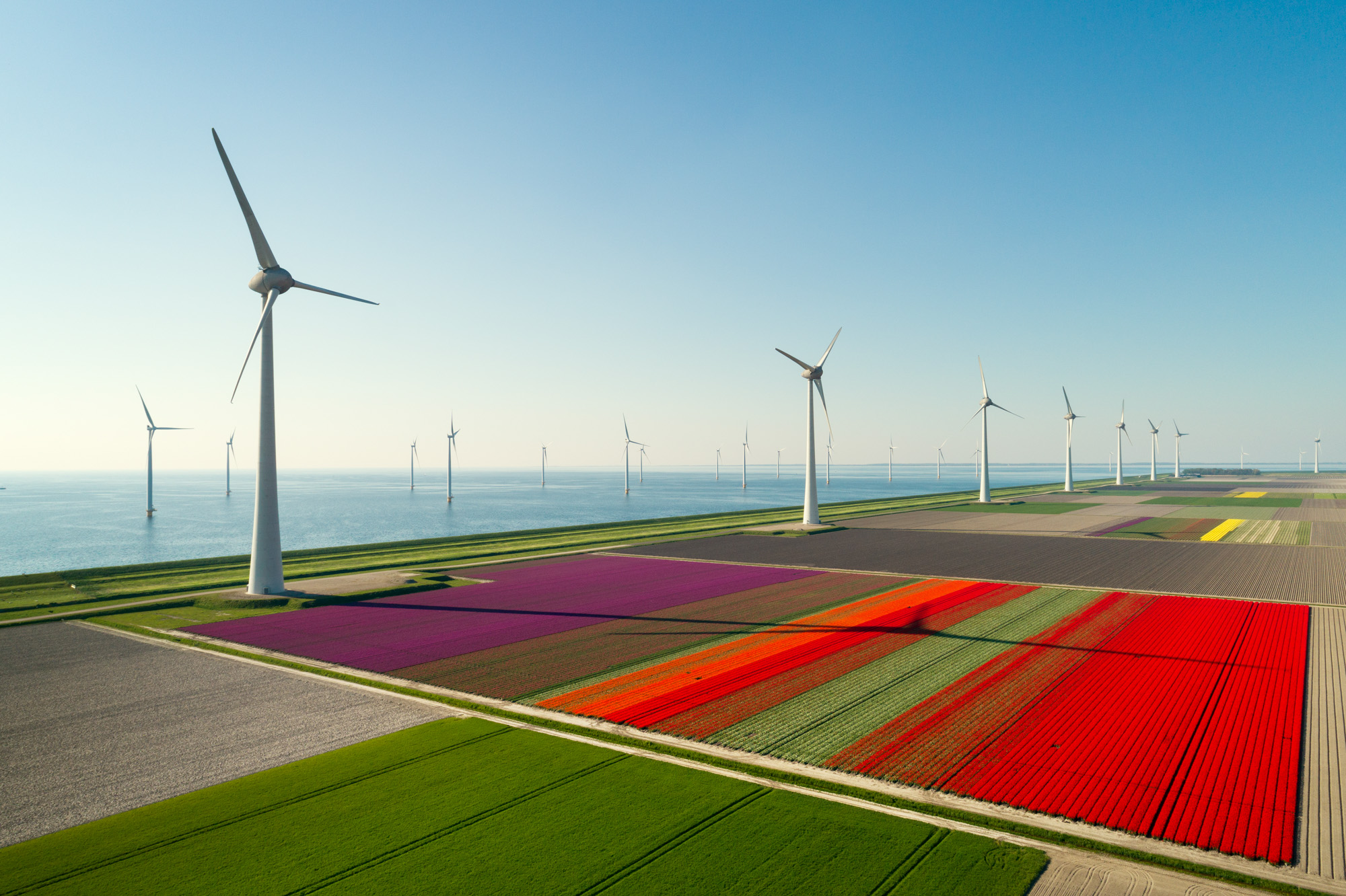
One of the biggest global challenges we face today is how to adapt to and mitigate climate change. With its unique proportions, no country can face it alone. Signed in 2015, the Paris Agreement forms the largest agreement for countries to fight against climate change.
To successfully limit the effects of the climate crisis, the global community needs to collaborate. Not only by agreeing on national and international reduction targets, but also by collaborating in sharing knowledge, experience and resources to accelerate the development and implementation of clean technologies to reach our targets.
The global energy transition plays a huge role in successfully limiting climate change. It is a cross-sectoral and cross-border system issue in which both national and international efforts should be closely connected. Recent geopolitical developments have only emphasised the urgency of transitioning to renewable energies through international collaboration. Believing in the EU strategy, the Netherlands is committed to creating partnerships across borders that will contribute to systematic changes that directly influence the energy transition.
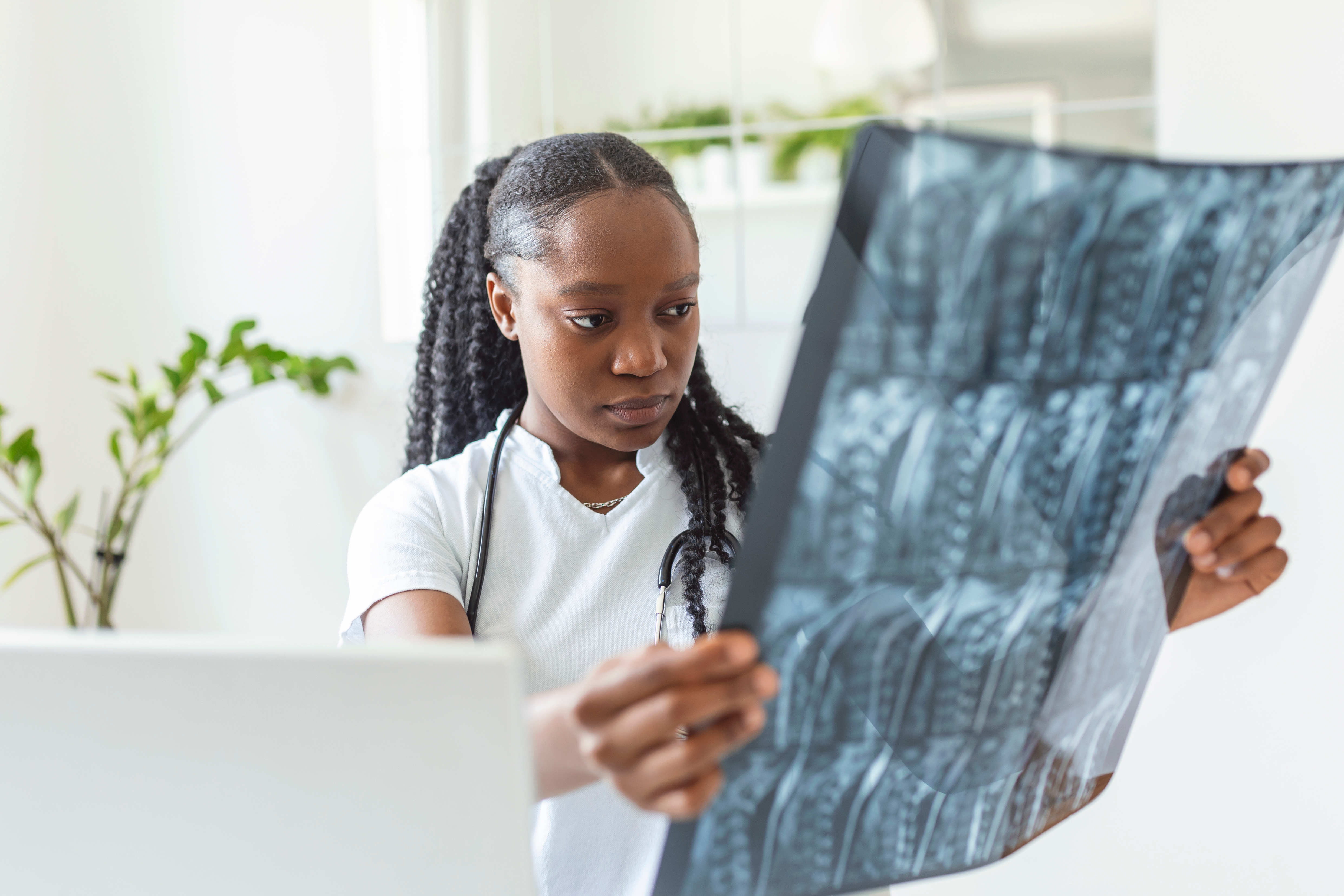
The world faces enormous societal challenges, challenges that we can only meet by joining forces and innovating. As an innovative country and as a health and care coalition, Dutch Life Sciences & Health sector is ambitious. We have set the following goals. By 2040, all Dutch citizens will live at least five years longer in good health, while the health inequalities between the lowest and highest socioeconomic groups will have decreased by 30%.
The Netherlands has, therefore, brought together experts from ministries, health organisations, businesses, universities and international development to find integrated and sustainable solutions to the current and future health crises.
The Netherlands invests in developing and strengthening healthcare systems at home and abroad. We stimulate innovation and progress through close cooperation between knowledge institutes, government and commercial businesses. At home and around the world.
We are committed to the support of health and human rights around the world. Our Ministries of Foreign Affairs and of Health, Welfare and Sport have a long-established partnership with the World Health Organisation (WHO) to help fund crucial areas of primary healthcare, worldwide.
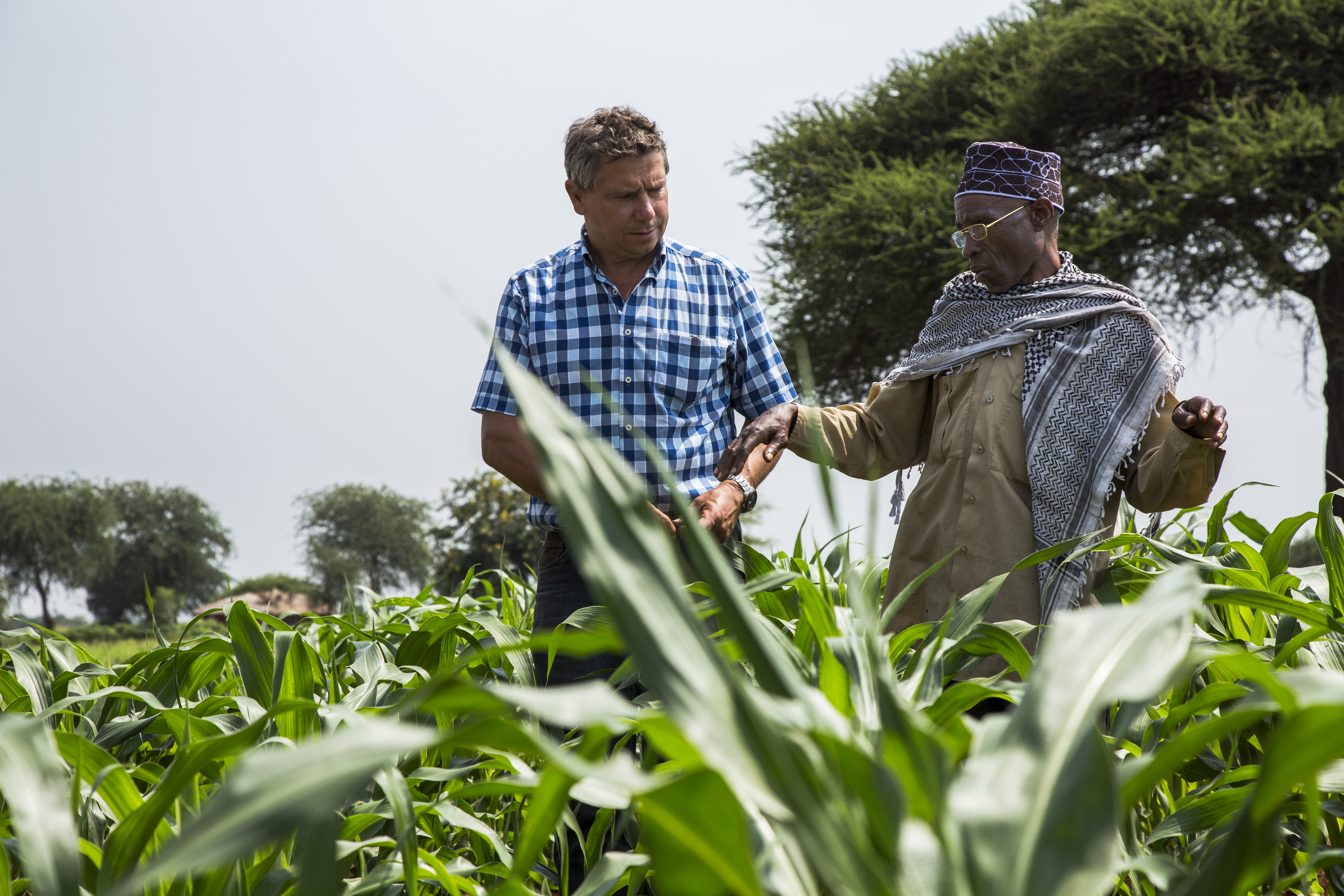
830 million people across the world aren’t getting enough good food. And if that wasn’t bad enough, that number is rising. Climate change and the COVID-19 pandemic are leaving millions more hungry than before. Who suffers the most? Women, the urban poor and small-scale farmers. It’s undeniable: food security is one of the most important challenges we face.
We can't feed the world alone. That's why we share our knowledge and innovations, boosting food production, creating jobs and making sure everyone can put food on the table.
We want to help build a world where no one goes hungry again, in line with the UN Sustainable Development Goals (SDGs). We work with partners around the world to:
You can only get so far on your own. That’s why we work across borders and sectors. Here in the Netherlands, our government, research institutes and the private sector work together to develop the tools to farm the future. Pooling our knowledge and expertise, to get us to a sustainably farmed world as fast as possible.
We also partner up with local governments, NGOs and the private sector to share our knowledge and technology with the world. It’s how we cocreate sustainable food systems at the local level, helping farmers produce more – and earn more.
Explore the world of agriculture and horticulture. Discover how we grow green cities. Or learn how we work with governments, knowledge institutes and businesses from all over the world to achieve food security. Let’s farm the future together.
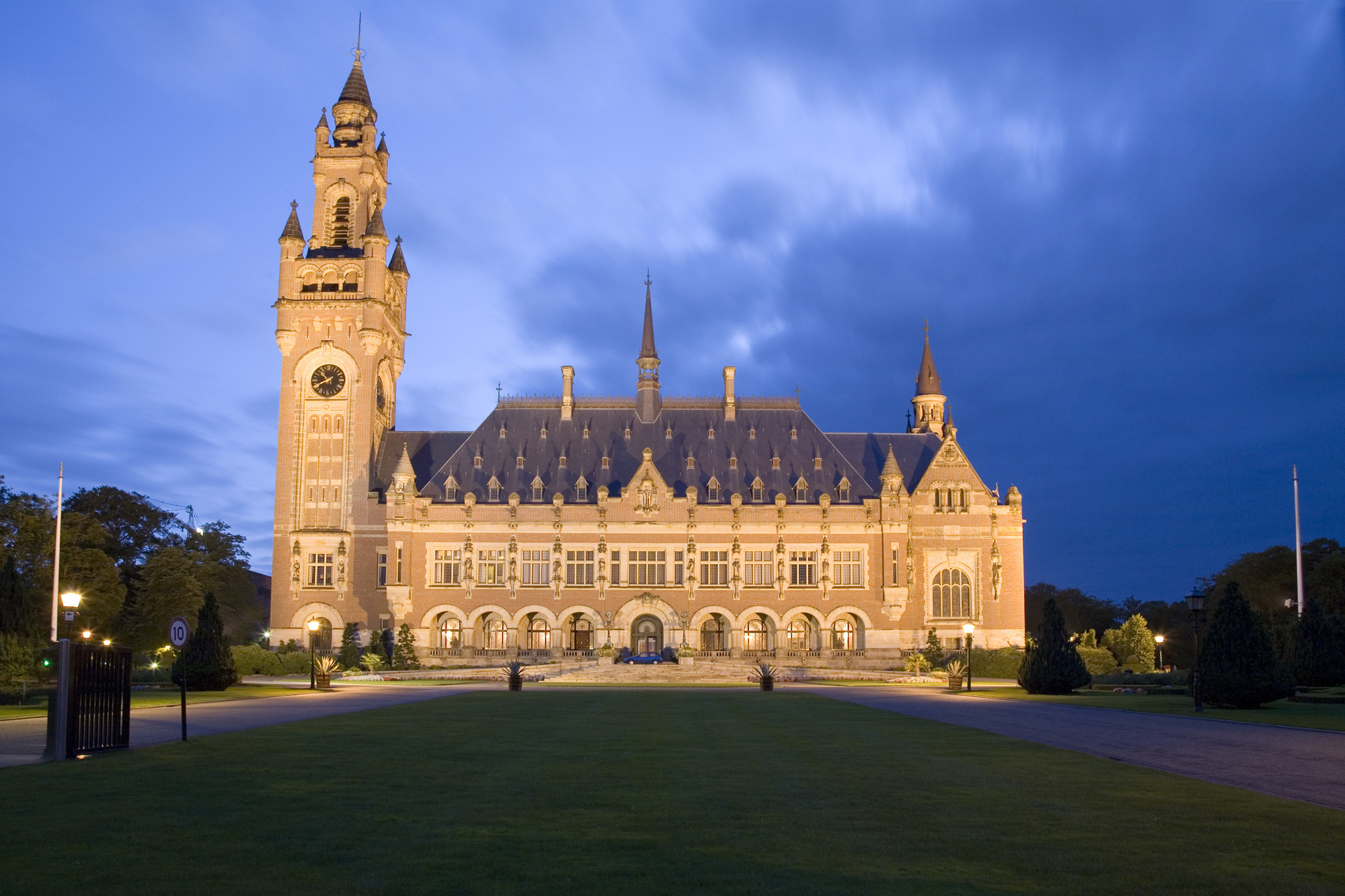
Human rights are the foundations of a democracy in which every person counts, in all places, at all times. The Netherlands strives to protect and promote human rights all over the world.
The development of international law is an integral part of the foreign policy of the Netherlands. It is enshrined in the Dutch constitution. The Hague is known as the legal capital of the world. As such, the city has become the seat of many international legal organisations such as Europol, Eurojust, the International Court of Justice, the International Criminal Court and the International Criminal Tribunal of the former Yugoslavia (ICTY).
The Hague also hosts the Organisation for the Prohibition of Chemical Weapons. The OPCW is responsible for monitoring compliance with the ban on chemical weapons and their destruction.
As a leading proponent of Human Rights, at home and abroad, the Netherlands supports freedom of speech, gender equality, and fair access to education, work and healthcare. The Dutch government strives to protect and promote human rights all over the world. Besides the Netherlands Institute of Human Rights, it is also home to the European Court of Human Rights.
The Netherlands has long had a reputation for stability and justice. It plays an active role in preventing armed conflict worldwide and strengthening the international legal order by, for instance, participating in peace missions and supporting reconstruction in post-conflict countries.
An effective legal order is an essential condition for economic growth and development. Countries with fast-growing economies where the rule of law is weak run the risk of sliding into instability. The Dutch government therefore seeks to strengthen security and the rule of law in countries where governance is poor
Want to know more about how you can work together with the Netherlands to achieve your goals? Or how you can help contribute to or spread the word on campaigns, events and initiatives? Contact us directly at info@nlbranding.nl so we can help you connect to the right people.