
In the spotlight
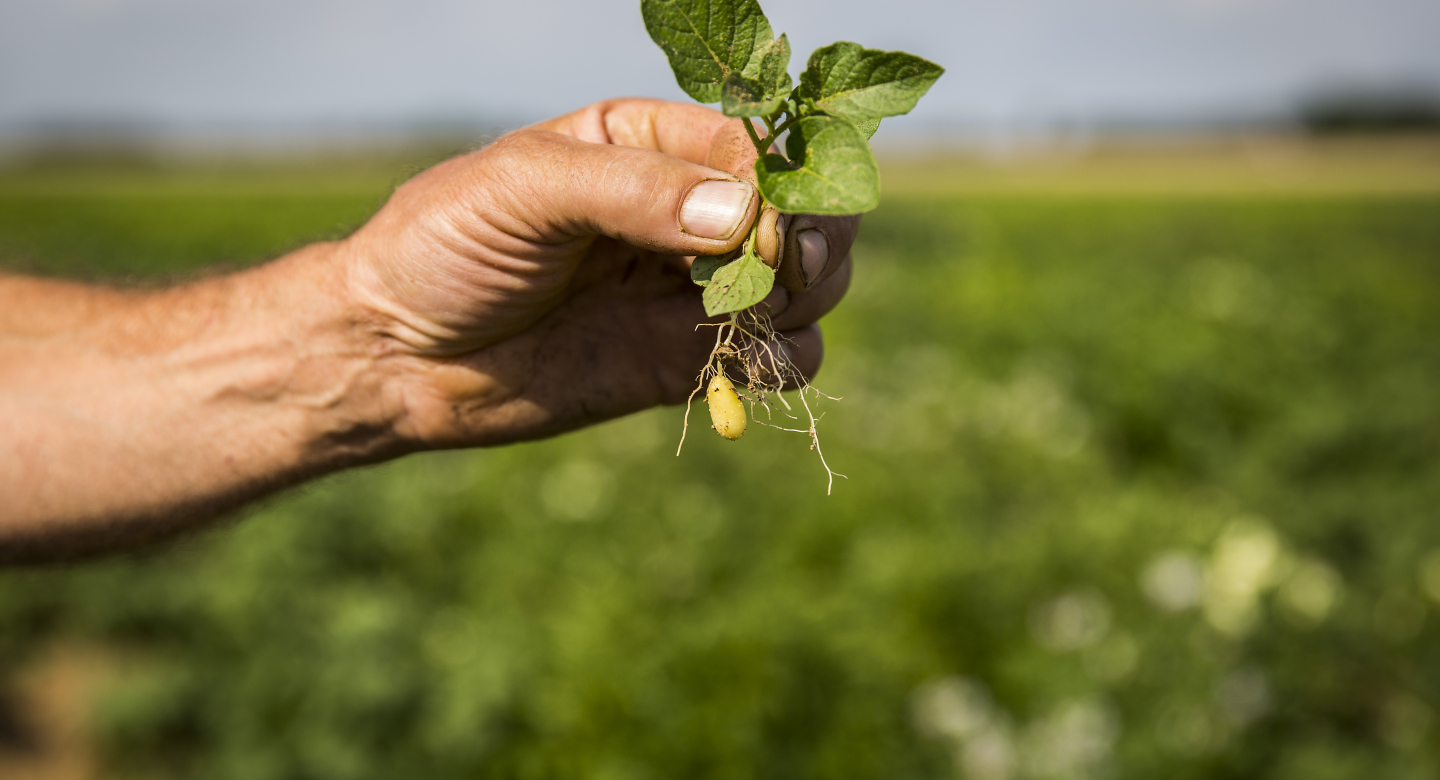
Around the world, agriculture is under pressure. Soils are degrading, weather patterns are becoming more extreme, and biodiversity continues to decline. At the same time, with a growing world population, the demand for food is only increasing. So, how do we produce enough food without exhausting the systems that sustain it? We sat down with Loekie Schreefel (Wageningen University & Research), Alex Datema and Gea Bakker (Rabobank), and farmer Anne van Leeuwen (‘t Gagel) to get their take on regenerative farming, a way of growing food that is drawing more interest lately, and that is seen as part of the solution.
As Alex Datema, Director Food & Agri at Rabobank, says: “In the Netherlands, basically every sustainability issue you can think of is at play.” Therefore, farmers, researchers, and companies are experimenting with how this approach can work in practice, and what it takes to make it viable at scale.
“We are in the midst of multiple crises, such as the climate crisis and the biodiversity crisis,” – Loekie Schreefel, Researcher Farming Systems Ecology at Wageningen University & Research (WUR).
One of the solutions to this sustainability challenge lies in regenerative agriculture. This is a holistic, nature-based approach to farming, focusing on strengthening the soil, increasing biodiversity, and maintaining natural processes. Its benefits go beyond just farming ecosystems and trickle into communities and economies, contributing to a long-term vision for resilient and future-proof food systems.
Anne van Leeuwen, a farmer at a 45-hectare farm called ‘t Gagel, works with regenerative practices on a daily basis. Having seen regenerative farming in Sweden and Spain, she emphasises that this approach is highly context-specific: “In every region we should ask ourselves, what is possible with this climate, this type of soil, and the space available? Because what works, differs.” She also sees regenerative agriculture as an ongoing learning process: “Ideally, there is an inclusive path that different types of farmers can follow and that creates harmony in the diversity of farmers and their practices.”
That flexibility, however, also comes with a risk. As Loekie Schreefel warns, the term regenerative agriculture can easily become diluted. “Anyone can currently call themselves ‘regenerative’ without an obligation to be accountable.” With countries using different definitions, developing clearer frameworks for monitoring is becoming increasingly important.
From a financial perspective, this lack of clarity also poses challenges. Gea Bakker, Sector Manager Food & Agri at Rabobank, says that “Without a uniform KPI system, the results of regenerative farming remain fragmented and subjective. For the bank, regenerative agriculture is not a standalone sustainability ambition, but part of a broader approach to support supply chain resilience and long term value creation.”
The Netherlands is becoming a learning environment in regenerative agriculture, and funds for testing and research are becoming increasingly available. Experimentation and innovation are part of the Dutch approach. Paired with the Netherlands’ interdisciplinary way of working, we’re known for our out-of-the-box thinking in developing innovative solutions.
“Precisely because we work with intensive cropping plans here, we can demonstrate how you can take steps within existing frameworks and business operations towards more regenerative agriculture,” – Alex Datema, Rabobank.
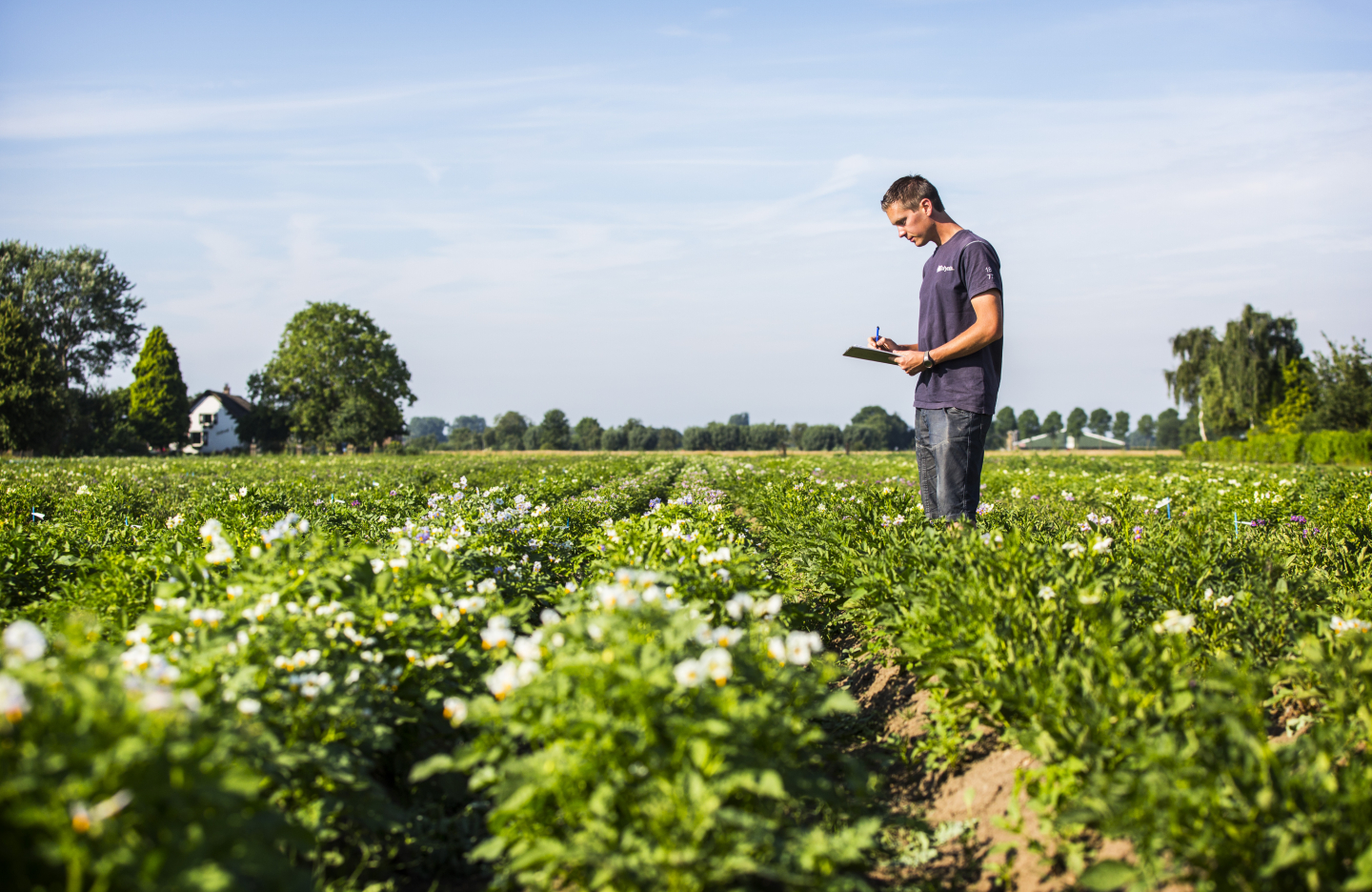
Lessons learned are finding their way to all types of farmers in the Netherlands, as they are actively looking for practices that improve their weakened soils. According to Bakker (Rabobank), that change almost always starts with the same foundation: “Awareness first; only then does perspective for action grow. And it always starts with the soil.” In arable farming, for example, Rabobank sees a clear increase in cover crops, as they enhance soil health, reduce erosion, and promote biodiversity.
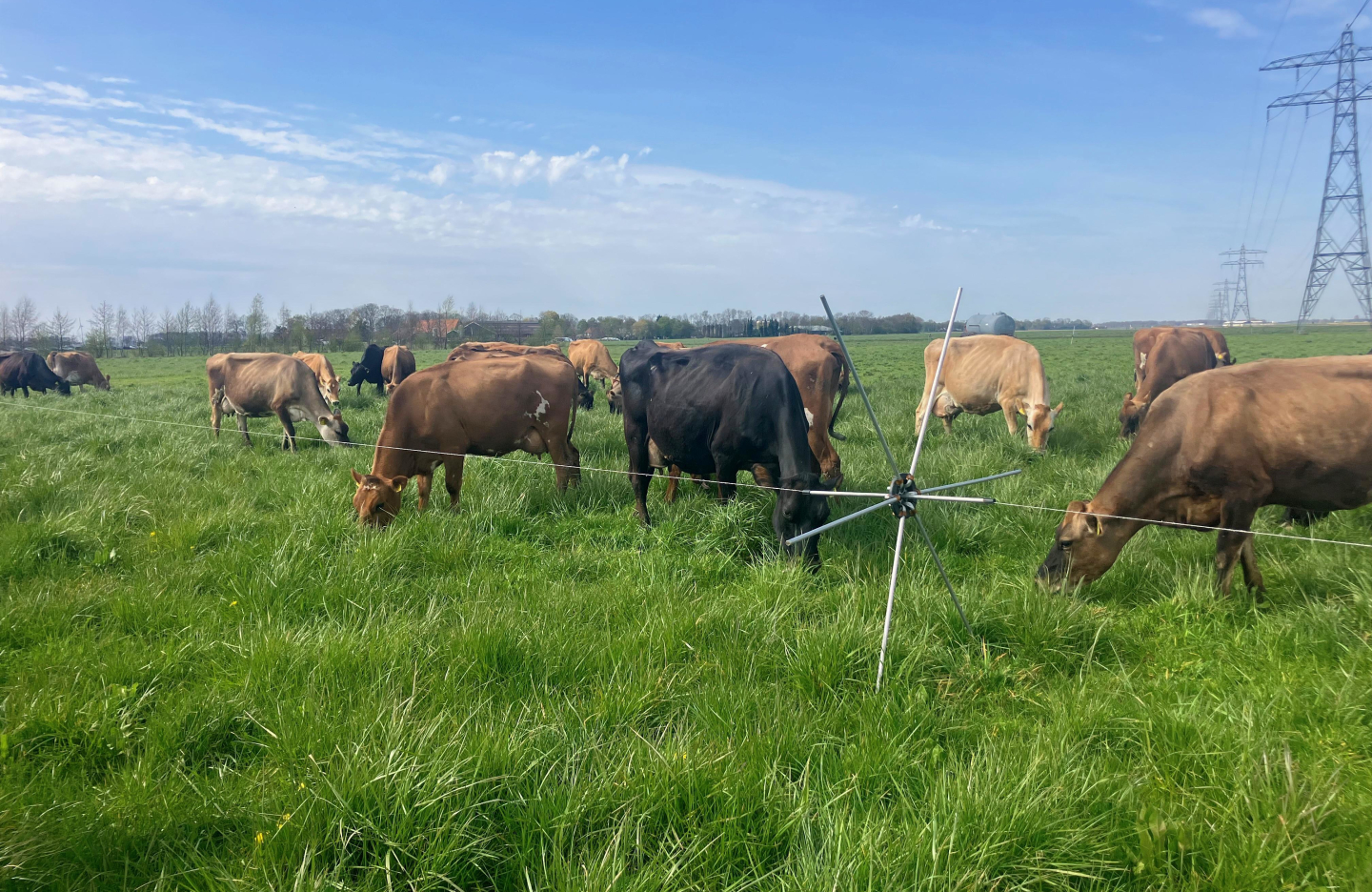
Attention is also shifting in livestock farming, Datema (Rabobank) adds: “For years, we focused on achieving the highest possible yield from grassland, and now you see increasing attention for the value that herb-rich grassland has.” This often means more vitamins and minerals for a healthier cow, providing a better taste to meat and milk. Herb-rich grassland also stimulates biodiversity and is more resilient against extreme weather conditions such as droughts and floods.
Despite the fact that regenerative farming brings advantages and proven solutions, it remains a relatively new way of farming that also brings uncertainties. The transition to regenerative agriculture requires courage. “The effects on soil quality and biodiversity are not always immediately visible; it takes time,” says Schreefel (WUR).
At the same time, “the extremes of too wet and too dry are becoming more prominent, so the urge to do something to alleviate the consequences increases,” adds van Leeuwen (‘t Gagel). Farmers do see partial solutions and long-term benefits in high soil quality and biodiversity and are therefore increasingly prepared to take steps towards regenerative farming.
According to van Leeuwen (‘t Gagel), key factors in the future success of regenerative farming are outcome-based thinking and the acknowledgement that the ownership of implementing regenerative practices has to be with the farmer. “This creates the space to be an entrepreneur and to experiment, using your own expertise to get the desired results. It brings back the joy in the work.”
While regenerative agriculture stands for farming in harmony with nature, it is also explicitly linked to innovative technologies and data, especially in the Netherlands.
Regenerative agriculture is not anti-technology. On the contrary, we need technology.” – Loekie Schreefel, WUR.
For Rabobank, measurability and monitoring the data of what is happening in the field are essential in order to develop sustainable business models and to share knowledge, also internationally. “If you really want to make an impact, you must be able to validate what you do with data,” explains Datema (Rabobank).
We all know that a sustainable food system only works if the entire chain participates and takes its share of responsibility. As Bakker (Rabobank) says, “You cannot place the transition towards regenerative agriculture solely on the farmer’s plate; the entire food chain must be involved.” The risks must also be shared: “You cannot shift the risks entirely onto the party at the beginning of the chain,” adds Datema (Rabobank).
Van Leeuwen (‘t Gagel) fully agrees, as her aim is to contribute to the social-ecological awareness amongst consumers. The ideal is a food culture that shifts the focus to community, enjoying good food, and awareness of the connections between humanity and nature. Ultimately, this is a win-win for everyone.
“We need to learn to eat differently, to focus on quality rather than quantity, and to appreciate where our food comes from.” - Anne van Leeuwen, ‘t Gagel
International collaboration and forward-thinking are at the core of the Dutch approach when it comes to innovation. This is also essential for Rabobank: “If you are active worldwide as a bank, it cannot be the case that you work according to a sustainability agenda in the Netherlands while the rest of the world is moving in the opposite direction. Food systems are globally connected,” states Datema (Rabobank). A key part of collaboration is knowledge exchange. “Projects that originate in the Netherlands and have proven to be a success are further developed internationally together with local partners for their specific context.”
“In the Netherlands, we may be one or two steps ahead on some themes compared to what is happening in the rest of the world, but on other themes we can learn a lot from other countries,” – Alex Datema, Rabobank.
Researchers at Wageningen University & Research often see international collaboration in their day-to-day work. As Schreefel (WUR) tells us, “there’s an extensive international network that we also learn from. If a project succeeds, other countries can learn from it, not only from what goes well, but especially from what goes wrong.” It is precisely this mutual learning that makes international collaboration so valuable.
Want to learn more? Stay tuned for our next article on regenerative agriculture, where we dive deeper into how the Netherlands works together with foreign partners.