
In the spotlight
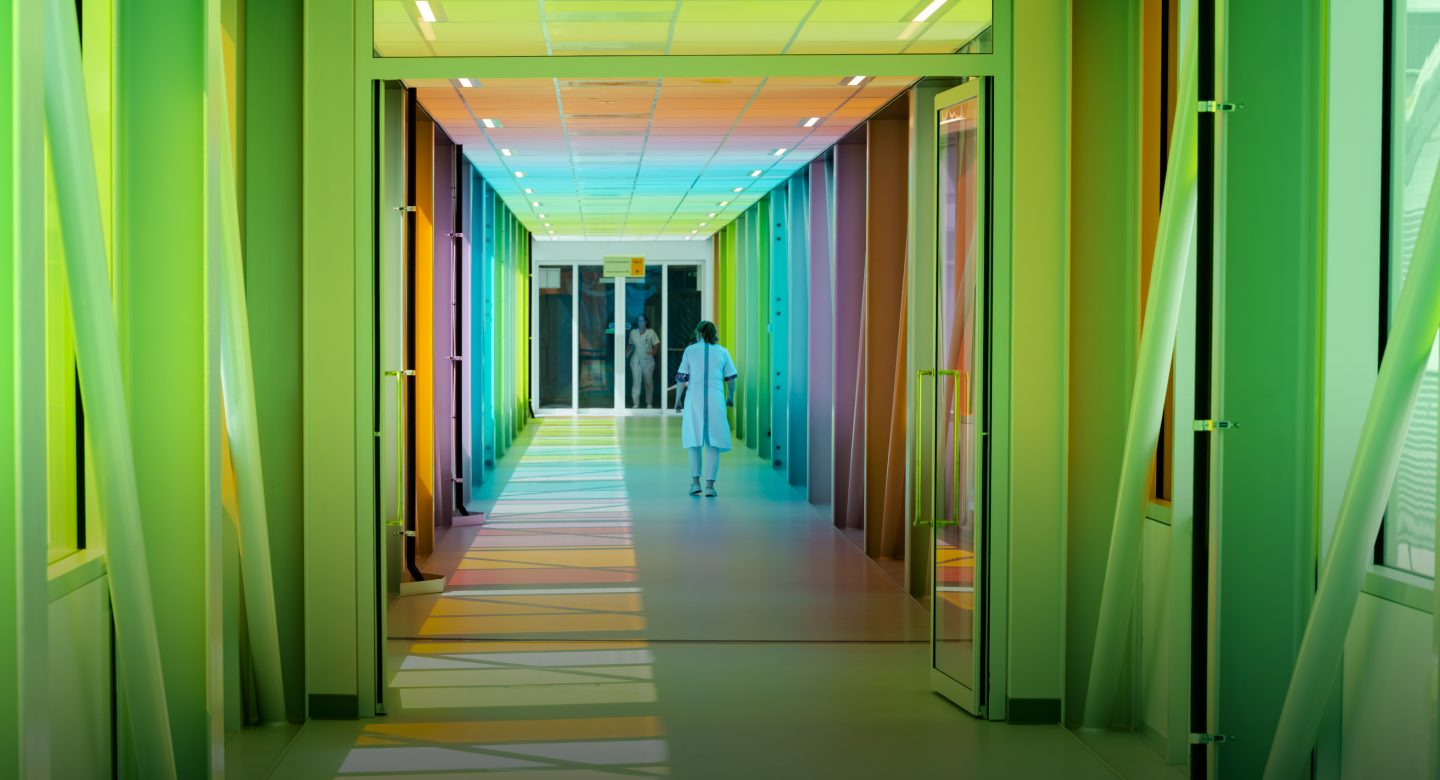
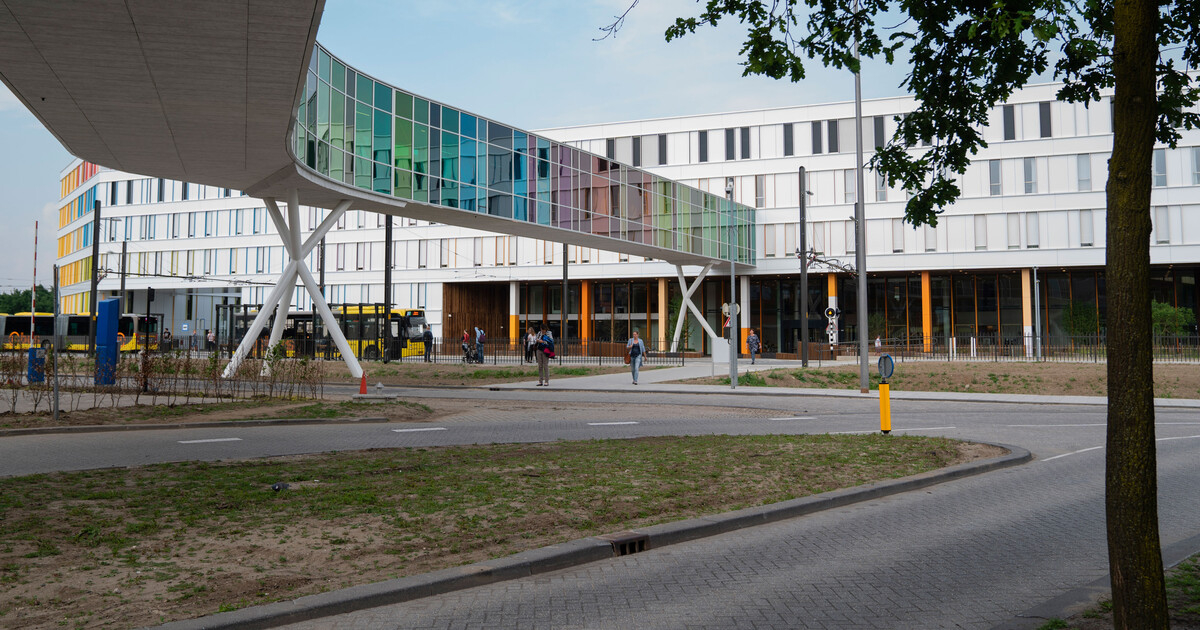
How can one square kilometre change the future of cancer treatment? In the heart of Utrecht Science Park, five world-leading institutions - UMC Utrecht, Utrecht University, the Princess Máxima Center for Pediatric Oncology, the Hubrecht Institute, and the Faculty of Veterinary Medicine - have joined forces under the banner of Utrecht Cancer.
They form the largest and most multidisciplinary cancer research community in Europe, creating immense impact, from fundamental research to clinical application to accelerate breakthroughs that improve the lives of children, adults, and animals living with cancer. Since 2008, cancer has been the leading cause of death in the Netherlands. In 2024 alone, nearly 130,000 people received the diagnosis; a number that will climb to well over 150,000 annually within the next decade, according to the Integraal Kankercentrum Nederland (IKNL) trend report, (trends & forecasts up to 2032). The trend is unmistakable, and the urgency has never been greater.
Utrecht Cancer is meeting this challenge with a vision that is as ambitious as it is essential: by uniting knowledge, talent, and resources, they are accelerating discoveries and transforming them into better treatments for patients worldwide. In this way, they demonstrate why Utrecht stands as the Heart of Health, collaborating with partners to shape a healthier and more sustainable world.
Collaboration for real-world impact
This is cancer research rooted in collaboration, and designed to turn the most complex science into real-world impact. Cancer is one of the most complex diseases of our time, shaped by processes at the smallest cellular level and by the broader environment in which tumours grow. Solving this puzzle demands many disciplines working hand in hand, that’s why proximity matters.
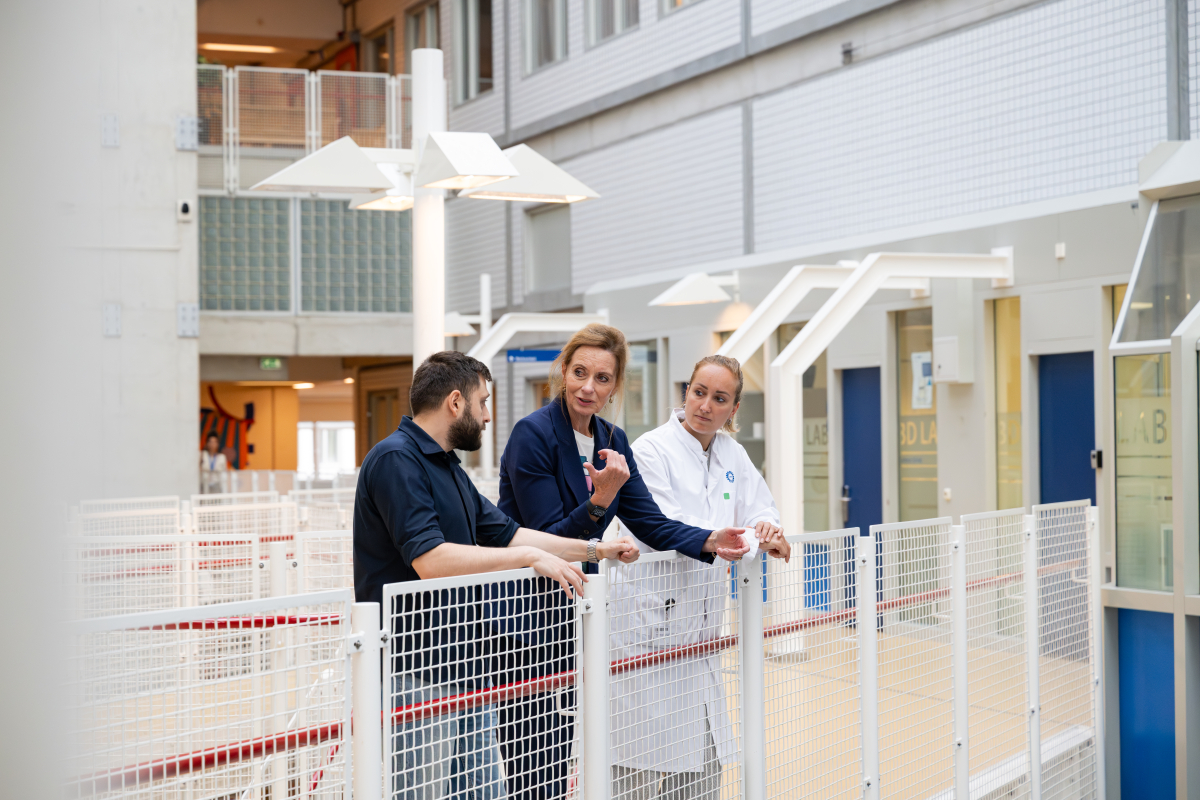
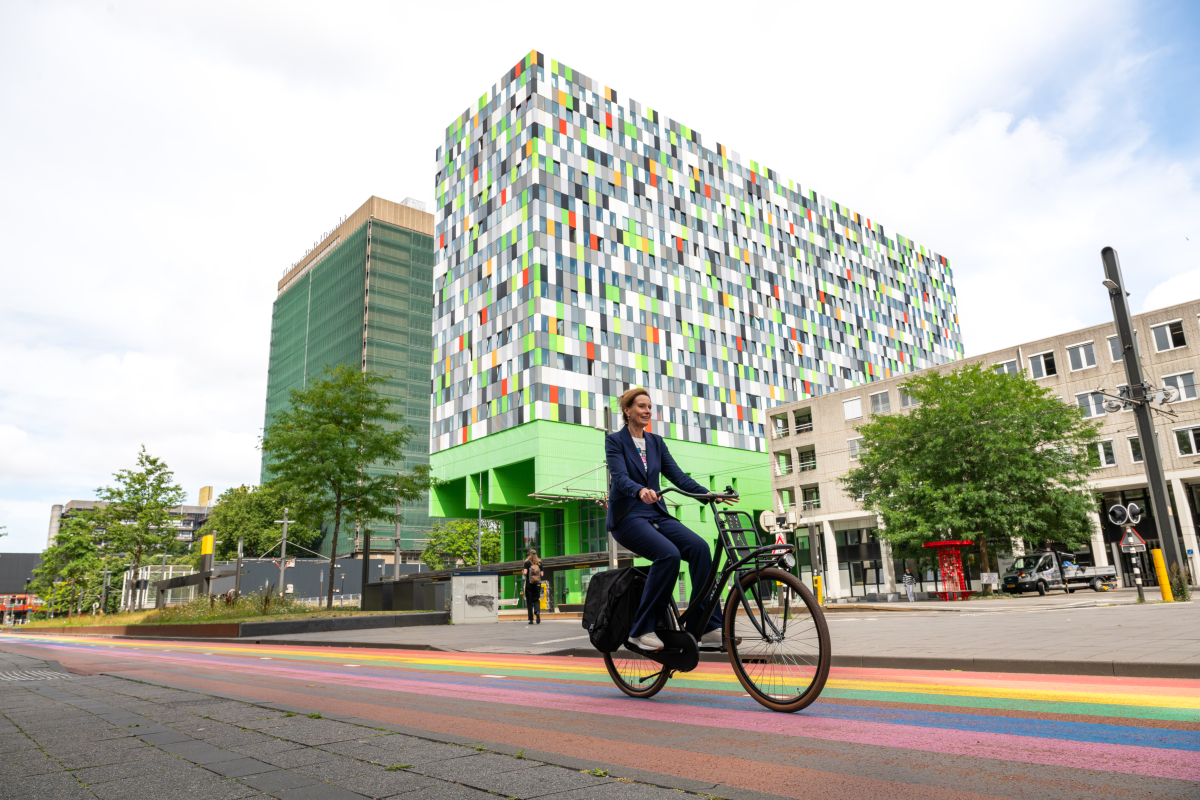
Within walking distance at Utrecht Science Park, more than 1,200 researchers and a strong network of public and private partners share labs, knowledge, and ideas. This physical closeness creates the kind of cross-pollination that turns cutting-edge science into better treatments, faster. With 30,000 staff and 55,000 students, Utrecht Science Park is an ecosystem where breakthroughs accelerate. And it’s already changing lives.
Just 3 examples of Utrecht Cancer breakthroughs
1. Sturgeon
When a child lies on the operating table with a brain tumour, every minute counts. Until recently, surgeons had to wait an entire week for lab results to reveal how aggressive the tumour was, often leading to a second, highly invasive operation. Thanks to a collaboration between the Jeroen de Ridder lab at UMC Utrecht and neurosurgeons at the Princess Máxima Center, that wait is over. Together they developed Sturgeon, a groundbreaking AI algorithm that can read the tumour’s genetic profile in just 20 to 40 minutes. Surgeons now get the answers they need during the operation itself, adapting their plan on the spot and sparing young patients a second surgery.
2. Organoids
At Utrecht Cancer, scientists are growing tiny 3D models of human tumours from patient stem cells. These living miniatures are transforming the way new therapies are tested, making it possible to predict how a treatment will work before a patient ever receives it. In Utrecht, organoids are already pushing forward research into head and neck cancers, while ‘urinoids’, (bladder cancer models grown from urine samples), are opening entirely new frontiers in precision medicine. Here, the Hubrecht Institute, UMC Utrecht and the Faculty of Veterinary Medicine are joining forces to bring truly personalised cancer treatment within reach.
3. Collaboration with the Faculty of Veterinary Medicine
At UMC Utrecht’s internationally acclaimed Department of Radiotherapy, doctors are redefining cancer treatment with cutting-edge image-guided techniques. Their strength lies in a rare partnership with the Faculty of Veterinary Medicine, where animal cancer care is woven directly into scientific research. This unique collaboration bridges human and veterinary oncology, enabling discoveries that benefit both patients and pets. It reflects Utrecht Cancer’s broader vision: linking human, animal, and environmental health, while paving the way for future innovations that are not only effective, but increasingly animal-free.
The message is clear: cancer is too complex for one lab, one hospital, or one discipline to solve alone. But together, we can. And that’s New Dutch!
Does #newdutch spark an interest or a golden idea with you? We love hearing from you! You can email us at newdutch@nlbranding.nl.


