
In the spotlight
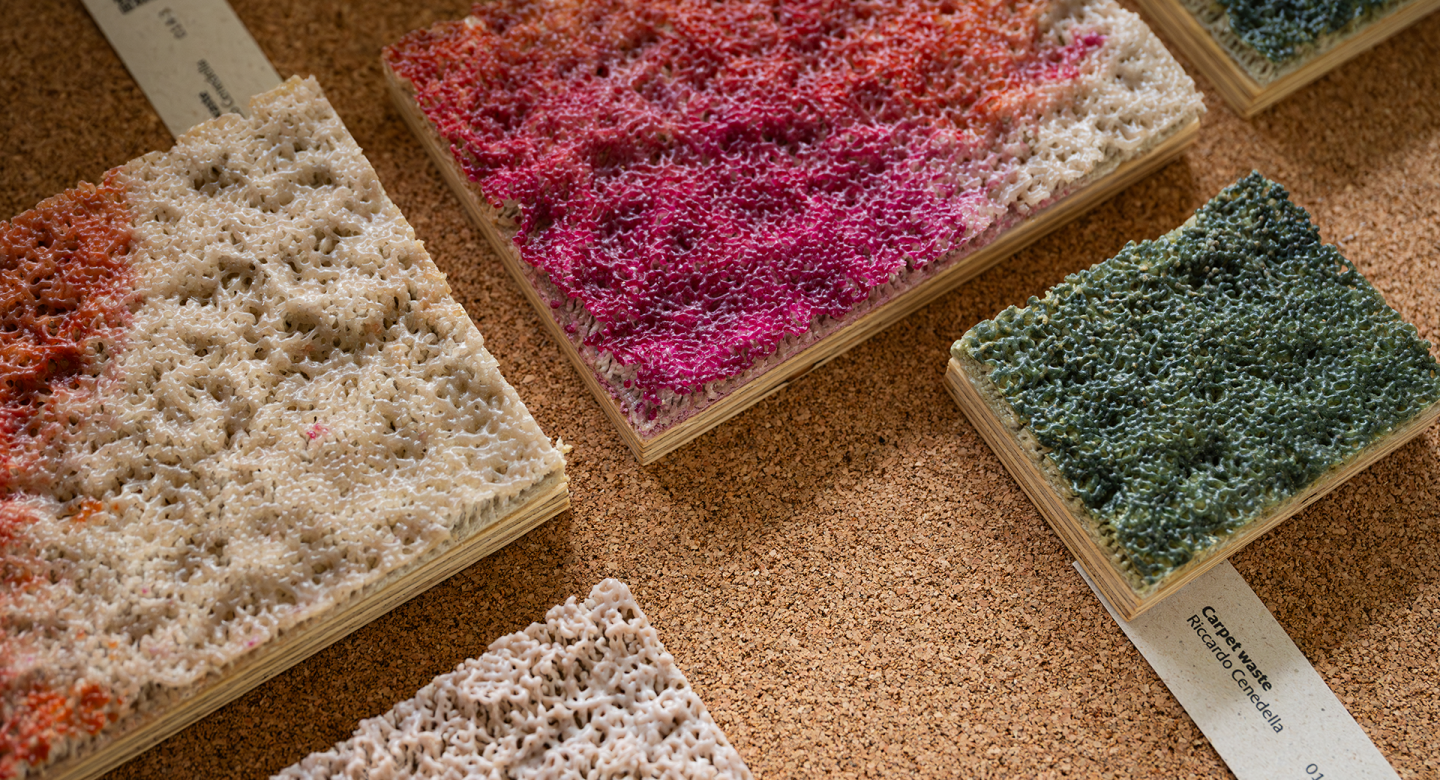
What if the way we create could help restore the planet? At the Future Materials Lab in Maastricht, that question is not a provocation but a daily practice. It’s a place where artists and researchers rethink the very substances that shape our world; transforming waste streams, biological processes, and overlooked natural resources into new possibilities for living sustainably. From collagen discarded by the food industry re-imagined as sportswear, and algae pigments adorning interior spaces to experimental furnishings that scrub carbon dioxide from the air. These are just a few glimpses into the radical landscape of material futures being explored. More than 470 such projects now form the Future Materials Bank - an open-access archive created to accelerate materials research worldwide.
A platform where material imagination becomes practice
Founded in 2020 as an initiative by the Jan van Eyck Academie, an international art residency in Maastricht, Future Materials positions itself where art, design, science, and technology meet. It functions as a living ecosystem, a place where hands-on experimentation converges with critical thinking to reimagine how we source, make, use, and value materials in a world constrained by ecological boundaries. At the heart of the platform lies the Future Materials Bank, which gathers sustainable materials researched by artists and designers from more than 65 countries.
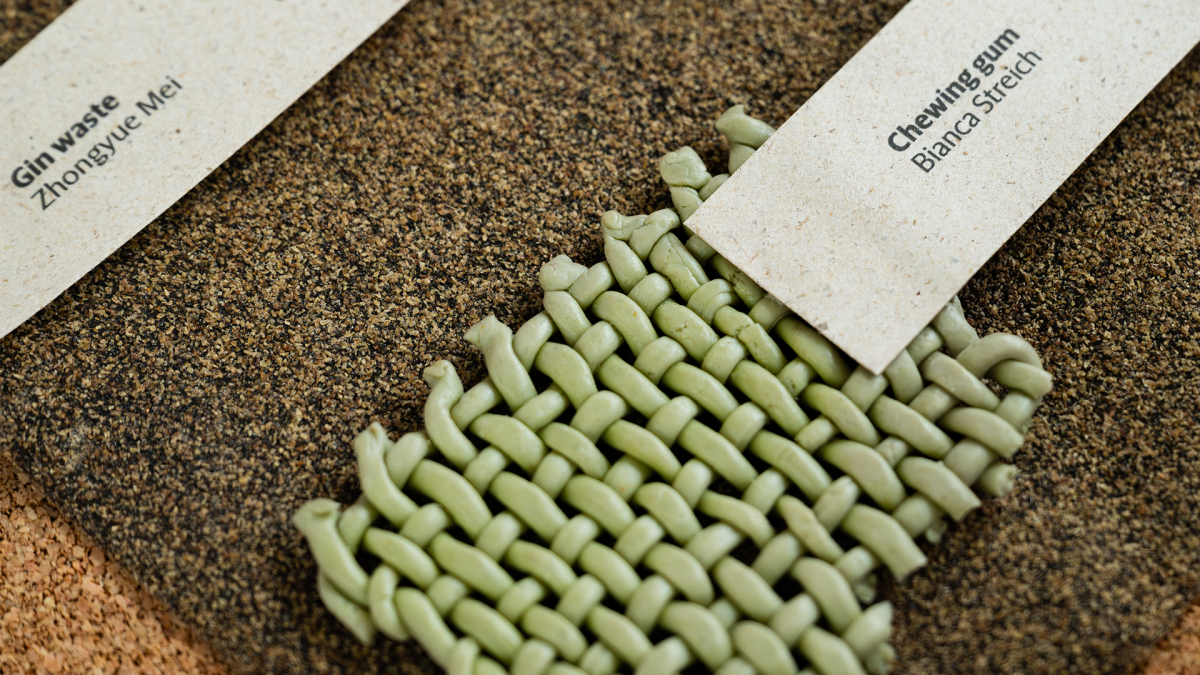
From bacteria-grown ceramic vessels to textiles cultivated from mycelium or human by-products such as hair or urine, the collection challenges entrenched assumptions about waste, resources, and circularity. By bringing these projects together in one accessible space, the platform prevents researchers from working in isolation; enabling them to build on one another’s discoveries rather than reinventing the same process in parallel. As its founders often say, ‘We want to facilitate connection’.
From solitary experiments to a worldwide network of material makers
Future Materials’ reach now extends far beyond the creative sector. With more than 60,000 online visitors and a rapidly growing international network, the platform has become a catalyst for cross-disciplinary collaboration. Its significance was recognised in October 2024, when it received the Marc Cornelissen Brightlands Award, an incentive prize dedicated to sustainability pioneers. Their digital presence is complemented by the physical Future Materials Lab at the Jan van Eyck Academie. Here, visitors, residents, and professionals engage directly with over 160 material samples, testing, examining, and reconsidering how materials behave and what they could become. This hands-on environment fosters a culture of exchange, curiosity, and experimentation across cultures and creative practices.
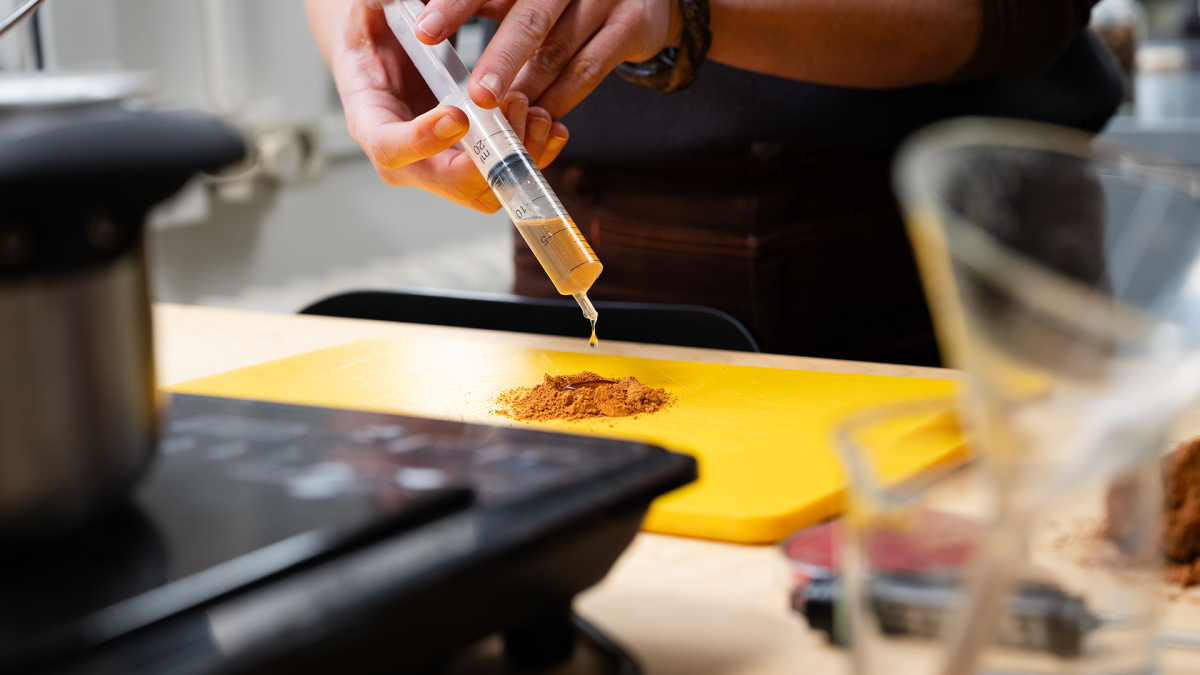
The dialogue continues through the Future Materials Encounters, a workshop series that brings together makers, researchers, students, and the public to discuss material innovation from diverse perspectives. These sessions are recorded and shared globally, expanding access and democratising conversations around sustainable futures.
Beyond archiving and educating, Future Materials acts as a platform for innovation. Its Fellowship Programme supports start-ups and new initiatives that emerge from artistic research, helping bridge the gap between experimentation and industrial application. Its partnerships, like those with Brightlands, offer routes for material discoveries to evolve from the studio to real-world implementation, reflecting a Dutch landscape where creative inquiry and scientific innovation frequently intersect.
A Dutch ecosystem enabling global material transformation
The Netherlands provides fertile ground for such work. A culture of collaboration, a strong emphasis on design research, and a national commitment to circularity all support the platform’s ambitions. Knowledge flows outward: local experiments in the lab propagate into global networks through the Bank, where they can inspire new developments elsewhere. Ultimately, the long-term aim of Future Materials is to transform our relationship with the material world. It invites us to imagine a future in which waste becomes a resource, nature becomes a collaborator, and creativity becomes a force for ecological repair. By connecting artists, designers, and scientists, Future Materials demonstrates how shared knowledge and imaginative thinking can drive the circular transition, showing not just what materials could be, but what our future could become. That’s New Dutch!
Does #newdutch spark an interest or a golden idea with you? We love hearing from you! You can email us at newdutch@nlbranding.nl.


