
In the spotlight
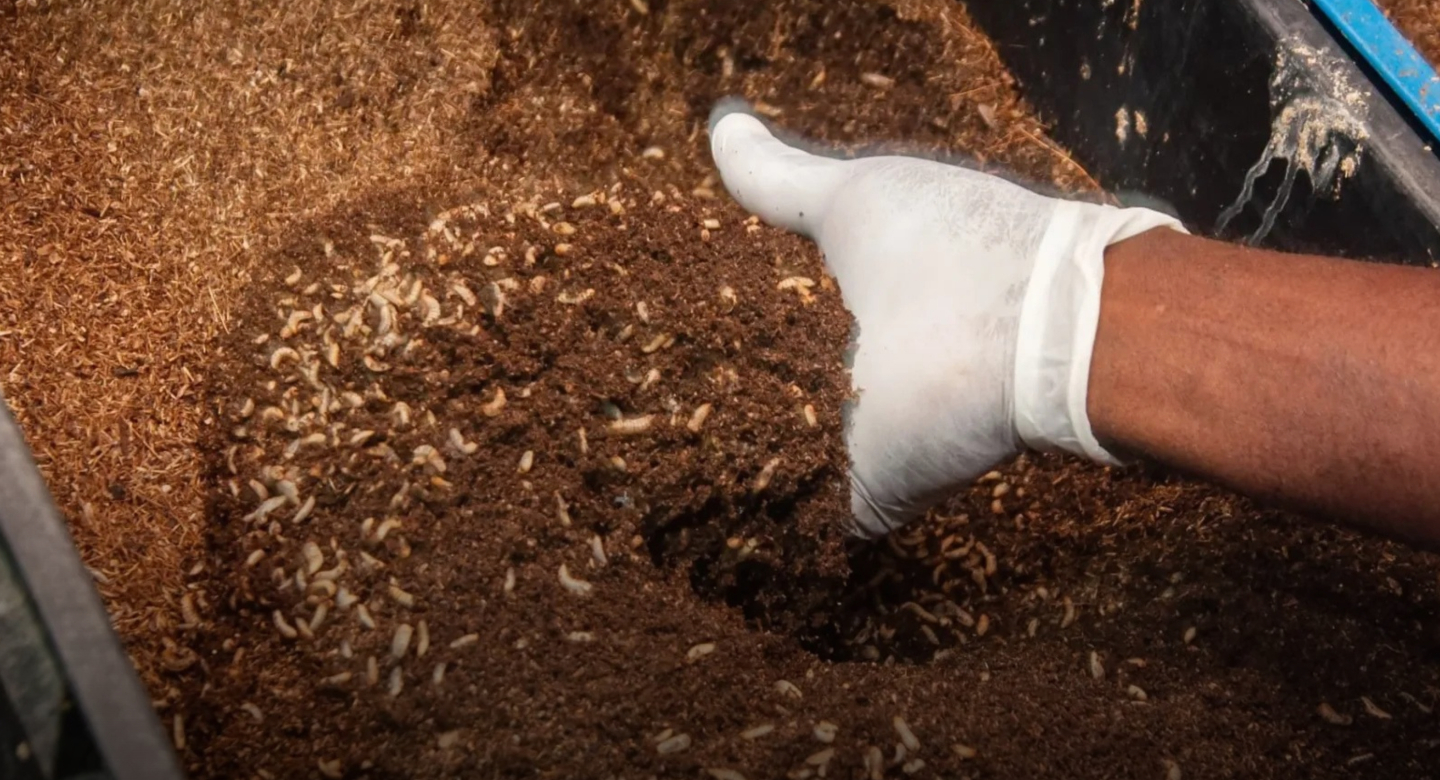
Animal feed is expensive, and much of it often needs to be imported. At the same time, large amounts of organic waste are produced by agriculture and food processing. Two problems that may not seem connected at first glance are precisely where the Black Soldier Fly comes into play.
The Black Soldier Fly is a dark, wasp-like fly, usually around 1.5 to 2 centimetres long, already largely found in Nigeria. And its larvae have a rather useful habit: they feed on organic material, such as food scraps and agricultural by-products.
As they eat, they turn those nutrients into their own biomass, which is proving to be surprisingly useful. The larvae are rich in protein and fat, so they can be processed into an ingredient for animal feed. What’s left behind can be used as organic fertiliser. As a result, one insect can help tackle two problems at once: finding alternatives to expensive animal feed and making better use of organic waste.
Although insect farming is nothing new in Nigeria, the challenge has been taking these efforts to the next level. That is why the Insects4Feed impact cluster was launched. A cluster of seven local and international partners, including three Dutch companies, has joined forces to explore how more people can be trained to rear these insects. The aim is to develop a value chain that provides a sustainable source of protein for animal feed while creating jobs and managing waste.
Linda Agbotah, International Project Officer at NGN Pro-Active, one of the cluster members stated: “One of our goals was to empower young Nigerian entrepreneurs by helping them develop entrepreneurial skills and providing access to business opportunities in BSF farming. This way, the project supports job creation and economic growth. We also included small to medium-scale farmers. We did this by offering young entrepreneurs affordable, sustainable feed options. As a result, they no longer have to rely on expensive imports, improving profitability and local food security’’.
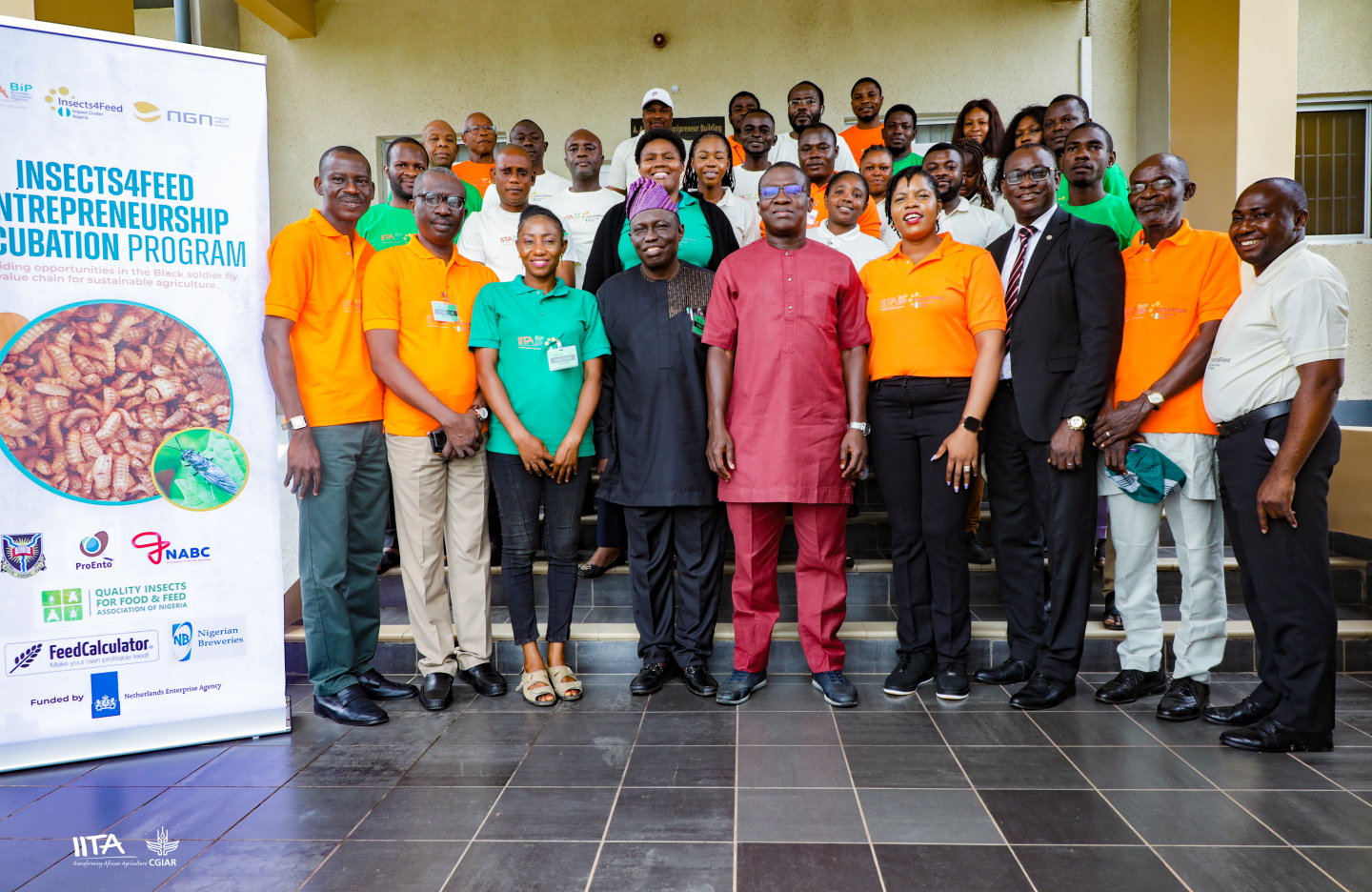
The results speak for themselves. The Insects4Feed project trained 70 entrepreneurs, 40 of them were women. Encouraging the participation of women was a deliberate part of the project’s approach, which aimed to ensure that young people, particularly women, could also benefit from the business opportunities in BSF farming. 44 of the entrepreneurs established BSF businesses, employing 250 people. The project has also produced 1,800 tonnes of BSF larvae and helped bring insect-based feed into the market. Farmers are seeing their production costs fall, making animal feed more affordable.
A big part of the success is the localised strategy. The project builds on local knowledge, business and networks, creating a model that can keep growing beyond the project itself. And that is exactly what Dutch organisations wanted to bring to the table: knowledge, experience and connections that can help local solutions grow.
NGN Pro-Active and other Dutch partners are now taking what they learned in Nigeria to other markets, including Colombia and Vietnam.
In Colombia, the project uses demonstration farms and training to help local communities explore how BSF technology can turn coffee and cacao by-products into animal feed and organic fertiliser. In Vietnam, BSF production is moving from small-scale operations towards commercial use in animal feed, particularly in aquaculture, where demand for alternative proteins is growing. Each country has its own challenges, but the underlying idea is the same: turn what would otherwise go to waste into something valuable.
The moral of the story? Never underestimate the power of something as small as a fly. It could play a surprisingly big role in solving global challenges.


