
In the spotlight
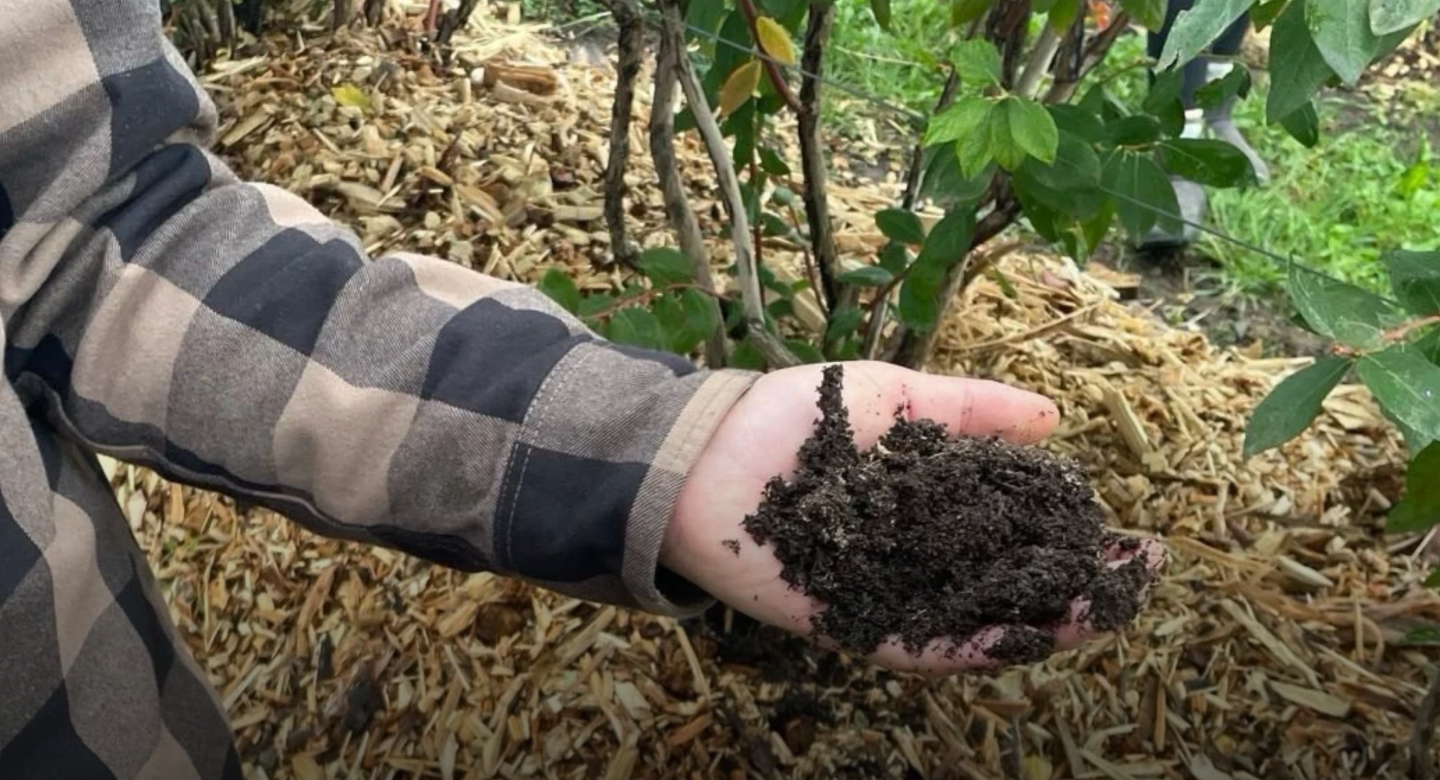
As climate pressures increase, farmers around the world face growing demands to produce food in ways that are both sustainable and profitable. This is driving interest in regenerative agriculture: a holistic, nature-based approach to farming that puts soil health and living soils at the heart of agricultural systems and remains economically viable to farmers.
There is no universal recipe for regenerative agriculture. What works depends on the climate, soil, crops, farmers and markets in a specific area.
For instance, in Serbia, Colombia, Spain and Portugal, the starting points are very different compared to the Netherlands. For the Netherlands Agricultural Network (LAN), the representation of the Dutch ministry of Agriculture, Fisheries, Food Security and Nature abroad, these different contexts create an opportunity to not only share Dutch knowledge and expertise, but also to learn from what is happening elsewhere and building partnerships together.
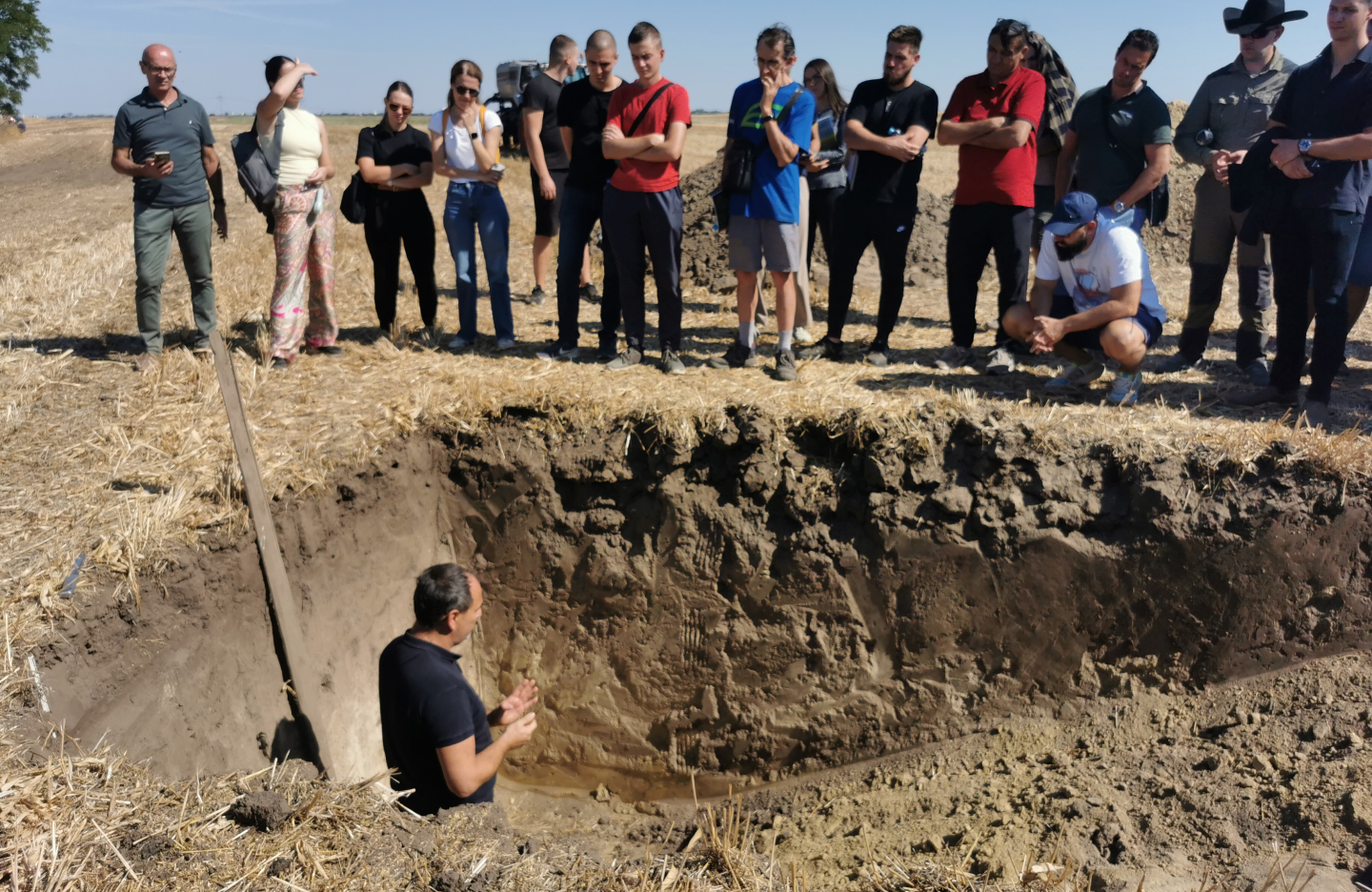
In Serbia, regenerative agriculture is still relatively new. Agricultural counsellor Michiel van Erkel, stationed at the Dutch embassy in Belgrade, sees an opportunity to bring together the different actors who can help move the conversation forward.
“The movement is still relatively small,” he says. “But what is encouraging is that you see it emerging from different angles. NGOs, researchers, businesses, policymakers and farmers are all beginning to discuss regenerative agriculture. Several farmers have really started their adventure. By continuing to put it on the agenda, it becomes part of the conversation and that's how real change starts. I am happy to see that sustainable agriculture, in particular regenerative, has found a place in recent official publications from the Serbian authorities.”
The conversation is also beginning to extend to the value chain as a whole. During a food festival organised by a major retailer, different suppliers are invited to show how they work together across the food chain. While the event primarily targets consumers, the Netherlands Agricultural Network team sees this as an opportunity to bring regenerative and sustainable agriculture closer to the public.
That focus on sharing knowledge and connecting people is central to the Netherlands Agricultural Network’s approach. Rather than promoting one definition or one set of practices, the aim is to create space for farmers, researchers, businesses and policymakers to learn from one another and share ideas. It is an approach that also reflects an important characteristic of regenerative agriculture: solutions need to fit the local context.
By continuing to put it on the agenda, it becomes part of the conversation and that's how real change starts.
Michiel van Erkel · Agricultural Counsellor for Serbia
The next step is to bring these ideas closer to farmers. At the end of the year, Michiel and his team plan to organise a dedicated session for Serbia's agricultural advisors. These government-supported extension officers work directly with farmers and have access to a large network across the country.
“If you can get these advisors enthusiastic about sustainable agriculture as an option, you can have a real impact,” Michiel explains.
The session will use the Dutch Diamond Approach to bring different perspectives together. Buyers can explain the commercial opportunities, policymakers can discuss the enabling environment, researchers can share knowledge. The agricultural team will also include a regenerative farmer who can show that the transition is possible, but also to explain what questions he had when he started the transition of his business. The goal is not to prescribe a Dutch model, but to help Serbian farmers and advisers explore what could work in their own context.
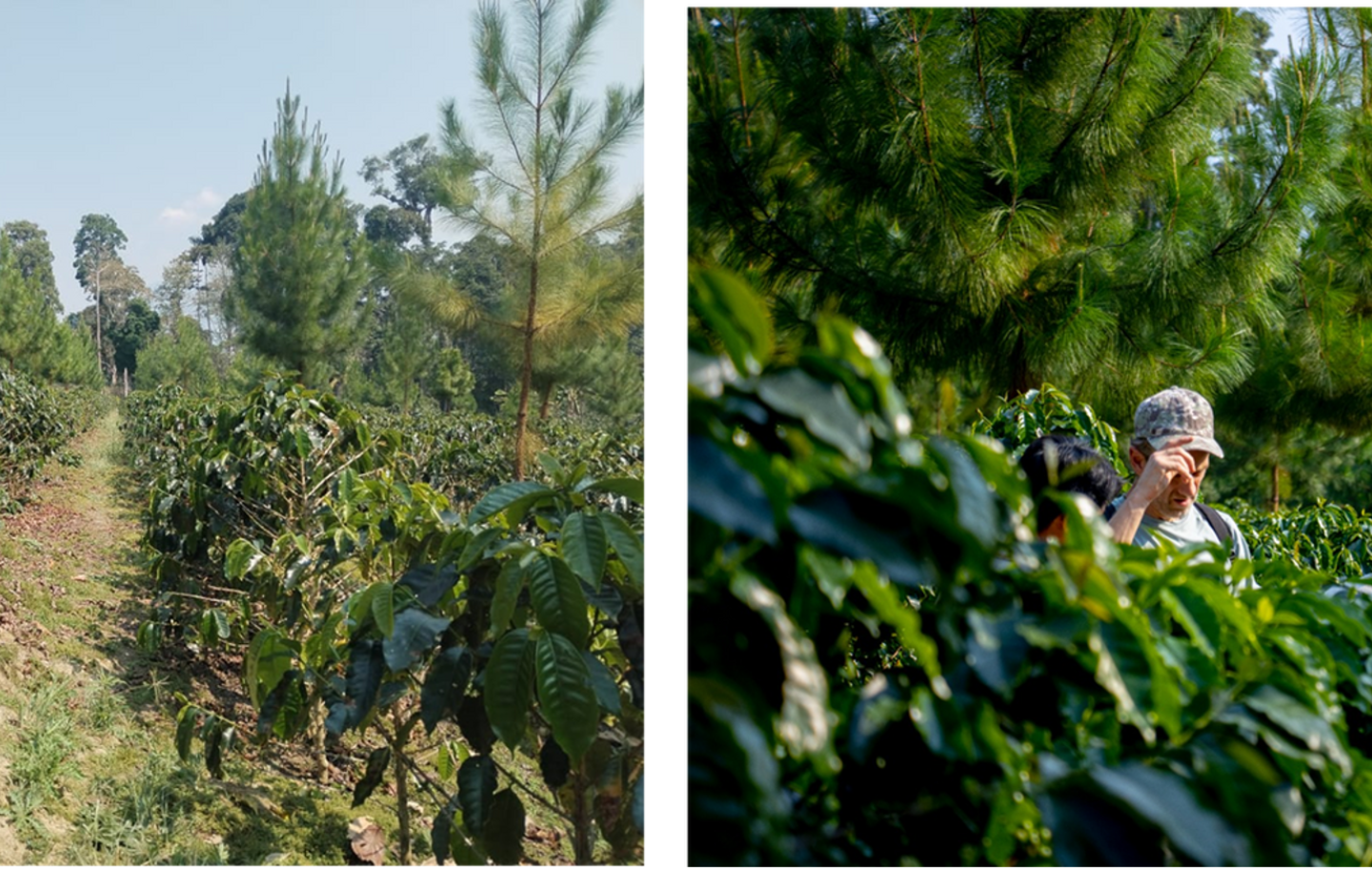
That question of context becomes particularly clear in Colombia, where Dutch entrepreneur Niels van Heeren has spent years working with farmers to understand how healthier soils can translate into better agricultural performance.
Niels did not initially set out to work in regenerative agriculture. After studying Business Administration, he moved to South America and eventually became involved in fruit production. It was there that he began questioning why farmers were often treating the symptoms of agricultural problems rather than their underlying causes. After positive experiences in Venezuela with composted chicken manure in one of his melon fields almost 30 years ago, “I started asking: “what is actually happening in the soil?” That led to a long (re)search to make practical soil-knowledge available to farmers.
His approach is deliberately practical. Rather than beginning with sustainability as an abstract goal, he starts with the farmer's business: reducing unnecessary inputs, improving crop quality, addressing pest pressure and making production more resilient. “We don't begin with biodiversity or sustainability. Farmers want to earn money, reduce pests and improve fruit quality. That's what motivates the first step.”
That first step is thoughtfully small. Niels' team typically starts with a small demo-field alongside a control field, allowing changes in fertiliser use, pest pressure, fruit quality, export-grade production and profitability to be measured in a simple and correct way. The aim is to demonstrate results, let the plants speak, before asking a farmer to make a larger commitment.
We don't begin with biodiversity or sustainability. Farmers want to earn money, reduce pests and improve fruit quality. That's what motivates the first step.
Niels van Heeren · Agricultural Counsellor for Colombia
It also highlights why farmers need advice that is specific to their crop and location. As Niels puts it: “The farmer doesn't want to know what happens with carrots in the Netherlands or rice in Indonesia. If I'm an avocado farmer in Colombia, I want to know how to improve my avocado system, in my region, with my variety and my soil.” Their “farmer-made” software allows for a global approach with local adjustments.
His experience shows that international knowledge only becomes useful when it can be translated into practical and relevant solutions for local farmers.
That same principle is visible in Spain and Portugal. According to Machiel Kommers, Agricultural Counsellor for Spain and Portugal from the Dutch embassy in Madrid, farmers in the region are already dealing with climate pressures that are becoming increasingly relevant across Europe.
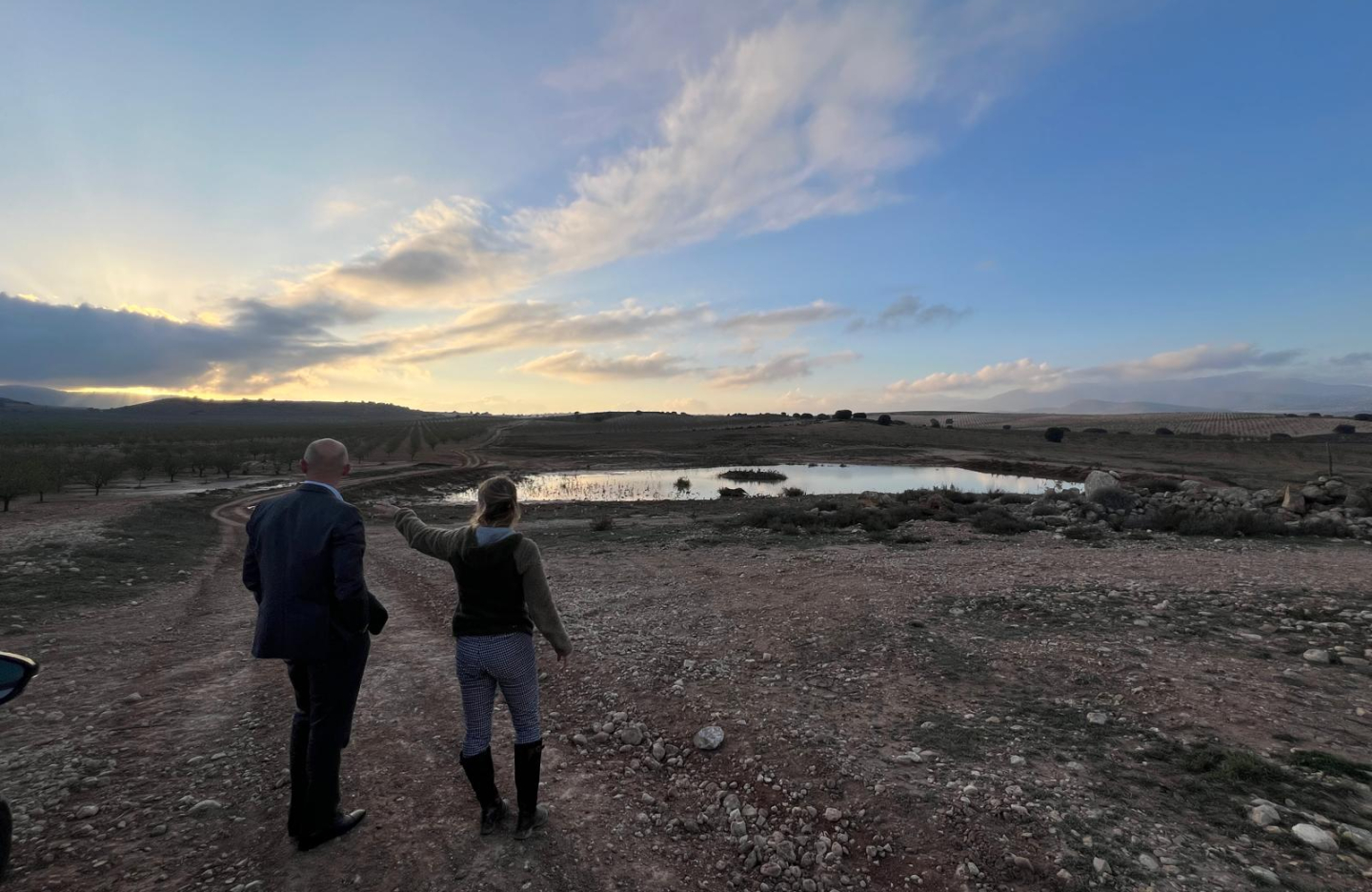
“Spain and Portugal are front runners when it comes to experiencing the impacts of climate change,” he says. “They have been dealing with extreme drought, water scarcity and desertification for more than a decade.”
The challenges extend beyond drought. Extreme rainfall and flooding are also increasing, creating a complex combination of too little and too much water. This makes the region an important learning environment for how we approach climate change. Spain, for example, has developed significant experience with reusing treated wastewater in agriculture. Portugal has invested in large-scale water infrastructure to retain and use water that would otherwise flow directly to the sea.
And the lessons are not necessarily about technology alone. “We often think of innovation as a technical solution,” says Machiel. “But what we see in Spain is that a lot of innovation is also in governance and in the societal organisation around water.”
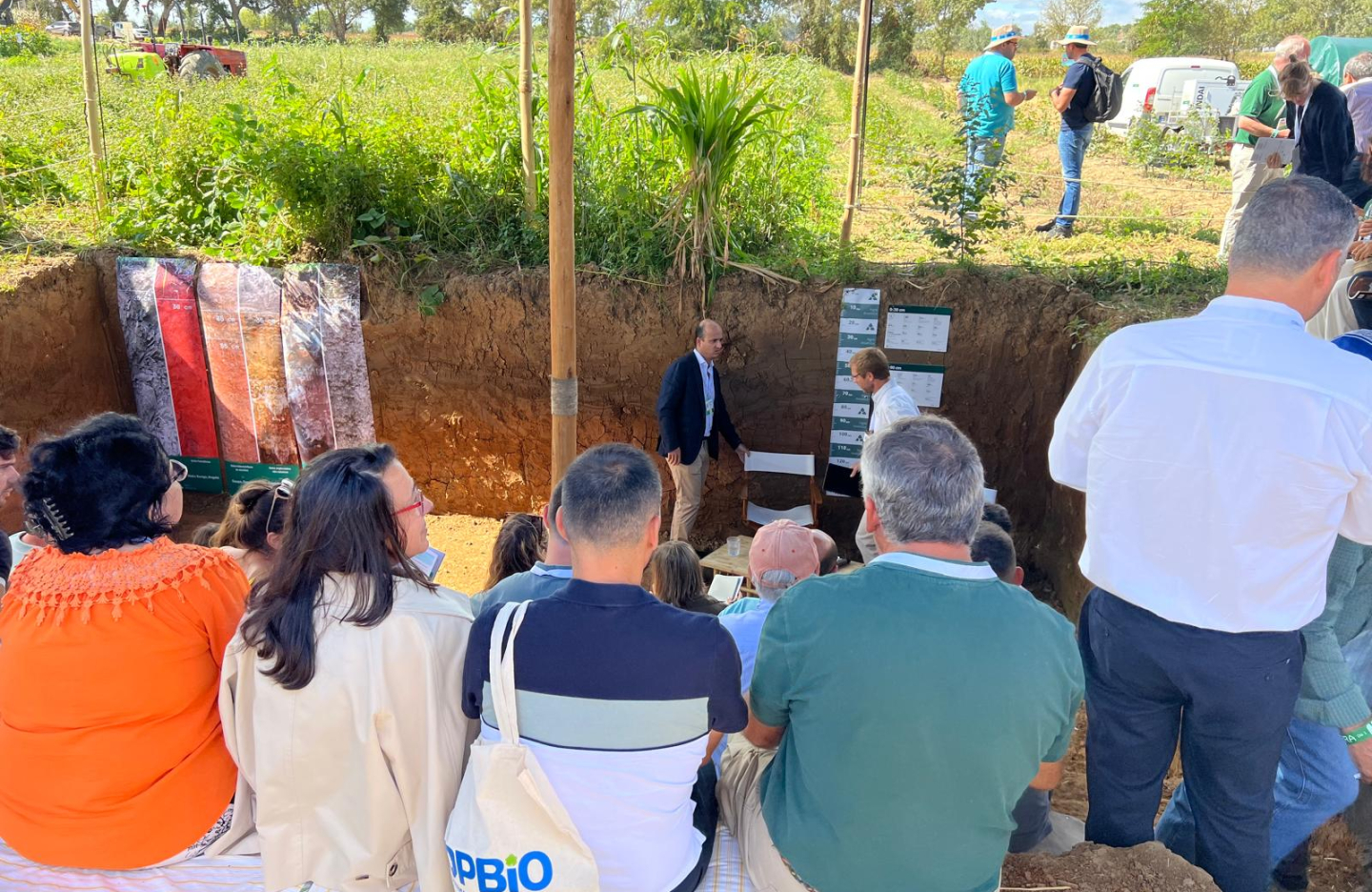
While regenerative agriculture is developing through a range of initiatives in Spain, there is less visibility on what was happening in Portugal. That led to a dedicated study, started last year and now nearing completion, looking at regenerative agriculture from an economic and commercial perspective. The study will be officially presented in Portugal in October 2026. “We deliberately wanted to look at the commercial and economic viability in the long term,” Machiel explains. “The business case is often the bottleneck.”
The question is not simply which regenerative practices exist, but what is needed to make them financially viable and scalable. That includes looking at the transition period, when farmers may need to invest before the benefits of improved soil health or more resilient production become visible. It also means considering how farmers, researchers, governments, companies and other organisations can share knowledge, risk and investment.
For Machiel, collaboration is therefore essential. “Every farmer seems to have to start on their own and reinvent the wheel. I think knowledge exchange and working together to develop new knowledge is really essential.”
The Portuguese study will be used as a starting point for exactly that. Its official presentation will be accompanied by a webinar bringing together Dutch and Portuguese stakeholders, with Foodvalley involved to explore how Dutch companies and knowledge institutions could connect with opportunities in Portugal.
Every farmer seems to have to start on their own and reinvent the wheel. I think knowledge exchange and working together to develop new knowledge is really essential.
Machiel Kommers · Agricultural Counsellor for Spain and Portugal
The experiences in Serbia, Colombia, Spain and Portugal show that regenerative agriculture is developing at different speeds and for different reasons. But across these different contexts, one principle keeps returning: there is no single route to regenerative agriculture.
“Regenerative agriculture is not a framework where, if you apply it, you are done,” says Machiel. “You always have to apply it to the context where you are.”
Or as Niels puts it, the farmer needs solutions that fit their crop, their region and their soil.
That is where international cooperation can make a difference. Dutch organisations can bring knowledge, technologies and experience, while partners in other countries bring their own expertise, conditions and practical experience.
The role of the Netherlands Agricultural Network is therefore not to export a Dutch model, but to connect people who can learn from each other. By sharing knowledge and creating partnerships across borders, each country can explore what works for its own farmers, landscapes and food systems.
Read more interesting articles about Serbia and Colombia here: