
In the spotlight
What if one of the most promising materials for the future is growing in the sea? The Dutch relationship with the sea has always been about more than keeping water out. For centuries, we have looked at the sea as a source of opportunity: a place to trade, innovate and build prosperity. Today, this mindset is inspiring a new industry. At Seaweedland in Heerhugowaard, we discover how a Dutch-grown crop from the sea is opening up new possibilities for food, materials and industry. Not on land, but in the waters of the North Sea, where seaweed is emerging as one of the most promising sustainable resources of the future.
At the heart of this movement is the European Seaweed Association (ESWA), helping to transform a niche sector into a thriving European industry. Seaweed is remarkable because it asks for very little while offering a great deal in return. It grows without farmland, fresh water, fertilisers or pesticides. It absorbs nutrients from the sea, captures carbon as it grows and can be turned into an astonishing range of products. From food ingredients and animal feed to textiles, packaging materials, paints and biobased construction products, seaweed has the potential to reshape how we produce and consume. In a world facing growing pressure on land, water and natural resources, it offers an entirely new way of thinking about sustainable growth.
The challenge is that the seaweed industry has long been trapped in a familiar cycle. Without large-scale production there is no market demand, and without market demand there is little incentive to invest in large-scale production. ESWA was created to help break that deadlock. Bringing together businesses, researchers, policymakers and innovators from across Europe, the organisation works to create the connections, knowledge and conditions needed for the sector to grow.
The seaweed network
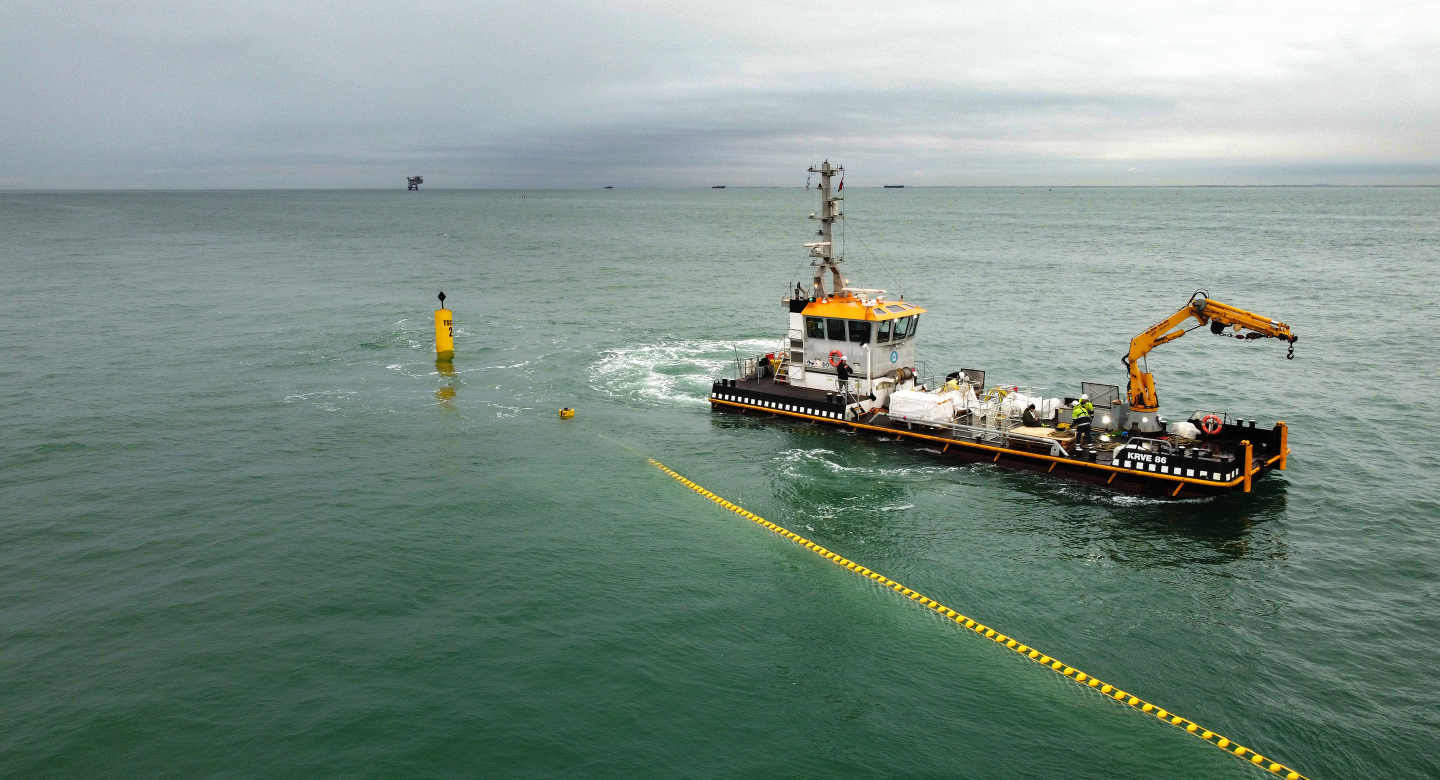
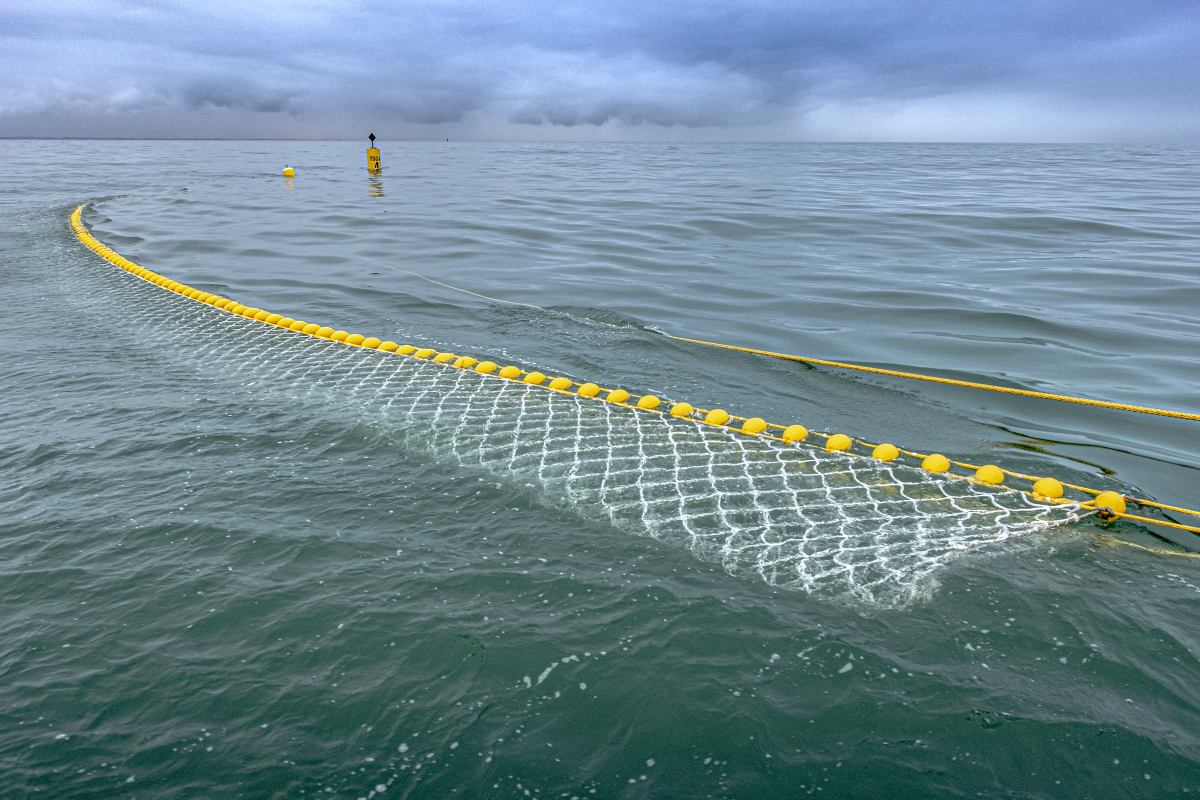
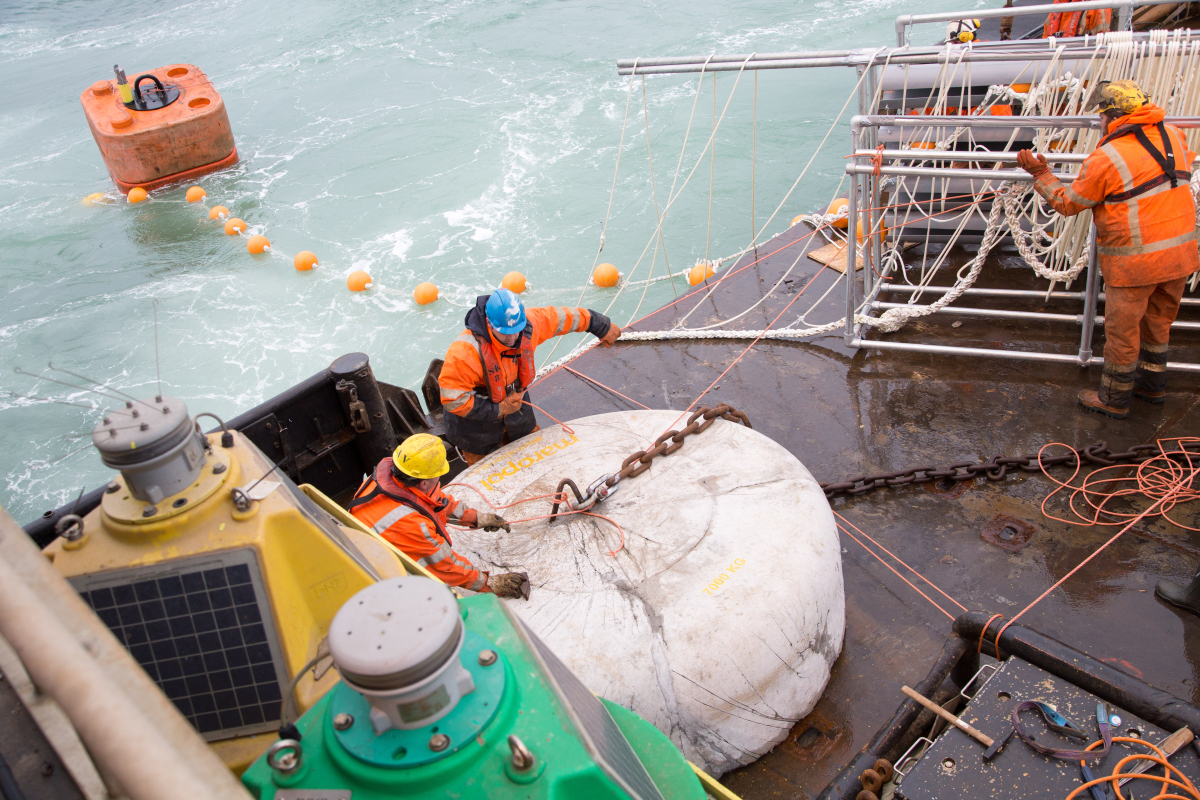
What started as a Dutch initiative has evolved into a European network of more than 130 members, all working towards a shared vision: making seaweed a mainstream ingredient in the products and industries of tomorrow. One of the most ambitious examples of this vision can be found eighteen kilometres off the coast of Scheveningen. There, within the offshore wind farm Hollandse Kust Zuid, ESWA's predecessor North Sea Farmers launched North Sea Farm 1, the world's first commercial-scale seaweed farm operating between offshore wind turbines. Developed in collaboration with Simply Blue Group, Van Oord, Algaia and Amazon, the floating farm explores how food production, renewable energy and ecosystem restoration can coexist in the same space. Researchers are studying not only how seaweed cultivation can be scaled efficiently, but also its potential to capture carbon and support marine biodiversity.
The project reflects a distinctly Dutch approach to innovation. Rather than seeing the North Sea as a place with competing interests, it becomes a place where multiple solutions come together. Wind farms generate clean energy. Seaweed farms produce sustainable raw materials. Scientific research measures environmental impact. Industry partners create new applications. The result is a system where economic growth and ecological regeneration reinforce one another.
A natural replacement for resource-intensive ingredients
Those applications are already becoming visible in everyday life. Seaweed is finding its way into burgers served at Formula 1 events, hybrid meat products, sustainable packaging, paints, textiles and innovative building materials. Companies across Europe are experimenting with seaweed-based alternatives that reduce environmental impact without compromising performance. In each case, seaweed replaces resource-intensive ingredients with something that grows naturally in the sea.
The Netherlands has proven to be fertile ground for this movement. A strong innovation ecosystem, support from regional governments, knowledge institutions and financial partners has given entrepreneurs the space to test, improve and scale new ideas. The goal is not to keep seaweed as an experimental niche product, but to make it a normal part of how we produce food, materials and consumer goods. By creating markets, connecting partners and accelerating innovation, the organisation is helping to turn that vision into reality.
The story of seaweed is ultimately a story about seeing opportunity where others see empty space. It is an industry that connects water, food, circular materials and climate solutions in a single ecosystem. By turning seaweed into solutions for food, materials and industry, ESWA shows how one natural resource can open up an entirely new future.
Does #newdutch spark an interest or a golden idea with you? We love hearing from you! You can email us at newdutch@nlbranding.nl.


