
In the spotlight
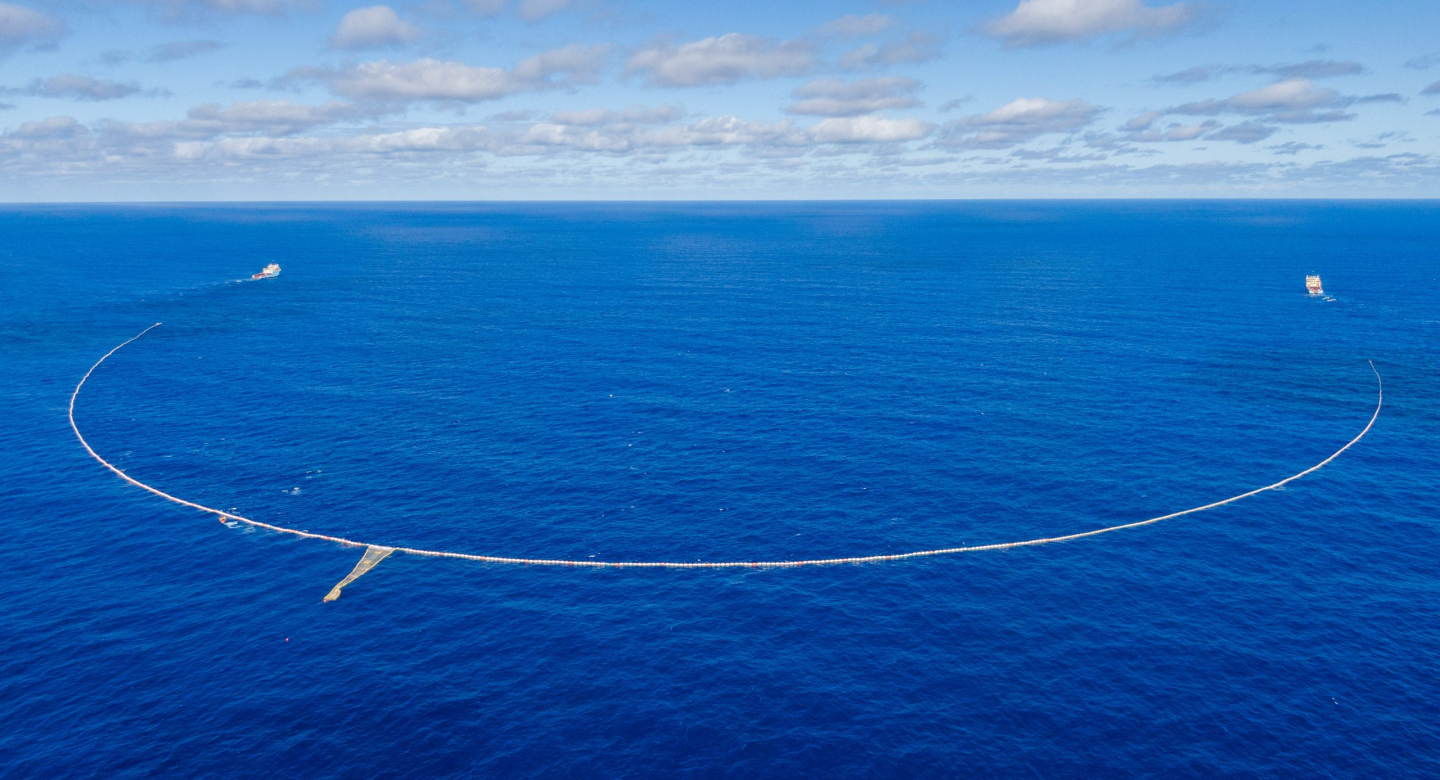
Plastic pollution is one of the most visible threats to marine ecosystems. It harms wildlife, damages coastal environments and breaks down into microplastics that are increasingly found throughout the food chain. The Ocean Cleanup, founded in the Netherlands by Boyan Slat, is working to tackle the problem from two directions: removing plastic already accumulated in the ocean and stopping new plastic before it reaches the sea.
The organisation first became known for its clean-up systems in the Great Pacific Garbage Patch, where large amounts of floating plastic have collected over decades. Its latest ocean system is designed to concentrate plastic so it can be collected, brought back to land and processed responsibly.
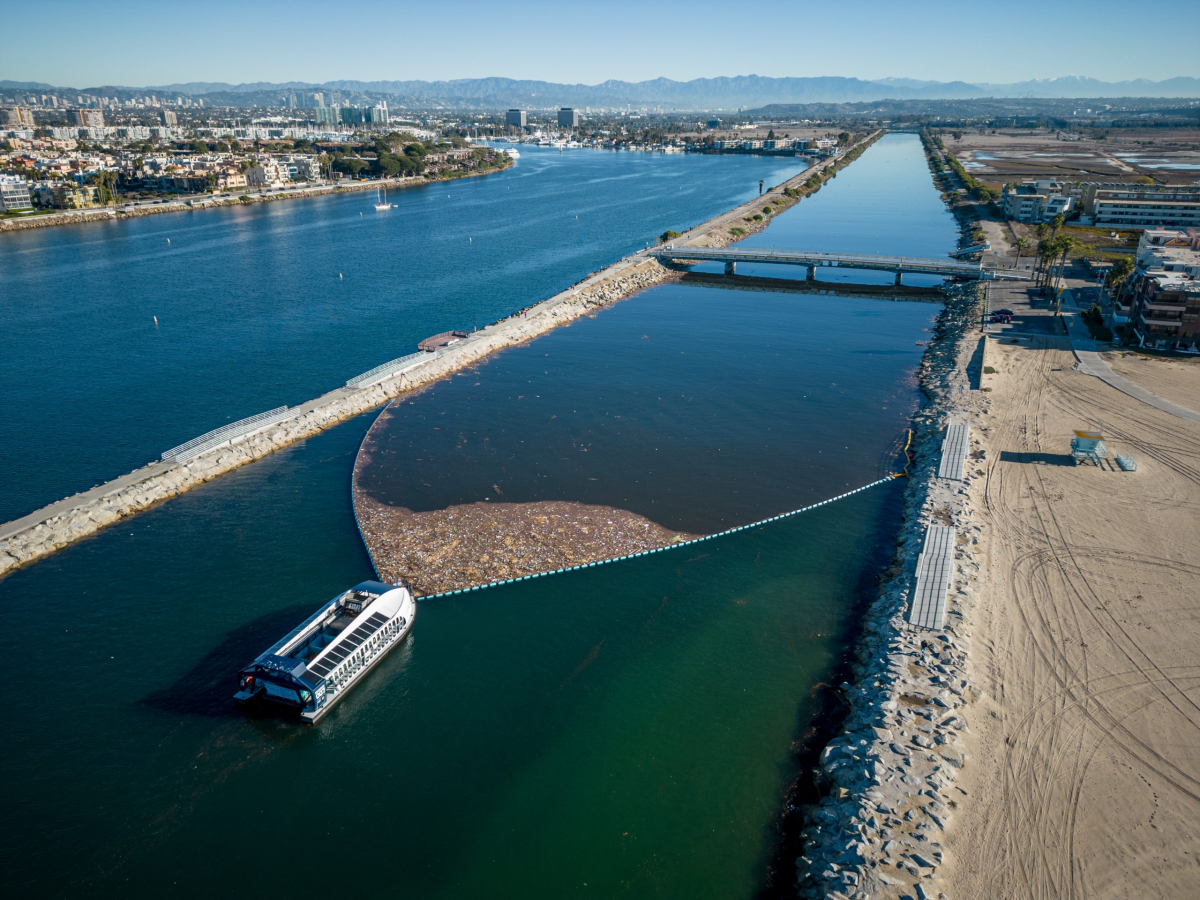
The Ocean Cleanup has since expanded its focus upstream. Rivers, canals and coastal waterways are major pathways for plastic waste into the ocean. To address this, the organisation developed interceptor solutions: technologies designed to capture plastic in waterways before it reaches the open sea.
The Interceptor is still part of The Ocean Cleanup’s work, but the approach has evolved. What started with individual river deployments has become a broader, data-driven model adapted to local conditions. The organisation now studies how plastic moves through specific rivers and coastal areas before deciding which solution can have the greatest impact. This includes the use of drones, cameras, GPS tracking and artificial intelligence to map plastic flows and identify the best points for intervention.
The Ocean Cleanup is now scaling this approach through its 30 Cities Programme. The programme focuses on some of the most polluting urban areas in Asia and the Americas, where plastic often enters waterways before flowing into the ocean. Rather than treating each river as a separate project, the programme looks at entire cities and their surrounding waterways. This allows The Ocean Cleanup to combine Interceptor solutions with local partnerships, waste-management systems and catch-processing facilities. A recent example is the expansion of its work in Greater Los Angeles, where new Interceptor barriers are being added in the LA and San Gabriel Rivers to complement existing operations in Ballona Creek. The aim is to stop plastic before it reaches the Pacific Ocean.
The Ocean Cleanup shows how Dutch innovation can contribute to a global environmental challenge. Its work combines engineering, research, data and international cooperation to address plastic pollution both at sea and far upstream. While the challenge remains large, the direction is clear: cleaner oceans require action across the full system.
Across the Netherlands, innovators are developing solutions to protect and restore marine ecosystems. From large-scale seaweed cultivation initiatives such as European Seaweed Association, to pioneering water technology startups, Dutch innovation continues to contribute to healthier oceans worldwide.


