
In the spotlight
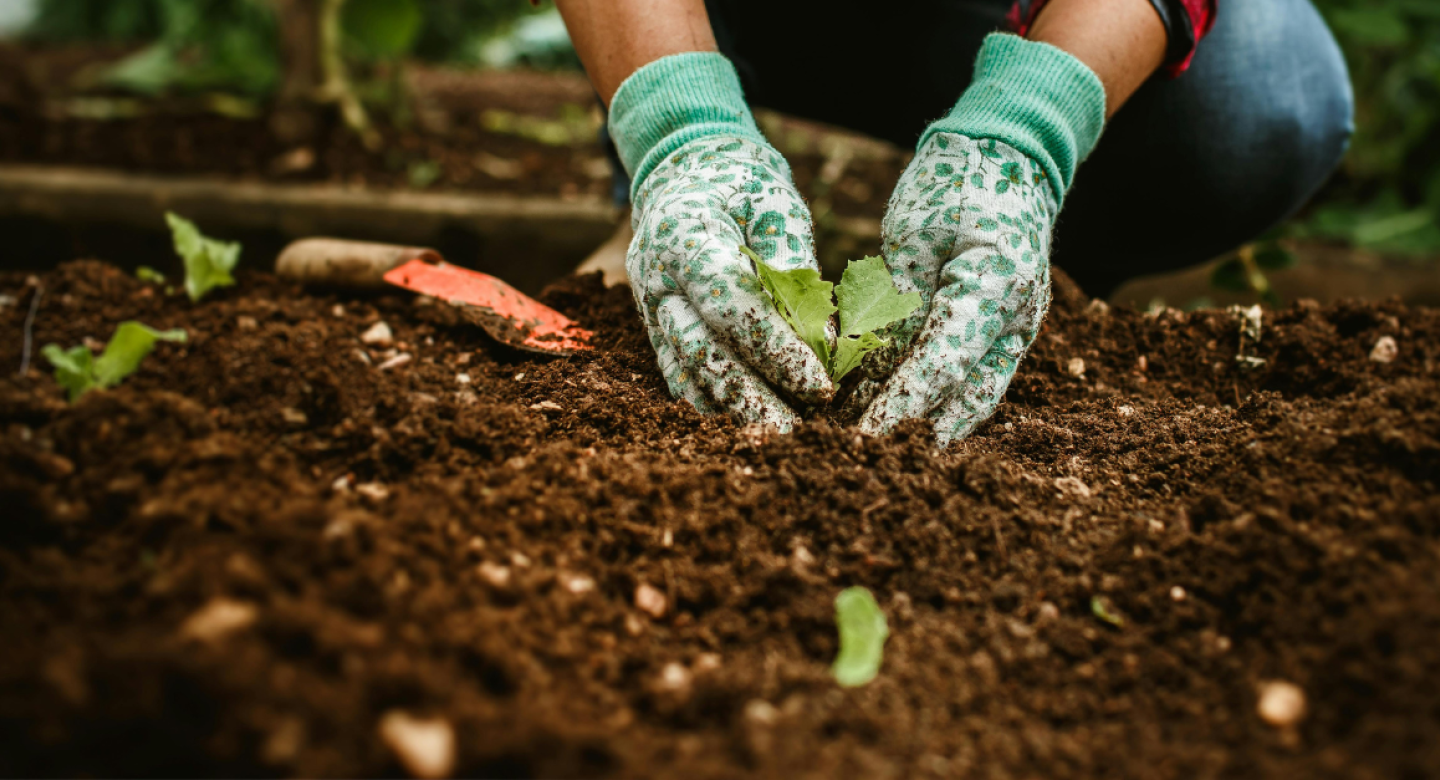
Life in cities depends on what happens underground. Health soil cools our streets, absorbs excess water, supports plants and trees, stores carbon, and filters pollution. But when soil is damaged, cities become hotter, wetter and less liveable. As urbanisation accelerates and soil sealing continues to spread, safeguarding urban soils is no longer optional, it is essential for climate resilience, biodiversity, and public health. That message takes centre stage this year on World Soil Day, a global moment to reflect on the role soil plays not only in agriculture, but also in ecosystem health, food security, and the future of our cities.
The Netherlands has long understood that the quality of its soil underpins everything from flood protection to food production. Today, that experience is being translated into international action, from farmlands and deltas to fast-growing urban regions around the world.
From climate adaptation and water management to urban resilience and food security, Dutch soil solutions are being applied worldwide. Drawing on centuries of experience in living with water and working with complex soils, the Dutch approach combines cutting-edge research with practical, scalable solutions.
Through international partnerships, field projects, and knowledge exchange, Dutch experts are helping regions restore soil health, strengthen ecosystems, and build long-term resilience. One key driver of this global cooperation is the Dutch Agricultural Network, which connects researchers, policymakers, farmers, and urban planners across borders.
As the Dutch Agricultural Network, we work with partners, researchers, farmers and city planners to improve soil health through shared learning and practical solutions.
In Poland, a public-private soil improvement project shares Dutch expertise, runs field trials, and offers a Polish language e-learning module on soil structure, organic matter, pH and sustainable fertilization. Poland is now a leading example of applying regenerative principles that improve soil health and yields.
Thousands of kilometres east in Thailand, the Netherlands supports nature-based agriculture, together with Dutch agribusinesses and experts from Wageningen University & Research (WUR). Through hands-on work with farmers, we promote regenerative practices, crop improvement, and soil care training that support long-term food security.
Meanwhile across Nordic countries, WUR and Aarhus University organised an event that used footage from Planet Soil to show citizens what happens beneath their feet and why soil matters. This helped spark public understanding and engagement with soil health.
In Serbia, we contributed to the Greening the City project in Belgrade, offering expertise to integrate green spaces into major development plans. The WUR Lighthouse farm LoginEKO shows how regenerative and organic agriculture can restore soil and biodiversity at scale.
Across West Africa, we support programmes that restore soil fertility, such as Soil Values, and promote partnerships with organisations like Safisana. We also raise awareness among policymakers and the public through activities including screenings of Planet Soil.
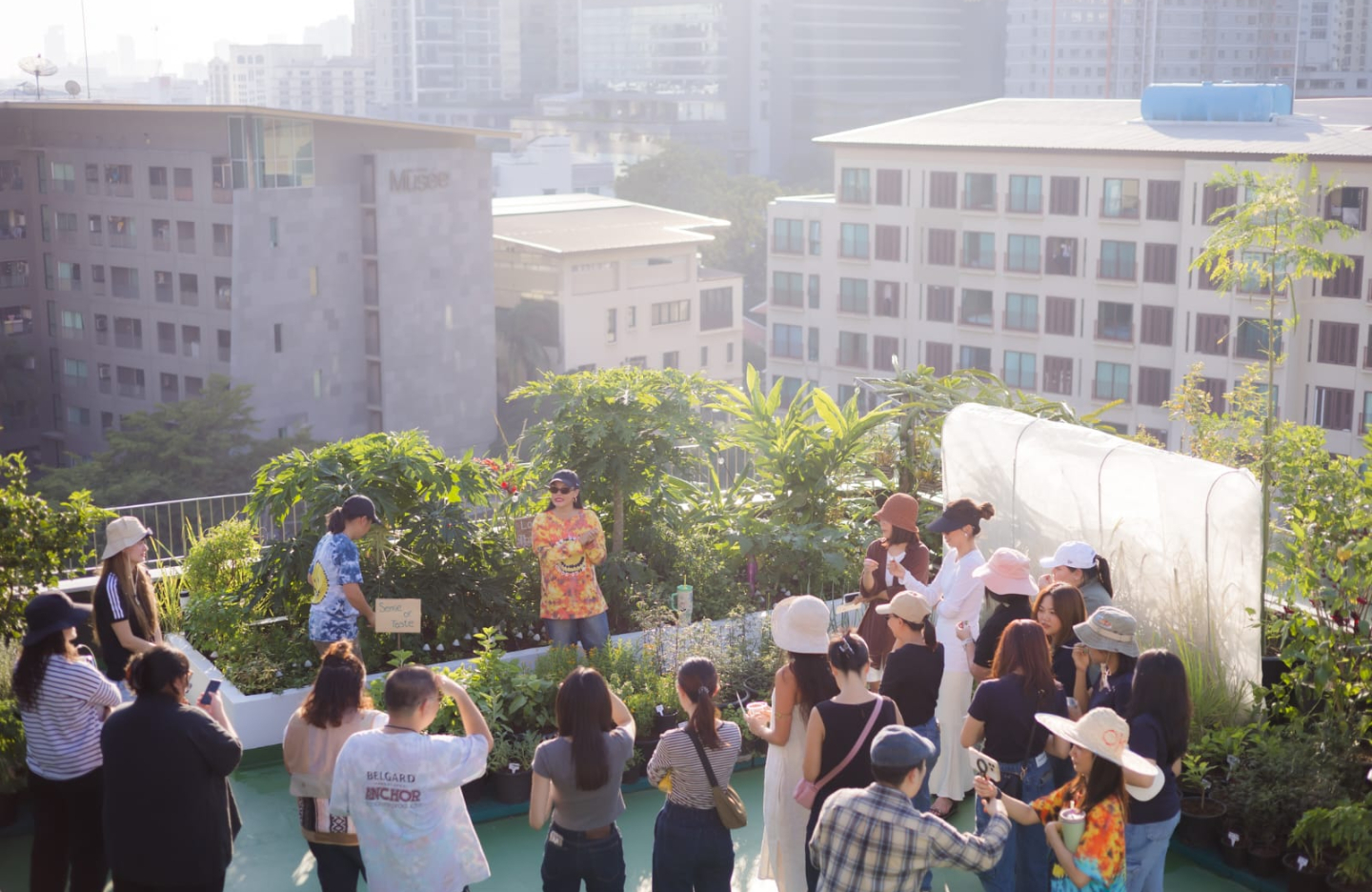
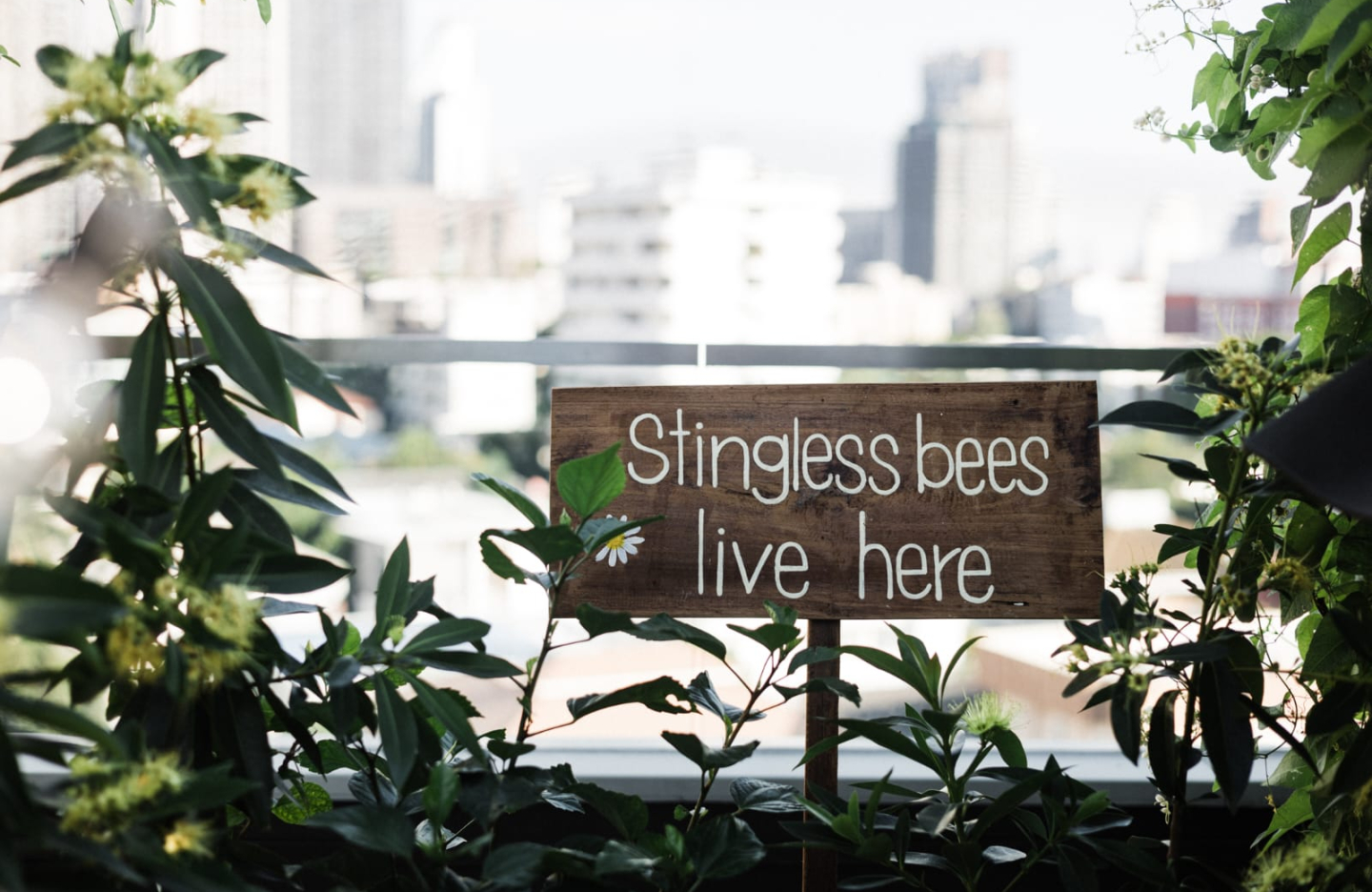
High above the streets of Bangkok, rooftop farms are transforming food waste into rich compost that restores depleted soils and feeds fresh produce back into the city. What began as a small-scale solution has become a powerful circular model for urban areas around the world, showing how waste can become the foundation for renewal.
Closer to home, the Green Denmark agreement brings together farmers, nature organisations, government, and citizens to improve water quality, biodiversity, and soil health. The collaborative approach shows how shared responsibility can tackle complex food system challenges.
In Ghana, farmers rely on simple, locally applied methods, proving that improving soil health does not always require expensive technology. In North America, Dutch partners support collaborative research, advanced soil measurement technologies, regenerative farming, and climate-smart grazing demonstrate, straightforward practices that rebuild soil quickly while strengthening farm resilience.
Healthy cities begin with healthy soil. It cools our streets, supports green spaces, absorbs rainfall, filters pollution, and enables food production in and around urban areas. As climate risks intensify and cities continue to grow, soil is emerging as one of the most powerful, and yet overlooked, tools for urban resilience.
From rooftop gardens to regenerative farms and green infrastructure projects, Dutch expertise shows that living soils are not just an environmental asset, they are the foundation of resilient, liveable cities worldwide.
On this World Soil Day, and beyond, the message is clear: protecting soil is not only about what we grow, it’s about how we live.